About Yoga | Yoga Life Global

Category: About Yoga

200 HOUR YTT, YOGA TEACHERS TRAINING

Why Our 200-Hour YTT Is Designed for the Modern Yoga Teacher

Kritika Bairagi | June 12th, 2025

In this rapidly evolving world today, the yoga teacher’s role is changing as much as the students they teach.

You’re no longer just guiding physical postures on a mat. You’re holding space for emotional healing, offering insights from ancient philosophy, blending online and offline teaching, and becoming a leader rooted in values — all at once. And that’s exactly why your training needs to be more than just a checklist of poses.

At Online Yogalife, we designed our 200-Hour Yoga Teacher Training (YTT) to prepare you for just that. If you are just starting out or sharpening your edge as a yoga teacher, this course greets you with tradition, depth, and contemporary relevance.

Let’s dive into why our teacher training is not just about certification — it’s a spiritual path designed for today’s modern teacher. 


Our 200-hour YTT is not a copy-paste of ancient teachings thrown into a Zoom call.

It is a living, breathing experience rooted in classical Indian yoga traditions — yet translated for the modern world. We’ve preserved the sacred essence of the teachings while updating the tools to make them more accessible, inclusive, and practical for current and future yoga professionals.

In this course, you’ll do more than “learn yoga.”

You’ll embody it.

You’ll live it.

And you’ll learn how to teach others to do the same.


One of the deepest distinctions of our YTT is that it is grounded in true yogic lineage.

The program is guided and inspired by Dr. Radheshyam Mishr (Guruji) — a lifelong yogi, educator, and spiritual mentor who has certified thousands of students since 1996. His teachings come directly from the classical yogic texts and the gurukul tradition, so what you learn isn’t watered down or Westernized, but authentic, sacred, and eternal.

You’ll feel the difference from Day 1 — this course is not just learning to teach like a yogi, it’s learning how to live as a yogi.

Learn From Anywhere, Remain Deeply Connected

Today’s yoga teachers may be juggling personal practice, second jobs, family, or travel. We crafted this YTT 100% online but never isolated.

You’ll get:

  1. Self-paced modules to learn at your pace
  2. Live interaction circles with veteran faculty
  3. Video demonstrations, guided practices, and instant feedback
  4. An opportunity to learn again at any time — because learning doesn’t stop after attempt one

It’s flexible, yes. But never at the expense of depth, commitment, or community.


Contemporary yoga teachers know this well — you can’t launch a career merely by teaching poses.

Our YTT includes a comprehensive yogic curriculum that touches every layer of your being and every tool you’ll need as a teacher.

What you’ll learn:

Asanas: Alignment, sequencing, benefits, contraindications

Pranayama: Conscious breathing techniques to direct energy and awareness

Kriyas: Traditional cleansing techniques for physical and mental clarity

Meditation & Yoga Nidra: Cultivating inner silence and awareness

Philosophy: Deep exploration of Patanjali Yoga Sutras, Bhagavad Gita, and yogic ethics.

Anatomy & Physiology: Functional and energetic systems of the body.

Method of Teaching: Voice modulation, cueing, theming, and class structure.

Business Tools (optional): How to establish your yoga presence, in person and online.

Our goal is to mold yoga teachers who are well-balanced, wise, adept, and rooted in the entire picture of yoga — not its exterior only.


200 HOUR YTT, YOGA TEACHERS TRAINING

One of the most important aspects of teaching yoga today is teaching it with cultural respect and integrity.

In our training, you’ll learn the ethics of being a yoga teacher — not just how to instruct, but how to honor the roots of yoga with authenticity. This includes:

  1. Deepening your understanding of yoga’s cultural heritage
  2. Exploring the Yamas and Niyamas as real-life values
  3. Studying Guru–Shishya traditions and their relevance today
  4. Respecting sacred rituals, mantras, and spiritual tools with mindfulness

After you graduate, you won’t merely be a certificate-bearing teacher — you’ll be a keeper of yoga wisdom, who can share it responsibly.


Most online courses are a lonely experience. Ours is not.

We’re passionate about providing you with personalized mentorship, access to regular feedback, and the community of a thriving worldwide yoga network.

You’ll be able to:

  1. Ask questions to senior mentors
  2. Join live Q&A and discussion groups
  3. Share your practice with fellow students in group circles and sanghas

Get guidance extending beyond certification — such as spiritual development, career guidance, and more

This community is your spiritual family. You don’t just graduate with a diploma — you graduate with lifelong guidance.


Let’s get real — being a yoga instructor in the present day is as much about education as it is about how to survive the yoga business.

We set you up for success in the world:

  1. You’ll be trained to teach in studios, retreat centers, and virtual spaces
  2. You’ll be taught how to lead trauma-sensitive, accessible classes
  3. You’ll gain the skills to start your own yoga offerings, if that’s what you want
  4. You’ll receive a respected certification to teach anywhere in the world

Regardless of your journey — full-time educator, weekend yoga guide, or spiritual pilgrim — this course provides you with the tools to flourish, not merely get by.


There are countless individuals teaching yoga these days — but how many are doing so with depth, reverence, and clarity?

If you’re someone who,

wants to:

  1. Teach from a place of truth and knowledge
  2. Walk the way of a mindful and moral teacher
  3. Integrate contemporary lifestyle with timeless practice
  4. Deeply serve others from your own inner change

…then our 200-Hour Yoga Teacher Training was created for you.


This program wasn’t constructed in a classroom.

It was constructed in ashrams, mountains, community centers, and homes — in places where yoga is not merely taught, but lived.

Now, it’s arriving in your space — wherever you happen to be.

Sign up now and start your path as a contemporary, conscious, and masterful yoga teacher.

Learn more @ www.onlineyogalife.com

Last Word

You don’t have to become someone you’re not to join the yoga universe.

You simply need proper training to share your truth — with confidence, clarity, and care.

Your teaching life as a yoga teacher starts here. Make it holy. Make it powerful. Make it you.

Check out the, 24 Minutes of Yoga for 24 Hours of Energy | Self-Learning Yoga Tutorial with Dr. Radheshyam Mishra

Online yogalife

How YogaLife Global is Making a Difference Worldwide

Kritika Bairagi | June 2nd, 2025

yogalife Online Yoga Life

In an era where lines get fuzzy and everything is a click away, YogaLife Global is making something truly remarkable behind the scenes. It’s not a website, nor is it an online platform. It’s an alive, pulsing environment for transformation—reaching individuals wherever they are, whenever they are in need.

From their own homes, thousands have stepped onto the mat for the very first time, relearned balance, or healed through this innovative online platform. And that’s not a coincidence. It’s the product of vision, consideration, and decades of commitment.

A Legacy You Can Join From Anywhere


YogaLife Global has been a trailblazer in holistic Yoga learning since 1996 and now has more than 100 centers worldwide. But not everybody can go to a center, quit their work, or step away from parenting responsibilities. So YogaLife Global was created—to share the same profound, real Yoga experience with others wherever they are.

Wherever you are in the world—Mumbai, Madrid, Melbourne, or Michigan—you can now study from the same masters, practice the same classical tradition, and be part of the same worldwide family. No need for travel. Just presence.


There are many yoga sites online these days. But YogaLife Global is not just another streaming site that puts up random asana classes. Here’s what makes it different:

🌿Based on Classical Yoga
All is grounded in the well-established wisdom of Classical Yoga, under the guidance of Dr. Radheshyam Mishr (Guruji). These aren’t diluted exercises. They are properly designed programs according to ancient Yogic science—whether learning Pranayama, meditation, or asanas.

🌿Global Impact, Personal Experience
In spite of its global scope, the experience is intimate and personal. Individuals from various cultures, time zones, and walks of life unite in live sessions, pre-recorded lessons, teacher trainings, and one-on-one consultations—but every student feels noticed and cared for.

🌿Accredited Online Teacher Training
One of the biggest highlights of the platform is its comprehensive online teacher training program. Whether you’re aiming for your 200-Hour Yoga Certification, exploring Yoga Therapy, or advancing into meditation instruction, there’s a path for you.

And yes—it’s all accessible online. Without losing the essence of traditional one-on-one teaching.

🌿Healing Meets Education
YogaLife Global is not only for teachers. It’s for anyone who desires healing. By Yoga therapy modules, nutrition counseling, and directed practice, individuals with problems such as insomnia, stress, back pain, or high blood pressure discover useful, holistic means to cope with and even heal their afflictions.

🌿Not Just Yoga, A Lifestyle
This system weaves asanas, pranayama, kriyas, meditation, diet, and yogic lifestyle wisdom together in a flowy, easy-to-digest manner. It’s not about “doing Yoga”—it’s about living it.


A mother from Canada regained her energy and sleep with the Yoga for Insomnia module.


A working professional from Bangalore did the online course in meditation and finally discovered clarity and calm amidst her crazy busy schedule.


A 60-year-old man in South Africa finished his online yoga teacher training and now teaches others in his community.

These are not testimonials. They’re living examples of how YogaLife Global is changing lives around the world—one breath, one class, one soul at a time.


At YogaLife Global, we don’t think Yoga is just for the flexible or the spiritual elite.
We believe Yoga is for everyone—young or old, beginner or teacher, healthy or healing.
And with the right guidance, anyone can make Yoga a part of their life—not as an obligation, but as a source of joy and purpose.


If you’ve been waiting for a sign, this is it.

Visit www.onlineyogalife.com
Discover our online classes, see what our teacher training courses are all about, or just pop by for a complimentary consultation.
You don’t need to turn your entire life around to bring Yoga in.
Take just one little step. We’re here with you.

Let’s breathe together, grow together, and transform—wherever you are in the world. Namaste!


online yoga trainer , yoga trainee, yoga instructor

7 Powerful Benefits of Japa Meditation for Online Yoga Trainers

Kritika Bairagi | May 26th, 2025

In the modern yoga world, it’s easy to get caught up in flowing sequences, perfect poses, and polished Instagram photos. But somewhere along the way, something ancient and incredibly powerful got left behind — Japa Meditation.

It’s surprising how many online yoga trainers and even in-person instructors skip over mantra-based practices. Maybe they think it’s too traditional, too complicated, or not “dynamic” enough for today’s fast-paced world. But here’s the truth: Japa Meditation is the missing key — not just for your personal growth, but also for deepening your teaching, your energy, and your students’ transformation.

Let’s sit down together, heart to heart, and explore what Japa Meditation really is, why it works, and how yoga instructors and teachers can integrate this powerful technique into their path and practice — especially through our meditation teacher training course at onlineyogalife.com.


What is Japa Meditation?

The word “Japa” comes from the Sanskrit root ‘jap’, which means to mutter or repeat. Japa Meditation involves the repetition of a mantra, silently or audibly, as a method of focusing the mind, purifying the heart, and awakening higher states of consciousness.

Whether it’s “Om,” “So Hum,” “Om Namah Shivaya,” or a guru-given bija mantra — the repeated vibration becomes a subtle yet profound tool for diving deep within.

Unlike some meditations that demand stillness or emptiness, Japa gives your mind something to lovingly hold on to. And for many students — especially beginners — this is a game-changer.


Why Should Online Yoga Trainers Care?

As an online yoga trainer, you probably focus on sequences, breath cues, body alignment, and class planning. That’s important — but what about mental alignment? What about emotional healing? What about subtle energy?

Your students come to you for transformation — and asana alone isn’t always enough.

Adding Japa Meditation to your classes or offerings can:

  1. Create a sacred, inward shift in your students.
  2. Help them stay anchored during emotional storms.
  3. Deepen their meditative experience without needing silence.
  4. Introduce a spiritual element in a grounded, accessible way.

And for you, as a yoga instructor, it builds your own inner fire (tapas) and clarity — which reflects in every class you teach.


The Science Behind the Sound

Mantras aren’t just pretty words. Each one carries vibrational power. Think of it like striking a tuning fork — it sends ripples of sound through space. Now imagine those ripples happening inside your mind and nervous system.

Modern research shows that mantra repetition:

  1. Lowers stress and cortisol levels
  2. Calms the brain’s default mode network (where wandering, anxious thoughts live)
  3. Enhances focus and memory
  4. Activates the vagus nerve, promoting deep relaxation

When you combine this with pranayama and asana, your students get a full-spectrum healing experience.


From Instructor to Guide: Elevating Your Teaching Path

There’s a big difference between teaching postures and guiding someone into stillness.

Our meditation teacher training course at Yoga Life Global doesn’t just give you tools — it gives you transformation. We go deep into Japa Meditation, from traditional Sanskrit pronunciation to mantra selection based on the seeker’s path.

As a part of our course, you’ll learn how to:

  1. Introduce mantras with context and clarity
  2. Lead Japa sessions for different levels of students
  3. Use malas and breath techniques to enhance practice
  4. Understand the spiritual psychology behind repetition
  5. Help students deal with resistance, restlessness, and doubt

And most importantly — you’ll cultivate your own Japa practice, making you a more grounded, radiant, and magnetic teacher.


“But I’m Not Religious…” (And Neither Is Japa)

Let’s clear something up: Japa Meditation isn’t about converting or believing.

It’s about vibration, attention, and transformation.

Many mantras are universal. Take “So Hum,” for example — it simply means “I am That.” It’s an affirmation of unity, of the shared breath between you and the universe.

Mantras don’t ask for belief. They just ask for presence.

As a teacher, you don’t need to push faith. You simply invite your students into a space of sound and silence — and let the mantra do its magic.


Real Talk: Japa Will Change You

We’re not saying this lightly. When you truly commit to Japa, something deep shifts inside you. Old patterns fall away. Your reactions soften. Your voice feels clearer, your breath fuller, your presence more radiant.

You become a channel — not just a trainer.

So if you’re an online yoga trainer, ask yourself honestly:

  1. Are you teaching from depth, or just demonstration?
  2. Do you want to offer more than movement?
  3. Are you ready to evolve from instructor to guide?

If you said yes, then Japa is your next step.


Join the Journey: Learn Japa Meditation in Our Online Teacher Course

At Yoga Life Global, we believe in training teachers who live their practice. Our online meditation course goes beyond trends — it returns you to the roots.

In the Japa Meditation module, you’ll experience:

  1. Daily mantra repetition with guidance
  2. History and spiritual meaning behind sacred sounds
  3. Personalized feedback on your voice and rhythm
  4. Tools to teach and inspire others with mantra work

Whether you’re teaching online or offline, Japa Meditation adds a timeless dimension to your offerings.

Don’t just teach yoga — transmit it.

Visit.


Final Thought: The Whisper That Transforms

In a noisy world, a whispered mantra is revolutionary.

Don’t overlook the power of repetition, devotion, and vibration. As a yoga teacher, your voice has the potential to heal, not just instruct.

Let Japa be the heart behind your guidance.

And if you’re ready to dive in — we welcome you to our online yoga trainer community at Yoga Life Global. Your journey from instructor to true guide begins here.


Explore our meditation teacher course today.
🌐 www.yogalife.co.in
📿 Learn Japa. Live Mantra. Lead from the Heart.


yoga instructor meditation, trataka , candle gazing , meditation

You’re Not Really Meditating Without This – Trataka for Yoga Instructors

Kritika Bairagi | May 22nd, 2025

In the realm of yoga instructor meditation, we often talk about stillness, awareness, mindfulness… but have you ever truly seen your own mind?

We’re not talking about abstract philosophy here. We’re talking about Trataka—the yogic practice of gazing. Pure, focused, intentional looking. A flame. A dot. A symbol. Nothing more, nothing less. Yet through that gaze, everything changes.

For yoga teachers and instructors guiding others into deeper awareness, Trataka is not optional. It’s essential.

Let’s explore why.


What is Trataka, Really?

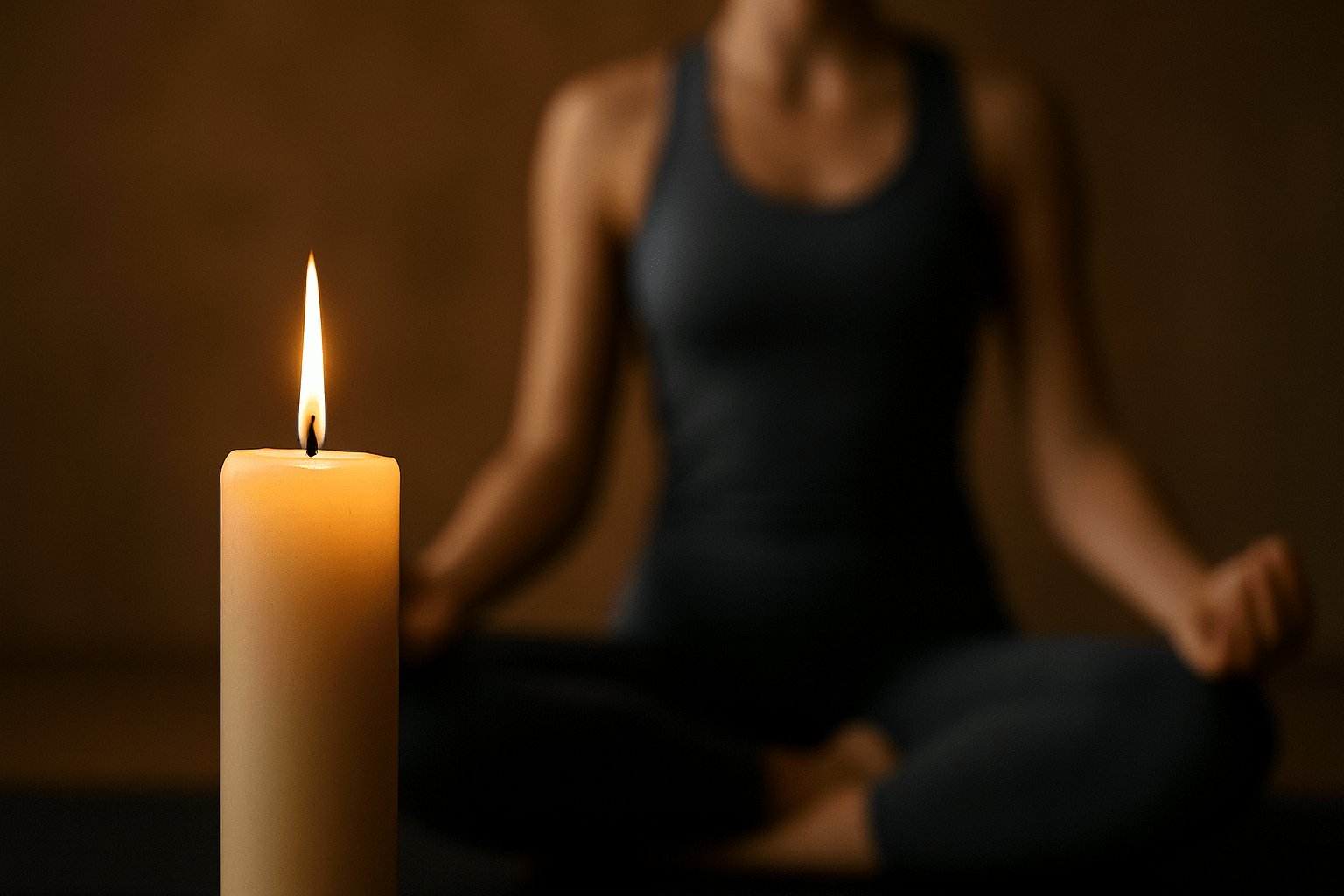
At first glance, Trataka seems simple. You sit. You place a candle in front of you. You gaze. You don’t blink. You don’t shift. You don’t run from the discomfort. You just stay.

But as any experienced teacher knows, simplicity is often the doorway to the profound.

Trataka means “to gaze steadily.” This practice comes from the Shatkarmas—the yogic cleansing techniques. But it’s more than a cleanse for the eyes. It’s a direct pathway to focus, dharana (concentration), and eventually dhyana (meditation).

For those on the yoga instructor meditation journey, Trataka bridges outer action with inner stillness.


Why Trataka Matters for Yoga Instructors

If you’re teaching meditation—or plan to through your training—it’s not enough to talk about awareness. You must embody it.

Trataka helps you:

  1. Sharpen mental clarity and reduce distractions
  2. Cultivate inner stillness through a physical gateway (the eyes)
  3. Develop deeper presence, which radiates into your teaching
  4. Unlock visual meditative states that support higher yogic practices
  5. Connect to the inner gaze—drishti—that fuels advanced sadhana

Let’s be honest: students today are overwhelmed. Eyes constantly darting from screen to screen. Minds leaping between tabs and tasks. Trataka is the antidote. And as an instructor, you are the one to transmit it—first by living it.

trataka for yoga instructors , trataka meditation

Your Eyes Are Not Just Eyes

Have you noticed how the eyes reflect your mental state?

Try this: Gaze into a candle for 2 minutes. Do nothing else.

Did you twitch? Blink? Look away?

Good. That’s your training ground.

In yoga instructor meditation, we often guide students inward by telling them to “focus between the eyebrows” or “visualize the breath.” But without a tangible practice like Trataka, that guidance may feel vague. Trataka gives form to the formless. It lets students see concentration.

And for teachers, it’s a diagnostic tool. If you struggle to gaze, your mind is scattered. And if you can’t stay with your own gaze, how will you help someone else meet theirs?


The Deeper Layer: Trataka as a Mirror

Here’s where Trataka moves beyond technique. The gaze becomes a mirror.

The flame doesn’t change. You do.

As you watch it flicker, emotions rise. Restlessness. Boredom. Self-doubt. These are not distractions—they are invitations.

The more you gaze, the more you see. And then something magical happens. You begin to feel as though you are being watched—by your own consciousness.

This is the essence of yoga instructor meditation: becoming the observer, then the observed, until both dissolve into one.


How to Teach Trataka in a Meditation Course

If you’re offering meditation guidance as part of your teaching, or taking a yoga instructor meditation training like the one at Online Yoga Life, here’s how to integrate Trataka:

  1. Start with the Setup
    Use a candle or a black dot on a white wall. Students should sit with the object at eye level, one meter away.
  2. Emphasize Stillness Over Time
    Quality trumps quantity. Begin with 1–3 minutes and work up to 10.
  3. Let the Tears Flow
    It’s okay if the eyes water. That’s part of the process—it cleanses the tear ducts and activates emotional release.
  4. Close with Internal Focus
    After the external gaze, close the eyes and visualize the flame in the third eye space. This inner visualization is where meditation begins.
  5. Encourage Reflection
    Let students share what came up. Trataka is revealing. It shows where we resist presence.

In our yoga instructor meditation course, we offer structured modules on Trataka—why it works, how to use it for different temperaments, and how to teach it with confidence.


Trataka and the Infinite

The title of this blog isn’t just poetic—it’s literal.

Gazing into a candle, you may begin with your eyes, but you end with your soul. The flame becomes infinite. Your mind dissolves into it. The gaze pierces the veils of identity and enters silence.

This is the space from which true teaching emerges. Not from memory or script, but from stillness. That’s the gift Trataka gives yoga teachers.


Why Our Course Emphasizes Trataka

At Online Yoga Life, our yoga instructor meditation course is grounded in classical, experiential methods. We don’t just “cover” Trataka—we dive into it. You’ll practice, reflect, refine, and learn how to teach it authentically.

Many modern yoga programs overlook these traditional gems. But Trataka, like many ancient tools, holds the power to transform how you guide others.

Whether you’re new to teaching meditation or deepening your current practice, Trataka is your silent partner. It keeps you honest. It keeps you focused. It reminds you that clarity doesn’t come from doing more—it comes from seeing clearly.


Final Thought: What Are You Really Looking At?

When you teach meditation, you teach vision—not with your eyes, but with your awareness.

Trataka teaches us to see again. Not just a flame. Not just the mind. But the infinite that’s been there all along.

So, the next time you sit with your students, remember this: before they can find peace, they must learn to gaze. Not outward, but inward.

And that begins with you.

If you’re ready to go beyond surface-level techniques and truly embody the depth of meditation, explore our yoga instructor meditation course at www.onlineyogalife.com.

Because Trataka isn’t just a method. It’s a doorway. And your students are waiting on the other side. 🕯✨


lifestlye habits, online meditation course , meditation training

Why You Can’t Meditate: Poor Diet, Sleep, and Lifestyle Habits Are to Blame

Kritika Bairagi | May 21st, 2025

Have you ever sat down to meditate—ready, focused, and excited—only to find your thoughts racing, your body fidgety, or your energy dull? You’re not alone.
The problem might not be your practice. It might be your lifestyle habits inner environment.

As yoga instructors and teachers, we often talk about stillness, awareness, and being present. But what we sometimes forget is that meditation doesn’t start when we close our eyes. It starts much earlier—with what we eat, how we sleep, and the way we live.

And that’s what makes our online meditation course different. It doesn’t just guide you into silence—it prepares your whole being to enter it.

Let’s dive into why creating the right inner environment is essential—and how diet, sleep, and lifestyle can either support or sabotage your meditation journey.


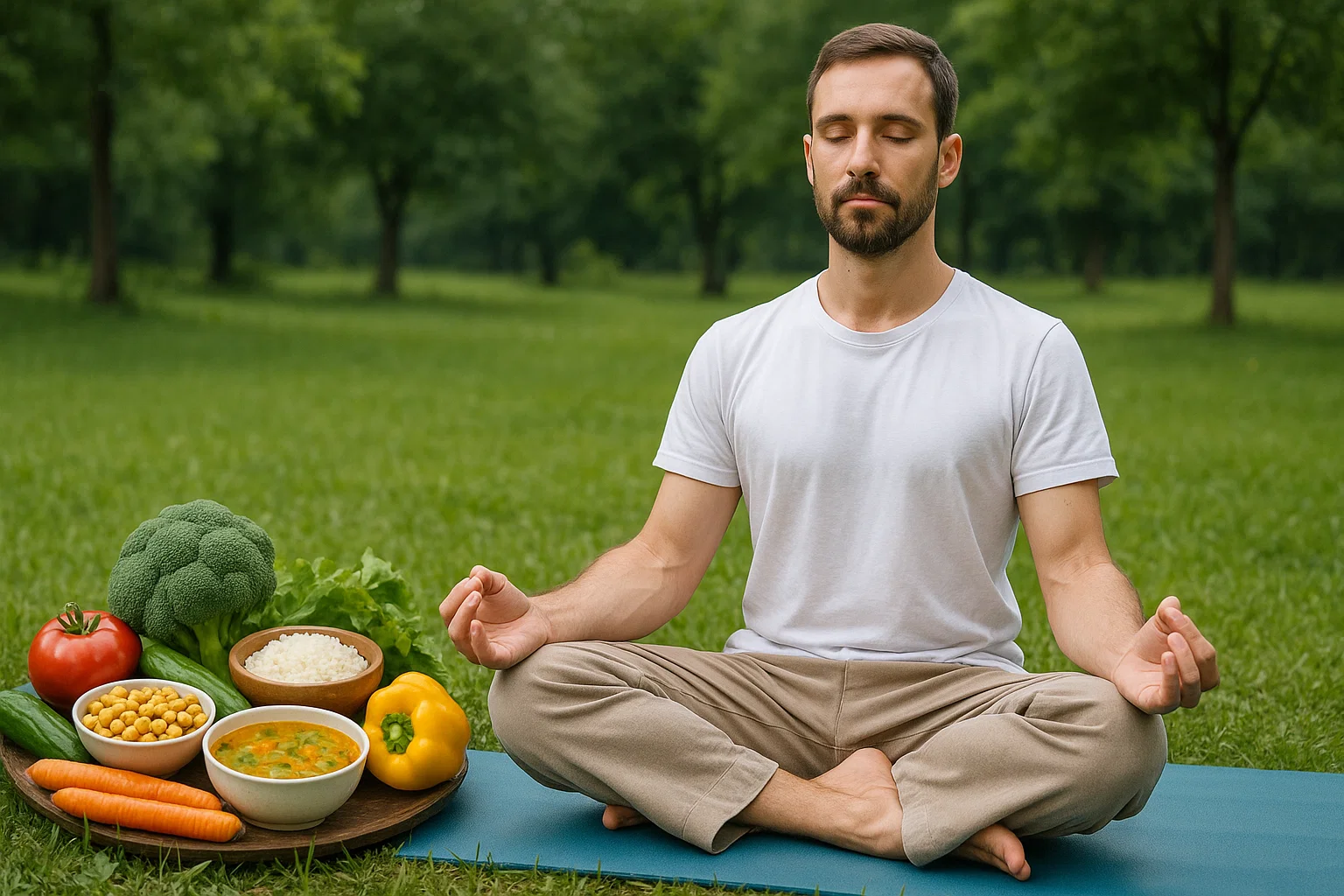
1. Meditation Needs a Prepared Body—And That Starts with Diet

You can’t meditate deeply if your body is inflamed, bloated, or craving sugar.

We’ve all had those days when a heavy meal made us feel sleepy or a sugar crash made us restless. As a yoga teacher or aspiring meditation instructor, you must understand that diet shapes your energy, and your energy shapes your meditative state.

✅ What the Yogic Diet Teaches:

  1. Sattvic foods (light, natural, nourishing) promote clarity, peace, and stillness.
  2. Rajasic foods (spicy, stimulating, caffeinated) can increase restlessness and anxiety.
  3. Tamasic foods (processed, stale, heavy) dull the mind and promote inertia.

In our online meditation course, we dive deep into the yogic understanding of food—not just what to eat, but when, how, and why. It’s not about restriction, but alignment. When your gut is clean and your prana flows freely, meditation becomes natural.


2. If You’re Not Sleeping Right, You’re Not Meditating Deeply

Lack of quality sleep is one of the biggest invisible blocks for yoga teachers today. You’re teaching classes, planning sequences, managing students, and possibly even working another job. You end the day exhausted—but wired.

The result? You wake up groggy. You try to meditate but your brain feels foggy. You sit still but your nervous system is jittery.

Here’s the truth:

Meditation isn’t a replacement for sleep—it’s a partner to it.

In our online meditation course, we help yoga instructors assess their sleep cycles using yogic principles. Through pranayama, evening kriyas, and specific meditation techniques, we help reset your internal clock.

We even cover how melatonin, cortisol, and circadian rhythms tie into ancient wisdom—so you understand not just the what, but the why.


3. Lifestyle Habits: Your Everyday Choices Are Your Meditation Teachers

Let’s be honest—many yoga instructors feel overwhelmed by modern life. Scrolling Instagram for yoga inspo, rushing to classes, skipping meals, forgetting to breathe.
Sound familiar?

The truth is, you can’t meditate if your life is chaotic.

Meditation reflects life, and life shapes meditation.

That’s why our online meditation course pays special attention to lifestyle as sadhana (spiritual practice).

We look at:

  1. How you spend your mornings (Are you tuning inward—or reaching for your phone?)
  2. Your energy hygiene (Are you taking in too much from students or social media?)
  3. The pace of your day (Are you sprinting through, or moving with awareness?)

When you adjust your lifestyle, you start to notice something beautiful:
You don’t do meditation anymore. You live it.


4. Inner Environment: The Soil Where Meditation Grows

Imagine trying to grow a lotus in dirty, stagnant water. Impossible, right?

Meditation is that lotus. And your inner environment—made up of your diet, sleep, and daily rhythm—is the water.

As yoga instructors, it’s easy to get caught up in teaching others and neglecting our own space. But remember: You can only take students as deep as you’ve gone yourself.

Our online meditation course is crafted for teachers like you. It’s not a passive program of watching guided meditations—it’s a complete transformation of your inner terrain.

We help you:

  1. Clean the diet clutter
  2. Sync your lifestyle with yogic rhythms
  3. Reclaim sacred rest
  4. Cultivate a peaceful, receptive nervous system

Only then does true meditation blossom.


5. Teaching Meditation? Start Living It

If you’re a yoga teacher who dreams of guiding others into deeper awareness, you must begin by creating the space within yourself. Students don’t just follow your words—they feel your energy.

The teachers in our online meditation course often say:

“I came to learn how to teach meditation, but I ended up learning how to live it.”

You don’t need to sit in a cave or fast for 40 days. You need to start with small, powerful shifts in how you eat, sleep, and live.


Ready to Become a Meditation Guide?

Our online meditation course is perfect for yoga instructors, wellness coaches, or anyone who wants to integrate authentic, grounded meditation into their teaching. You’ll learn how to:

  1. Prepare the inner environment for effective meditation
  2. Use diet and pranayama as preparation tools
  3. Build consistent inner stillness, not just occasional silence
  4. Guide students with confidence and clarity

By the end of the program, meditation won’t be something you “do”—it will be something you are.


Last Thought: The Stillness You Seek Is Waiting

You’re already on the path.
Now it’s time to remove the blocks.

Fix the food.
Clean the sleep.
Slow the pace.
And let your inner environment become fertile soil for awareness.

Explore our online meditation course today—and start living the meditation you’ve always tried to teach.

lifestyle habits, online meditation course, yoga teacher

DALL¡E 2025 03 03 20.59.15 A peaceful yoga retreat in a forest clearing where a small group of practitioners is engaged in a mindful yoga session. Sunlight filters through the Online Yoga Life

A Path to Deep Yoga Retreats : Guide for Yoga Teachers

Kritika Bairagi | March 3rd, 2025

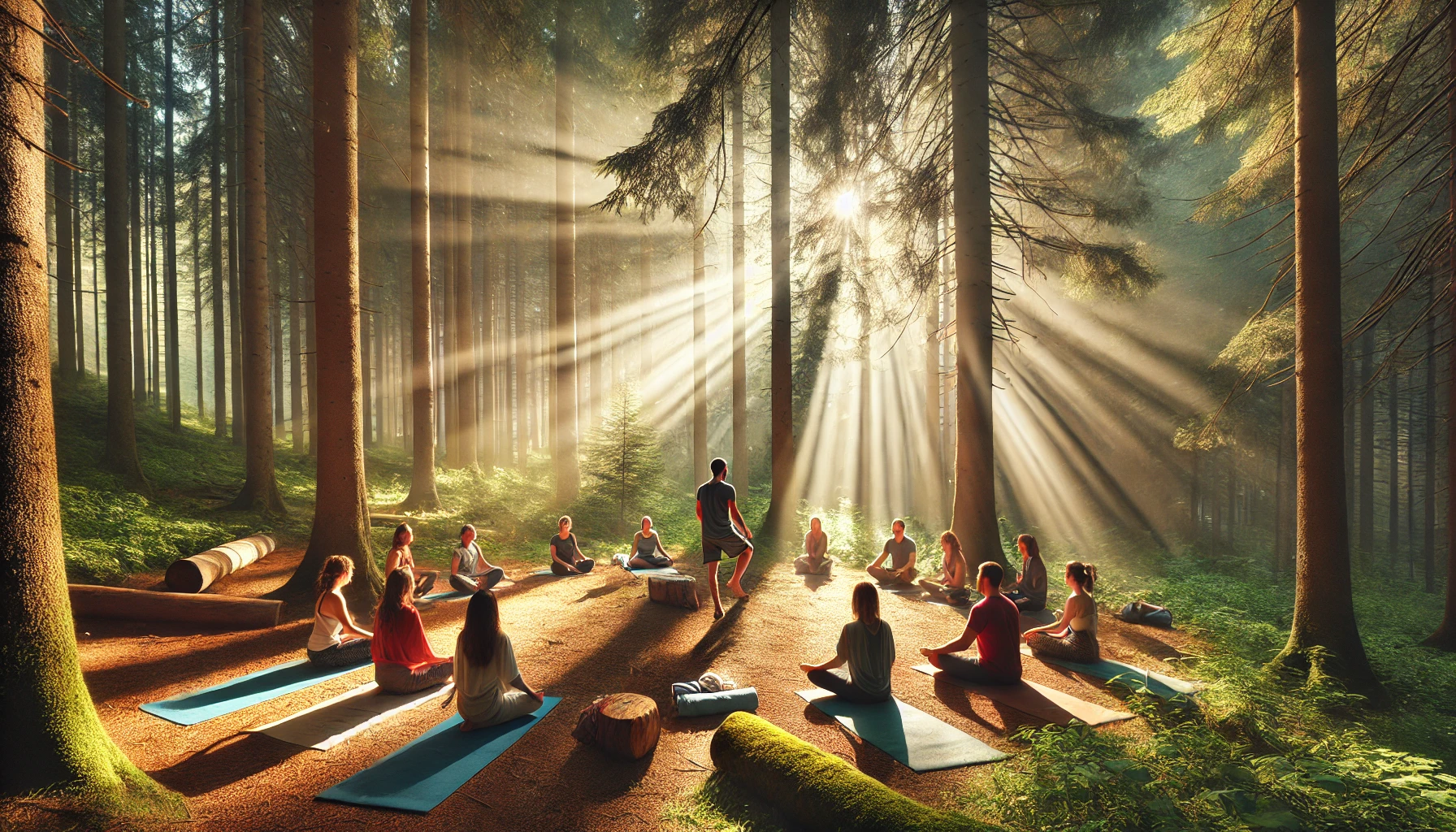
Imagine this—your students wake up to the sound of birds, surrounded by nature, breathing in the fresh morning air. No distractions, no deadlines, just pure presence. This is the power of a well-designed yoga retreat—it’s more than a getaway; it’s a life-changing experience. But as a yoga teacher, creating such an experience takes careful planning, heart, and a touch of magic. Let’s see How to Create a Life-Changing Yoga Retreat That Students Will Love

Whether you’re new to leading retreats or looking to refine your approach, this guide will walk you through the art of crafting a transformational Yoga Retreat—one that doesn’t just relax participants but leaves them deeply changed.


Before you pick a location or schedule classes, ask yourself—why are you leading this retreat?

A retreat without a clear purpose is like a ship without a compass. Are you aiming to help people deepen their practice? Heal from burnout? Connect with their spirituality? The more specific your intention, the more magnetic your retreat will be.

💡 Fact: According to a survey by the Yoga Alliance, over 55% of yoga practitioners seek retreats that offer personal growth and healing over simple relaxation.

Once you define the soul of your retreat, every other piece—location, schedule, activities—falls into place.


The setting of your retreat is half the experience. A yoga retreat in a busy city won’t have the same impact as one in the mountains, by the ocean, or in a peaceful countryside.

🌍 Top Destinations for Yoga Retreats:

  1. Bali, Indonesia – Lush, spiritual, and home to world-class retreat centers.
  2. Costa Rica – A paradise for nature lovers with stunning beaches and rainforests.
  3. India – The birthplace of yoga, offering authentic ashram experiences.
  4. Greece – Breathtaking ocean views combined with ancient wisdom.

But don’t just choose based on Instagram-worthy views—consider logistics, climate, and accessibility. The simpler it is for students to reach, the better.

yoga retreats

Too many classes? Your students will burn out. Too much free time? They might feel lost.

The key is balance—a mix of structured practice, free time, and meaningful activities. Here’s a simple structure:

Sample Daily Schedule:

  1. 7:00 AM – Sunrise Meditation & Pranayama
  2. 8:00 AM – Energizing Yoga Flow
  3. 9:30 AM – Healthy Breakfast
  4. 11:00 AM – Workshop (e.g., Mindfulness, Journaling, Ayurveda)
  5. 1:00 PM – Lunch & Relaxation
  6. 3:00 PM – Nature Walk / Excursion / Spa Time
  7. 5:00 PM – Restorative or Yin Yoga
  8. 7:00 PM – Dinner & Community Sharing
  9. 9:00 PM – Guided Yoga Nidra / Silent Reflection

💡 Tip: Incorporate local culture and nature—a beach meditation, a temple visit, or a hike can make the retreat unforgettable.


Many yoga teachers hesitate to charge what they’re worth, but remember—your knowledge and effort have immense value.

💰 Breakdown of Retreat Costs:

  1. Venue & Accommodation: 40-50%
  2. Meals & Catering: 15-20%
  3. Marketing & Admin: 10-15%
  4. Your Teaching Fee: 15-25%

💡 Fact: The average price for a 7-day yoga retreat is between $1,500 – $3,500 per person, depending on location and amenities.

To make your retreat accessible, consider offering early-bird discounts, group rates, or payment plans.


A fantastic retreat means nothing if no one shows up! Here’s how to get the word out:

✅ Leverage Social Media – Share behind-the-scenes prep, testimonials, and countdown posts. 

✅ Email Your List – A well-crafted email sequence can work wonders. 

✅ Partner with Influencers – A few shoutouts from the right people can fill your retreat fast. 

✅ Optimize Your Website – (like www.onlineyogalife.com 😉) to attract organic traffic.

💡 Tip: 90% of retreat bookings happen through word of mouth or social media—so engage your community!


People don’t just want a yoga retreat—they want a life-changing experience. This means creating moments of deep connection.

Ways to make your retreat unforgettable:

  1. Journaling Prompts – Self-reflection deepens transformation.
  2. Group Sharing Circles – Vulnerability leads to breakthroughs.
  3. Digital Detox – Encourage phone-free zones for real presence.
  4. Customized Attention – Help students with their specific struggles.

By the end, your students should leave lighter, inspired, and more connected to themselves.


The retreat might end, but the transformation doesn’t have to.

✔️ Create a WhatsApp or Facebook group for ongoing support.
✔️ Offer follow-up online classes to keep students engaged.
✔️ Give out personalized recommendations for their practice.

This builds lasting relationships—and ensures they come back for your next retreat! 🚀


Leading a transformational yoga retreat isn’t just about logistics—it’s about changing lives. When you approach it with clarity, passion, and care, your students will walk away with an experience they’ll cherish forever. And as a teacher, there’s no greater gift than witnessing that shift in them.

If you’re ready to take your teaching to the next level, explore Online Yoga Life’s teacher training programs at **www.onlineyogalife.com**—because the best teachers never stop learning. 🌿✨

yoga retreats

consistency in yoga , yoga instructor, growth

Consistency in Yoga: The Real Secret to Growth for a Yoga Instructor

Kritika Bairagi | February 27th, 2025

In yoga, consistency is the true secret to growth & development for a yoga instructor.

To be honest, starting anything fresh is exciting. Still, staying with it is important. Consistency in yoga is where the magic happens.

Likewise with yoga is not different. It’s not about your backbend’s depth on day one or your handstand’s holding capacity. It’s about turning up regularly even when you’re not feeling it.


Why Consistency Counts More Than You Know

Consider yourself starting a seedlings project. Not very much will happen if you water it once and leave. But if you provide daily sunlight, water, and care—that small seed will develop into something robust and exquisite. Your yoga practice operates the same way.

The truth is that we sometimes want for quick answers. One week in, we wonder—why isn’t my thoughts quiet yet? Why does my body feel rigid still? Still, your body and mind require time to adjust, much like that seed does. Show up consistently; change will follow.


The Trap with All or Nothing

Ever missed a yoga class and found yourself thinking, “Well, I missed today, might as well quit for the week.” That is the all-or-nothing perspective of thinking. And it’s a liar as well.

Perfect is not what yoga is all about. It’s concerning advancement. You may feel powerful and energized certain days. Other days you will hardly be able to stretch. That’s acceptable. Every bit matters. Better than none is even five minutes on the mat.


How can one establish yoga as a daily practice without feeling like a chore?

Tie it to something you already do—brushing your teeth? Try a short stretch right after. Enjoying coffee? Before that first sip, deliberately breathe. Little behaviors add up to major transformations.

Lower the Bar: You do not have to schedule daily one-hour sessions. Ten minutes could make all the difference.

Find What Feels Good: Change your practice if you dread it. Movement in love? More flow here. Want stillness? Get in meditation. Make yoga something you want to do, not something you have to.

Honor the Wins Got on the mat this morning. That is a victory. Before bed, stretched for five minutes. Still another success. Acknowledge your work even if it seems little.

DALL¡E 2025 02 24 21.19.27 A peaceful yoga practitioner sitting cross legged in meditation surrounded by nature with soft morning light. The environment is tranquil with birds Online Yoga Life

The Methodology of Repetition in Science

Regular yoga practice causes your brain to create fresh neural paths. Neuroplasticity—that is, the brain’s capacity for change and adaptation across time—is this. Like learning to ride a bike, the more you repeat a movement or a perspective, the stronger those brain links are.

Your muscles also acquire memories. Ever notice how a given posture grows easier with time? That is so because your body recalls what to do. More natural these motions become the more you practice, so lowering effort and raising elegance.


Transformational Stories Made Possible by Consistency

Many people arrive at yoga with specific objectives in mind—perhaps to manage chronic pain, increase flexibility, or lower stress. Those that persevere, however, usually discover something more deeper.

Consider Priya, for instance. She began yoga in hopes of easing back discomfort. First, it was difficult. She wanted to quit some days. She continued to show up nevertheless. Not only was her back discomfort gone a few months in, but she also felt psychologically stronger, more in touch with herself, and more patient with the ups and downs of life.

Or Raj, who battled panic disorder. First, meditation seemed impossible; his mind ran every time he sat motionless. Still, daily five-minute exercises changed something. He discovered times of peace when there had only been anarchy. His anchor now is his daily meditation.

These tales are not singular. They occur to everyone who keeps up their practice. And you can experience them too.


Real Results Results from Showing Up

The real force of consistency is in your shift, not in how your body transforms.

Yoga lessons self-acceptance, resilience, and patience. It is a trip, not a sprint. More you practice, the more you discover—it’s about what you learn on the way down, not about touching your toes.


Your Next Actions: Work Consistently for You

Start with “I’ll do yoga for 10 minutes, three times a week,” instead than declaring, “I’ll do yoga every day for an hour.” Little goals are more easily followed.

Plan it much as an appointment: See your yoga time as a nonnegotiable dedication. Mark blocks on your calendar and show up for yourself.

Look for a support network: Whether it’s an online yoga group, a friend, a teacher, or something else entirely, accountability helps.

Take care of yourself. Skipped a session? You have nothing to worry about. Just straighten out things the following day.

You should thus keep turning up. Even on the days you wish not to. Every time you walk onto the mat, you are developing. You keep changing. And the actual metamorphosis occurs here.

Explore our online programs at OnlineYogaLife.com if you are ready to advance your practice and create a consistent schedule. Your trip is just beginning now.

consistency in yoga . growth, yoga instructor

yoga instructor , sound healing

5 Magics of Mantras: A Yoga Instructor Guide to Sound Healing

Kritika Bairagi | February 17th, 2025

As a yoga instructor, I’ve experienced personally how effective mantras can be. Have you ever noticed how quickly a music can raise your mood? Or how a deep “Om” in class makes everything seem… calmer? That is the power of sound. And in yoga, we use it in the form of mantras—rhythmic chants that may appear incomprehensible at first but have powerful healing properties.

Mantras are more than just fancy words in Sanskrit. They are vibrations, frequencies that can influence how we feel, think, and even heal. Does this sound crazy? Let’s get into it.


What is a Mantra?

In my experience guiding kids, a mantra is more than just a chant; it’s a sound healing formula. Think of it as a password for your subconscious. When repeated, it creates a rhythm that relaxes the mind, transfers energy, and allows you to enter a deeper state of consciousness.

In Sanskrit, “man” signifies “mind,” and “tra” means “tool.” So, a mantra is a tool for the mind that keeps it focused, elevated, and free of superfluous chatter. In my seminars, I frequently use simple mantras to assist students attain inner quiet, particularly when their minds are racing.


How Do Mantras Heal?

Science backs it up! Sound therapy has been explored for its impact on the brain, neurological system, and even physical recovery. Many of my students tell me that even a few minutes of chanting makes them feel more relaxed, focused, and lighter in spirit.

Mantra chanting offers several benefits, including less stress and anxiety, improved attention and concentration, emotional balance, deep relaxation, better sleep, and a stronger immune system.

It’s similar to how a beloved music may quickly make you feel better—but on a deeper, more conscious level.


Why are mantras in Sanskrit?

You are not required to chant in Sanskrit, but there is a reason why yogis have used these ancient sounds for centuries. Sanskrit is classified as a vibrational language, with its sounds intended to produce specific energetic effects in the body and mind.

Think of it like this: Have you heard about binaural beats? What are the frequencies that can alter brain states? Sanskrit mantras function similarly, but they have been refined over thousands of years for healing and inner development. I encourage my students to experience the vibrations of the words rather than focusing just on their meanings.

DALL¡E 2025 02 17 16.34.19 A vibrant and colorful depiction of a yoga practitioner meditating with mala beads chanting a mantra. The background is filled with bold radiant ene Online Yoga Life

Popular Mantras and Their Meaning

Here are a few mantras that I frequently introduce in class, and why they’re so effective:

🔥 Om is the sound of the universe. Chanting it alone promotes inner peace and balance.

🙏 Om Namah Shivaya is a powerful mantra for transformation, strength, and releasing what no longer serves you.

🪷The Gayatri Mantra is believed to bring wisdom, clarity, and illumination into one’s life.

💖 So Hum– It means “I am that,” and it’s a lovely reminder of your connectedness to everything around you.

And if you find Sanskrit overwhelming, you can make your own affirmations and repeat them like a mantra! Words have power regardless of language.


How to Use Mantras in Practice

Mantras are not only for monks meditating in caves. You can use them at any time and from any location. Here’s what I teach my pupils.

🎶 Meditation Chanting: Close your eyes, focus on the chant, and allow it to guide you to stillness.

📿 Use mala beads for 108 repetitions. A terrific technique to keep focused and immersed in the vibration.

Listen to mantra music. Not into chanting? Not an issue. Playing mantra recordings while working or relaxing still has a significant impact.

💬 Repeat throughout the day – Try whispering “Om” or “So Hum” to yourself during stressful times. Instant resetting!


Begin Your Journey With Mantras

As a yoga instructor, I’ve witnessed how chanting may improve a student’s energy and perspective. Mantras are simple, effective, and accessible to everyone. You do not have to be a yogi or a Sanskrit scholar. You only need to be open to the experience.

So, why not try it? Take a deep breath, close your eyes, and repeat “Om.” Feel the vibrations. Allow it to settle into your body. Maybe even incorporate mantra chanting into your yoga practice.

If you want to understand more about the deeper science of sound healing, look into our teacher training programs at Online Yoga Life. We go beyond the positions to explore the genuine core of yoga, including the magic of mantras.

See you on the mat—or perhaps in the vibration of a chant. 🙏✨.

DALL¡E 2025 02 17 16.15.18 A calm and balanced yoga practitioner sitting in meditation chanting a mantra with mala beads. The background is neutral and serene featuring soft e Online Yoga Life

Anti- Aging , yoga poses

Yoga for Anti-Aging & Glowing Skin: Pose Ideas for a Younger Look

Kritika Bairagi | February 15th, 2025


Who wouldn’t desire that dazzling, new glow? In an attempt to achieve flawless, youthful skin, we spend a lot of money on skincare products, serums, and facials. However, what if I told you that there isn’t a bottle that holds the true secret to radiant skin? You have it on your yoga mat!

Yes, you heard correctly. Yoga is a natural anti-aging practice that improves circulation, lowers stress levels, and cleanses the skin from the inside out. It’s not only about stretching and meditation. So let’s begin if you’re prepared to forgo pricey products in favor of some easy yet effective yoga poses!


Let’s discuss why yoga is so beneficial for your skin before we get into the poses.

  1. Increases Blood Circulation: Your skin receives more oxygen and nutrients, which gives it a radiant, healthy appearance.
  1. Lowers Cortisol and Stress Levels: Less stress results in less wrinkles, fine lines, and breakouts.
  1. The body is detoxified by flushing out pollutants that might lead to acne and apathy.
  1. Harmonizes Hormones Clearer, healthier skin is the result of regulated hormones and a healthy stomach.
  1. Enhances Sleep: Yoga helps you achieve beauty sleep, which is real!

Let’s move on to the greatest yoga poses maintaining your skin;

Looking Young and Glowing.

1. Adho Mukha Svanasana, or the downward-facing dog

original yoga position. It’s like to giving your skin an immediate facial!

brings in more oxygen and nutrients by increasing blood flow to your face.

minimizes breakouts by relieving tension.

releases tension by stretching the spine (since stress also manifests on our skin!).

How to Complete It:

Tuck your toes and raise your hips toward the ceiling to begin on all fours.

A small bend in the knees is acceptable, but keep your arms and legs straight.

Breathe deeply and let your head rest loosely.


2. Matsyasana (Fish Pose)

Consider this the ultimate skin-refresher and heart-opener.

increases the face’s blood flow.

relieves stress and anxiety by opening up the chest and throat.

influences the thyroid gland, which is involved in the health of the skin.

How to Complete It:

Stretch your legs out while lying on your back.

Raise your chest while placing your hands beneath your hips.

With the crown sitting on the floor, tilt your head back.

Before letting go, hold for a few breaths.


3. Uttanasana, or the Forward Fold

This is the stance to choose if your skin needs a quick boost.

increases brightness by bringing new blood to the face.

reduces skin problems brought on by stress by calming the neurological system.

promotes healthy skin by aiding digestion.

How to Complete It:

Your feet should be hip-width apart.

Fold forward, hingeing at the hips, allowing your hands to touch the floor (or hold your elbows).

Breathe deeply and let your neck relax.


4. Sarvangasana, or shoulder stand

The queen of anti-aging stances is this one! By really reversing gravity, it makes you feel and look younger.

promotes lymphatic drainage, which lessens sluggishness and dreariness.

enhances the formation of collagen by increasing blood flow to the face.

aids in hormone balance, which is crucial for healthy skin.

How to Complete It:

Raise your legs toward the sky while lying on your back.

Stack your hips over your shoulders and use your hands to support your lower back.

Hold for a few breaths while keeping your chin gently tucked in.


5. Ardha Matsyendrasana, or twists

Cleanse, clean, clean! Twists aid in the internal and external cleansing of your system by eliminating toxins.

enhances digestion (clean skin is a sign of a healthy stomach).

eliminates toxins that can lead to dull skin and acne.

increases blood flow, giving your face a renewed radiance.

How to Complete It:

Place your foot over the other thigh, bend one knee, and sit with your legs outstretched.

With your opposing elbow outside the knee, twist your torso in the direction of the bent knee.

After a few breaths of holding, switch sides.


6. Face Yoga—Yes, It Is Real!

Your face has muscles that require stretching, just like the rest of your body!

Try these:

  1. The Lion’s Breath involves taking a deep breath, opening your mouth wide, sticking out your tongue, and then letting out a loud exhale. It enhances circulation and relieves strain.
  2. Cheek Lifts: Raise your cheeks after grinning as broadly as you can. Hold for ten seconds.
  3. Brow Smoother: To reduce wrinkles on your forehead, place your fingers on it and slowly slide them outward.
anti-aging , yoga poses

Yoga by itself can be quite beneficial, but you can enhance your glow by making a few easy lifestyle changes:

✨ Hydrate Like an Expert with Herbal Teas, Coconut Water, and WaterKeep your skin moisturized and plump.

Eat the Rainbow: Stuff your plate with of vibrant, nutrient-dense foods. Your skin will appreciate it!

🛏️ Get That Beauty Sleep: You cannot compromise on getting seven to nine hours of quality sleep.

Reduce harsh chemicals in your skincare routine by going natural. Nature is the wisest!


True radiance comes from inside, despite the cosmetic industry’s insistence that we require pricey chemicals to stay young. Yoga is more than simply a workout; it’s a way of life that benefits your skin, body, and mind. Now spread out your mat, inhale deeply, and allow your inner light to shine!

Do you want to advance your yoga practice? Explore the wonders of yoga for holistic wellness by enrolling in Online Yoga Life’s Online Yoga Teacher Training Course!

Now is the beginning of your glow-up trip. ✨


Aligning Asanas with Your Body Type

Dosha-Based Yoga Practice: Aligning Asanas with Your Body Type

Kritika Bairagi | February 8th, 2025


Ever feel like some yoga poses just don’t sit right with you? Like you’re fighting your own body instead of flowing with it? Well, it might not be you—it might be your dosha talking.

In Ayurveda, your dosha is your unique mind-body constitution, and it influences everything—from your energy levels to how you digest food (or emotions). There are three primary doshas: Vata, Pitta, and Kapha. And guess what? Your yoga practice should be tailored to your dosha for maximum benefits. Let’s dive into it!


Think of your dosha like your personal operating system. It’s the unique mix of the five elements—earth, water, fire, air, and space—that shape who you are.

  1. Vata (Air & Space) – Think of the wind: light, dry, and always moving. Vata types are creative, energetic, but can be easily anxious and ungrounded.
  2. Pitta (Fire & Water) – Like the sun, Pittas are warm, intense, and driven. They have sharp minds but can overheat—physically and emotionally.
  3. Kapha (Earth & Water) – Picture a mountain. Stable, strong, and nurturing, but sometimes a little too resistant to change.

Your dosha influences everything—your personality, your digestion, even your flexibility. Aligning your yoga practice with your dosha brings balance, not burnout.


Vata types are like butterflies—always moving, full of ideas, but sometimes forget to slow down. Their yoga practice should be grounding, steady, and warm.

Best Yoga Practices for Vata:

  1. Slow & Steady – Vata needs slow, mindful movements. Think of long holds in Tadasana (Mountain Pose) or Vrikshasana (Tree Pose).
  2. Grounding Poses – Forward folds and seated postures bring a sense of security. Try Paschimottanasana (Seated Forward Fold).
  3. Pranayama for Calmness – Deep belly breathing like Nadi Shodhana (Alternate Nostril Breathing) settles the restless mind.
  4. Savasana is Non-Negotiable – Vata tend to skip rest. Don’t! Longer Savasanas (10–15 mins) help soothe the nervous system.

Pro tip: Practice in a warm, cozy space to counterbalance Vata’s cool, dry nature.


Pittas are the go-getters. They push themselves hard, which is great—until they overdo it. Their yoga should be cooling, soothing, and surrendering.

Best Yoga Practices for Pitta:

  1. Less Power, More Flow – Intense workouts heat them up. Opt for cooling sequences like Moon Salutations instead of fiery Sun Salutations.
  2. Heart-Openers – Backbends like Ustrasana (Camel Pose) help release pent-up emotions and tension.
  3. Forward Folds to Chill Out – Janu Sirsasana (Head-to-Knee Pose) helps cool the nervous system.
  4. Sheetali Pranayama – The “cooling breath” (inhaling through a rolled tongue) works wonders for overheated Pittas.

Pro tip: Resist the urge to be competitive on the mat. Your practice is for YOU, not for showing off.


Kapha types are strong and steady, but they can easily get stuck in a rut. Their yoga should be invigorating, warming, and stimulating.

Best Yoga Practices for Kapha:

  1. Get Moving! – Kapha needs dynamic, energetic flows. Think Surya Namaskar (Sun Salutations) and Warrior Sequences.
  2. Inversions & Twists – Sarvangasana (Shoulder Stand) and Ardha Matsyendrasana (Seated Twist) help shake off stagnation.
  3. Ujjayi Breath – This warming breath technique keeps Kapha engaged and focused.
  4. Don’t Skip Savasana, But Keep It Short – A brief Savasana (5 mins) is enough; too long can make Kapha sluggish.

Pro tip: Practice in the morning to shake off sluggishness and boost energy for the day.

DALL¡E 2025 02 08 19.57.02 A peaceful yoga practitioner in a lush natural setting practicing different asanas based on Ayurvedic doshas. The scene includes three sections one Online Yoga Life

Most people aren’t just one dosha—they’re a mix. Maybe you’re Vata-Pitta (fiery but restless) or Kapha-Pitta (strong but intense). In that case, adjust your practice based on how you feel that day.

For example:

  1. Feeling scattered and anxious? Focus on grounding Vata.
  2. Feeling irritated and overheated? Go for cooling Pitta.
  3. Feeling lazy and heavy? Kickstart Kapha energy.

Yoga isn’t one-size-fits-all. Your perfect practice is the one that balances YOU. When you align your yoga with your dosha, you’ll feel more in harmony—in your body, mind, and daily life.

And if you want to learn more about how Ayurveda and yoga work together, check out our teacher training programs at Online Yoga Life. We dive deep into yoga therapy, Ayurveda, and how to create personalized yoga practices for yourself and your students.

So, next time you step on the mat, ask yourself—What does my dosha need today? Listen, adjust, and watch your practice transform.


What’s your dominant dosha? Have you noticed how different styles of yoga affect you? Drop a comment below—we’d love to hear your experience! 😊

asanas