About Yoga | Yoga Life Global

Category: About Yoga

Yoga Teacher Training

5 Yoga Teacher Training Myths You Need to Forget

Kritika Bairagi | December 28th, 2024


Yoga teacher training is a big step, but myths and misconceptions can cloud the experience. Whether you’re unsure if you’re “ready” or think it’s only for a select few, these false ideas can hold you back from something truly life-changing.

The truth is, yoga teacher training is for anyone who wants to explore yoga on a deeper level. Let’s dive into five common myths and why they simply don’t hold up.

According to a 2020 Allied Market Research report, the yoga industry generated revenue of US$ 37.46 billion globally in 2019. This is projected to increase to US$ 66.22 billion by 2027, recording an annualized growth of 9.6% from 2021 to 2027, according to the report that looks at both online and offline markets for yoga.


Many people believe yoga teacher training is only for experts who have years of practice and can flawlessly flow through advanced poses. Reality? It’s open to everyone.

The art of learning, not proving you’re great to begin with, is what yoga teacher training is about. Programs are put in place to make sure you grow, be it mastering foundational poses or more complex asanas. A flawless handstand and decades of experience aren’t needed; curiosity and willingness are enough.

Think of it this way: you wouldn’t wait to be a gourmet chef before attending cooking school, would you? Yoga teacher training is the same—it’s there to help you build your skills, not test them.


Here’s a surprising fact: a lot of people enroll in yoga teacher training without the idea of teaching. For a number of participants, this training serves more as an opportunity to intensify one’s own practice and expand the horizons of exploration about the philosophy, anatomy, and spirituality of yoga.

Throughout the program, you’ll learn how to teach others but in the process help yourself connect with your own practice. It is rather like learning how to cook a gourmet meal: You won’t open up a restaurant, but you still reap the benefits of knowing how it’s done.

And who knows? Many people start out wanting to learn for themselves and end up discovering a passion for teaching. The choice is yours.


Yoga asanas or poses are just one of the parts of the picture. Through yoga teacher training, you are introduced to the holistic side of yoga.

You will explore the eight limbs of yoga including ethical principles, self-discipline, meditation, and breathwork. There is emphasis on yoga philosophy, anatomy, and even the cultural roots of this ancient practice.

Sure, you’ll work on physical alignment and how to safely guide students through poses, but the training is equally about understanding yoga as a lifestyle. You’ll learn tools for mindfulness, stress reduction, and living with intention—skills that benefit every part of life.


This is far from being the case. Yoga teacher training is open to all and is irrespective of age, size, or flexibility.

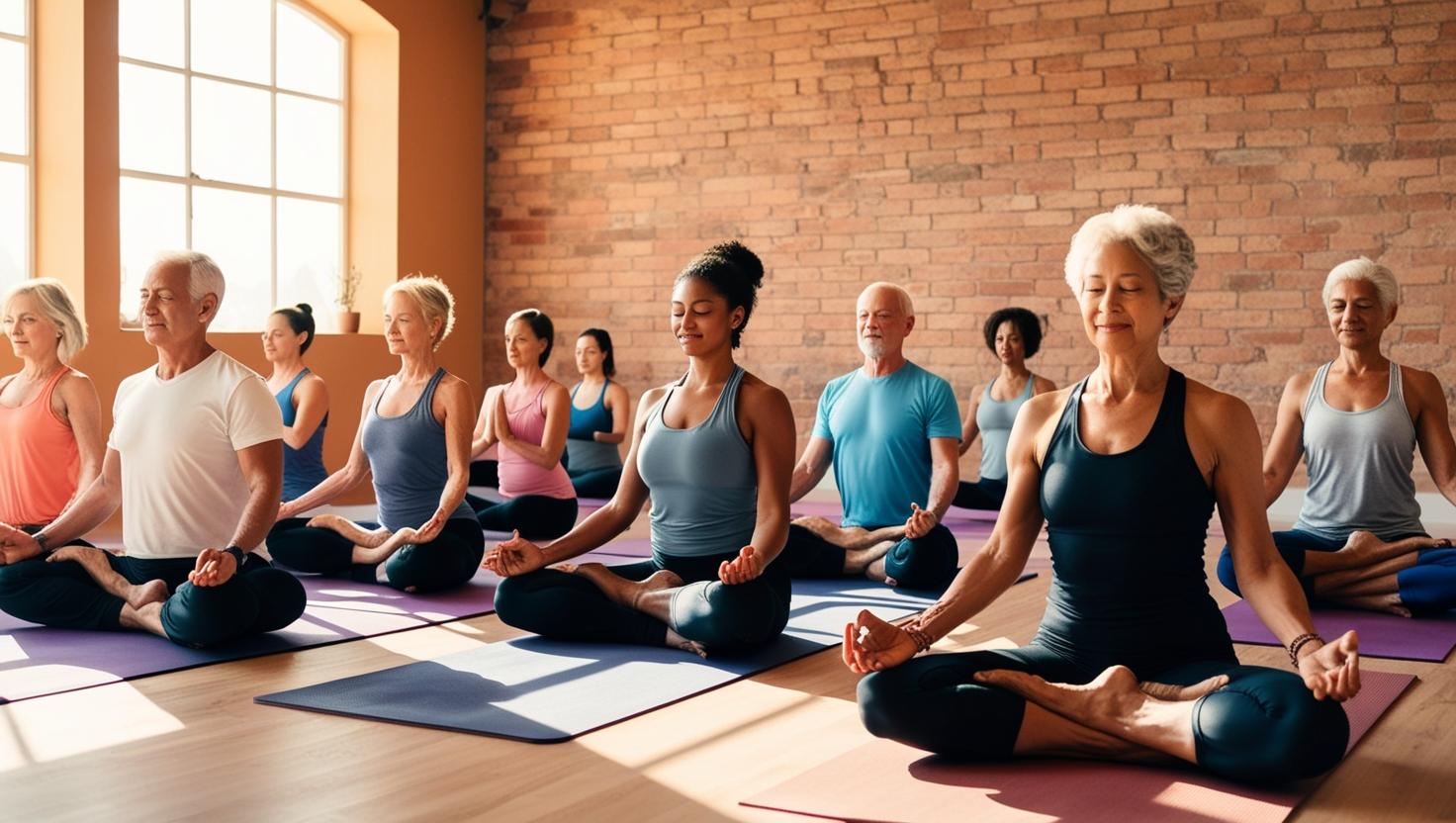
The diversity of participants really makes the training programs unique in itself. Whether in your 20s or 70s, you will find yoga adaptable for every body and ability. The practice of yoga teaching encourages you to honor your practice in both body and mind.

And let’s be real: most yoga students aren’t looking for a teacher who looks like a supermodel or bends like a gymnast. They want someone who can empathize with their journey and help them feel confident on their mats.


True, training as a yoga teacher requires an investment in time and money, but there are flexible options available.

Most programs offer part-time or weekend schedules for those really busy lives. And study from the comfort of home with online yoga teacher training, it fits your schedule rather than overwhelming your schedule.

You should think of it as a huge investment in yourself. Then there are scholarships, payment plans, and early bird discounts to ease the price tag. And if you do decide to teach, the training will most of the time pay for itself in the long run.

The real question is can you afford not to invest in your growth?

impact of yoga Online Yoga Life

Let’s step back and look at the bigger picture. Why do people choose yoga teacher training in the first place?

For many, it’s about self-discovery. Through learning yoga’s deeper aspects, you gain tools to handle stress, build resilience, and live a more balanced life. You’ll also meet like-minded individuals who share your passion, creating a sense of community that lasts well beyond the program.

But perhaps the biggest benefit of yoga teacher training is in how it can shift how you view yourself. As a reminder, it isn’t about perfection—it is about presence, growth, and connection.


A few months back, I weighed 65 kg, and the weight made me miserable. My life seemed to be a struggle—no clothes fitting, not being able to eat what I enjoyed, and lack of confidence. Everything changed, though, when I started working on my body, food, and lifestyle. Yoga turned into a potent weapon for change that enabled me to take charge of my well-being and medical state. It was about embracing yoga into my life, boosting confidence, and achieving balance—not only about losing weight.

Now, living a more confident and satisfied life with a greater awareness of my body and mind, I feel better than I have ever done. Yoga can transform your life as well as mine.


Improved Practice

You will learn to enhance your poses, align correctly, and modify yoga to fit different body types.

Deeper Understanding

Discover yoga philosophy, meditation, and the eight limbs of yoga.

Teaching Techniques

Learn how to plan class sequences, guide, and hold space for others.

Personal Growth

Most students report that teacher training is more about self-discovery than it is about teaching yoga.


If you’ve been holding back because of these myths, it’s time to let them go. Yoga teacher training isn’t just for the “elite yogis” or those aiming to teach professionally. It’s for anyone ready to explore yoga in a way that’s meaningful, personal, and transformative.

Are you looking for a program that fits into your lifestyle? YogaLife’s online yoga teacher training offers flexibility, expert instruction, and a supportive community to help you grow. Whether you’re looking to deepen your practice or start a teaching career, we’ll guide you every step of the way.

Don’t let myths hold you back—take the first step today!

Yogalife Ashram Barazil Online Yoga Life

Yoga Instructor guide for 5 vaayus

The 5 Vaayu in Yoga: A Yoga Instructors Guide

Kritika Bairagi | December 25th, 2024


If Yoga were a symphony, the 5 Vaayus would be its melodies – the subtle winds orchestrating the body’s rhythm and energy flow. These “winds” or “currents” are poetic metaphors and the building blocks of life itself, guiding essential functions like breathing, digestion, and movement. For a yoga instructor, understanding these Vaayus is akin to holding the blueprint of balance and vitality in the human body.At Online Yoga Life, we believe that every yoga instructor can unlock the magic of these ancient concepts to create truly transformative classes. Let’s journey into the heart of the 5 Vaayus and discover their significance in Yoga and daily life.


The word “Vaayu” translates to “wind” or “air,” representing the five primary movements of prana (life force energy) in the body. Think of them as invisible energy streams that fuel everything from your first breath to your deepest meditation. Each Vaayu or Prana governs specific physiological and energetic functions, and understanding them can deepen a yoga instructor’s approach to teaching.

Here’s a closer look:

Location: Chest and heart region

Function: This is the force of inward movement – it governs breathing, sensory intake, and energy absorption.

Yoga Practices:

Asanas: Bhujangasana (Cobra Pose), Matsyasana (Fish Pose)

Pranayama: Ujjayi breathing, Anulom Vilom

Analogy: Imagine Prana Vaayu as the act of drawing water into a well. It brings life-sustaining energy into the body. A yoga instructor might encourage students to focus on deep, intentional breaths during asanas to stimulate this energy and awaken vitality.


Location: Pelvic region

Function: The force of downward and outward movement, Apana governs elimination, detoxification, and reproductive functions.

Yoga Practices:

Asanas: Malasana (Garland Pose), Janu Sirsasana (Head-to-Knee Pose)

Pranayama: Kapalabhati, Bhastrika

Analogy: Think of a river clearing debris as it flows downstream. Apana Vaayu works to release toxins and create space for renewal. As a yoga instructor, teaching poses like Malasana can help students feel lighter and more grounded.


Location: Navel and digestive area

Function: This is the balancing force, helping to assimilate and distribute energy through digestion and transformation.

Yoga Practices:

Asanas: Navasana (Boat Pose), Trikonasana (Triangle Pose)

Pranayama: Nadi Shodhana (Alternate Nostril Breathing)

Example: Picture a fire in the belly converting raw ingredients into nourishment. By engaging Samana Vaayu through practices like Trikonasana, a yoga instructor can guide students to strengthen their core and digestive system.


Location: Throat and head region

Function: Governs upward energy, self-expression, and higher consciousness.

Yoga Practices:

Asanas: Sarvangasana (Shoulder Stand), Ustrasana (Camel Pose)

Pranayama: Brahmari (Humming Bee Breath)

Analogy: Think of Udana Vaayu as a kite soaring upwards. It inspires creativity and communication. A yoga instructor might integrate Udana-centric practices to help students unlock clarity and confidence in their expression.


Location: Entire body

Function: Oversees circulation, coordination, and integration of all energies.

Yoga Practices:

Asanas: Tadasana (Mountain Pose), Virabhadrasana (Warrior Pose)

Pranayama: Full Yogic Breath

Example: Envision water flowing evenly through an intricate irrigation system. Vyana Vaayu ensures harmony and balance throughout the body. Incorporating Vyana-focused techniques, such as Tadasana, helps students feel steady and centered.


For a yoga instructor, the 5 Vaayus are more than just philosophical concepts; they’re practical tools to:

Customize Classes: Address specific student needs, from stress relief to improved digestion.

Enhance Teaching Impact: Bring depth and authenticity to your sessions by integrating subtle energy work.

Foster Holistic Wellness: Help students achieve harmony on physical, emotional, and spiritual levels.

At Online Yoga Life, our teacher training courses are designed to empower yoga instructors with this profound knowledge. Whether you’re teaching online yoga classes or in-person sessions, the 5 Vaayus can elevate your practice and inspire your students.


Incorporating the 5 Vaayus into your teaching doesn’t have to be complicated. Here are some tips:

  1. Start with Awareness: Begin your class with a brief introduction to the 5 Vaayus, helping students visualize these energy flows.
  2. Pick a Theme: Dedicate a session to one specific Vaayu. For example, focus on detoxifying poses and Kapalabhati to activate Apana Vaayu.
  3. Blend Techniques: Combine asanas, pranayama, and meditation for a well-rounded approach.
  4. Create Real-Life Connections: Share examples of how these practices can enhance daily life – such as improving digestion or boosting mental clarity.
  5. Encourage Reflection: End with a guided meditation, inviting students to notice subtle shifts in their energy.
  6. Incorporate Visuals: Use diagrams or descriptions to help students better understand where each Vaayu operates within the body.

A yoga instructor’s role is not just limited to guiding students through asanas; it’s also about helping them integrate Yoga into their daily lives. Understanding the 5 Vaayus can help students make these connections:

Prana Vaayu: Encourage students to practice mindful breathing during moments of stress, like before a presentation or meeting.

Apana Vaayu: Highlight the importance of detox practices, such as drinking warm water in the morning or engaging in poses that encourage elimination.

Samana Vaayu: Teach students to cultivate gratitude during meals, emphasizing how digestion begins not in the stomach but in the mind.

Udana Vaayu: Encourage journaling or chanting practices to support self-expression and emotional release.

Vyana Vaayu: Inspire students to embrace activities that promote full-body movement, like walking or dancing, alongside their Yoga practice.

By tying these ancient concepts to modern habits, a yoga instructor helps students feel the relevance of the 5 Vaayus in their everyday lives.

YOGA INSTRUCTOR GUIDE TO 5 VAAYUS

Becoming a truly impactful yoga instructor means continuously expanding your knowledge and skill set. At Online Yoga Life, our teacher training programs cover:

In-Depth Modules: Explore the 5 Vaayus and their applications in modern Yoga.

Practical Guidance: Learn how to seamlessly integrate these concepts into your teaching.

Flexible Learning: Access online yoga classes at your own pace, from anywhere.

With over two decades of experience, we’ve helped countless yoga instructors worldwide refine their practice and share the beauty of Yoga with their communities.


Why do the 5 Vaayus matter today? Because they offer:

Stress Management: Practices targeting Prana and Apana Vaayus can calm the nervous system and reduce anxiety.

Enhanced Vitality: Engaging Samana and Vyana Vaayus boosts digestion, circulation, and energy levels.

Personal Growth: Tapping into Udana Vaayu nurtures creativity and spiritual awareness.

For a yoga instructor, understanding and working with these energies is a journey of mastery – one that deepens your connection with your students and the timeless wisdom of Yoga.


During one of my teacher training sessions, a student approached me with concerns about feeling lethargic and unbalanced. By introducing her to the concept of the 5 Vaayus, we created a tailored practice focusing on Prana and Samana Vaayus. Within weeks, she reported not only increased energy but also a newfound appreciation for the subtleties of Yoga. This is the transformative power of understanding the Vaayus.

Start Your Journey Today

Are you ready to elevate your teaching? Join our Online Yoga Life Teacher Training Program Now!!!!

Untitled design 2 Online Yoga Life

Yoga Philosophy , Yoga

The 7 Pillars of Yoga Philosophy: Journey Through Their Evolution

Kritika Bairagi | December 23rd, 2024

Yoga philosophy is far more than a physical practice; it is a wealth of understanding. Yoga philosophy, an ancient Indian tradition-based comprehensive concept, was created to promote harmony in the body, mind, and spirit. Throughout the years, yoga philosophy has evolved, adapting to the changing demands of humanity while remaining true to its essential ideas. In this post, we will trace the seven foundational pillars of yogic thought from antiquity to present times.


  1. The Roots: Samkhya Philosophy and the Origins of Yoga

The concept of yoga is strongly tied to Samkhya, India’s earliest school of thinking. Samkhya, founded by the sage Kapila, offers the framework for understanding dualism in terms of Purusha (consciousness) and Prakriti. According to ancient scriptures, yoga as a practice broadens this framework by providing practical means for obtaining Moksha – a release that occurs when these two beings reunite.

The Yoga Sutras of Patanjali, written around 200 BCE, formalize this unification. Patanjali describes the eight-fold path (Ashtanga Yoga) as a methodical approach to self-realization. This literature has become the core of classical yoga, emphasizing discipline, ethical conduct, and contemplative absorption.


  1. The Upanishadic Influence: Broadening the Vision

The Upanishads, written between 800 and 400 BCE, marked a turning point in ancient Indian thought. These writings investigate the most fundamental metaphysical problems about the nature of the self (Atman) and ultimate reality (Brahman).

Yoga Philosophy, as described in the Upanishads, is no longer viewed solely as a method of physical and mental discipline, but also for spiritual enlightenment. For example, the Katha Upanishad introduces the image of the inner self as a charioteer controlling the mind and senses, confirming yoga’s purpose as a tool for self-mastery.


  1. Bhagavad Gita: The Yoga of Action, Knowledge, and Devotion

The Bhagavad Gita, a portion of the epic Mahabharata, presents a practical and inclusive yoga philosophy that transforms yogic practice. The Gita, written circa 400 BCE, focuses on three basic paths of yoga:

– Karma Yoga: The practice of unselfish action.

– Jnana Yoga: is the yoga of wisdom and knowledge.

– Bhakti Yoga: The practice of devotion and surrender.

Lord Krishna teaches such integrating qualities in the Gita, which enable people to live lives of balance and purpose. This divine Geet sung by Shri Krishna’s inclusive attitude has made it a timeless guide for all those seeking spiritual fulfillment.

DALL·E 2024 12 23 20.04.59 A vibrant and detailed depiction of a serene yogic scene from ancient India featuring a sage meditating in lotus pose on a stone platform near a rive Online Yoga Life

  1. Tantra and Hatha Yoga: Becoming Divine

Around the sixth century CE, Tantra arose as a transformative force in yogic thought. Tantra honors the physical body as a sacred vessel and emphasizes the individual’s oneness with the universe. It introduces methods like as mantra chanting, visualization, and ceremony to help awaken spiritual energy (Kundalini).

Hatha Yoga, influenced by Tantra, emphasizes physical postures (Asanas), breath control (Pranayama), and energy locks (Bandhas). Texts such as the Hatha Yoga Pradipika (15th century CE) describe these procedures, emphasizing the significance of harmonizing the body’s energies for spiritual development.


  1. Modern Revival: Swami Vivekananda and the Global Spread of Yoga

The late nineteenth and early twentieth centuries saw a renaissance in yoga philosophy as a result of visionaries such as Swami Vivekananda. Swami Vivekananda introduced the world to the essence of Vedantic and yogic thought at the Parliament of the World’s Religions in 1893.

This marked the beginning of yoga’s global expansion. Vivekananda’s lectures on Raja Yoga, or the path of meditation, were enthusiastically received in the West, helping to transform yoga from a traditional spiritual practice into a healthy lifestyle.


  1. Integrating Science: Yoga in the 20th Century

The twentieth century saw the merging of traditional wisdom and modern science. Yogic practices were studied for their physical, psychological, and medical advantages.

Some gurus, such as Tirumalai Krishnamacharya, are regarded as the fathers of modern yoga and played significant roles in this transformation. His pupils included B.K.S. Iyengar and Pattabhi Jois, who popularized several variants of Iyengar Yoga and Ashtanga Vinyasa Yoga, emphasizing precision, alignment, and flowing motions in yoga philosophy.

Yoga’s effectiveness in stress management, mental health improvement, and physical fitness has been confirmed via scientific studies. This scientific validation has strengthened yoga’s significance in modern times.


  1. The Digital Age: Yoga for Everyone and Everywhere

Yoga has become more accessible than ever in the twenty-first century, thanks to technological advancements and globalization. Millions of people around the world may now practice yoga thanks to online platforms, apps, and social media.

Yoga philosophy has evolved to address contemporary issues such as environmental sustainability, social justice, and mental health. Mindfulness, a form of yogic meditation, has become an essential component of personal and professional development.

Simultaneously, ancient disciplines are not forgotten. Some organizations, such as Online Yoga Life, continue to offer teacher training courses on how yoga can be utilized therapeutically, combining ancient wisdom with the demands of the modern world. Graduates of these schools learn how to use yogic practices to treat stress, sleeplessness, and chronic pain, among other ailments.


Yoga philosophy, which has its roots in Samkhya and the Upanishads, has evolved over time while maintaining its essence. It gives a universal foundation for achieving inner and outer harmony.

As yoga develops and evolves, its fundamental pillars remain as vital now as they were yesterday. You are either an experienced practitioner or a beginner who has heard about this concept and wishes to learn more; this will deepen and enrich your practice. To begin this journey, consider enrolling in a teacher training course at Online Yoga Life, where tradition meets innovation and ancient knowledge illuminates the path to modern wellness. Namaste!!


  1. Yoga Sutras of Patanjali: Translators and commentators include Swami Satchidananda, B.K.S. Iyengar, and Edwin Bryant.
  2. The Bhagavad Gita: Explore translations by Eknath Easwaran and Swami Prabhupada.
  3. Upanishads: Refer to works by Swami Sivananda or Eknath Easwaran.
  4. Hatha Yoga Pradipika: Commentaries by Swami Muktibodhananda and Swami Vishnudevananda.
  5. Samkhya Philosophy: Classical Indian philosophy through works by Radhakrishnan and Dasgupta.
  6. Swami Vivekananda: Collected works from Advaita Ashrama publications.
  7. Modern Yoga Pioneers: Books by B.K.S. Iyengar (e.g., Light on Yoga) and Pattabhi Jois for Ashtanga Yoga.

Yogic Routine (Dincharya)

4 Proven Ways a Yogic Routine Can Improve Your Life Today

Kritika Bairagi | December 20th, 2024

In today’s fast-paced world, people seek balance, health, and inner peace. A yogic routine can be the perfect solution; it offers a holistic method to enhance well-being by nurturing the mind, body, and soul.

Integrating yoga into your daily routine doesn’t require a huge time commitment—even a few simple practices can yield significant benefits. Let’s learn the four proven ways a yogic routine can positively transform your life starting today.


Modern life cannot avoid a lot of stress, but the yogic routine has proved to be the perfect antidote. Integrating asanas, pranayama, and meditation, yoga soothes the nervous system and lessens the levels of cortisol. The result is less stress and clearer minds.

Pranayama forms one of the most effective parts of a yogic routine in order to relieve stress. Practices like Nadi Shodhana (alternate nostril breathing) and Bhramari, or humming bee breath, help in keeping the mind calm by balancing it and in emotional management. Meditation, as one of the important principles, thus trains the mind to concentrate, hence developing clarity and reduction in overthinking.

Quick Tip: Begin your day with five minutes of meditation and three rounds of deep belly breathing. Adding this little to your yogic routine can make much more difference in how well you handle stress throughout your day.

Learn what experts say!!


A regular yoga routine thus promotes physical health by increasing flexibility and strength, and the sense of total vitality. Unlike other high-intensity workouts, yoga thus gently yet effectively tones up the muscles, increase mobility of the joints, and enhances cardiovascular health.

Asanas like Downward Dog (Adho Mukha Svanasana), Cat-Cow Pose (Marjaryasana-Bitilasana), and Sun Salutations (Surya Namaskar) target multiple muscle groups while enhancing posture and balance. Consistent practice also aids in detoxification, supporting digestion and circulation.

With yoga, people who have to sit for long hours or have contracted stiffness can feel instant relief. A little stretching and posing release all that tension in the neck, shoulder, and lower back, maintaining good posture of the spine.

Quick Tip: Add a 15-minute asana session to your morning or evening yogic routine. Emphasize gentle stretches that will help you get rid of stiffness and build strength over time.


The yogic routine has its reach beyond the physical to where emotional well-being is deeply influenced. This union of breath, movement, and mindfulness in yoga encourages emotional processing, releasing tension, and cultivating inner peace.

Heart-opening postures, such as Cobra Pose and Bridge Pose, facilitate emotional release, while mindfulness meditation fosters self-awareness and self-acceptance. Pranayama techniques, like Anulom Vilom, balance the emotional responses by balancing the left and right hemispheres of the brain.

Yoga’s ancient teachings emphasize non-attachment (Aparigraha) and contentment (Santosha), providing a mental framework to navigate life’s challenges. Over time, daily practice embeds these principles, fostering a more positive and balanced outlook on life.

Also read; Master the Yamas and Niyamas: A Path to Purposeful Living in Yoga

Quick Tip: Take out five minutes at the end of your yogic session for gratitude. Reflect upon your blessings in seated meditation or savasana; it grounds you emotionally.


Sleep problems plague millions of people worldwide, and many of them suffer from insomnia. Regular yogic practice can improve the quality of sleep manifold by quieting the mind and setting up the body for sleep. Specific yoga practices stimulate the parasympathetic nervous system responsible for the body’s “rest and digest” state.

Restorative yoga postures like Legs-Up-the-Wall and Child’s Pose are very effective for relaxation. These postures, along with Ujjayi or ocean breath, have a tendency to slow down the heart rate and keep the body in a state of relaxation. Yoga Nidra, also referred to as yogic sleep, is another technique that guides the mind into a profoundly restful state.

Quick Tip: Set up a night-time yoga routine of three restorative poses, soft pranayama, and five minutes of Yoga Nidra. It might help an individual sleep quicker and get up fresher.


It does not have to be overwhelming to start a yoga routine. Take small, achievable steps that will fit easily into your schedule. For example, you could start your morning with 5-10 minutes of Sun Salutations and end your evening with a few restorative poses or meditation. As you feel the benefits, you can gradually extend your practice.

Consistency will allow you to reap the full benefits of a yogic routine. Even short daily sessions of mindfulness and movement can create long-lasting positive changes in your life.


At Online Yoga Life, we pride ourselves on the support one can get from us in working towards developing a maintainable yogic routine appropriate for your life. Whether one is only a beginner or an established practitioner, our online teacher training courses provide courses of comprehensive modules on yogic routines and their benefits. Indeed, these courses cover such guidelines on the principles of yoga—from asana to pranayama and meditation—to holistic wellbeing.

With our courses, you will learn about how to establish a great routine for yourself and others. You will be empowered to spread the transformative power of yoga within your community. Join Online Yoga Life today to begin your journey toward a healthier and more balanced life.


Adding yoga into one’s daily schedule offers life-changing benefits in the form of reduced stress, improved physical health, emotional well-being, and improved sleep quality. These practices offer a holistic path toward wellness that helps an individual experience life-changing improvements.

Why wait to feel better? Make today the day you take the first steps in your yogic routine for a life that will astound you. Remember, all it takes is a drop of persistent effort.

Namaste.


yoga trends 2024

2024 Yoga Trends: What’s New in the World of Wellness

Kritika Bairagi | December 18th, 2024

As we know change is inevitable and one has to accept the fast-growing evolution to cope with the modern trends, similarly YOGA too has evolved and adopted new yoga trends in these modern times.  When yoga is back in vogue as a way of life and a comprehensive approach, it will once more be a powerful tool to achieve its benefits. Yoga practice, education, and everyday living will shape Yoga flow in 2024. 

Let’s talk about how yoga has evolved in the past months and what is our takeaway from the same. Regardless of your experience as a yoga practitioner, yoga teacher in training, or even just exploring yoga, some of these yoga trends are worth looking into.

Now, let’s discuss the rise of yoga and yoga trends and how to keep informed about related yoga trends using the content provided by Online Yoga Life.


After the advent of digital platforms, hybrid yoga classes have become the norm. Though it is possible to see and even act online, practitioners can only see and even act online but cannot modify yoga as a hectic lifestyle. To help users be more adherent to practicing at Online Yoga Life, we provide unlimited direct online yoga classes at the user’s fingertips based on training learned from certified teachers.


A yoga trend of 2024 is the growing application of yoga as a therapy. Yoga therapy has also been demonstrated as an effective supplementary treatment to the usual interventions for high blood pressure, chronic back pain, etc. We are offering our Online Teacher Training Programs (which is also available >yoga therapy program) and thus enable individuals, who have an interest in providing help to others through yoga, confidence to manage chronic conditions.


AI-based wellness programs with the highest level of personalization of yoga exercises based on the users’ own goals and the users’ data are increasingly popular, according to the users can be termed as a great yoga trend. These innovations make yoga more accessible and tailored. We merge traditional yogic wisdom knowledge from Online Yoga Life with contemporary thinking, utilizing diverse pedagogical techniques for the purpose that all students should acquire and experience these modalities.


The yoga-nutrition relationship is stronger than ever. In today’s world, an increasing number of people are learning that diet balance plays an important role in yoga’s efficacy. Our Holistic Nutrition Certification adds to and integrates with our yoga training to provide a synergistic wellness service that enables you to teach others how to live a joyful life.


Healing through yoga is another key yoga trend for 2024. Trauma-based yoga is characterized by the establishment of calming, safe, and protective environments to facilitate effective restoration. Looking at this transformational vista, our teacher training course delves into mental health and emotional health through the practice of yoga.


Yoga for the working individual has been provided in the corporate wellness offering proving to be one of the impactful yoga trends as of now. These brief, efficient tactics such as posture improvement and reducing stress, increase productivity. We propose that yoga be integrated into the daily flow of an individual’s working day at Online Yoga Life and we offer training that would allow you to become certified to teach yoga professionally.


Sustainability, more than just a way of life, has reached the next level beyond the mat for the practice of yoga. When eco-friendly yoga mats, props, and the practice itself are in line with local efforts to be more and more environmentally healthy, then the outcome is not a big issue for us. Integration of sustainable living advice into yogic teachings can have a powerful effect, and our training allows us to do so.


Inclusivity is increasingly recognized in yoga, there is a rising number of yoga classes available to people of all bodies and ages as well as people with disabilities. When designing participatory classes easy to learn and practiced by anybody, our teacher training program at Online Yoga Life teaches you that yoga must necessarily be suitable for everybody, our courses cover the latest Yoga Trends, ensuring you’re equipped to make a difference in the lives of others.


The appearance of the digital age has resulted in an explosion in the tech detox one of the embraced yoga trends. Yoga is a benign cognitive exercise involving mindfulness practices that serve to alleviate digital tedium. Learned practices such as pranayama (breathing practice) and meditation lead to healthier technology–person relationship—skills that we showcase during training.


The trail of slow yoga techniques or yoga trends, i.e., Yin Yoga and Restorative Yoga, is growing in popularity thanks to the current culture of speed. These exercises generate deep state (tapping and balancing) and thus are an obvious application for stress reduction. At Online Yoga Life, our programs include training in these gentle yet powerful styles.


Immersive virtual immersion and immersive (touch-and-feel) immersion experiences also are now starting to be joined by yoga retreats. Retreats are a manifestation of workshops, yoga, and individuation. Because of the nature of Yoga Life’s scalable courses, any user is motivated to run retreats in both virtual and non-virtual spaces.


Specialist yoga for various life stages (e.g., antenatal, postnatal, and elder/younger adults) is rising at an unprecedented rate. These specialized classes address unique physical and emotional needs. Our Online course is designed keeping in mind these yoga trends and it will also provide the confidence to also plan and teach it.


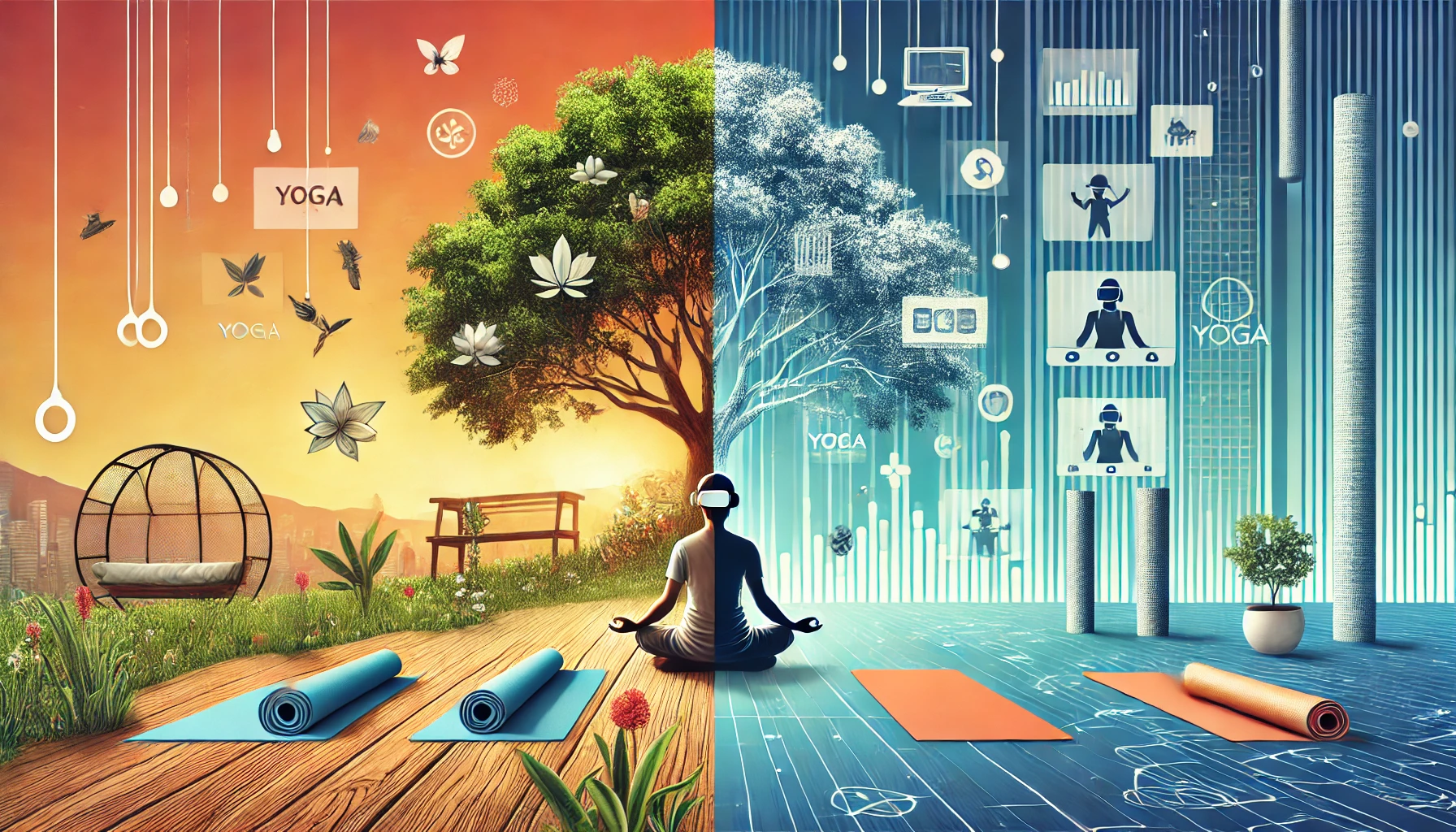
image illustrating the shift from traditional yoga practices to modern trends in yoga digital approaches 2 Online Yoga Life

The yoga world is a dynamic one, and to be competitive, one has to constantly learn and grow. Multimedia content and continuing professional development have been the core of online yoga teaching at Online Yoga Life since 1996 with over 100 centers in operation globally. Our Online Training Courses are developed for this contemporary yoga culture from the perspective of designing and looking to train a competent, responsible yoga teacher.

Yoga therapy, holistic nutrition, and accessible yoga adapted for everyone, our courses are up to date with the Yoga trends gaining traction so you’ll be prepared to change people’s lives. Ready to embark on your journey? To see what is all about our programs and to begin your transformation to evolve now, visit www.onlineyogalife.com.

Embrace the future of yoga trends—it’s time to lead the way!

7 chakras in teacher training.

7 Chakras Simplified: A Teacher Training Perspective

Kritika Bairagi | December 17th, 2024

The concept of Chakras has been at the heart of yoga and holistic wellness for many years. These energy points, emanating from the ancient Indian spiritual traditions, have been the subject of much yoga practice, meditation, and even some modern-day well-being methods. What are Chakras?

Understanding the chakras is paramount for the fledgling yoga teacher: it arms them with the power to take their students on a journey of physical and mental balance to spiritual realms. In this blog, we will break down the seven chakras and look at how they can be integrated into teacher training programs to ensure a solid foundation for future instructors.


The word “chakra” is a Sanskrit word that means “wheel” or “circle.” Chakras are wheels of energy running along the spine from the very bottom up to the crown of the head. These centers govern various parts of our physical, emotional, and spiritual health. Chakra studies help the trainees understand how energy flows across the body and how blockages in these flows may manifest themselves as either physical or emotional issues.

DALL·E 2024 12 17 15.55.42 An artistic and spiritual illustration of the 7 chakras of the human body but with a unique approach. Instead of a human figure represent the chakra Online Yoga Life

Let’s break down the seven chakras in a way that’s easy to understand and practical for training programs:

Location: Root of the spine

Color: Red

Element: Earth
The Root Chakra is about stability, security, and grounding. It’s the foundation on which all other chakras build. A balanced root chakra fosters a sense of safety and trust, while imbalances can lead to fear or insecurity.

For Teachers Training: Teach students grounding postures such as Tadasana and Virabhadrasana I to energize this chakra. Encourage students to visualize roots growing from their feet into the earth with every breath.


Location: Lower abdomen

Color: Orange

Element: Water
The Sacral Chakra is responsible for creativity, pleasure, and emotions. It deals with the flow of life and our ability to adapt to change. An imbalance here may result in emotional instability or a lack of inspiration.

For Teachers Training: Incorporate hip-opening poses like Baddha Konasana (Bound Angle Pose) and Utkata Konasana (Goddess Pose). Highlight the importance of fluid movements to help students connect with this energy center.


Location: Upper abdomen

Color: Yellow

Element: Fire
The Solar Plexus Chakra is the seat of personal power, confidence, and willpower. A balanced Manipura chakra helps individuals take charge of their lives, while imbalances lead to low self-esteem or excessive control issues.

For Teachers Training: Focus on core-strengthening poses like Navasana (Boat Pose) and Plank Pose. Emphasize the link between physical strength and inner empowerment.


Location: Center of the chest

Color: Green

Element: Air
The Heart Chakra bridges the lower and upper chakras, symbolizing love, compassion, and harmony. When balanced, it fosters healthy relationships and emotional openness; otherwise, it may cause feelings of loneliness or resentment.

For Teachers Training: Teach heart-opening postures like Ustrasana (Camel Pose) and Bhujangasana (Cobra Pose). Encourage students to practice loving-kindness meditation to deepen their connection with Anahata.


Location: Throat

Color: Blue

Element: Ether
The Throat Chakra controls communication, self-expression, and truth. A balanced Throat Chakra allows for ease in expressing oneself, while imbalances manifest as difficulty communicating or excessive talking.

For Teachers Training: Practice poses like Matsyasana (Fish Pose) and Sarvangasanaergy.


Location: Between the eyebrows

Color: Indigo

Element: Light
The Third Eye Chakra corresponds to intuition, insight, and inner wisdom. A balanced Ajna chakra enhances clarity and focus, while blockages may result in confusion or a racing imagination.

For Teachers Training: Incorporate meditative practices and poses like Balasana (Child’s Pose) and Uttanasana (Standing Forward Bend). Suggest journaling to develop intuitive awareness.


Location: Top of the head

Color: Violet or White

Element: Consciousness
The Crown Chakra concerns spirituality and enlightenment, connecting us to universal oneness. Imbalances can lead to feelings of isolation or disconnection from one’s purpose in life.

For Teacher Training: Focus on restorative poses like Savasana (Corpse Pose) and meditation practices. Discuss the significance of surrender and mindfulness for connecting with Sahasrara.


Understanding chakras is not merely about learning ancient philosophies but about applying them in modern yoga teaching.

  1. Holistic Teaching Approach: Chakra knowledge enables teachers to address physical, emotional, and spiritual growth.
  2. Personal Transformation: Chakras help trainees recognize and heal their imbalances, supporting personal growth.
  3. Class Planning: Chakra-based lessons can target students’ needs, whether grounding, empowerment, or relaxation.
  4. Therapeutic Applications: Chakra studies help instructors address stress, anxiety, and emotional challenges in students.

DALL·E 2024 12 17 15.57.39 An artistic and serene illustration of a yoga teacher guiding a group of students about the 7 chakras. The teacher is seated cross legged in a peacefu Online Yoga Life

Teachers can elevate their sessions by integrating chakra knowledge:

Theme Classes: Dedicate each session to one chakra with corresponding poses, meditations, and affirmations.

Visualization Techniques: Encourage students to visualize the color or symbol of the chakra they’re working on.

Sound Healing: Use bija mantras like “Lam” for the Root Chakra or “Om” for the Crown Chakra to enhance energy flow.

Guided Meditation: Lead students through meditations to balance all seven chakras.


Self-Practice: Regularly practice yoga and meditation, focusing on each chakra individually.

Study Resources: Explore books or workshops that dive deeper into chakra studies.

Experiment: Try pranayama, affirmations, and visualizations to balance your energy centers.

Observe Students: Tailor your teaching based on chakra imbalances in students.

Collaborate: Share insights with fellow trainees to broaden your understanding.


The seven chakras act as a roadmap for balance and well-being. Simplifying this wisdom into practical insights helps aspiring instructors connect deeply with themselves and their students. Whether grounding with the Root Chakra or seeking enlightenment through the Crown Chakra, chakras are transformative for both personal and teaching journeys.

Do you wish to know more about the chakras? 

Join the online teachers training program of Online Yoga Life and learn to weave chakra wisdom into your teachings. Grab this chance to start your journey today for transforming lives with the potent medicine of the chakras. 

Thank you! 

Yogic diet and nutritional healing

7 WAYS TO HEAL YOURSELF WITH THE YOGIC DIET

Kritika Bairagi | December 9th, 2024

Health is not simply the absence of disease, but a state of harmony and balance among the body, mind, and spirit. This balance can be achieved through a yogic diet ie; by combining yoga with the right diet.


Rooted in ancient wisdom, these practices emphasize the importance of nourishment and mindfulness for overall well-being. This guide blends the principles of the yogic diet and yoga to provide actionable steps for starting your healing journey.

Yoga, when combined with the principles of a balanced diet, creates a transformative path toward holistic health. Through yogic diet training, individuals can learn to integrate mindful eating with ancient practices to heal from within and achieve harmony in their daily lives. This guide explores how the right diet and yoga can revolutionize your approach to health and well-being.

In the yogic tradition, food is much more than a means to satisfy hunger—it is the energy source that directly influences the body, mind, and spirit. A proper diet, according to yoga, aligns with nature’s laws. This can be achieved through:

Wholeness: Eat foods in their natural, unprocessed form.

Freshness: Prioritize freshly prepared meals for better nutrition.

Medicinal Value: Choose foods for their healing properties.

Contextual Suitability: Adapt your diet to your climate, location, and activity level.

This mindful approach to eating nurtures harmony within the body and creates a strong foundation for yoga practice.

DALL·E 2024 12 09 21.05.30 A serene yoga scene featuring a person meditating outdoors in a lush green environment surrounded by vibrant fruits and vegetables symbolizing a bala Online Yoga Life

Ancient yogic texts like the Bhagavad Gita and Chandokya Upanishad classify food into three categories:

  1. Sattvic Food
    • Pure, wholesome vegetarian food that promotes mental clarity and inner peace.
    • Examples: Fresh fruits, vegetables, whole grains, nuts, and seeds.
    • Benefits: Calms the mind, reduces stress, and supports spiritual growth.
  2. Rajasik Food
    • Stimulating and energy-rich but harder to digest.
    • Examples: Spicy dishes, fried foods, sugary desserts, and non-vegetarian items.
    • Effects: Provides energy but may cause restlessness and instability if consumed in excess.
  3. Tamasik Food
    • Stale, processed, or reheated foods that dull the senses.
    • Examples: Canned foods, frozen meals, and leftovers.
    • Impact: Slows physical and mental processes and leads to lethargy.

A predominantly Sattvic diet is key to a yogic lifestyle and holistic health.

A healthy digestive system is essential for overall well-being. Disruptions in digestion can lead to various health issues, from minor discomforts to chronic illnesses. Yoga supports digestion through:

  1. Physical Postures (Asanas): Postures like Pawanmuktasana, Halasana, and Bhujangasana improve digestion by massaging internal organs and eliminating toxins.
  2. Breathing Techniques (Pranayama): Exercises such as Bhastrika Pranayama enhance oxygen flow, reduce stress, and stimulate digestion.
  3. Cleansing Practices (Kriyas): Techniques like Vaman Dhauti and Shankha Prakshalan detoxify the digestive tract.
  4. Rest & Relaxation: Fasting or fruit-only diets allow the digestive system to recover.

A balanced diet provides essential nutrients in appropriate proportions:

Carbohydrates: Energy source (found in rice, wheat, and potatoes).

Proteins: Support tissue repair and growth (found in beans, legumes, and nuts).

Fats: Reserve energy and protect organs (use healthy oils like olive and sunflower oil).

Vitamins and Minerals: Strengthen immunity and bodily functions (found in fruits, vegetables, and whole grains).

Fiber: Supports digestion (found in whole cereals and fresh produce).

Water: Essential for hydration, digestion, and temperature regulation.

Including these elements ensures complete nourishment.

yogic diet and nutirtion 1 Online Yoga Life

How you eat is as important as what you eat. Yogic wisdom recommends:

Eat Only When Hungry: Avoid snacking or eating out of habit.

Follow a Schedule: Stick to three main meals a day with adequate gaps.

Practice Mindfulness: Chew food thoroughly and savor its natural flavors.

Avoid Water During Meals: Drink water 30 minutes before or after eating to aid digestion.

Mindful eating prevents overeating and fosters a deeper connection with food.

Adopting a vegetarian lifestyle aligns with yogic diet principles and has many benefits:

Physiological Suitability: The human digestive system is best suited for plant-based foods.

Disease Prevention: Reduces risks of heart disease, obesity, and kidney stones.

Mental Health: Eliminates toxins that may affect clarity and emotional stability.

Environmental Impact: Contributes to ecological balance.

Studies show vegetarians often enjoy longer and healthier lives compared to non-vegetarians.

Yoga enhances the benefits of a proper yogic diet by improving physical vitality and mental balance. Together, they create a powerful combination for healing and growth.

Boosts Metabolism: Supports digestion and nutrient absorption.

Detoxifies the Body: Removes toxins through cleansing practices.

Relieves Stress: Calms the mind through meditation and breathing techniques.

Morning: Start with light stretches and breathing exercises.

Afternoon: Practice moderate asanas to aid digestion.

Evening: End with relaxation techniques and meditation.

Avoid Processed Foods: Reheated and canned items lose nutritional value.

Minimize Sugars and Fats: Excessive sugar and fried foods can lead to complications.

Be Present While Eating: Avoid eating when angry, upset, or distracted.

Include Sprouted Seeds: Boost vitality with vitamin-rich options.

Use Dry Fruits for Energy: Combat fatigue effectively.

Avoid Synthetic Additives: Stick to natural, whole foods.

Cook with Love: Positive energy in cooking enhances meal quality.

Healing is a journey of self-discovery, and with the right diet combined with yoga (yogic diet), you can cultivate lasting harmony in your body, mind, and spirit. Whether you’re aiming for better digestion, enhanced mental clarity, or overall well-being, these time-honored practices provide a holistic pathway to health.

For personalized guidance, reach out to Dr. Radheshyam Mishra (Guruji) today! With decades of experience in Yoga and wellness.

Under Guruji’s guidance, you can harness the transformative power of yoga and nutrition to heal yourself and embrace a balanced, vibrant life. Take the next step on your wellness journey—because health isn’t just about surviving; it’s about thriving!

Additionally, if you are interested in deepening your knowledge, we offer a Holistic Nutrition Certification. This course provides you with the tools to understand the relationship between yogic diet and wellness, enabling you to guide others in achieving a balanced and healthy lifestyle through nutrition.

Join our Yoga Teacher Training Program to deepen your understanding of the yogic diet and lifestyle

For more details visit; https://www.yogalife.co.in/

yoga therapy , certified yoga therapist

What is yoga therapy? A holistic approach to wellness

Kritika Bairagi | December 8th, 2024


Have you ever thought of yoga as a therapy? Have you ever thought of teaching yoga as a therapist? Yoga Therapy is a new area that integrates ancient wisdom with the latest healing approaches to meet specific physical, mental, and emotional health needs. Unlike traditional yoga which is performed for general well-being and fitness, Yoga Therapy is designed to cater to the specific needs of each individual and provide specific answers to health concerns.

Yoga Therapy is becoming more popular worldwide because of the growing demand for natural health remedies. As a yoga instructor or someone who wants to expand his or her knowledge, including Yoga Therapy certification in your training can lead to new career pathways and chances to improve other people’s lives.

In this article, we will examine Yoga Therapy, its unique benefits, and how you can improve your teaching skills through Yoga Teachers Training programs.

yoga therapy Online Yoga Life

While most people do yoga for general health and relaxation, Yoga Therapy goes a step further in the science of yoga. It is not just about postures and meditation; it’s about using these practices to heal. Here are some of the important differences:

Personalized Approach.

While most yoga sessions follow a set sequence of poses, Yoga Therapy customizes every part of the practice to meet a specific person’s health needs. It is tailored to the needs of each individual, whether they are recovering from an injury, dealing with anxiety, or managing chronic pain.

Therapeutic Focus

Yoga Therapy, unlike general yoga, which focuses on general well-being, is specifically designed to produce therapeutic effects. It is about helping individuals improve their quality of life through the resolution of specific health problems.

It combines ancient wisdom with modern medical understanding. Certified yoga therapists team up with healthcare professionals to facilitate recovery, making this a complementary practice that dovetails well with other treatments.

As people opt for alternatives to traditional medicine, the demand for certified yoga therapists is on the rise. Notably, it helps patients dealing with chronic pain, anxiety or depression, and those who suffer from stress.

Obtaining Yoga Therapy certification is crucial for those individuals wanting to profit in this emerging sector. Within the frame of a Yoga teacher training course, teachers are going to develop their abilities and widen their scope of practice. The yoga therapist is an educated practitioner of the healing method who has complete knowledge of the utilization of yoga to address and handle various conditions and imbalances from physical injury and mental disbalance.

The courses offered at Online Yoga Life have Yoga Therapy units where students learn to deal with therapeutic issues confidently and with knowledge. Our Yoga Therapist Certification is what will arm you to help people heal holistically.

yoga therapy 1 1 Online Yoga Life

Yoga therapy has various benefits not only for individuals dealing with certain illnesses but also for people wanting to live a balanced, healthy life. Here are some of the main benefits:

Chronic Pain Relief

The biggest advantage of Yoga as a Therapy is that it heals chronic pain, like back pain, arthritis, and headaches. It uses gentle movement and breathing techniques to reduce inflammation, promote circulation, and stimulate healing.

Stress and Anxiety Reduction

With the increased prevalence of stress and anxiety, Yoga as a Therapy offers a natural alternative. Relieving the nervous system through mindfulness of breathing and meditation techniques will further help alleviate physical body stress through certain yoga postures.

Flexibility and mobility improvement.

Yoga therapy is very good at increasing mobility, flexibility, and overall strength. Whether you’re healing from an injury or suffering from a condition like arthritis, it can help you restore movement and reduce stiffness.

Mental clarity and emotional balance.

Yoga therapy is more than just physical healing; it also enables people to cope with emotional and psychological disorders. The exercise encourages consciousness, which supports the control of emotions, clear thinking, and concentration.

Support for Chronic Conditions

Yoga Therapy supports patients with chronic diseases, such as cancer, heart disease, and diabetes. It helps in managing symptoms, and enhancing quality of life, and recovery.

Techniques for Yoga Therapy

Yoga as a Therapy involves far more than merely doing the physical postures. It comprises a range of approaches designed to address specific health issues:

Asanas (postures)

The carefully designed sequence of postures in Yoga Therapy targets the health concerns of the individual. Some positions might ease back pain, and enhance digestion or circulation, among other beneficial effects.

Pranayama (breathing techniques)

Breathing exercises are very important in Yoga Therapy. They regulate the neurological system, reduce stress levels, and increase lung capacity. Some common breathing techniques include diaphragmatic and alternate nostril breathing.

Meditation & Mindfulness

Meditation is very important for keeping the mind healthy. Often, mindfulness practices are a part of yoga as a therapy, as they help individuals become more aware of their thoughts and emotions, thus facilitating emotional healing and reducing stress levels.

Restorative Yoga

Restorative yoga focuses on deep relaxation. It is commonly used in Yoga Therapy for individuals who suffer from chronic conditions or are recovering from an illness. The method uses supports to allow the body to achieve easy poses, thus enhancing recovery through rest and regeneration.

Lifestyle and Dietary Suggestions

An important aspect of Yoga as a Therapy is providing integrated advice, which incorporates lifestyle changes and dietary advice. These tips help facilitate the natural healing process of the body and enable people to enjoy long-term wellness.

yoga therapist training a student Online Yoga Life

At Online Yoga Life, we understand that Yoga Therapy is a crucial resource for today’s yoga teachers. That is why we have added specific Yoga Therapy modules to our Yoga Teacher Training programs. Our Yoga Therapist certification program is designed to empower yoga teachers with the knowledge and skills needed to work with a wide variety of health issues using therapeutic yoga techniques.

Learn to assess individual health conditions and devise tailored yoga plans.

Dedicate learning about therapeutic yoga practice: asanas, pranayama, meditation, and restorative techniques

Scientific grounds for the benefits of Yoga Therapy for both somatic and psychological well-being.

This practitioner’s training program will arm you with skills to implement successful Yoga as a therapeutic tool to manage students’ and clients’ concern, and assist in healing and wellness in general.

Our Yoga Therapy certification is best suited for yoga teachers who wish to add more to their expertise and offer specialized therapeutic services.


Healthcare providers are seeking to incorporate holistic techniques into their treatment solutions.

Yoga enthusiasts who want to explore the deeper, healing aspects of yoga.

No matter what your experience is, if you are enthusiastic about utilizing yoga as a tool for healing, our Yoga Therapy certification will provide you with the tools you need to help others.

Yoga Therapy is an inspiring, transforming approach to wellbeing that can provide personalized, holistic treatments for a wide range of physical, mental, and emotional health issues. It improves one’s well-being and also prepares one to help others live a happier, more balanced life.

To apply, expand your knowledge of yoga therapy, and advance your yoga practice or teaching career, this is the opportune time for you. Learn more about our Yoga Teachers Training programs that may help lead you to becoming a yoga therapist and healer by logging in at www.onlineyogalife.com today!

Don’t miss this:

https://www.youtube.com/watch?v=RtJjTCrQbwY

Thank You!

teacher training , ytt.

Transformative Teacher Training: Master Yoga Philosophy & Ethics

Kritika Bairagi | November 9th, 2024

Yoga has grown from a specialized practice to a global phenomenon. People may come to yoga for physical health, stress alleviation, or flexibility, but what keeps them returning often goes beyond the physical practice. However, every asana, breathwork practice, and meditation is based on the age-old concept of a life built over thousands of years by the blood, sweat, and tears of hundreds of thousands of practitioners.

In this blog, we will go thoroughly into our course’s principles of yoga philosophy and ethics, how they apply to your everyday life and teaching, and what distinguishes us from other teacher training.

While yoga is frequently taught as a physical practice, its origins are more profound: an examination of the meaning of life, the nature of the mind, and the route to personal and spiritual development. A skilled yoga teacher’s head and heart must align with the concept of yoga for students to connect with the practice on a deeper level.

Therefore, the philosophy and ethics curriculum at the training facility is as follows:

1. Patanjali’s Yoga Sutras: Understanding the Eightfold Path.

Patanjali’s Yoga Sutras serve as the foundation for all yoga philosophy. Written almost 2,500 years ago, the sutras provide a systematic road to self-realization known as the Eightfold Path or Ashtanga.

8 limbs of yoga Online Yoga Life

Yama (Social Disciplines): The practices that promote harmonious relationships with society.

Niyama (Personal Disciplines): Practices for self-control and inner bliss.

Asanas (Postures); are physical practices that prepare the body for meditation.

Pranayama (Breath Control): Techniques for managing energy through the breath.

Pratyahara (Sensory Withdrawal): Inward turning.

Dharana (Concentration): Developing one pointedness

Dhyana (Meditation): Consistent focus that leads to profound serenity.

Samadhi (enlightenment): is the merging with universal consciousness.

These eight limbs define the practice of yoga, providing a framework for balanced living, integral personal development, and teaching. Each is thoroughly examined to understand its application and relevance in everyday life, relationships, and the teacher-student dynamic. By the end, you will have not only learned these ideas but also methods to apply them directly to your own life and lessons.

2. The Yamas and Niyamas: Ethics in Yoga

Yamas and Niyamas are the ethical rules that form the foundation of yoga philosophy. We emphasize these as important in our teaching: building trust and respect with your pupils and providing a safe and loving environment.

Ahimsa means nonviolence, which is the practice of kindness and compassion in thoughts, words, and actions.

Satya is selflessness and honesty with oneself and others.

Asteya is the state of growing gratitude and charity.

Brahmacharya (Moderation): Energy intelligence and the ability to avoid waste.

Aparigraha (non-possessiveness): The renunciation of material or emotional attachment.

Saucha (purity): cleanliness of the body, mind, and environment.

Santosha (Content): Gratitude and acceptance.

Tapas (self-discipline): Commitment to personal development

Svadhyaya (Self-Study): reflection on ideas, deeds, and purpose.

Ishvara Pranidhana (Surrender to a Higher Power): Accepting humility and having an increased faith in a better force.

As a responsible and ethical yoga teacher, you must understand these principles. Our training, which includes reflection exercises, group discussions, and real-world applications, prepares you to infuse these ethical ideas into all you do, not just your classes.

3. The responsibility of the teacher: Applying professional ethics

Ethics in the practice of teaching yoga transforms how we interact with students and create a space for their growth. Of course, the ethical professional qualities in our program build trust and mutual respect:

Confidentiality: Protecting all students’ information and secrets.

Boundaries: The appropriate physical and emotional bound class.

Non-judgment: There is no comparison, but rather an embrace of each path.

4. Bhagavad Gita: Lessons on Duty, Devotion, and Action

The Bhagavad Gita is an extremely rich literature for lessons on selfless behavior and obligation, often known as karma yoga. In our course, we read texts about how to balance personal goals with the larger good, what commitment entails, and how to keep one’s head in difficult times.

This is not only a formula for resiliency, but it also helps others navigate life’s ups and downs with knowledge and grace.

5. Applying Yoga Philosophy and Ethics to Modern Life

To teach yoga, philosophy, and ethics must be lived, not just abstract principles. Our teacher training curriculum incorporates practical projects, reflection activities, and group discussions to help you apply what you’ve learned to real-world situations. These will provide you with real-world examples of how these concepts can transform both your teaching and personal relationships into a qualified instructor and truly mindful teacher.

Choosing the correct training course can mean the difference in your yoga teaching career.

Yoga is much more than a practice; it is a journey of progress, both physical and spiritual. Since our organization’s start in 1996, we have pioneered yoga education, creating over 100 institutes that have spread true yoga over the world. Our programs have been guided by Guruji (Founder of YogaLife Global)  whose extensive knowledge and commitment to true classical yoga influence our teaching style. Our organization strives for excellence and authenticity in yoga, respecting both ancient wisdom and current teaching methodologies.

Here’s what makes our Online Yoga Teacher Training Course unique:

Our online teacher training gives students a strong foundation in yoga philosophy and ethics. Unlike more compact programs, ours delves into ancient texts and beliefs, leaving every graduate with a deeper understanding of yoga than just physical practice.

Theories are important but put them all into practice. We value hands-on approaches that allow you to use yogic philosophy and ethics in your teaching style and daily life. Our tasks and introspective exercises will help you live the values you’ll be teaching.

Although studying online might be solitary at times, our course is participatory, with live classes and Q&A sessions, as well as an active online community. Our curriculum will connect you with mentors and fellow students, allowing philosophy and ethics to flow freely.

Our instructors are experienced in both the philosophy of yoga and its practical applications. They bring years of teaching experience and deep knowledge of yogic texts, offering personalized guidance to help you embody these teachings in your unique way.

Our course is designed for real-life situations and allows you to learn at your own pace. With job, family, and other commitments to balance, our online approach allows you to complete your studies when it is most convenient for you, without sacrificing learning depth.

Our Online Yoga Teacher Training Course is based on Guruji’s goal of equipping students with a deep understanding of asanas, pranayama, and yoga philosophy through mentorship and community support. Whether you want to conduct a class, a retreat, or a therapy session, our training will enable you to effectively assist others. So consider Online Yoga Life to be the beginning step toward a rewarding and transforming career in yoga.

Our organization has decided to make the course available for those who can’t travel and also make it affordable because here you just pay for the course not for the accommodation, food and travel.

Today is the day it all starts when we open our doors to the delights and meanings imparted by yoga philosophy and ethics in every session we teach. Let’s start this transformation adventure together!

In addition to its physical fitness benefits, yoga promotes cerebral acuity, emotional strength, and spirituality. If someone wanted to have an impact on other people’s lives, there couldn’t be a greater approach than to teach yoga.

With our online teacher training course, you may turn your passion into a full-fledged career. From asana and pranayama to extensive yoga philosophy and a thorough understanding of ethics, this training will prepare you to teach with authenticity and confidence. Learn extensive knowledge and practical skills in a flexible format, surrounded by exceptional supervision and a community of committed yogis.

Whether you plan to teach in studios, lead wellness vacations, or run therapeutic sessions, our curriculum lays the groundwork for a brighter future. Join the Online Yoga Life team today to begin an exciting experience that supports your progress while also empowering others on their journeys. Accept the path to becoming a certified yoga instructor and begin pursuing the vocation you’ve always desired.

  • Yoga Sutras of Patanjali. Translations by various authors have contributed to the understanding of this foundational text, including B.K.S. Iyengar and Swami Satchidananda. Original text dates back to approximately 200 BCE.
  • Light on Yoga. Schocken Books, 1966. This text has been foundational for understanding asanas and the practice of yoga in a contemporary context.
  • The Science of Pranayama and Ethics of Yoga Practice. These works outline traditional pranayama techniques and ethical guidelines for practitioners and teachers.
  • Teachings, with the expert guidance of Dr. Radheshyam Mishra (Guruji), whose dedication and wisdom have inspired our mission and practices.
  • Additional teachings are drawn from lectures, workshops, and materials provided by our organization and its experienced faculty, many of whom have been personally trained by Guruji.
IMG 4862 Online Yoga Life

Back pain

5 Best Yogic Techniques for Relieving Back Pain: Posture and Spinal Health

Kritika Bairagi | October 10th, 2024

5 Best Yogic Techniques for Relieving Back Pain: Posture and Spinal Health


Table of contents:


      1. Introduction

      1. Causes and Triggers of Back Pain

      1. Care Tips-Critical for Prevention from Back Ache

      1. 5 Best & Effective Yoga Practices to Help Reduce Back Pain

      1. Yoga as a Holistic Solution for Chronic Back Pain


    Introduction:


    One of the most common health complaints of our time is back pain, which afflicts millions of people worldwide having perceived consequences caused by back pain . Whether it’s hours spent on an office chair or months carrying heavy loads or even years spent constantly slouching over a lab bench, working in a poor posture can really drop the quality of life of a person. Fortunately, many have changed course and learned to listen to their aches and pains; yet still too many go silently suffering or resorting to symptomatic relief from back pain that only hides the problem rather than finding the root of the problem.

    The good news, however, is that Yoga can help in dealing with spinal health and posture correction holistically so that one can avoid back pain and prevent future problems. Being the form of movement therapy, Yoga as exercise enhances the flexibility of the body, strengthens muscles, and gives an individual increased alignment in the body. With specific Yoga for back pain relief (Upper & Lower back) , breathing techniques, and meditation, one can bring the body to a harmonious state that will support the spinal system.

    This all-in-one guide discusses causes of back and vertebral pain, common treatments, and how yoga as a treatment can help decrease discomfort and allow for better flexibility and good posture through yoga. Additionally, for those who enjoy yoga or wish to teach it, we also include modules on managing back and spinal pain in our teacher training course in yoga using therapeutic techniques you can apply in your teaching practice.


    Causes and Triggers of Back Ache


    It is a multifactorial condition with a plethora of potential causes. It can run the gamut from merely feeling awkward to chronic aches that limit one’s capacity to perform his or her usual daily chores. Understanding the causes would help in treating and avoiding back and shoulder pain.


    Common Causes of Back and Shoulder Pain:


    Poor Posture: Slouching or sitting improperly for quite a long time exerts undue stress on the spine. This is the most common cause of both upper and lower back ache.

    Prolonged Sitting: Most of the time, people are found to sit for extended hours, especially at work. Weaker muscles make one’s back experience more strain.

    Injury and Trauma: Falls, sports, and occasionally poor lifting are among the causes that can lead to sprains, fractures, or displacement of parts in your spine

    Muscle Strain: Overstretching or overworking the muscles of the back causes pain and swelling.

    Herniated or Bulging Discs: This refers to tears or bulges in the cushioning discs in between vertebrae, thus putting pressure on nearby nerves and causing aching pains.

    Degenerative Conditions: As age advances, conditions such as arthritis, osteoporosis, and degenerative disc disease become more common; thus damaging spinal health.

    Stress and Tension: More often than not, the stress and tension are portrayed in physical terms, whereby primarily neck and shoulders muscles come hardened to create pain.

    While all of these contributing factors play a role in a situation of back and spinal pain, the root cause usually revolves around muscular imbalances and lack of movement. Here, practices of yoga for back pain relief as a regular regime can find answers to long-term relief through strengthening, flexibility, and proper body alignment.


    Traditional Treatments for Back Pain


    Many people rely on traditional medication to treat their condition of back and spinal pain which offers numerous options for treatment, but has side effects on your overall health in long run. some of which are:

    1. Analgesic and Anti-inflammatory Drugs: Examples of the analgesics available OTC or on prescription include ibuprofen and acetaminophen. These drugs help provide relief from pain and inflammation but only temporarily and do not cure the problem.

    2. Physical Therapy: A physiotherapist works closely with the patient to use postural corrections and strengthen the muscles which support the spine. Some exercises may include stretching, core strengthening, and low-impact aerobic physical activity.

    3. Chiropractic care: Chiropractors love stretching the vertebrate to put them back in realignment and proper functioning. Such a form of treatment may be helpful to some patients, but for it to be maintained over the longer term would have to go alongside other forms of treatment.

    4. Massage: Massage relaxes tense muscles, gets the blood flow going again, and gets the patients relaxed. Short-term relief can also be experienced through regular sessions; the patient continues being in pain unless habitual self-treatment through stretching is adopted.

    5. Heat and Cold Therapy: Applying heat or ice packs to affected areas minimizes inflammation and provides pain relief. Heat therapy enhances the flow of blood, while cold therapy helps in reducing swelling.

    Although these treatments solve problems at short-term intervals, they do not find an eventual remedy. Yoga is a preventive and therapeutic exercise that does not just provide relief but works in maintaining spinal overall health.

    What are side effects these medications causes in long run Read here.


    Care Tips-Critical for Prevention from Back Ache


    Besides Yoga, here are some simple practices that may be enough to prevent or control spinal pain:

    Maintain the proper sitting or standing posture. Your shoulders, hips, and head must be in the same plane. Always avoid slouching and use an ergonomic chair if such one is available.

    Engage in Regular Exercise: Stay active and ensure you incorporate stretches and strength training into your routine. Try to focus on building core strength to support your spine.

    Stretch Daily: Stretching helps release tension in your muscles and increases your range of motion. Yoga is an awesome way to stretch daily.

    Lifting Heavy Objects Correctly: Always remember to bend your knees and lift the object with your leg muscles rather than using your back muscles whenever you need to lift something heavy. The farther away the object is from your body, the more strain will be put on it and consequently additional pressure on your spine.

    Healthy Weight: For sure, overweight or excess body weight also causes added pressure on the spine. Maintaining a good diet and exercising regularly can help you maintain a healthy weight and therefore avoid back stiffness and pain.

    If you work at an office and spend most of your time sitting, get up and walk away from your desk to stretch up. It can really loosen up your back muscles so that you won’t feel stiffness.


    5 Best & Effective Yoga Practices to Help Reduce Back Pain


    YOGA TIPS FOR BACK ACHE

    Yoga tones up the weak muscles of the back, is an exercise to improve flexibility, and develops body consciousness. The following Yoga techniques may be practiced daily for relief from back discomfort as well as better posture. These techniques are part of our online yoga classes and we go deep into them in our course of yoga training to become a yoga teacher.


    1. Asanas of Yoga Poses for Back and Spinal Pain Relief

    Specific Yoga asanas for back and spinal pain relief that target all the muscles of the back and the core. These strengthen, stretch, and relieve the tension and pain in those areas. Some fundamental asanas are as follows:

    Cat-Cow Pose (Marjaryasana-Bitilasana): This is an easy movement that stretches and mobilizes the spine, enhancing flexibility and loosening up stiffness.

    Child’s Pose (Balasana): This is a restorative pose that lengthens the spine and lets go of the lower back’s tension, providing instant relief from discomfort.

    Downward-Facing Dog (Adho Mukha Svanasana): The entire back stretch can be seen in this foundational Yoga posture. It establishes alignment of the spine and strenthenes the core muscles.

    Bridge Pose (Setu Bandhasana): For the backbone, this pose strengthens the lower back muscles by aligning the backbone, improving posture, and taking some weight off your painful back muscles.

    Sphinx Pose (Salamba Bhujangasana): This is a milder backbend that will make it easier to open the chest. Sphinx stretches the lower back, fostering good spinal health and rids tension.

    These postures help reduce pain and build the strength and pliability to prevent future back problems. In our best yoga course, we have placed an emphasis on such poses to improve posture and healthy spines.

    Also read : Ultimate Benefits Of Yoga For Mind and Body.


    2. Pranayama (Breathing Exercises) for Spinal Health

    Pranayama, or controlled breathing, is the integral part of the practice of Yoga. It helps in lowering tension, improving oxygen flow, and allows for the release of back tensions.

    Ujjayi Pranayama (Victorious Breath): A powerful slow breathing technique that induces relaxation, stress relief, and sharp mind. This also relaxes the muscles of the upper back and the shoulders.

    Diaphragmatic Breathing: This one stimulates a person to breathe into his or her belly, not the chest. It therefore makes use of the diaphragm to some extent, reduces the tension in the lower back, and helps people stand or sit straight.

    3. Kriya (Cleansing Techniques)

    While Kriyas are generally cleansing and purifying, some of these cleansing practices are meant to relax the emotional states causing stress, which most often presents physically as tension along the back.

    Jala Neti: It is a cleanser for the nasal passages, and it aids in clearing up stuffed sinuses and thus reduces stress by improving mental acuity.


    4. Meditation to Reduce Stress and Pain

    One of the main causes for back and shoulder pain is stress, which meditation calms down, reduces feelings of stress, and makes people more mindful of how they carry themselves.

    Mindfulness Meditation increases awareness of the present moment and locates tension areas within the body. Regular practice may help improve posture to reduce unconscious slouching and hunching over.

    Body Scan Meditation: Scan from head to toe, releasing areas of tension and inviting relaxation providing relief from back and shoulder pain.


    5. Diet and Nutrition for Spinal Health

    One needs to know and understand the nature of diet in maintaining a healthy spine and reducing inflammation. A balanced diet supports muscles, bones, and joints necessary for holding good posture and proper spinal health.

    Calcium: A healthy spine would have healthy bones, thus the need to maintain regular consumption of dairy products and greens enriched with calcium in the diet.

    Vitamin D: Helps calcium get absorbed, which you can also get through sun exposure or supplements.

    Magnesium: Calms the muscles and helps ward off cramps. Include nuts, seeds, and green vegetables in your diet.

    Omega-3 Fatty Acids: Anti-inflammatory compounds, which can be found in fish like salmon and flaxseed, that might alleviate inflammation-based vertebral pain.

    Issues, for instance, back pain will be dealt with by our yoga training course that incorporates holistic approaches with nutrition and Yoga Therapy as tools. Whether you wish to join online yoga classes or find out how to help other people handle their back health, our course will put you in good stead with the knowledge you desire.


    Conclusion: Yoga as a Holistic Solution for Chronic Back Ache


    Back and Shoulder pain can be quite common, but it doesn’t have to define your life. With Yoga, you can find relief from pain, develop the right posture, and maintain your spinal health. Be it the asanas or deep breathing to calm down a worried mind or meditation to shed off stress, Yoga provides an all-rounded solution rather than just throwing a Band-Aid at the problem.

    Are you ready to dig deeper into the mysteries of Yoga, helping others to find relief in back and spinal pain? Then join our yoga teacher training course – from asanas for spinal health and down to meditation and diet – learned through our online classes. It is a top yoga program suited for anyone who wants to enrich their yoga practice or have a promising teaching career. For further details visit www.onlineyogalife.com

    Further Readings:

    Divine Yoga Experience: Transform Your Life at Satyadhara

    Is there Yoga for reducing Stress and Anxiety?


    WhatsApp Image 2024 09 21 at 19.45.06 Online Yoga Life