How To Teach Yoga | Yoga Life Global

Category: How to Teach Yoga

yoga and ayurveda

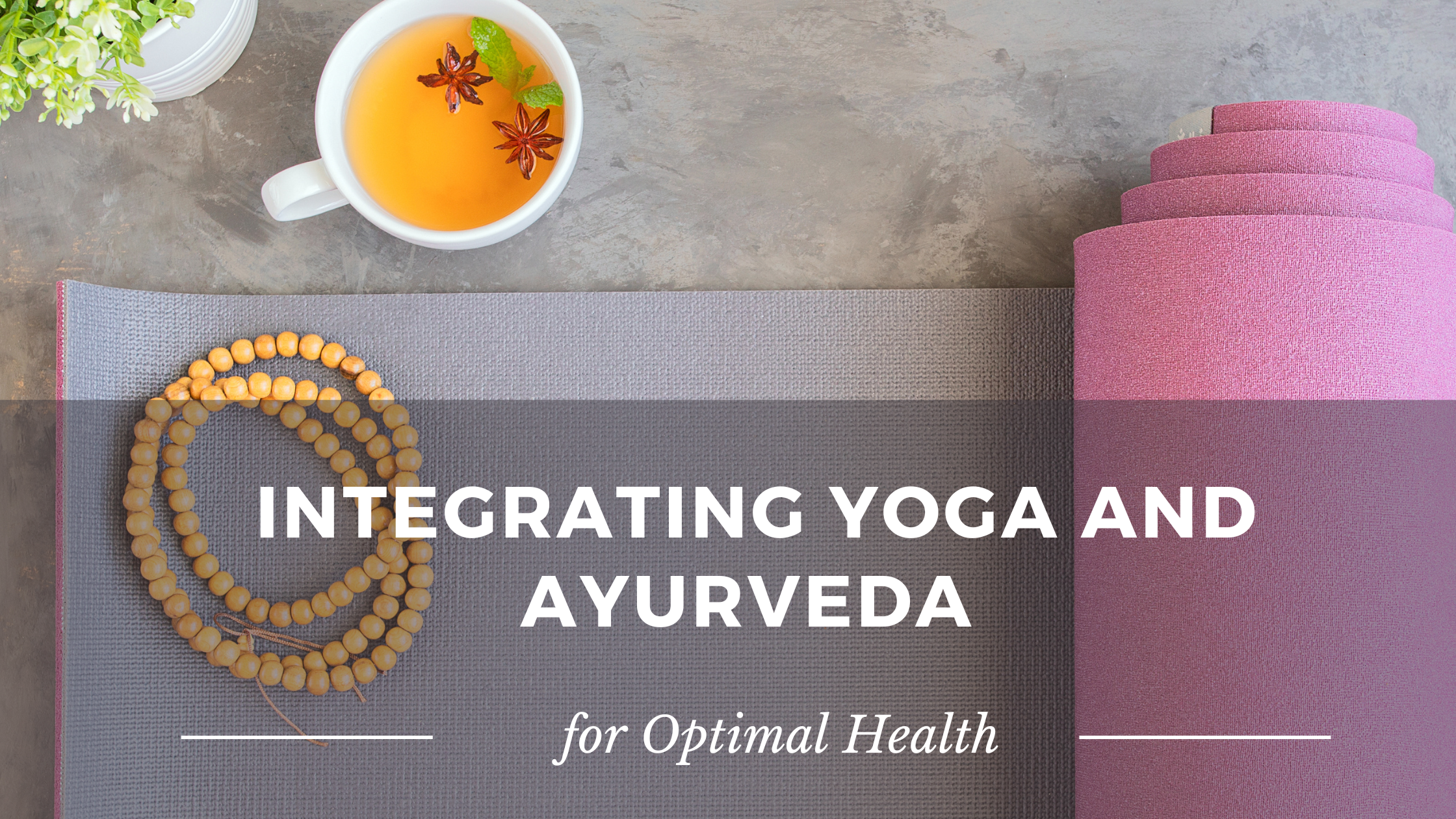
Integrating Yoga and Ayurveda for Optimal Health

Kritika Bairagi | June 13th, 2025

In a world increasingly driven by quick fixes and fragmented wellness trends, the timeless sciences of Yoga and Ayurveda stand as beacons of balance, longevity, and inner transformation. While each of these ancient Indian traditions is a complete healing system in itself, when practiced together, they unlock a deeper synergy—one that nurtures body, mind, and soul with profound intelligence.

Whether you’re a wellness seeker, a yoga teacher in training, or someone looking to adopt a more balanced lifestyle, understanding the integration of Yoga and Ayurveda is a gateway to optimal health and true self-care.


Ayurveda, often called the “Science of Life,” is a 5,000-year-old system of natural medicine that promotes health through balance. It is based on the concept of doshas—Vata, Pitta, and Kapha—bio-energetic forces that govern our physical and mental constitutions. Each person is born with a unique doshic makeup (prakriti), and maintaining harmony among these energies is key to staying well.

Ayurveda works through:

  1. Diet and lifestyle adjustments
  2. Herbal treatments
  3. Detoxification routines like Panchakarma
  4. Seasonal routines (Ritucharya)
  5. Mental and emotional harmony

Yoga, derived from the root word ‘Yuj’ meaning union, is the science of uniting the body, breath, and consciousness. While many associate yoga with physical postures (Asanas), it is just one of the eight limbs of classical yoga.

Yoga includes:

  1. Yama and Niyama (ethical observances)
  2. Asana (postures)
  3. Pranayama (breath control)
  4. Pratyahara (withdrawal of senses)
  5. Dharana (concentration)
  6. Dhyana (meditation)
  7. Samadhi (liberation or deep absorption)

When aligned with Ayurvedic wisdom, Yoga becomes even more personalized and therapeutic.


Yoga and Ayurveda

Think of Ayurveda as the diagnostic branch of wellness and Yoga as the prescriptive arm.

Together, they offer:

  1. Customized practices for your unique constitution
  2. Seasonal routines to support immunity and digestion
  3. Mind-body harmony that’s sustainable
  4. Natural tools for managing chronic conditions

This integration doesn’t just treat symptoms—it addresses root causes, supports mental clarity, improves digestion, enhances vitality, and promotes longevity.

While Yoga and Ayurveda can be practiced independently, their true power lies in integration. Think of Ayurveda as the blueprint of your unique health needs, and Yoga as the action plan that brings those needs into daily alignment.

Yoga aligns you. Ayurveda designs you.

Together, they create a sustainable, deeply intelligent approach to health—one that isn’t rigid or one-size-fits-all, but flowing, personal, and rooted in ancient wisdom.

So the question is no longer “Why combine Yoga and Ayurveda?”
It’s “Why not?”


Here are some powerful ways to bring both yoga and ayurveda practices into your routine:

1. Practice According to Your Dosha

Each dosha benefits from specific yoga styles and sequences.

  1. Vata (Air + Ether): Grounding, slow-paced practices with longer holds and calming pranayama like Nadi Shodhana.
  2. Pitta (Fire + Water): Cooling flows, moon salutations, Sheetali pranayama, meditation for anger and intensity.
  3. Kapha (Earth + Water): Energizing vinyasa flows, dynamic breathwork like Bhastrika, and active postures.
2. Morning Dinacharya + Yoga

Start your day with Ayurvedic morning rituals (oil pulling, tongue scraping, warm water with lemon) followed by yoga asanas and pranayama suited to your dosha.

This sets the tone for energy, clarity, and digestive health all day long.

3. Seasonal Yoga-Ayurveda Routine (Ritucharya)

Ayurveda emphasizes adapting routines according to the season. For example:

  1. In winter (Kapha season): More heat-building yoga, dry-brushing, and warming foods.
  2. In summer (Pitta season): Cooling practices like Chandra Namaskar, coconut oil massage, and light meals.
  3. In autumn (Vata season): Grounding asanas, abhyanga (oil massage), and warm soups.
4. Use Yogic Tools for Ayurvedic Detox

Detox techniques from both systems can be blended:

  1. Trataka (gazing) for mental clarity
  2. Kapalabhati + Neti for respiratory detox
  3. Twists and inversions to support liver and gut
  4. Ayurvedic herbs like Triphala or CCF tea to assist cleansing
5. Eat, Move, Breathe According to Your Nature

Let your yoga practice be intuitive, your meals be seasonal, and your breath be your guide. This triad is the key to internal balance.


Modern research is beginning to validate what sages have known for centuries.

  1. A 2021 study published in the Journal of Ayurveda and Integrative Medicine showed significant improvement in anxiety and sleep patterns in subjects following a combined Yoga-Ayurveda protocol.
  2. Integrative routines have been found to reduce inflammation, lower blood pressure, and enhance overall metabolic health.

The beauty of this approach is its individualization. No two people are the same—so why should their wellness plans be?


If you’re a yoga instructor or planning to become one, integrating Ayurveda into your teaching can deepen your impact dramatically.

At Online Yoga Life, our teacher training programs and Ayurveda certification courses are designed to help you:

  1. Assess students’ prakriti and imbalances
  2. Offer tailored asana-pranayama sequences
  3. Guide students on diet and lifestyle
  4. Build wellness programs that are holistic, rooted in tradition, and highly effective

With over two decades of legacy, our courses—curated by Dr. Radheshyam Mishr and seasoned Ayurveda experts—equip you to become not just a yoga teacher, but a true wellness guide.


Yoga and Ayurveda are not just tools—they are a way of life. When combined, they awaken your inner healer, align you with nature’s rhythm, and empower you to thrive—not just survive.

In a world of stress, disconnection, and synthetic wellness hacks, this ancient synergy reminds us: health is balance, and balance is a lifestyle.


Explore our Yoga + Ayurveda Training Programs and discover the tools to transform not just your life—but the lives of those you guide.

👉 Visit: www.onlineyogalife.com

online yoga trainer , yoga trainee, yoga instructor

7 Powerful Benefits of Japa Meditation for Online Yoga Trainers

Kritika Bairagi | May 26th, 2025

In the modern yoga world, it’s easy to get caught up in flowing sequences, perfect poses, and polished Instagram photos. But somewhere along the way, something ancient and incredibly powerful got left behind — Japa Meditation.

It’s surprising how many online yoga trainers and even in-person instructors skip over mantra-based practices. Maybe they think it’s too traditional, too complicated, or not “dynamic” enough for today’s fast-paced world. But here’s the truth: Japa Meditation is the missing key — not just for your personal growth, but also for deepening your teaching, your energy, and your students’ transformation.

Let’s sit down together, heart to heart, and explore what Japa Meditation really is, why it works, and how yoga instructors and teachers can integrate this powerful technique into their path and practice — especially through our meditation teacher training course at onlineyogalife.com.


What is Japa Meditation?

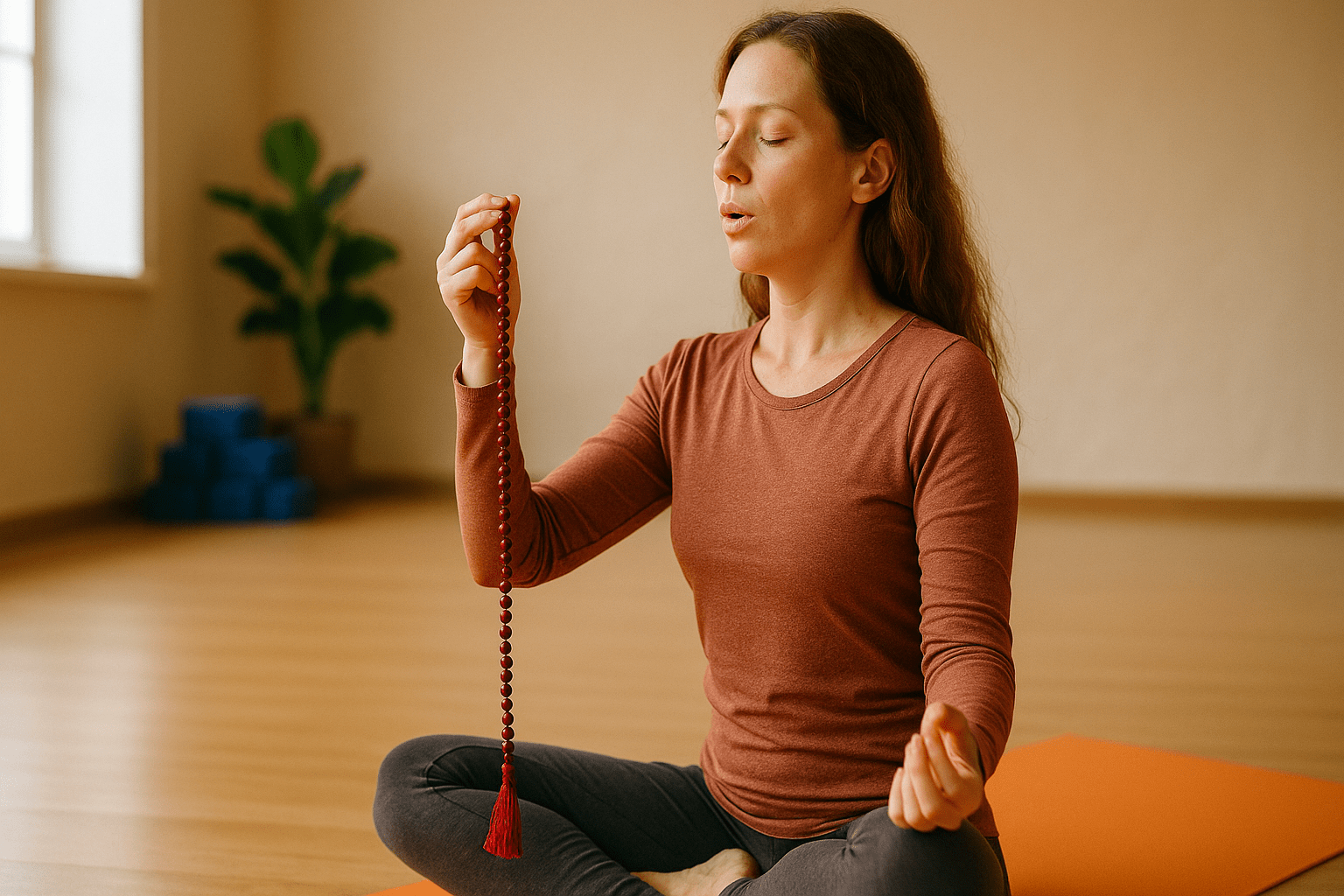
The word “Japa” comes from the Sanskrit root ‘jap’, which means to mutter or repeat. Japa Meditation involves the repetition of a mantra, silently or audibly, as a method of focusing the mind, purifying the heart, and awakening higher states of consciousness.

Whether it’s “Om,” “So Hum,” “Om Namah Shivaya,” or a guru-given bija mantra — the repeated vibration becomes a subtle yet profound tool for diving deep within.

Unlike some meditations that demand stillness or emptiness, Japa gives your mind something to lovingly hold on to. And for many students — especially beginners — this is a game-changer.


Why Should Online Yoga Trainers Care?

As an online yoga trainer, you probably focus on sequences, breath cues, body alignment, and class planning. That’s important — but what about mental alignment? What about emotional healing? What about subtle energy?

Your students come to you for transformation — and asana alone isn’t always enough.

Adding Japa Meditation to your classes or offerings can:

  1. Create a sacred, inward shift in your students.
  2. Help them stay anchored during emotional storms.
  3. Deepen their meditative experience without needing silence.
  4. Introduce a spiritual element in a grounded, accessible way.

And for you, as a yoga instructor, it builds your own inner fire (tapas) and clarity — which reflects in every class you teach.


The Science Behind the Sound

Mantras aren’t just pretty words. Each one carries vibrational power. Think of it like striking a tuning fork — it sends ripples of sound through space. Now imagine those ripples happening inside your mind and nervous system.

Modern research shows that mantra repetition:

  1. Lowers stress and cortisol levels
  2. Calms the brain’s default mode network (where wandering, anxious thoughts live)
  3. Enhances focus and memory
  4. Activates the vagus nerve, promoting deep relaxation

When you combine this with pranayama and asana, your students get a full-spectrum healing experience.


From Instructor to Guide: Elevating Your Teaching Path

There’s a big difference between teaching postures and guiding someone into stillness.

Our meditation teacher training course at Yoga Life Global doesn’t just give you tools — it gives you transformation. We go deep into Japa Meditation, from traditional Sanskrit pronunciation to mantra selection based on the seeker’s path.

As a part of our course, you’ll learn how to:

  1. Introduce mantras with context and clarity
  2. Lead Japa sessions for different levels of students
  3. Use malas and breath techniques to enhance practice
  4. Understand the spiritual psychology behind repetition
  5. Help students deal with resistance, restlessness, and doubt

And most importantly — you’ll cultivate your own Japa practice, making you a more grounded, radiant, and magnetic teacher.


“But I’m Not Religious…” (And Neither Is Japa)

Let’s clear something up: Japa Meditation isn’t about converting or believing.

It’s about vibration, attention, and transformation.

Many mantras are universal. Take “So Hum,” for example — it simply means “I am That.” It’s an affirmation of unity, of the shared breath between you and the universe.

Mantras don’t ask for belief. They just ask for presence.

As a teacher, you don’t need to push faith. You simply invite your students into a space of sound and silence — and let the mantra do its magic.


Real Talk: Japa Will Change You

We’re not saying this lightly. When you truly commit to Japa, something deep shifts inside you. Old patterns fall away. Your reactions soften. Your voice feels clearer, your breath fuller, your presence more radiant.

You become a channel — not just a trainer.

So if you’re an online yoga trainer, ask yourself honestly:

  1. Are you teaching from depth, or just demonstration?
  2. Do you want to offer more than movement?
  3. Are you ready to evolve from instructor to guide?

If you said yes, then Japa is your next step.


Join the Journey: Learn Japa Meditation in Our Online Teacher Course

At Yoga Life Global, we believe in training teachers who live their practice. Our online meditation course goes beyond trends — it returns you to the roots.

In the Japa Meditation module, you’ll experience:

  1. Daily mantra repetition with guidance
  2. History and spiritual meaning behind sacred sounds
  3. Personalized feedback on your voice and rhythm
  4. Tools to teach and inspire others with mantra work

Whether you’re teaching online or offline, Japa Meditation adds a timeless dimension to your offerings.

Don’t just teach yoga — transmit it.

Visit.


Final Thought: The Whisper That Transforms

In a noisy world, a whispered mantra is revolutionary.

Don’t overlook the power of repetition, devotion, and vibration. As a yoga teacher, your voice has the potential to heal, not just instruct.

Let Japa be the heart behind your guidance.

And if you’re ready to dive in — we welcome you to our online yoga trainer community at Yoga Life Global. Your journey from instructor to true guide begins here.


Explore our meditation teacher course today.
🌐 www.yogalife.co.in
📿 Learn Japa. Live Mantra. Lead from the Heart.


yoga therapy , certified yoga therapist

What is yoga therapy? A holistic approach to wellness

Kritika Bairagi | December 8th, 2024


Have you ever thought of yoga as a therapy? Have you ever thought of teaching yoga as a therapist? Yoga Therapy is a new area that integrates ancient wisdom with the latest healing approaches to meet specific physical, mental, and emotional health needs. Unlike traditional yoga which is performed for general well-being and fitness, Yoga Therapy is designed to cater to the specific needs of each individual and provide specific answers to health concerns.

Yoga Therapy is becoming more popular worldwide because of the growing demand for natural health remedies. As a yoga instructor or someone who wants to expand his or her knowledge, including Yoga Therapy certification in your training can lead to new career pathways and chances to improve other people’s lives.

In this article, we will examine Yoga Therapy, its unique benefits, and how you can improve your teaching skills through Yoga Teachers Training programs.

yoga therapy Online Yoga Life

While most people do yoga for general health and relaxation, Yoga Therapy goes a step further in the science of yoga. It is not just about postures and meditation; it’s about using these practices to heal. Here are some of the important differences:

Personalized Approach.

While most yoga sessions follow a set sequence of poses, Yoga Therapy customizes every part of the practice to meet a specific person’s health needs. It is tailored to the needs of each individual, whether they are recovering from an injury, dealing with anxiety, or managing chronic pain.

Therapeutic Focus

Yoga Therapy, unlike general yoga, which focuses on general well-being, is specifically designed to produce therapeutic effects. It is about helping individuals improve their quality of life through the resolution of specific health problems.

It combines ancient wisdom with modern medical understanding. Certified yoga therapists team up with healthcare professionals to facilitate recovery, making this a complementary practice that dovetails well with other treatments.

As people opt for alternatives to traditional medicine, the demand for certified yoga therapists is on the rise. Notably, it helps patients dealing with chronic pain, anxiety or depression, and those who suffer from stress.

Obtaining Yoga Therapy certification is crucial for those individuals wanting to profit in this emerging sector. Within the frame of a Yoga teacher training course, teachers are going to develop their abilities and widen their scope of practice. The yoga therapist is an educated practitioner of the healing method who has complete knowledge of the utilization of yoga to address and handle various conditions and imbalances from physical injury and mental disbalance.

The courses offered at Online Yoga Life have Yoga Therapy units where students learn to deal with therapeutic issues confidently and with knowledge. Our Yoga Therapist Certification is what will arm you to help people heal holistically.

yoga therapy 1 1 Online Yoga Life

Yoga therapy has various benefits not only for individuals dealing with certain illnesses but also for people wanting to live a balanced, healthy life. Here are some of the main benefits:

Chronic Pain Relief

The biggest advantage of Yoga as a Therapy is that it heals chronic pain, like back pain, arthritis, and headaches. It uses gentle movement and breathing techniques to reduce inflammation, promote circulation, and stimulate healing.

Stress and Anxiety Reduction

With the increased prevalence of stress and anxiety, Yoga as a Therapy offers a natural alternative. Relieving the nervous system through mindfulness of breathing and meditation techniques will further help alleviate physical body stress through certain yoga postures.

Flexibility and mobility improvement.

Yoga therapy is very good at increasing mobility, flexibility, and overall strength. Whether you’re healing from an injury or suffering from a condition like arthritis, it can help you restore movement and reduce stiffness.

Mental clarity and emotional balance.

Yoga therapy is more than just physical healing; it also enables people to cope with emotional and psychological disorders. The exercise encourages consciousness, which supports the control of emotions, clear thinking, and concentration.

Support for Chronic Conditions

Yoga Therapy supports patients with chronic diseases, such as cancer, heart disease, and diabetes. It helps in managing symptoms, and enhancing quality of life, and recovery.

Techniques for Yoga Therapy

Yoga as a Therapy involves far more than merely doing the physical postures. It comprises a range of approaches designed to address specific health issues:

Asanas (postures)

The carefully designed sequence of postures in Yoga Therapy targets the health concerns of the individual. Some positions might ease back pain, and enhance digestion or circulation, among other beneficial effects.

Pranayama (breathing techniques)

Breathing exercises are very important in Yoga Therapy. They regulate the neurological system, reduce stress levels, and increase lung capacity. Some common breathing techniques include diaphragmatic and alternate nostril breathing.

Meditation & Mindfulness

Meditation is very important for keeping the mind healthy. Often, mindfulness practices are a part of yoga as a therapy, as they help individuals become more aware of their thoughts and emotions, thus facilitating emotional healing and reducing stress levels.

Restorative Yoga

Restorative yoga focuses on deep relaxation. It is commonly used in Yoga Therapy for individuals who suffer from chronic conditions or are recovering from an illness. The method uses supports to allow the body to achieve easy poses, thus enhancing recovery through rest and regeneration.

Lifestyle and Dietary Suggestions

An important aspect of Yoga as a Therapy is providing integrated advice, which incorporates lifestyle changes and dietary advice. These tips help facilitate the natural healing process of the body and enable people to enjoy long-term wellness.

yoga therapist training a student Online Yoga Life

At Online Yoga Life, we understand that Yoga Therapy is a crucial resource for today’s yoga teachers. That is why we have added specific Yoga Therapy modules to our Yoga Teacher Training programs. Our Yoga Therapist certification program is designed to empower yoga teachers with the knowledge and skills needed to work with a wide variety of health issues using therapeutic yoga techniques.

Learn to assess individual health conditions and devise tailored yoga plans.

Dedicate learning about therapeutic yoga practice: asanas, pranayama, meditation, and restorative techniques

Scientific grounds for the benefits of Yoga Therapy for both somatic and psychological well-being.

This practitioner’s training program will arm you with skills to implement successful Yoga as a therapeutic tool to manage students’ and clients’ concern, and assist in healing and wellness in general.

Our Yoga Therapy certification is best suited for yoga teachers who wish to add more to their expertise and offer specialized therapeutic services.


Healthcare providers are seeking to incorporate holistic techniques into their treatment solutions.

Yoga enthusiasts who want to explore the deeper, healing aspects of yoga.

No matter what your experience is, if you are enthusiastic about utilizing yoga as a tool for healing, our Yoga Therapy certification will provide you with the tools you need to help others.

Yoga Therapy is an inspiring, transforming approach to wellbeing that can provide personalized, holistic treatments for a wide range of physical, mental, and emotional health issues. It improves one’s well-being and also prepares one to help others live a happier, more balanced life.

To apply, expand your knowledge of yoga therapy, and advance your yoga practice or teaching career, this is the opportune time for you. Learn more about our Yoga Teachers Training programs that may help lead you to becoming a yoga therapist and healer by logging in at www.onlineyogalife.com today!

Don’t miss this:

https://www.youtube.com/watch?v=RtJjTCrQbwY

Thank You!

10 steps big Online Yoga Life

Certified Yoga Instructor: Conquer the 10 Steps Path

Kritika Bairagi | July 16th, 2024

Certified Yoga Instructor: Conquer the 10 Steps Path

Do you feel like you want to go deeper with your yoga practice? Ever considered becoming a certified yoga instructor? If this is where you are wondering where to start then read on because this journey is exhilarating and transformational. It’s not about mastering the asanas, but opening into the philosophy of yoga and sharing that wisdom with others. While you may feel overwhelmed by the process, don’t worry-we’re here for you at every step.

Step 1: Regular yoga practice

And before you become a teacher, you have to become a dedicated student. No, twisting into pretzels or balancing on one’s head is a requirement, but you do require a good sense of the foundational poses and principles. Take classes regularly, branch out in styles, and practice at home. Throw in some “yoga pants” selfies, too; you’re an influencer at this point!

Step 2: Commitment to getting qualified as a certified yoga instructor

And it definitely won’t be a hobby, it will be a serious commitment of your time, energy, and often, your money. You’re committing to the journey, so you must be sure you’re ready. It’s not about the destination, remember? It’s about the journey, and what a journey it is! A little like a path to enlightenment with rather more sweat and possibly some awkward moments along the way. 

Step 3: Select your training program

Not all Yoga Teacher Training (YTT) programs are equal. Seek out an internationally recognized program like the ones from Yogalife Global, they provide 200 and 500-hour RYT programs that allow for a comprehensive curriculum and personalized instruction. Take your time; it is just like picking a partner: it should feel right for you! 

Step 4: Find yoga philosophy

Yoga is so much more than the physical postures. Diving into philosophy using ancient texts and principles of yoga, you ensure when you do complete your training, you have a solid foundation to draw upon in teaching. You’ll learn about ahimsa, or non-violence, and svadhyaya, which means self-study. Ahimsa is incredibly rewarding when you apply it to real life: goodbye, road rage! 

certified yoga instructor, 10 steps to becoming one

Once you have settled on a program, it’s time to get wet and steamy! So, get going with your learning and soak it all in. Remember, too, that getting prepared for certified yoga instructor is a lifelong education. You’ll never be done learning even after your training. So, prepare for plenty of “Aha!” moments and maybe even a few “Why did I sign up for this?” moments. All part of the experience!

Step 6: Become a certified yoga instructor 

Now that you’ve completed your training, it is time to get ready to be a certified yoga instructor. You’ll need to pass a test and earn teaching hours. Not nearly as intimidating as it sounds! This is like a group project, but you won’t be left carrying the whole load. And even better, you might be able to take the test in your favorite yoga clothes.

Step 7: Registered with Yoga Alliance

International recognition with the Yoga Alliance, ah! This will immediately open the doors of teaching certified yoga abroad, considering you teach on a beach in Bali or New York City. Imagine becoming the “yoga instructor who can do downward dog while explaining the ins and outs of the chakras.”

Step 8: Discuss on

The best way you’re going to be a good certified yoga teacher is to never stop learning. Seek out workshops, and further educational courses, and continue deepening your practice. As the adage goes, the more you learn, the less you know. And this can lead to some enlightening conversations at dinner parties—”Did you know that the ancient yogis practiced in the dark because they thought it heightened their intuition?” Who needs small talk when you can discuss spiritual enlightenment?

certified yoga instructor, how to become one

Step 9: Start teaching

Teach! Small community class or large studio, just start giving back. Everyone had to be a beginner at one time or another. So don’t worry if you forget a pose or mix the sun salutations. Your students will like it because of its true nature, and if worse comes to worst, you could just “Let’s just flow with it” for any wrong moves. 

Step 10: Review and fine-tune

Teaching is a learning exercise. Think about your classes, take feedback, and modify them accordingly. Remember, yoga is a practice, not a performance. The same goes for teaching! Every time you step onto the mat with your students, it’s an opportunity to learn from them as well. After all, they might have some hilarious stories about trying to follow along in class—like the time someone accidentally did a split instead of a lunge! 

Conclusion: Soak up the experience 

The path to becoming a certified yoga instructor is, in itself, very rewarding and life-altering. It is not just teaching certified yoga from one day to the next but is about deepening one’s practice and sharing this love with others. You will be part of that global village of yogis committed to spreading peace, love, and well-being. write your thoughts on this blog.