
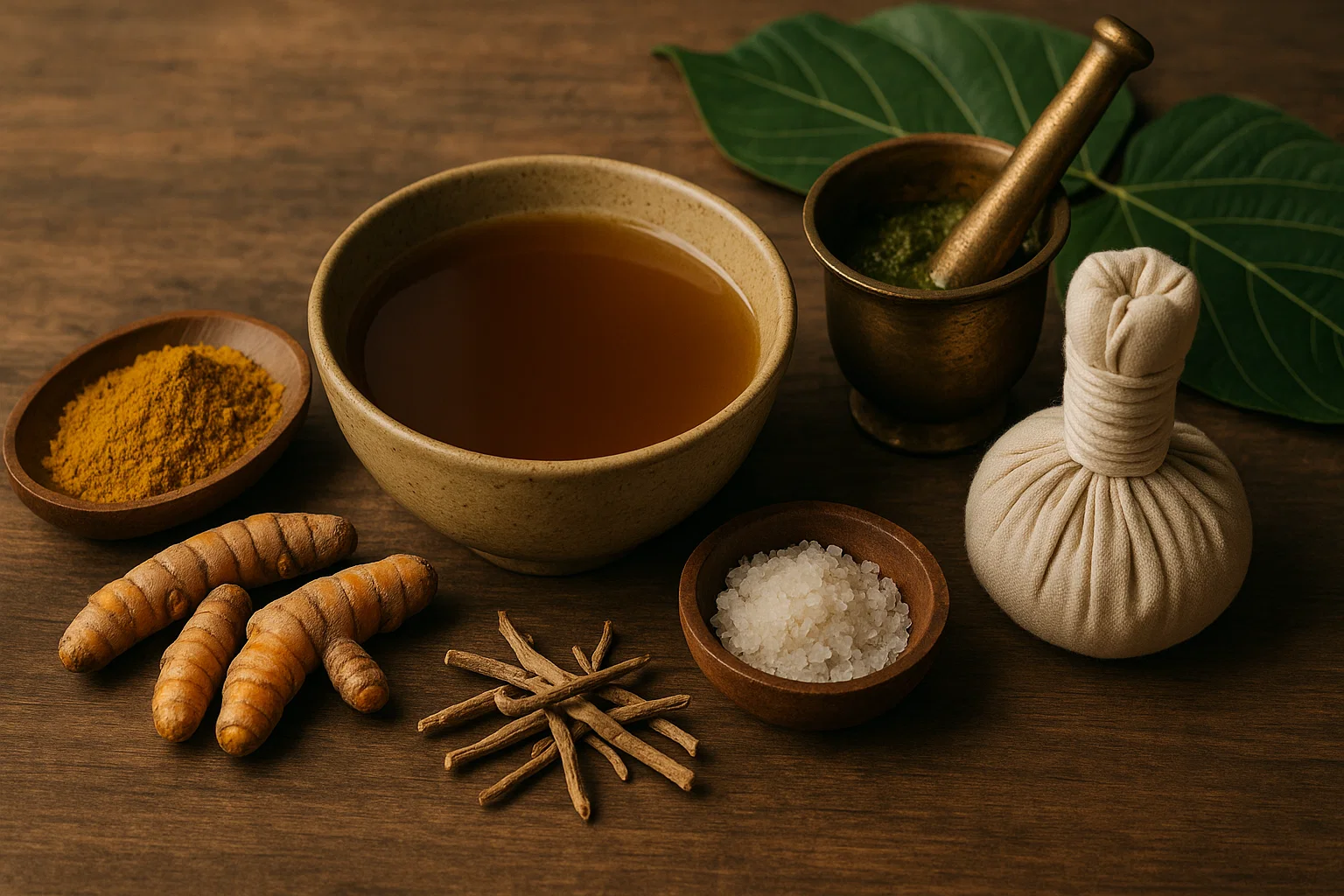
7 Steps to Create an Ayurvedic Self-Care Practice: A Handbook for Yoga Teachers
A Self-Care Handbook for Yoga Teachers
In the yoga and wellness community, there’s a gentle wisdom that tends to whisper to us at the exact moment we need it most: slow down, breathe, and find your way back to nature. Ayurveda—the Yoga sister science—is that whisper solidified into a lifestyle. As a yoga teacher, creating an Ayurvedic self-care practice isn’t merely about personal equilibrium; it’s about enriching your practice, living your teachings, providing your students with a genuine route to holistic wellness through Ayurvedic Self-Care.

If you’re already a yoga teacher or halfway through your ytt certification, bringing Ayurveda into your life can be a total game-changer. At Online Yoga Life, our teacher trainings don’t just end at asanas and pranayama. We provide intense modules on Ayurvedic Self-Care for Yoga Teachers so you can fully embody what it is to be a ryt yoga teacher—someone who heals, leads, and lives with intention.
Let’s dive into how you can create a soulful 🧘♀️Ayurvedic self-care practice in 7 simple steps –
1. Know Your Dosha: The Heart of All Ayurvedic Self Care
It all begins in Ayurveda by learning about your dosha—your one-of-a-kind mind-body type. Are you airy and imaginative like Vata? Fiery and ambitious like Pitta? Or balanced and soothing like Kapha?
In our Ayurvedic module for the yoga teacher training program, we train teachers to become aware of their doshic imbalances and how to establish individual daily rhythms. Being aware of your dosha helps you select the proper food, sleep cycles, yoga classes, and even the pace of teaching.
Tip: Do a basic dosha quiz or enroll in our teacher training course to know how to evaluate doshas correctly.
2. Begin Your Day with Yogic Dinacharya (Daily Routine)
Ayurveda guides us that consistency is medicine. Practicing Dinacharya introduces rhythm to our life, harmonizing our body with nature’s rhythm. Here’s a simple morning Ayurvedic self-care routine every yoga teacher ought to be aware of:
- Wake up early in the morning
- Tongue scraping and oil pulling
- Warm lemon water
- Gentle self-abhyanga (oil massage)
- Light yoga and pranayama according to your dosha
As a ryt yoga instructor, you are a reflection of your students. When you adopt a mindful routine, your students will be inspired to do the same. Practical workshops on how to build and instruct Dinacharya are part of our ytt certification.

Here’s a graph showing the estimated number of people who have benefitted from Ayurveda across different regions in 2024. 🧘♀️
3. Eat with Awareness: Ayurvedic Nutrition for Teachers
Food is fuel—but in Ayurveda, it’s also medicine. What you eat will impact your clarity, energy, and even your teaching ability.
For traveling yoga teachers, it’s easy to grab a smoothie or miss meals between classes. But Ayurveda promotes warm, cooked, and dosha-balancing food that nourishes digestion and energy.
In our training, we learn how to make quick Ayurvedic meals and herbal teas that can work with the schedule of a yoga teacher. Ayurveda is not about complexity, but about harmony.
4. Harmonize Your Yoga Practice with the Seasons
Yoga teachers tend to forget to tailor their practice with seasonal changes. Ayurveda reminds us that every season has its own energies.
👉In autumn (Vata season): Slowing down, grounding yoga pacifies the airy mind.
👉In summer (Pitta season): Cooling forward bends and moon salutations do the trick.
👉In winter (Kapha season): Energetic flows shatter stagnation.
Within our Ayurvedic yoga training modules, we show you how to design seasonal classes for your students and also how to design your own practice accordingly. That’s what makes a good yoga teacher a great ryt yoga teacher.
5. Herbs and Teas: Simple Additions, Big Benefits
You don’t have to have an entire shelf of foreign herbs to use in Ayurvedic self care. A few essentials can aid your immunity, digestion, and sense of peace:
🌿Ashwagandha for stress
🌿Triphala for digestion
🌿Cumin-Coriander-Fennel tea for balance
During our ytt certification, students learn about safe herbal use, preparation techniques, and how to recommend mild herbs to students under guidance.
Remember: Ayurveda teaches us to use nature, not overwhelm it.
6. Create Sacred Space and Time to Unplug
Modern yoga instructors juggle teaching, marketing, personal practice, and endless scrolling. Ayurveda reminds us to make space for stillness.
Build daily rituals like:
💫Evening candle meditation
💫Massage with sesame oil on your feet (Padabhyanga)
💫Quiet time for 15 minutes after class
These habits aren’t indulgences—they’re musts for spiritual leaders such as yoga teachers. We show you how to integrate these sacred rituals into your life and your classroom during our training.

7. Sleep Like a Sage: The Nighttime Ayurvedic Routine
Late-night e-mails, blue light, and dashing from class to class can ruin your sleep. Ayurveda places a high value on restorative sleep as a foundation for health. A bedtime routine for a yoga teacher could be:
💡Warm almond milk with nutmeg
💡Brahmi oil head massage
💡A reading of a chapter in a yogic text
💡Going to bed at 10 p.m.
In our ytt training, we don’t only teach asana sequencing—we impart the way of life of a ryt yoga teacher. This encompasses how to rest, how to recharge, and how to live Yoga in earnest.
Why Ayurveda Is Important to Yoga Teachers
Whether you’re a seasoned yoga teacher or beginning your yoga training, Ayurveda is the compass that keeps your teaching centered. It’s not just about your health—it’s about being able to show up for your students with integrity, groundedness, and clarity.
At Online Yoga Life, we see Ayurveda as the missing piece in contemporary yoga teaching training. That’s why we offer exclusive modules on Ayurvedic philosophy, habits, food and eating, and practical classroom tools based on this ancient wisdom.
Final Words: Begin with One Step Today
You don’t have to change your life in an instant. Take one Ayurvedic self-care habit and do it for a week. Feel the change. Then build on that. As a yoga teacher, the more you practice what you preach, the more your students will believe and learn from you.
Ready to incorporate Ayurveda into your teaching journey?
Join our YTT certification course and become an ryt yoga instructor who teaches by experience, not theory.
Discover more about our Ayurveda modules at www.onlineyogalife.com
Let’s walk this healing path together. Namaste! 🧘♀️