Certified Yoga Instructor | Yoga Life Global

Tag: certified yoga instructor

yoga and ayurveda

Integrating Yoga and Ayurveda for Optimal Health

Kritika Bairagi | June 13th, 2025

In a world increasingly driven by quick fixes and fragmented wellness trends, the timeless sciences of Yoga and Ayurveda stand as beacons of balance, longevity, and inner transformation. While each of these ancient Indian traditions is a complete healing system in itself, when practiced together, they unlock a deeper synergy—one that nurtures body, mind, and soul with profound intelligence.

Whether you’re a wellness seeker, a yoga teacher in training, or someone looking to adopt a more balanced lifestyle, understanding the integration of Yoga and Ayurveda is a gateway to optimal health and true self-care.


Ayurveda, often called the “Science of Life,” is a 5,000-year-old system of natural medicine that promotes health through balance. It is based on the concept of doshas—Vata, Pitta, and Kapha—bio-energetic forces that govern our physical and mental constitutions. Each person is born with a unique doshic makeup (prakriti), and maintaining harmony among these energies is key to staying well.

Ayurveda works through:

  1. Diet and lifestyle adjustments
  2. Herbal treatments
  3. Detoxification routines like Panchakarma
  4. Seasonal routines (Ritucharya)
  5. Mental and emotional harmony

Yoga, derived from the root word ‘Yuj’ meaning union, is the science of uniting the body, breath, and consciousness. While many associate yoga with physical postures (Asanas), it is just one of the eight limbs of classical yoga.

Yoga includes:

  1. Yama and Niyama (ethical observances)
  2. Asana (postures)
  3. Pranayama (breath control)
  4. Pratyahara (withdrawal of senses)
  5. Dharana (concentration)
  6. Dhyana (meditation)
  7. Samadhi (liberation or deep absorption)

When aligned with Ayurvedic wisdom, Yoga becomes even more personalized and therapeutic.


Yoga and Ayurveda

Think of Ayurveda as the diagnostic branch of wellness and Yoga as the prescriptive arm.

Together, they offer:

  1. Customized practices for your unique constitution
  2. Seasonal routines to support immunity and digestion
  3. Mind-body harmony that’s sustainable
  4. Natural tools for managing chronic conditions

This integration doesn’t just treat symptoms—it addresses root causes, supports mental clarity, improves digestion, enhances vitality, and promotes longevity.

While Yoga and Ayurveda can be practiced independently, their true power lies in integration. Think of Ayurveda as the blueprint of your unique health needs, and Yoga as the action plan that brings those needs into daily alignment.

Yoga aligns you. Ayurveda designs you.

Together, they create a sustainable, deeply intelligent approach to health—one that isn’t rigid or one-size-fits-all, but flowing, personal, and rooted in ancient wisdom.

So the question is no longer “Why combine Yoga and Ayurveda?”
It’s “Why not?”


Here are some powerful ways to bring both yoga and ayurveda practices into your routine:

1. Practice According to Your Dosha

Each dosha benefits from specific yoga styles and sequences.

  1. Vata (Air + Ether): Grounding, slow-paced practices with longer holds and calming pranayama like Nadi Shodhana.
  2. Pitta (Fire + Water): Cooling flows, moon salutations, Sheetali pranayama, meditation for anger and intensity.
  3. Kapha (Earth + Water): Energizing vinyasa flows, dynamic breathwork like Bhastrika, and active postures.
2. Morning Dinacharya + Yoga

Start your day with Ayurvedic morning rituals (oil pulling, tongue scraping, warm water with lemon) followed by yoga asanas and pranayama suited to your dosha.

This sets the tone for energy, clarity, and digestive health all day long.

3. Seasonal Yoga-Ayurveda Routine (Ritucharya)

Ayurveda emphasizes adapting routines according to the season. For example:

  1. In winter (Kapha season): More heat-building yoga, dry-brushing, and warming foods.
  2. In summer (Pitta season): Cooling practices like Chandra Namaskar, coconut oil massage, and light meals.
  3. In autumn (Vata season): Grounding asanas, abhyanga (oil massage), and warm soups.
4. Use Yogic Tools for Ayurvedic Detox

Detox techniques from both systems can be blended:

  1. Trataka (gazing) for mental clarity
  2. Kapalabhati + Neti for respiratory detox
  3. Twists and inversions to support liver and gut
  4. Ayurvedic herbs like Triphala or CCF tea to assist cleansing
5. Eat, Move, Breathe According to Your Nature

Let your yoga practice be intuitive, your meals be seasonal, and your breath be your guide. This triad is the key to internal balance.


Modern research is beginning to validate what sages have known for centuries.

  1. A 2021 study published in the Journal of Ayurveda and Integrative Medicine showed significant improvement in anxiety and sleep patterns in subjects following a combined Yoga-Ayurveda protocol.
  2. Integrative routines have been found to reduce inflammation, lower blood pressure, and enhance overall metabolic health.

The beauty of this approach is its individualization. No two people are the same—so why should their wellness plans be?


If you’re a yoga instructor or planning to become one, integrating Ayurveda into your teaching can deepen your impact dramatically.

At Online Yoga Life, our teacher training programs and Ayurveda certification courses are designed to help you:

  1. Assess students’ prakriti and imbalances
  2. Offer tailored asana-pranayama sequences
  3. Guide students on diet and lifestyle
  4. Build wellness programs that are holistic, rooted in tradition, and highly effective

With over two decades of legacy, our courses—curated by Dr. Radheshyam Mishr and seasoned Ayurveda experts—equip you to become not just a yoga teacher, but a true wellness guide.


Yoga and Ayurveda are not just tools—they are a way of life. When combined, they awaken your inner healer, align you with nature’s rhythm, and empower you to thrive—not just survive.

In a world of stress, disconnection, and synthetic wellness hacks, this ancient synergy reminds us: health is balance, and balance is a lifestyle.


Explore our Yoga + Ayurveda Training Programs and discover the tools to transform not just your life—but the lives of those you guide.

👉 Visit: www.onlineyogalife.com

online yoga classes yoga teacher training course best yoga program online

How Online Yoga Classes Can Launch Your Teaching Career

Kritika Bairagi | June 5th, 2025


In a world awakening to holistic living, the phenomenon of yoga is more than a fad—it’s a revolution. From New York City lofts to small-town India rooftops, from busy subways to peaceful living rooms, mats are unfolding everywhere. The time is now: the world needs more empowered, compassionate, and well-trained yoga teachers. And for the contemporary seeker who wishes to respond to that invitation, online yoga classes are opening the way as never before.

But how do you transition from being a committed student to becoming a confident teacher?

Welcome to Yoga Life Global—where your path from inner development to international impact starts.


Increasingly, individuals are seeking yoga as a stress reliever, a strength builder, a healer, and a spiritual guide. But leading every life-changing yoga class is a guide—a mentor who’s been down the road and now illuminates the path for others.

If you’re already deeply engaged in yoga or just starting to feel the call, you might be sensing it yourself—the urge to go further. To teach. To share. To serve.

But life is not always forgiving enough to allow for commutes to an ashram or stopping everything for months of on-site training. That’s where Yoga Life Global comes in.


A Global Yoga Journey From Your Living Room Online Yoga Life

Welcome to Yogalife Global
Classical Roots. Digital Wings.


Established by Dr. Radheshyam Mishra, yoga pioneer and guide to thousands, Yoga Life Global is a living tradition, not just an online institution. Since 1996, our mission has been direct but profound: infuse the spirit of classical yoga into the beat of contemporary life, respecting the teacher-student tradition of deep change.

Our values?
* Authenticity, not aesthetics
* Spiritual development, not shallow fitness
* Empowerment, not just instruction


Your development counts—to you, to your future students, and to us.

Our in-depth yoga teacher training course programs include:

♾️200-Hour, 500-Hour & 900-Hour Teacher Training Programs
Study foundational and advanced yogic philosophy, asanas, pranayama, kriyas, meditation, sequencing, class management, and more—on your own schedule, from anywhere globally.

How to Enroll in Yogalife Global’s 200-Hour Online Yoga Teacher Training!

♾️Holistic Nutrition Certification
Understand the sattvic food science, ayurvedic meal plans, and how nutrition fuels not just physical energy but also mental acuity and spiritual development.

♾️Yoga Therapy Units
Address actual conditions such as insomnia, backache, anxiety, and hypertension with focused therapeutic methods borrowed from classical yoga. A precious and unusual addition to your future yoga healer’s toolkit.

♾️Practical Meditation Courses
Master time-honored meditative techniques, such as Trataka, Japa, laughter meditation, and environment-based methods that help cultivate your awareness, calm, and clarity.

All programs include certification to be a yoga instructor, which is officially recognized and respected around the globe.


Not all training is equal. Here’s what makes us stand out:

🕉️Timeless Lineage: Learn directly from the teachings of Dr. Mishra’s lineage—one based in tradition, not trend.

🕉️Spiritual Integration: Transcend the body to discover the profound purpose of yoga.

🕉️True Flexibility: Practice at your own pace, in your own setting, without sacrificing depth.

🕉️Affordability: Affordable pricing without compromising authenticity or quality.

🕉️Personal Mentorship: Remain connected with your mentors even after certification.

🕉️ Lifetime Access: Repeat lectures, practices, and materials as often as you need to refresh and recharge.

online yoga classes
yoga teacher training course
best yoga program online


Mira, 32, Pune:

“I did Yogalife Global’s 200-hour course while holding a full-time position. What began as a personal journey became a full-time profession. I now teach yoga to corporate groups and conduct therapy sessions for stress relief. This course did not only bestow knowledge upon me—it blessed me with purpose.”

Jonas, 45, Berlin:

“I never imagined doing yoga training online, but the depth here is unreal. The meditation practices changed how I teach and how I live. I’m now on my 500-hour certification and looking forward to learning more.”

These stories aren’t outliers—they’re the kind of journeys that unfold when classical wisdom meets digital accessibility.


If your heart is whispering that it’s time, listen.

Go to www.yogalife.co.in and discover the finest yoga training online—one that honors tradition, respects your life, and leads you to transformation with love and wisdom.

If you’re looking to teach in a studio, facilitate wellness retreats, or just deepen into your own being, our yoga teacher training course is ready to equip you with the inner strength and skills you’ll need.


Transformation starts when you choose to be present—for your body, breath, mind, and purpose.

Make this your time. Take on the role of the guide. Shine the light of yoga upon the world—and have Yogalife Global guide you along that holy way.

You were the student. Now, you are becoming the teacher. 🤝 Namaste!!

online yoga classes
yoga teacher training course
best yoga program online

teaching meditation, online training course

Don’t Take Meditation So Seriously – A Teaching Meditation Secret

Kritika Bairagi | May 29th, 2025

When did teaching meditation become such a serious business?

Think about it. You’ve probably seen it: the ultra-still posture, the knitted eyebrows, the strained silence, and the unspoken pressure to “be spiritual.” Somewhere along the way, many yoga instructors and students began treating meditation like a rigid, solemn ritual. But here’s a surprising truth: the essence of teaching meditation isn’t seriousness—it’s playfulness.

Yes, laughter. Lightness. Curiosity. The kind of childlike wonder that doesn’t demand enlightenment but dances with it.

At Online Yoga Life, we train yoga teachers not just to sit in stillness, but to embrace life’s joyful rhythm—and that includes teaching meditation from a place of freedom, not force. If you’re enrolled in or considering one of our yoga training courses, read on: this blog may just shift your entire approach.


Laughter: The Forgotten Tool in Teaching Meditation

Close your eyes. Now smile. No, not the polite, photo-smile. A real one. The one that bubbles up when your best friend makes a ridiculous face. Feel that? That shift?

That’s the meditative state sneaking in from the back door.

We often overlook the simple power of laughter, yet it’s profoundly meditative. Why? Because in that moment of laughter, the mind stops. The thinker is paused. The burden of identity drops, and presence enters.

If you’re guiding others through meditation—or plan to with our teacher training—you must know: laughter isn’t a distraction from meditation. It’s a gateway.


Meditation Is a State, Not a Performance

One of the most common misconceptions among new yoga teachers is that meditation is something you do. But at Online Yoga Life, we emphasize this: Meditation is not something to perform; it is something to fall into.

When you’re too serious, trying to ‘do it right’, you’re adding layers to the mind. But laughter strips them away. It doesn’t aim for transcendence—it tumbles into it. That’s why in our yoga training courses, especially the modules on teaching meditation, we encourage instructors to play with meditation, not control it.

It’s a radical idea: teaching meditation doesn’t mean teaching silence. It can mean teaching joy, movement, even giggles.


The Spiritual Wisdom of Clowns and Children

Let’s get honest. Who seems more alive: the rigid meditator trying not to scratch their nose, or the kid dancing in the rain, laughing like a maniac?

Truth bomb: Children and clowns may be more meditative than most “serious seekers.”

They are in the moment, fully immersed, with no ego story running in the background. As a yoga teacher, this is a precious insight. It tells you that your job when teaching meditation isn’t to “get people quiet.” It’s to help them drop effort, drop seriousness, and come into presence—however it arises.


Try This in Your Next Session: The Laughing Sit

Here’s a playful practice we share in our teacher training course:

The Laughing Sit
– Invite students to sit comfortably.
– Ask them to smile. Yes, fake it if needed.
– Now begin with a gentle chuckle.
– Let it grow, even if it feels silly.
– Encourage full-bodied laughter.
– After 2–3 minutes, let the laughter fade.
– Sit in silence for a minute or two.

Notice what happens.

The silence after laughter is different. It’s deeper. More natural. And this, dear teacher, is your doorway to teaching meditation without teaching effort.


Why Seriousness Blocks Meditation

Let’s break it down simply:

  1. Seriousness = Mind.
  2. Playfulness = No-Mind.

When we are too serious, we are in the head—judging, planning, expecting. But meditation is the art of being here and now, without the noise. Laughter brings you back here, playfulness melts the armor.

We’ve seen this transformation in so many students in our yoga training courses. Once they let go of “doing it right,” they finally drop into the meditative state. And guess what? Their teaching becomes magnetic.


Teaching Meditation as a Living Art

When you become a meditation teacher, you’re not delivering a lecture—you’re creating space for discovery. And no discovery happens where fear, performance, and tension exist.

In our Online Yoga Life meditation course, we equip teachers with tools to create that space. From ancient kriyas to creative silence techniques—and yes, laughter sessions—we help you explore the full palette of teaching meditation.

Because the world doesn’t need more robotic teachers. It needs playful ones, real ones. Teachers who can laugh with their students, cry with them, and gently hold space without pretending to be perfect.


Your Invitation: Drop the Act, Share the Joy

So here’s your reminder: meditation is not a badge. It’s not a competition. And it certainly isn’t about looking wise while sitting in lotus for Instagram.

Meditation is being real. And sometimes being real means laughing so hard you snort, then sinking into silence with tears in your eyes and joy in your heart.

That’s the kind of teacher we want to train at Online Yoga Life. That’s the kind of teaching meditation we believe in.

If that calls to you, explore our yoga training courses and meditation certification programs. You don’t need to be serious to be spiritual—you just need to be present. And sometimes, the fastest way to presence is a good, full-hearted laugh.


Ready to Laugh Your Way into Stillness?

If you’re a yoga instructor ready to shift how you view and share meditation, we invite you to explore our approach. Our online teacher training course doesn’t just teach you the techniques—it teaches you to be the meditation. Light, alive, playful.

Because in the end, meditation isn’t about becoming someone else. It’s about becoming nobody—and laughing all the way there.


lifestlye habits, online meditation course , meditation training

Why You Can’t Meditate: Poor Diet, Sleep, and Lifestyle Habits Are to Blame

Kritika Bairagi | May 21st, 2025

Have you ever sat down to meditate—ready, focused, and excited—only to find your thoughts racing, your body fidgety, or your energy dull? You’re not alone.
The problem might not be your practice. It might be your lifestyle habits inner environment.

As yoga instructors and teachers, we often talk about stillness, awareness, and being present. But what we sometimes forget is that meditation doesn’t start when we close our eyes. It starts much earlier—with what we eat, how we sleep, and the way we live.

And that’s what makes our online meditation course different. It doesn’t just guide you into silence—it prepares your whole being to enter it.

Let’s dive into why creating the right inner environment is essential—and how diet, sleep, and lifestyle can either support or sabotage your meditation journey.


1. Meditation Needs a Prepared Body—And That Starts with Diet

You can’t meditate deeply if your body is inflamed, bloated, or craving sugar.

We’ve all had those days when a heavy meal made us feel sleepy or a sugar crash made us restless. As a yoga teacher or aspiring meditation instructor, you must understand that diet shapes your energy, and your energy shapes your meditative state.

✅ What the Yogic Diet Teaches:

  1. Sattvic foods (light, natural, nourishing) promote clarity, peace, and stillness.
  2. Rajasic foods (spicy, stimulating, caffeinated) can increase restlessness and anxiety.
  3. Tamasic foods (processed, stale, heavy) dull the mind and promote inertia.

In our online meditation course, we dive deep into the yogic understanding of food—not just what to eat, but when, how, and why. It’s not about restriction, but alignment. When your gut is clean and your prana flows freely, meditation becomes natural.


2. If You’re Not Sleeping Right, You’re Not Meditating Deeply

Lack of quality sleep is one of the biggest invisible blocks for yoga teachers today. You’re teaching classes, planning sequences, managing students, and possibly even working another job. You end the day exhausted—but wired.

The result? You wake up groggy. You try to meditate but your brain feels foggy. You sit still but your nervous system is jittery.

Here’s the truth:

Meditation isn’t a replacement for sleep—it’s a partner to it.

In our online meditation course, we help yoga instructors assess their sleep cycles using yogic principles. Through pranayama, evening kriyas, and specific meditation techniques, we help reset your internal clock.

We even cover how melatonin, cortisol, and circadian rhythms tie into ancient wisdom—so you understand not just the what, but the why.


3. Lifestyle Habits: Your Everyday Choices Are Your Meditation Teachers

Let’s be honest—many yoga instructors feel overwhelmed by modern life. Scrolling Instagram for yoga inspo, rushing to classes, skipping meals, forgetting to breathe.
Sound familiar?

The truth is, you can’t meditate if your life is chaotic.

Meditation reflects life, and life shapes meditation.

That’s why our online meditation course pays special attention to lifestyle as sadhana (spiritual practice).

We look at:

  1. How you spend your mornings (Are you tuning inward—or reaching for your phone?)
  2. Your energy hygiene (Are you taking in too much from students or social media?)
  3. The pace of your day (Are you sprinting through, or moving with awareness?)

When you adjust your lifestyle, you start to notice something beautiful:
You don’t do meditation anymore. You live it.


4. Inner Environment: The Soil Where Meditation Grows

Imagine trying to grow a lotus in dirty, stagnant water. Impossible, right?

Meditation is that lotus. And your inner environment—made up of your diet, sleep, and daily rhythm—is the water.

As yoga instructors, it’s easy to get caught up in teaching others and neglecting our own space. But remember: You can only take students as deep as you’ve gone yourself.

Our online meditation course is crafted for teachers like you. It’s not a passive program of watching guided meditations—it’s a complete transformation of your inner terrain.

We help you:

  1. Clean the diet clutter
  2. Sync your lifestyle with yogic rhythms
  3. Reclaim sacred rest
  4. Cultivate a peaceful, receptive nervous system

Only then does true meditation blossom.


5. Teaching Meditation? Start Living It

If you’re a yoga teacher who dreams of guiding others into deeper awareness, you must begin by creating the space within yourself. Students don’t just follow your words—they feel your energy.

The teachers in our online meditation course often say:

“I came to learn how to teach meditation, but I ended up learning how to live it.”

You don’t need to sit in a cave or fast for 40 days. You need to start with small, powerful shifts in how you eat, sleep, and live.


Ready to Become a Meditation Guide?

Our online meditation course is perfect for yoga instructors, wellness coaches, or anyone who wants to integrate authentic, grounded meditation into their teaching. You’ll learn how to:

  1. Prepare the inner environment for effective meditation
  2. Use diet and pranayama as preparation tools
  3. Build consistent inner stillness, not just occasional silence
  4. Guide students with confidence and clarity

By the end of the program, meditation won’t be something you “do”—it will be something you are.


Last Thought: The Stillness You Seek Is Waiting

You’re already on the path.
Now it’s time to remove the blocks.

Fix the food.
Clean the sleep.
Slow the pace.
And let your inner environment become fertile soil for awareness.

Explore our online meditation course today—and start living the meditation you’ve always tried to teach.

lifestyle habits, online meditation course, yoga teacher

meditation, yoga teachers

Why Meditation is Not a Practice But a State of Being – A Guide for Yoga Teacher

Kritika Bairagi | May 20th, 2025


Meditation Isn’t a Practice – It’s a State,

Why Every Yoga Teacher Needs to Reconsider Their Method on Meditation

Here’s how we can start with a provocative statement: Meditation is not something you do.
It’s something you become.

If you’re a yoga teacher or training to become a teacher, you’ve probably heard—and perhaps even taught—the words “Let’s start our meditation practice.” But listen carefully: the more deeply you delve into yogic knowledge, the more you see that meditation isn’t a practice—it’s a state. And that fundamental shift in awareness upends everything.

At Online Yoga Life, we created our online meditation course with this same awareness at its foundation. It’s time to get past the surface techniques and into the experience of meditation itself. Because if you’re a teacher, you have to go beyond teaching techniques—you have to be in the state.


The Common Mistake Teachers Make


Most yoga instructors, particularly new ones, catch themselves treating meditation as a breathing exercise or checklist.

Sit cross-legged

Close eyes

Focus on breath

Done.

Meditation is not the next thing after pranayama. It’s not something you achieve through effort. And it’s definitely not about making the mind go quiet.

In our online meditation course, we train teachers to end “doing” meditation and instead get ready for the state where meditation occurs. This is the idea of classical yoga. This is what Patanjali suggested within the Yoga Sutras—that Dhyana (meditation) is the result, not the doing.


The State of Stillness


True meditation is the byproduct of inner calm—when the mind becomes so refined, so still, that awareness naturally settles into itself. It’s effortless. And that’s a word that many teachers are terrified of.

“Effortless? But I have to teach people how to meditate!”

And that’s why a quality online meditation course should teach you how to set up the conditions in which meditation occurs—not just how to guide a script.

Think of it in terms of sleep. You can’t “do” sleep. You recline, turn out the lights, perhaps relax your breath—and then sleep arrives. Meditation is much the same. You set up the body, the breath, the mind—and meditation arises.

Also read: The Subtle Body: Learning in Yoga Nadis, Chakras, and Koshas

meditation-not-a-practice-guide-for-yoga-teachers

Why This Matters for Teachers


As a yoga teacher, you are not only teaching physical postures. You’re providing an entry into inner peace. But here’s the reality:

You can’t teach meditation if you’ve only learned the methods.
You need to touch the state yourself.

That’s why our online meditation course is unique. We’re not here to hurl more techniques at you. We’re here to guide you into settling into your own awareness—to teach you the subtle nuance between effort and surrender.

In our course, you’ll learn how to:

Identify the difference between concentration, contemplation, and real meditation

Lead your students into inner awareness without over-teaching

Let go of effort without letting go of presence

Nurture the quality of being that allows meditation to naturally occur.


Meditation Off the Cushion


Meditation too frequently gets relegated to a 10-minute morning practice or an app session. But for yoga teachers, meditation must become interwoven into life.

It’s the way you teach.
It’s the way you listen.
It’s the way you are—grounded, still, present.

Within our online course on meditation, we really focus on this integration. You’ll learn how to bring the meditative state into teaching, speaking, even commuting. And when you do that, your students don’t just hear what you say—they sense your presence.


A Course Built for the Inner Teacher


If you’ve been teaching yoga but find yourself missing something—like you’re leading others to peace but haven’t actually arrived there yourself—this is your invitation to dive deeper.

The online meditation course at Online Yoga Life is not just a curriculum. It’s a transmission. It’s where the techniques melt away and the true teacher within you is awakened.

Directed by skilled yogis grounded in the classical tradition, such as wisdom from Dr. Radheshyam Mishra, our training carries you beyond trendy fads to ageless insight.

You’ll learn:

  1. Meditation as presented in the classical yogic literature
  2. The use of silence, stillness, and letting go
  3. Diet and lifestyle conducive to meditative awareness
  4. The anatomy of meditation energy (chakras, nadis, and flow of prana)

How to lead students from outer noise to inner stillness

And yes, you’ll receive certification that recognizes your deepened ability to teach meditation—not just as a method, but as a state.

meditation, online course, yoga teachers

From Doing to Being


When meditation becomes a practice, it often turns into performance. “I meditated today” becomes a badge, a box to tick, an achievement.

But when you are a state, you cease to count minutes and feel moments instead. You become present in your teaching. You shift from practicing yoga to becoming Yoga.

Our online meditation course is not about getting another certificate to hang on your wall. It’s about being the kind of teacher who embodies stillness so thoroughly that students can sense it just by sitting in your proximity.

Ready to Teach from the State of Meditation
If you’re sick of surface level practice…
If you’re willing to end the doing and just be…
If you want to teach from presence rather than pressure…

Then our online meditation course is waiting for you.

Go to www.onlineyogalife.com to start. Release the “doing.” Enter the state.
Because meditation is not a practice.
It is a state.
And it’s time to live it. Namaste! 🧘‍♂️✨


Online Yogalife Blog Banner 6 Online Yoga Life

Yoga Myths You Need to Stop Believing

Kritika Bairagi | February 12th, 2025


Yoga. The word itself feels calm, right? But let’s be honest—there are so many myths floating around that sometimes it’s hard to know what’s true and what’s just plain nonsense. Maybe you’ve heard things like “Yoga is only for flexible people” or “It’s just stretching”. Well, let’s clear the air. Today, we’re busting some of the biggest yoga myths—because if you’re avoiding yoga because of these misconceptions, you’re seriously missing out!


This is probably the #1 reason people hesitate to step on a yoga mat. They say, “Oh, I can’t even touch my toes, I could never do yoga.” But guess what? That’s EXACTLY why you should do yoga! Flexibility is not a requirement—it’s a result. Yoga meets you where you are, whether you can bend like a pretzel or barely reach your knees. The whole point is progress, not perfection.

Think of it like learning a new language. You don’t wait until you’re fluent to start practicing, right? You just start. And little by little, things start to flow.


Okay, so yoga does involve stretching, but it’s so much more than that. It’s strength, balance, endurance, mindfulness—all wrapped into one practice. When you hold a Warrior pose, your legs are on fire. When you do a Chaturanga, your arms and core are working hard. And when you breathe through a deep pose, your mind is learning patience and resilience.

Saying yoga is just stretching is like saying eating is just chewing. There’s a whole process behind it that nourishes you in different ways.


Look, we love seeing more women embrace yoga, but let’s not forget—it was originally practiced exclusively by men for centuries. Even today, some of the most respected yogis are men. So if you think yoga is all about soft music, scented candles, and flowy leggings, think again.

Yoga builds serious strength. Ever tried holding a crow pose or transitioning from a handstand? It takes power, control, and focus. So no, it’s not just for women—it’s for anyone who wants to build a stronger body and mind.

ALSO READ; certified-yoga-instructor-faqs-ryt-guide


Yoga has spiritual roots, yes. But practicing yoga doesn’t mean you’re converting to a religion. Think of yoga as a tool—a way to connect with yourself, quiet your mind, and move your body. People from all backgrounds and beliefs practice yoga without it conflicting with their faith.

It’s kind of like going to the gym. Some people go for fitness, others for stress relief, and some because they love the process. Yoga works the same way—you take what you need from it.


A 90-minute class sounds great, but let’s be real—not everyone has that kind of time. And that’s fine! Even 10-15 minutes of yoga can do wonders for your body and mind. You don’t need to do an hour-long session every day to feel the benefits.

Yoga is flexible (pun intended). Whether you do a quick morning stretch, a short breathing practice, or a longer flow on the weekend—it all counts. The key is consistency, not length.


Nope. Yoga has no age limit. There are yogis in their 70s and 80s who move better than some 20-year-olds. Your body wants to move, no matter how old you are.

If you think you’re “too old” for yoga, think about this—when’s the best time to plant a tree? 20 years ago. When’s the second-best time? Today. Same goes for yoga. Start where you are, and enjoy the process.


Yoga is for everyone—stiff or flexible, young or old, man or woman, busy or not. It’s not about bending into crazy poses or dedicating hours of your day. It’s about movement, breath, and feeling good in your own body.

So if you’ve been holding back because of one of these myths, consider this your sign to give it a shot. And if you want to go deeper into yoga, why not check out our teacher training courses at Online Yoga Life? Whether you want to teach or just deepen your practice, we’ve got something for you.

See you on the mat! 🧘‍♂

YOGA MYTHS , MYTH, MISCONCEPTIONS

200-hour yoga

A Day in the Life of a 200-Hour Yoga Trainee

Kritika Bairagi | January 26th, 2025

Signing up for a 200-hour yoga teacher training program is more than just learning how to instruct—it’s a deeply transformative journey that reshapes your body, mind, and spirit.

Whether you opt for an immersive in-person program or the flexible online training provided by platforms like Online Yoga Life, every day is thoughtfully planned to enhance your practice and prepare you to pass on the teachings of yoga. Here’s a look at what a typical day might entail for a yoga trainee.

ALSO READ; What to Expect from a 200-Hour Yoga Teacher Training


The day begins early, around 5:00 AM, during Brahma Muhurta—considered a spiritually significant time. After freshening up, trainees engage in Shatkarma (cleansing techniques) and Pranayama (breath control). These practices help detoxify the body, calm the mind, and set a focused tone for the day ahead.

Through mindful breathing, you may notice heightened senses and a quieter mind. This peaceful start fosters introspection and provides the energy needed for the day’s activities.

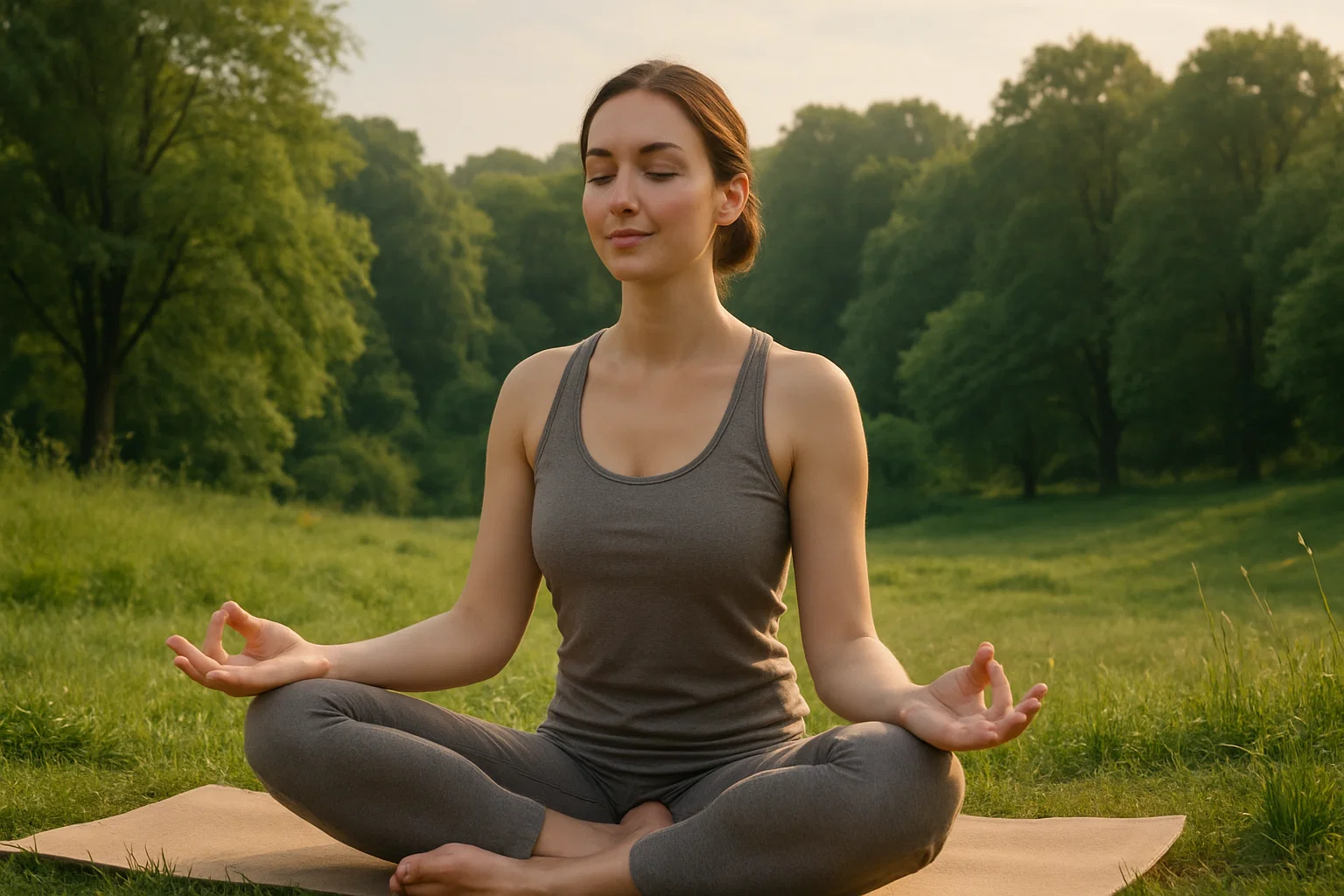
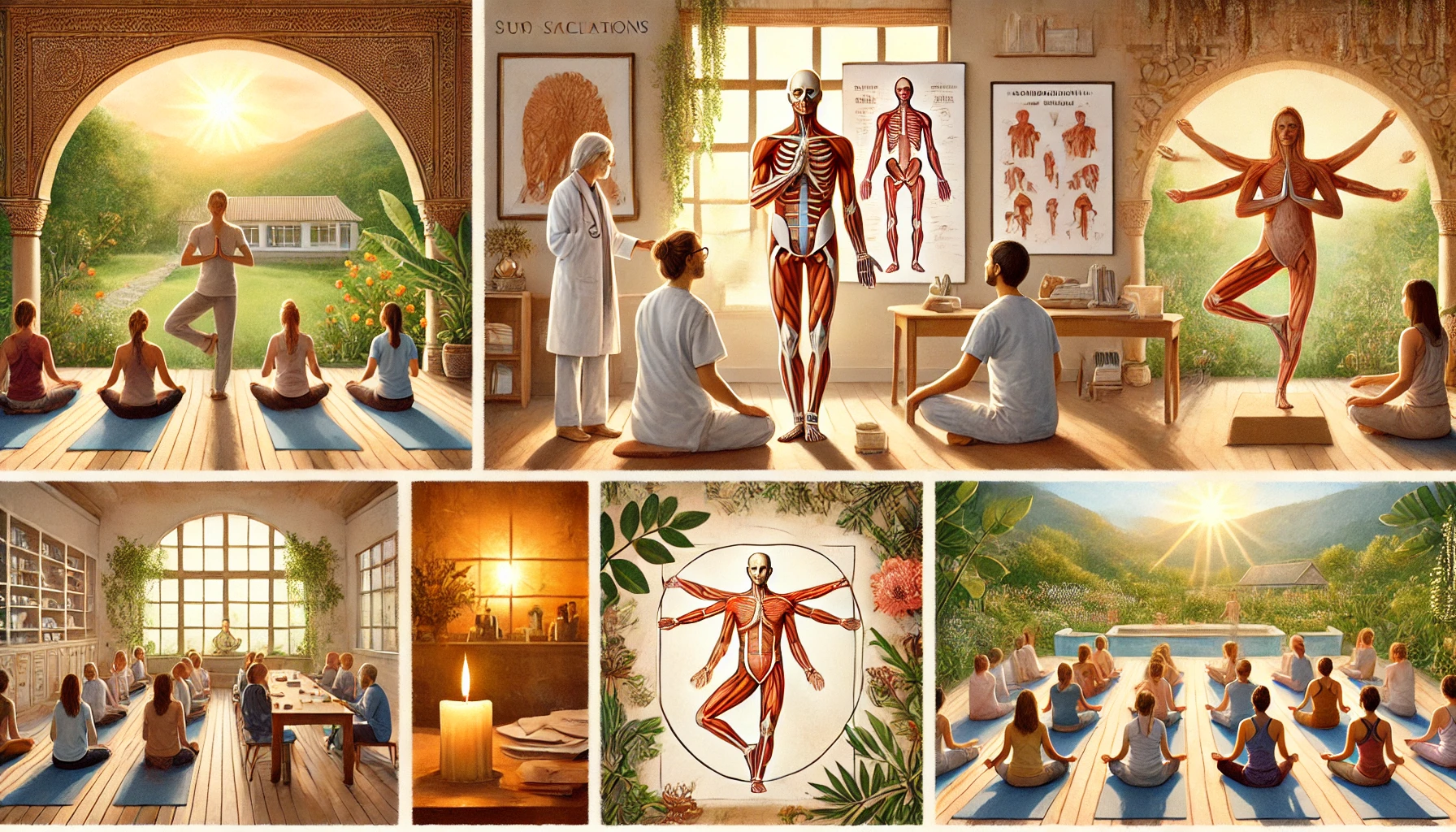
DALL·E 2025 01 26 20.19.43 An early morning yoga session in a serene outdoor setting with a group of yoga trainees practicing asanas in harmony. The sun is just rising casting Online Yoga Life

By 7:00 AM, it’s time for a 90-minute asana session led by experienced instructors. These sessions are designed to boost strength, flexibility, and balance, with a focus on traditional poses, their alignments, modifications, and benefits.

The practice is both challenging and nurturing. You’ll discover how breath and movement work together, a core element of understanding yoga as a blend of physical exercise and meditation.


Following the asana practice, a nutritious breakfast awaits. Meals are often sattvic, emphasizing fresh fruits, whole grains, and herbal teas to promote mental clarity and physical vitality.

This mealtime also becomes an opportunity to connect with fellow trainees, exchanging experiences and building a supportive community.


Late mornings, typically starting around 10:00 AM, are devoted to learning the theoretical foundations of yoga. These classes cover:

Yoga Philosophy: Insights from ancient texts like the Yoga Sutras of Patanjali and the Bhagavad Gita, exploring the ethical and spiritual principles of yoga.

Anatomy and Physiology: Understanding the human body to teach yoga safely and effectively.

By blending philosophical and scientific perspectives, you’ll gain a well-rounded understanding of yoga’s depth and significance beyond the physical postures.


After the theory sessions, trainees enjoy a light, energizing lunch. Meals are designed to sustain your energy without making you feel sluggish. Post-lunch is usually a time for rest or self-study. Many trainees use this downtime to journal, meditate, or review what they’ve learned.


Afternoon sessions, starting around 2:00 PM, focus on teaching methodology. During this time, you’ll learn how to:

Plan and structure a yoga class.

Communicate effectively with students.

Offer modifications and adjustments to suit different skill levels.

Create welcoming, inclusive spaces for all practitioners.

Practical exercises often involve group activities where trainees practice teaching under the supervision of mentors, helping to build confidence and refine teaching skills.


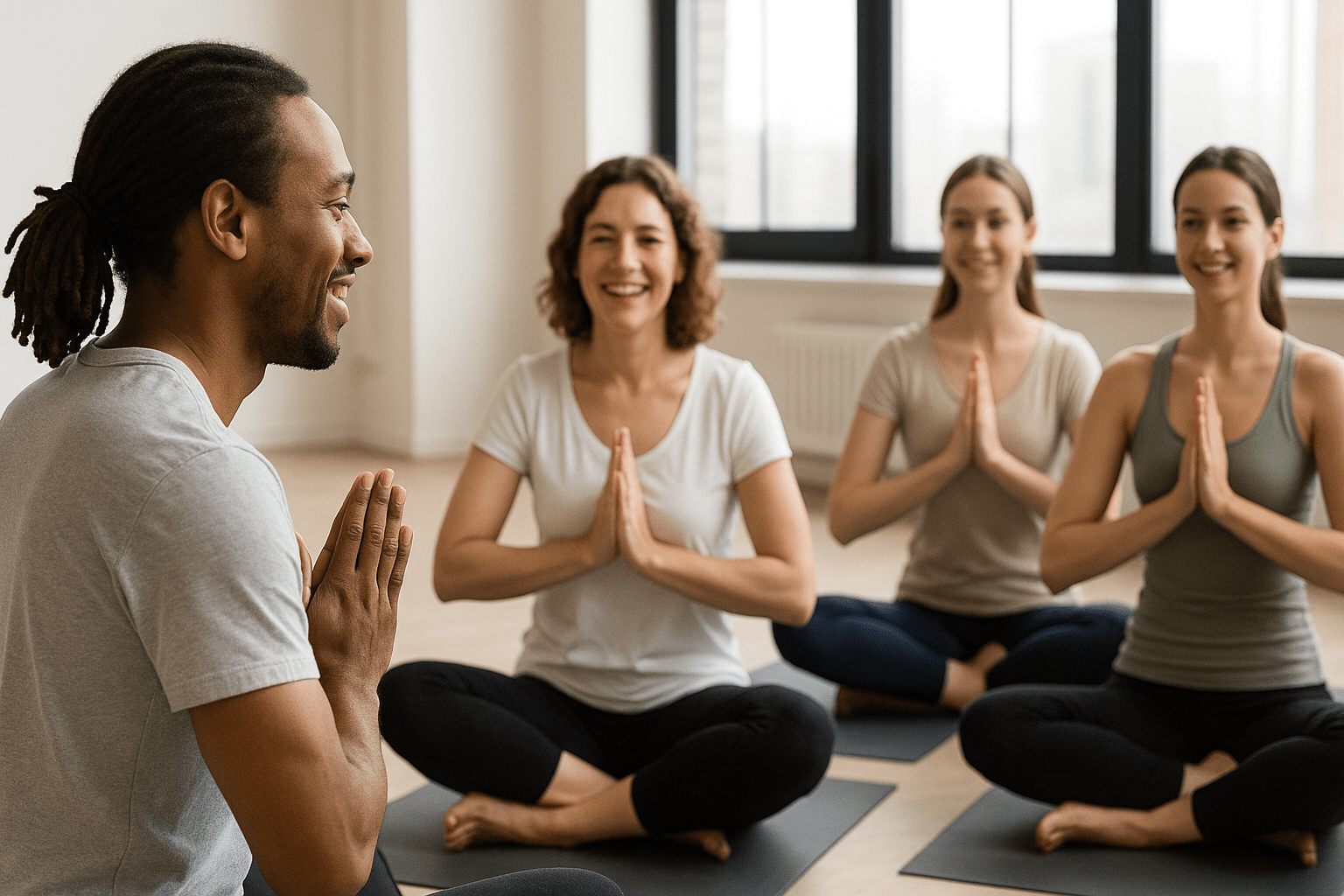
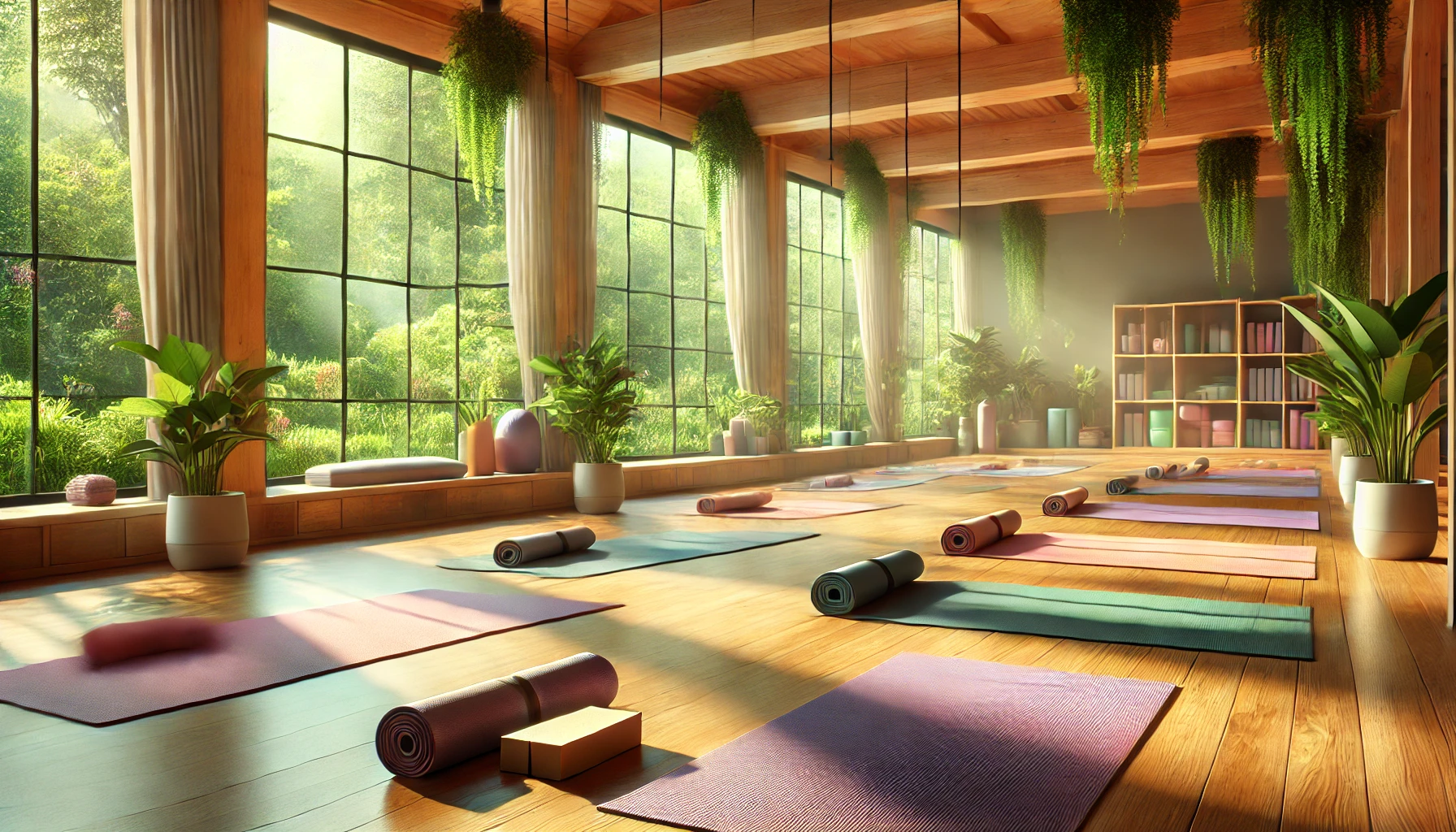
DALL·E 2025 01 26 20.19.45 A peaceful indoor yoga class with a group of trainees practicing in a bright and spacious studio. The room features wooden floors large windows letti Online Yoga Life

Around 5:30 PM, trainees gather for a calming evening session. This could include restorative Yin Yoga, guided meditation, or journaling exercises. These reflective practices encourage relaxation and help absorb the day’s teachings, fostering mindfulness—a vital quality for any yoga teacher.


Dinner, typically served early in the evening, features light sattvic dishes. Post-dinner time is yours to spend as you like—reviewing notes, studying, bonding with peers, or journaling to process the day’s experiences. These shared moments create a sense of camaraderie that enriches the training experience.


By 10:00 PM, it’s time for bed. After a day filled with physical activity, intellectual learning, and emotional growth, restorative sleep becomes essential for maintaining focus and energy throughout the course.


For those who choose online training through programs like Online Yoga Life, the daily structure remains largely the same but with added flexibility. Online training allows you to:

Schedule sessions at your convenience.

Learn from the comfort of your home.

Access recorded sessions for extra review.

While the format may differ, the focus on holistic learning and personal growth is consistent. Online trainees often benefit from personalized attention through virtual one-on-one sessions to help them stay on track.

200-HOUR YOGA

A 200-hour yoga teacher training program @onlineyogalife.com is a balanced mix of discipline, learning, and self-discovery.

From the morning Pranayama to the reflective evening meditation, every moment is carefully designed to nurture your growth as both a yogi and a teacher.

This journey not only deepens your connection to yoga but also prepares you to share its benefits with others.

Whether you’re learning in a tranquil retreat or through the flexible online courses at Online Yoga Life, each day brings you closer to becoming a knowledgeable and confident yoga instructor, ready to inspire others on their wellness journey.


yoga in virtual reality

Exploring Yoga in Virtual Reality: Immersive Paths to Deep Relaxation

Kritika Bairagi | January 16th, 2025


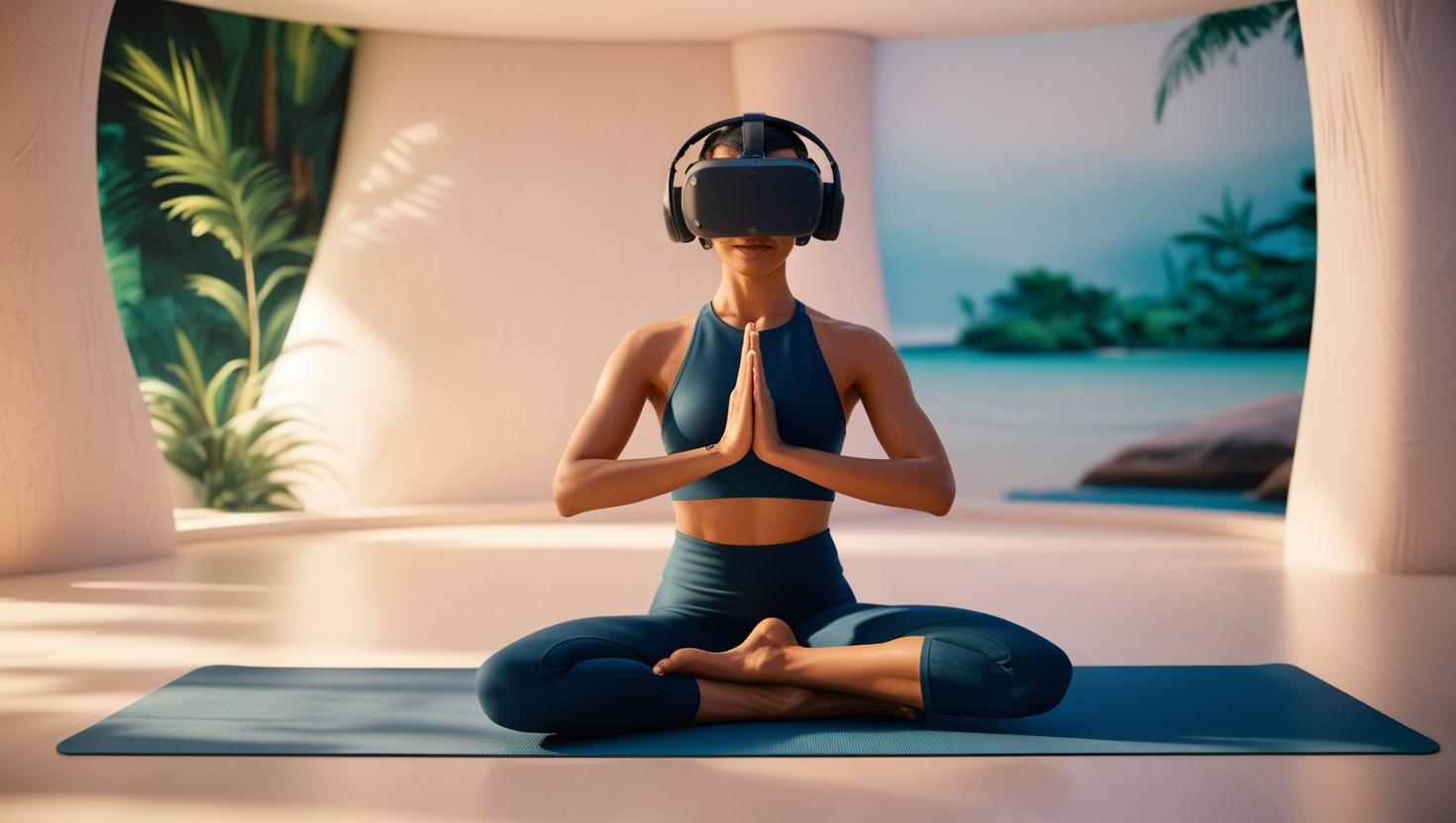
Imagine a world where you can practice yoga from the comfort of your own home, yet still feel like you’re in a serene, tranquil space—a sunlit beach, a peaceful forest, or even atop a mountain. Just imagine: Being completely immersed in a yoga experience, not only by the sounds of nature, but also through visuals and textures that surround you, enhancing how you connect to your body, mind, and breath. That’s the promise of the combination of Yoga in Virtual Reality (VR)—ancient practice combined with the cutting-edge of technology to create an immersive environment for deep relaxation, focus, and well-being.

At OnlineYogaLife.com, we believe that innovation power will make yoga better. This is the introduction of Yoga in Virtual Reality; yoga is going to a new dimension, enabling practitioners to use it in their own unique ways to deepen the practice and to get to even greater levels of mindfulness. So, let’s dive into how VR is transforming yoga and how you can apply this technology in finding relaxation and balance in your practice.


Before going any deeper into how virtual reality applies in the realm of yoga, let’s make a step for the lay person and briefly know what Virtual Reality is. Primarily, virtual reality is this technology that engulfs individuals within a synthetic digital environment by simulating and giving the effects of a real or imaginary setting. Utilizing these head-mounted devices lets consumers experience an idea as if really present there by exploring or experiencing those synthetic or imaginary places within that space of simulation.

For instance, when you put on a VR headset, you may find yourself transported to a beach at sunset, or perhaps a forest with the sound of birds chirping in the background. The experience feels real, even though you’re still in your living room. This is the power of VR—the ability to transport your senses and mind into another reality.


The beauty of yoga lies in its ability to create mindfulness, self-awareness, and inner peace through movement, breathing, and meditation. It has always been about being fully present-on the breath, the body, and the mind. However, the reality of modern life is not that simple: there are so many distractions to prevent the development of that deep sense of presence.

Enter Yoga in Virtual Reality. Virtual reality, therefore, is an immersion that will block distractions and instead envelop practitioners in environments conducive to a focused yet serene space to practice yoga. Imagine hearing ocean waves while proceeding to practice a soft flow, or meditating in the sun-dappled forest with the scents of pine trees (an inclusion of sensory elements). VR enhances the yoga experience by helping to create a tranquil, uninterrupted environment that promotes deep relaxation and mindfulness.

Think of it like this: yoga is like a garden, where the poses and breath work are the flowers and plants you’re nurturing. Virtual Reality is the garden gate—it opens up the potential for a more peaceful and distraction-free space, allowing your practice to bloom more fully.

yoga therapist training a student 1 Online Yoga Life

As yoga evolves and becomes a part of modern times, it presents a way to dive deeper into your practice and reach new levels of relaxation. Here are some of the ways Virtual Reality can benefit your yoga journey:

1. A More Immersive Meditation Experience

The quieting of the mind and a reduction of stress and a state of being well emotionally can be achieved with the help of meditation, but distractions in a form of noisiness and messy space create difficulty in entering into a deeper level of meditation. VR helps you get out of these kinds of distractions.

With VR meditation experiences, you can practice mindfulness while being immersed in soothing landscapes. You could be meditating by a calm lake, under a starry sky, or in the middle of a serene forest. The calming visuals, combined with binaural sounds and ambient noise, help to deepen your concentration and create a truly immersive state of calm. This allows you to meditate deeper and feel a sense of connection while disengaging from the outer world, focusing only on your breath and your mind.

2. Improved Concentration and Awareness

In a traditional yoga class, the instructor guides you through each pose, encouraging you to focus on your body and breath. But in today’s world, distractions are everywhere—smartphones, noisy neighbors, work commitments. Sometimes it can be difficult to fully immerse yourself in your practice.

The experience is completely different with VR yoga. Once you put on the headset, you’re transported to a space where distractions are virtually eliminated. Whether you’re practicing in a virtual ocean-side yoga studio or atop a scenic mountain, the immersive environment promotes a heightened sense of presence and focus. The more immersive the surroundings, the easier it is to tune into your breath and become one with your practice.

3. Stress Relief and Deep Relaxation

Virtual reality in yoga adds an element of enhanced relaxation for lessening stress levels. Whether in gentle restorative poses, deep breathing exercises, or meditation, VR helps the mind and body release tension and drop into the calming state.

The virtual environments for yoga in VR often include ambient music, calming nature sounds, and visual elements that promote relaxation. These stimuli work synergistically with your yoga practice to lower stress, reduce anxiety, and promote feelings of well-being. When you combine these sensory cues with yoga’s already calming effects, the result is an even more profound sense of peace and relaxation.

The body and mind in a deep restorative practice lay immersed in a virtual rainforest in Savasana (corpse pose). There are noises of rain showers and birds in the background; such sensory experiences soothe and help relax completely. Thus, practicing such yoga might help in deep relaxation, the benefit of which could be extracted.

4. Greater Ease for Yogis

The most obvious benefit of using Yoga and Virtual Reality together is the accessibility. There is nothing more fabulous than the ability to increase the accessibility of yoga for all practitioners, especially those living in areas where yoga classes are scarce, or individuals who may feel self-conscious practicing in a group setting. VR offers a way to practice yoga in the comfort and privacy of your own home.

The best part is that VR yoga can be tailored to your needs, whether you want a gentle session to unwind after a stressful day or a more intense flow to energize you. Virtual reality yoga studios often provide classes that cater to different levels, allowing you to progress at your own pace, without the fear of judgment.

Whether you are recovering from an injury, managing chronic pain, or simply seeking an accessible practice, VR offers a safe and supportive space to practice yoga without limitations.

5. A Deeper Connection with Your Practice

Yoga is a very personal journey. While it is wonderful to have teachers and peers who guide and support us, there is also something very special about the solitary moments of yoga when we connect deeply with ourselves. VR can facilitate this deep connection in ways that traditional yoga classes cannot.

Imagine practicing yoga alone and isolated in this sense but in the guidance of a virtual teacher. With virtual reality, people can attune themselves to the body, catch their flow, and live intensely in the now while experiencing being immersed in this serene environment of peace.

It lets you get better in touch with your self and your body as well as with your inner world. The sounds and the views of the virtual environment form a background which assists in fixing the focus better. This will result in a richer yoga experience for you.

yoga in virtual reality

The intersection of yoga and Virtual Reality is still in its early stages, but the possibilities for this fusion are incredibly exciting. As technology continues to evolve, VR experiences will become even more refined and accessible, offering yoga practitioners new ways to practice, learn, and grow.

In the future, we might have fully interactive yoga environments where users can experience live virtual classes with instructors from around the world or participate in group yoga sessions with friends and fellow practitioners. We may have VR yoga retreats or wellness experiences where practitioners can immerse themselves in healing environments designed to deepen relaxation and rejuvenation.

On the wearable tech side, we will be seeing experiences with VR yoga where it could use biofeedback to track heart rate, breathing, and body states to fine-tune practice. These personalization experiences would support practitioners’ ways of engaging with yoga in supporting both physical and mental well-being.


Yoga and virtual reality are definitely a match made in modern heaven. The VR experience is extremely immersive, offering an environment where focus, relaxation, and mindfulness can be amplified to connect individuals with their practices at any level. Whether seeking to enhance the depth of one’s meditation or to find moments of tranquility amidst the whirlwind of daily life, the tool for change that VR yoga offers is both powerful and limitless.

We here at OnlineYogaLife.com love discovering new and exciting ways to combine technology into your yoga practice, enhancing not only your body but also your mind. Incorporating Virtual Reality into your practice allows you to reach new depths of relaxation, presence, and peace from the comfort of your own home.

So, are you ready to plunge into the world of virtual yoga? The path to deep relaxation and mindfulness starts with the first breath. And in the world of Virtual Reality, it’s only the beginning.

yoga in virtual reality

tools for yoga instructor

Top 5 Must-Have Tools for Yoga Instructors

Kritika Bairagi | January 14th, 2025

Your tools, as a yoga instructor, are beyond just a mat and a block. You could be teaching in a studio, hosting online sessions, or even building your personal brand; with the right tools for yoga instructor, your practice is bound to enhance your life, connecting you more profoundly with your students. Here are the top five must-have tools for every yoga instructor:

Without the right tools, managing a class schedule can be overwhelming. Tools such as Acuity Scheduling, Mindbody, or Calendly can make it so easy to schedule classes, collect payments, and manage cancellations. These tools will also help you maintain professionalism while saving time.

Why It Matters: A streamlined booking system reduces the back-and-forth of scheduling, ensuring that students can book classes without hassles. It also helps to manage no-shows by automating reminders.

Pro Tip: Select a platform that integrates with your website and social media channels to make booking even easier for your students.


For online classes, investing in a good camera, microphone, and lighting setup is crucial. Clear video and audio ensure that your students can follow along effortlessly. Tools like Logitech webcams and Blue Yeti microphones are excellent options for professional-grade content.

Why It Matters: With the rise of virtual classes, creating a high-quality experience with tools for yoga instructor is non-negotiable. Poor audio or video can make it hard for students to engage.

Suggested Setup:

A ring light or softbox for even lighting.

A sturdy tripod to keep your camera stable.

Wireless microphones for flexibility during movement.

Extra Tip: Test your equipment before every session to avoid technical hiccups.

tools for yoga instructor

Building an online presence visually demands great-looking content. Through the aid of Canva, you will easily create a social media post, infographic, or class announcement. You may complement it with CapCut or Adobe Premiere Rush for engaging video content.

Why it’s helpful: Beautifully designed content will get you more students and establish your brand. The tips, poses, and wellness advice also give your audience value in terms of education and inspiration.

Create “pose of the week” posts to engage your audience.

Share success stories or testimonials from your students.

Create short video tutorials for common yoga poses.

Pro Tip: Spend time learning basic graphic design principles to make your content stand out even more.


Apps like YogaTrail, Zen Planner, or Glofox are designed specifically for yoga instructors. They offer features like student management, progress tracking, and payment processing, making it easier to manage your practice.

Why It’s Important: These apps provide an all-in-one solution for managing your yoga business. From tracking attendance to analyzing class trends, they simplify your administrative tasks.

Additional Features:

Automated reminders to ensure students never miss a class.

Analytics dashboards to track your growth.

Membership management for loyal clients.

Pro Tip: Pick an app with a user-friendly interface so you and your students have a smooth experience.


Incorporate tools like smart yoga mats (e.g., Liforme or YogiFi) that provide feedback on alignment or wearable trackers like Fitbit to help your students monitor their progress. These gadgets add a tech-savvy edge to your teaching.

Why It Enhances Teaching: Props and wearables make sessions more interactive and personalized. For example, a smart mat can guide students on proper alignment, even in a virtual setting.

Examples of Props:

Resistance bands for strength training.

Blocks and straps to make poses accessible to all levels.

Eye pillows and bolsters for restorative yoga sessions.

Pro Tip: Introduce new props gradually and offer clear instructions to help students understand their benefits.


Not directly related to teaching, but tools like Google Analytics, Rank Math, and Hootsuite help you grow your audience and reach more potential students.

Why It’s a Game-Changer: With proper marketing, your classes will be more visible to the right audience. The SEO tools can optimize your website and content on search engines. Social media management tools help manage the posting schedule on social media sites.

Pro Tip: Always monitor your data for what works and refine your strategy.


As a yoga instructor, adopting these tools not only streamlines your workflow but also enhances the experience you are able to give to your students. You’ll be able to get more out of your yoga practice by staying organized, creating content that is both interesting and unique, and incorporating innovative teaching tools. Whether running a small studio in a small town or hosting a global online platform, these tools are allies in growing your business and furthering your reach.

At Online YogaLife Courses, we understand the different challenges yoga teachers face. It is why we offer extensive online training and resources to help in your journey from mastering the very basic tools all the way up to advanced techniques in teaching.

Start to incorporate these tools into your work today and watch the way you teach and engage with your community begin to change. The right tools not only make your job easier but empower you to inspire and uplift your students in ways that you may not have ever thought possible.

yoga instructor tools

yoga vs. gym

Yoga vs. Gym Workouts: Which is Better? The Facts You Need to Know

Kritika Bairagi | January 11th, 2025

If one is planning to get in shape, most likely this will be the ultimate dilemma: Yoga vs. Gym, Exercising at a gym or Yoga? Though both follow somewhat paths of their own, both ensure really great results. Which then is better? Well, the answer is not clear-cut but it depends on a person’s lifestyle, degree of fitness, and motivation factor. Let us break this down with facts, numbers, and observation so that you come out with the best decision.


Practiced for more than 5,000 years, yoga is generally connected with flexibility and awareness. But yoga is a whole body and mind workout, not only a stretching on a mat activity.


Versatility and Movement
A 2016 study published in the Journal of Physical Therapy Science reported that those who practiced yoga for eight weeks had a 35% increase in flexibility. This can help boost overall mobility, especially as we age, and can also help reduce stiffness.

Reducing Stress
A survey by the American Psychological Association reports that 84% of yoga practitioners report their stress has decreased. Meditation and Pranayama—breathing exercises—engage the parasympathetic nerve system, thus calming the mind.

Strength Building
Surely yoga isn’t enough to build strength? Again think again. Dynamic forms such Vinyasa and Power Yoga work many muscles. Yoga can build strength up to 31% over more than 12 weeks, so say studies published in the Journal of Strength and Conditioning Research.

Avoiding Injury
Yoga improves balance and stability. Consistent yoga allows athletes to recover faster from injuries and reduces the rate of falling by 48% in older adults, according to the National Institute of Health.


yoga vs. gym


Those looking to build muscle, lose weight, or train for specific sports typically favor going to the gym. Gyms offer structured exercise choices with their selection of machines, free weights, and intense classes.

The Data Doesn’t Lie: Benefits of Gym Workouts


Strength and Muscle Gain
Regarding muscular mass, gyms are unmatched. Something yoga cannot duplicate is hypertrophy—muscle growth—created by lifting big weights. Consistent weight training has been shown in studies to boost muscle size by 7–10% over six months.

Your heart will be racing with treadmill, spinning classes, and HIIT workouts. Conveniently accessible at any gym, it’s suggested by the American Heart Association that one performs at least 150 minutes of moderate-intensity aerobic activity per week.


Burn in Calorie Count
Gym workouts are normally adopted for losing weight. Therefore :

Running at the speed of six miles per hour on the treadmill would burn nearly 600 calories an hour.
Depending on the intensity level, a 45-minute spinning class can burn 400–600 calories.


Variety and Personalization
From weight training to Zumba, gyms accommodate different types of workouts. Furthermore, the availability of trainers can offer personalized exercises to suit your needs.


AspectYogaGym Workouts
FlexibilityExcellent improvement over timeLimited unless stretching is added
StrengthBuilds functional strengthBuilds muscle mass effectively
Weight LossModerate calorie burn (~180/hr)High calorie burn (~400–600/hr)
Stress ReliefHigh (mind-body connection)Moderate
Injury RiskLow (gentle on joints)Moderate to high (improper form risks)
AccessibilityMinimal equipment requiredRequires gym access and equipment
yoga vs. gym 
yoga benefits


It depends on your goals:

For Long-Term Wellness: Yoga supports mental health, flexibility, and injury prevention, making it a sustainable practice for life.

For Weight Loss: Gym workouts take the lead with higher calorie burns and fat-shredding routines like HIIT.

For Stress Relief: Yoga’s mindfulness practices are unparalleled. It’s ideal for those managing anxiety or seeking balance.

For Strength: Both are effective, but gyms provide better opportunities for muscle hypertrophy, while yoga builds endurance and functional strength.


The best thing about this is the fact that Gym exercises and yoga go really nice together. Including both into your program will provide the best balance: strength, adaptability, and a calm head. For example:

Strength Training + Yoga: Three times a week at the gym lift the weights; twice a week for recovery do yoga.
Alternating between cardio training and yoga will help to increase endurance and flexibility.


While it might not be one size fits all, it’s crystal clear from data and statistics that yoga and visits to the gym bring different benefits altogether. You might go for yoga if you are after mindfulness and an all-around approach. Go to the gym if your quest is for brawny muscles and high-intensity training.

After all, the best exercise is one that you enjoy and stick to. Why then wouldn’t you take out your gym bag and yoga mat?

What do you think?

You-Team Gym or Team Yoga? Yoga vs. Gym? Let us know in the comments section below!

For details about teacher training, visit- onlineyogalife.com