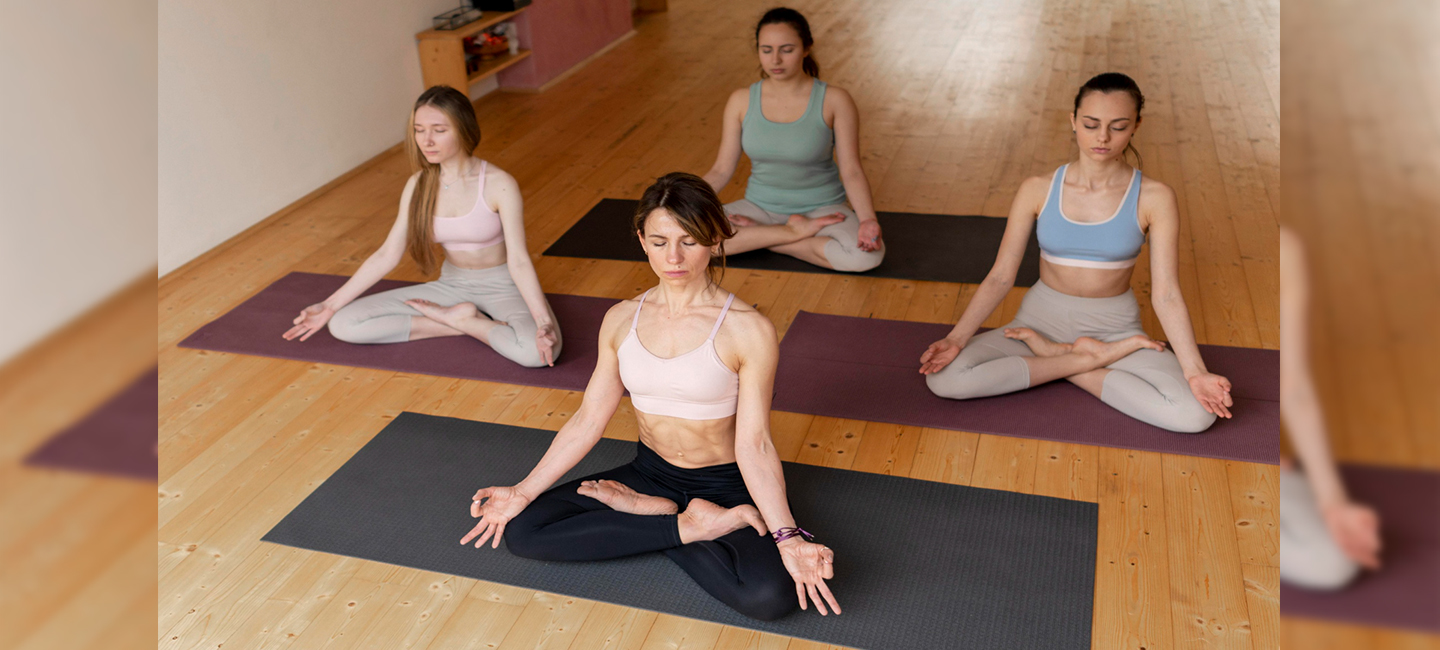
Certified Yoga Instructor | Yoga Life Global

Tag: certified yoga instructor

Yoga as Exercise Yoga as Your Primary Form of Exercise

10 Reasons to Choose Yoga as Exercise

Kritika Bairagi | January 9th, 2025


Choosing a workout routine can be overwhelming. Do you lift weights, run marathons, or try the latest fitness craze? Instead of chasing trends, why not embrace a time-tested practice that benefits your body, mind, and soul? Yoga, with its 5,000-year history, is more than just a workout; it’s a lifestyle. Plus, practicing Yoga as Exercise makes it even more impactful.

Let’s explore why yoga is worth making your go-to form of exercise—and yes, we’ll back it up with some hard facts.


Unlike most workout routines, yoga accepts all age groups, fitness level, and size. Whether it is a starter or an athlete, yoga caters to needs, making it sustainable. Researchers reveal that there are more than 36 million Americans who have adopted yoga into their lives, where the majority used it as the main form of exercise.


Yoga as exercise is not about touching your toes. It makes your muscles stronger, your posture better, and your flexibility greater. In a study conducted in the Journal of Strength and Conditioning Research, after 10 weeks of doing yoga, flexibility improved by 35% and muscular strength by 20%. This is different from weightlifting since yoga uses the body’s own weight for resistance, which can lead to balanced strength development.


Yoga isn’t just a physical workout; it’s also a mental reset. Practicing yoga as exercise helps to lower cortisol levels and thereby reduces stress. According to research conducted by Harvard Medical School, regular practice of yoga improves symptoms of anxiety and depression. The meditative aspect of yoga helps you find calm and focus, making it as much a mental exercise as a physical one.


Looking to get fit? Improve your cardiovascular health? Yoga as exercise can help. Yoga lowers blood pressure and improves circulation, which can help reduce your risk of heart disease. The American Heart Association suggests yoga as a complementary therapy for improving overall heart health. It’s particularly effective for those seeking a low-impact alternative to traditional cardio workouts.

Yoga as Your Primary Form of Exercise
Yoga as Exercise

If you have chronic pain or stiffness, yoga is a lifesaver. Research has demonstrated that practicing yoga can decrease pain in patients with arthritis, back pain, and other conditions. It increases joint flexibility by stretching and strengthening the supporting muscles in a very gentle manner. Yoga as exercise is particularly valuable for older adults who want to stay mobile and independent.


Balancing and coordination is very often lacking in most routine exercise routines but plays a key role in one’s everyday life, including preventing accidents. Yoga, as an exercise, has a tree pose and warrior III to improve the person’s balance over time gradually. One study published in Age and Ageing reported that practicing yoga could lower the rate of falls significantly among the aged.


Feeling tired? Yoga as exercise can recharge your batteries. Practicing yoga improves blood flow and oxygen supply to your cells, boosting your energy. The National Center for Complementary and Integrative Health found that yoga helps combat fatigue, making it a fantastic choice for people who feel drained after traditional high-intensity workouts.


Yoga as exercise focuses on the connection between your body and mind. Through mindful movement and breathing, you develop greater self-awareness. This not only improves your mental focus but also makes your workouts more effective. Practicing with a certified instructor ensures you learn techniques that amplify this connection.


One of the great benefits of practicing yoga as an exercise is the flexibility—pun intended. It can be performed at home, in a park, or studio. All it requires is a yoga mat and a little room. OnlineYogaLife.com hosts online classes for people led by certified instructors and is accessible irrespective of where the person is from.


Yoga is a lifestyle that contributes to long-term health, and it is not a workout. It has been observed that yoga as an exercise reduces inflammation and boosts the immune system. Furthermore, it manages weight because of the improvement of metabolism and decreases stress eating, which is also a result of regular practice.


Popularity: More than 300 million people in the world are practicing yoga.

Demographics: Yoga is popular across all age groups, with 19% of practitioners being over 50.

Results: A consistent yoga routine has been shown to reduce stress by 30% and improve the quality of sleep by 55%.

Injury Prevention: Practicing yoga as exercise reduces the risk of injury in athletes by up to 50%.

Yoga as Your Primary Form of Exercise
Yoga AS exercise

Although self-practice is good for you, working with a certified yoga instructor will ensure you achieve proper alignment and do things correctly as far as technique and safety are concerned. Routines can be customized based on your fitness level and goals. Online courses such as OnlineYogaLife.com provide classes led by certified yoga instructors to guide you through the process.


Yoga as exercise goes beyond burning calories. It’s a holistic practice that improves your physical, mental, and emotional well-being. Whether you’re looking to reduce stress, increase strength, or simply feel more balanced, yoga can deliver. Ready to start? Check out the certified courses at OnlineYogaLife.com and take the first step toward a healthier, more balanced life. Meet you soon in the next blog, Namaste!!


YogaLife Brasil Online Yoga Life

ONLINE YOGA TEACHER , GUT HEALTH

Online Yoga Teacher: Transform Gut Health with Yoga and Diet

Kritika Bairagi | January 6th, 2025

Millions of people are plagued with digestive disorders like bloating, IBS, and acid reflux every day. Most people, however, have no idea about healing their gut naturally. Being an online yoga teacher who teaches students health and wellness tips can make a lot of difference when yoga and diet strategies are applied. This post will explore how gut healing works through mindful yoga practices and dietary changes, offering valuable insights for those teaching yoga online or looking for a more balanced lifestyle.


Gut health is a balance of microorganisms in your digestive system. These tiny organisms regulate digestion, immunity, and even mental health. When gut health is compromised, symptoms like bloating, fatigue, and inflammation can arise.

As an online yoga teacher, you can help guide your students in the direction of healing their guts by combining their yoga practices with dietary changes that naturally enhance their digestion. Both physical movement and diet are important aspects of rebalancing the gut microbiome, which helps facilitate overall wellness.


As an online yoga teacher or a teacher in a studio, you can introduce targeted poses and techniques to help assist with digestion. Here’s how yoga helps with digestion:

1. Activates Digestive Organs

Some yoga poses massage and activate the digestive system. These are great for both in-person and online yoga classes:

Seated Spinal Twist (Ardha Matsyendrasana): It stimulates gut motility.

Child’s Pose (Balasana): It releases tension in the abdomen.

Ask your students to do these in your yoga teacher online sessions and directly improve digestion.

2. Reduces Stress and Inflammation

Stress contributes to poor gut health, but yoga helps by reducing cortisol levels. Practices like pranayama and Yin yoga calm the mind and gut. As a yoga teacher online, consider adding:

Pranayama Breathing: Guides your students to focus on deep, controlled breaths.

Gentle Flows: These are easy to adapt to all skill levels.

3. Improves Gut-Brain Communication

Through your yoga teacher online classes, you can also focus on activating the vagus nerve, which connects the brain and gut. Meditative practices help repair this communication pathway, benefiting digestion and mental clarity.

DALL·E 2025 01 06 21.49.22 Create a realistic 16 9 image focusing on gut health through yoga and diet. Show a person practicing yoga in a modern well lit indoor setting with n Online Yoga Life

Complementing yoga with diet amplifies the healing process. As a yoga teacher online, sharing these tips can be a value-added resource for your students:

1. Focus on Whole, Fiber-Rich Foods

Gut bacteria feed on fiber. Recommend the following:

Fruits: Bananas and berries.

Vegetables: Spinach and sweet potatoes.

Grains: Brown rice and oats.

Ask your yoga teacher online course students to take yoga classes along with a diet rich in fiber.

2. Add Probiotics and Prebiotics

Probiotics and prebiotics help maintain gut balance. Add foods like:

Probiotics: Yogurt, kombucha, and miso.

Prebiotics: Garlic, leeks, and onions.

Share gut-friendly recipes during your yoga teacher online workshops to enrich your courses.

3. Hydrate Perpetually

Hydration forms a crucial aspect of gut health. During your online yoga teaching, remind the students to drink water along with herbal teas like ginger or chamomile.


In instructing yoga online, here’s what you can do to incorporate gut-healing tips into your classes:

1. Begin with Digestive Poses

Begin your yoga teacher online classes with beginner-friendly poses like Cat-Cow or Bridge Pose. These activate the digestive system and are for all levels.

2. Provide Holistic Guidance

Teach mindful eating practices in your classes. Teach your students to not be distracted while eating and chew their food well. This makes your yoga teacher online programs more holistic.

3. End with Relaxation

Finish off your yoga teacher online classes with calming poses such as Legs-Up-The-Wall (Viparita Karani) to calm the gut and nervous system. Recommend that students have a soothing tea after class to continue healing.

DALL·E 2025 01 06 21.46.51 Create a vibrant 16 9 image featuring a serene yoga setting with a person practicing yoga outdoors surrounded by greenery sunrise in the background Online Yoga Life

In order to really support gut healing, let your students know which foods may be getting in their way. As a yoga teacher online, this tip provides an added value:

Avoid Processed Foods: These are toxic to gut bacteria.

Cut back on alcohol and caffeine. These irritate the digestive system.

Avoid artificial sweeteners. These interfere with the gut flora.


As an online yoga teacher, you have a unique opportunity to reach people who may be struggling with digestive issues. Your sessions can include poses and lifestyle tips that empower them to take charge of their health. In addition, offering gut-health-focused yoga sequences can set you apart in the online yoga market.


Gut health is the basis of general wellness, and as an online yoga teacher, you can encourage your students to heal from the inside out. The integration of yoga practices with dietary advice creates a holistic solution to digestive disorders. Whether you teach twists, pranayama, or share recipes, your online yoga platform can empower individuals to restore balance and vitality in their lives.


Restoring your gut health is a process that demands mindful movement, balanced nutrition, and consistent self-care. Yoga and dietary changes can help restore your digestive health and overall well-being naturally.  If you feel inspired to take your knowledge to the next level and share with others, check out our Online Yoga Teacher Training Courses at OnlineYogaLife.com 

Our courses are created to help you master the art of yoga and encompass holistic healing practices like gut health, mindfulness, and many more. Be part of our community of passionate yoga teachers and elevate your practice from the comfort of your home.  Your journey to becoming a transformative yoga teacher begins today at OnlineYogaLife.com. 

Don’t miss out this review!!


Yoga Teacher Training

5 Yoga Teacher Training Myths You Need to Forget

Kritika Bairagi | December 28th, 2024


Yoga teacher training is a big step, but myths and misconceptions can cloud the experience. Whether you’re unsure if you’re “ready” or think it’s only for a select few, these false ideas can hold you back from something truly life-changing.

The truth is, yoga teacher training is for anyone who wants to explore yoga on a deeper level. Let’s dive into five common myths and why they simply don’t hold up.

According to a 2020 Allied Market Research report, the yoga industry generated revenue of US$ 37.46 billion globally in 2019. This is projected to increase to US$ 66.22 billion by 2027, recording an annualized growth of 9.6% from 2021 to 2027, according to the report that looks at both online and offline markets for yoga.


Many people believe yoga teacher training is only for experts who have years of practice and can flawlessly flow through advanced poses. Reality? It’s open to everyone.

The art of learning, not proving you’re great to begin with, is what yoga teacher training is about. Programs are put in place to make sure you grow, be it mastering foundational poses or more complex asanas. A flawless handstand and decades of experience aren’t needed; curiosity and willingness are enough.

Think of it this way: you wouldn’t wait to be a gourmet chef before attending cooking school, would you? Yoga teacher training is the same—it’s there to help you build your skills, not test them.


Here’s a surprising fact: a lot of people enroll in yoga teacher training without the idea of teaching. For a number of participants, this training serves more as an opportunity to intensify one’s own practice and expand the horizons of exploration about the philosophy, anatomy, and spirituality of yoga.

Throughout the program, you’ll learn how to teach others but in the process help yourself connect with your own practice. It is rather like learning how to cook a gourmet meal: You won’t open up a restaurant, but you still reap the benefits of knowing how it’s done.

And who knows? Many people start out wanting to learn for themselves and end up discovering a passion for teaching. The choice is yours.


Yoga asanas or poses are just one of the parts of the picture. Through yoga teacher training, you are introduced to the holistic side of yoga.

You will explore the eight limbs of yoga including ethical principles, self-discipline, meditation, and breathwork. There is emphasis on yoga philosophy, anatomy, and even the cultural roots of this ancient practice.

Sure, you’ll work on physical alignment and how to safely guide students through poses, but the training is equally about understanding yoga as a lifestyle. You’ll learn tools for mindfulness, stress reduction, and living with intention—skills that benefit every part of life.


This is far from being the case. Yoga teacher training is open to all and is irrespective of age, size, or flexibility.

The diversity of participants really makes the training programs unique in itself. Whether in your 20s or 70s, you will find yoga adaptable for every body and ability. The practice of yoga teaching encourages you to honor your practice in both body and mind.

And let’s be real: most yoga students aren’t looking for a teacher who looks like a supermodel or bends like a gymnast. They want someone who can empathize with their journey and help them feel confident on their mats.


True, training as a yoga teacher requires an investment in time and money, but there are flexible options available.

Most programs offer part-time or weekend schedules for those really busy lives. And study from the comfort of home with online yoga teacher training, it fits your schedule rather than overwhelming your schedule.

You should think of it as a huge investment in yourself. Then there are scholarships, payment plans, and early bird discounts to ease the price tag. And if you do decide to teach, the training will most of the time pay for itself in the long run.

The real question is can you afford not to invest in your growth?

impact of yoga Online Yoga Life

Let’s step back and look at the bigger picture. Why do people choose yoga teacher training in the first place?

For many, it’s about self-discovery. Through learning yoga’s deeper aspects, you gain tools to handle stress, build resilience, and live a more balanced life. You’ll also meet like-minded individuals who share your passion, creating a sense of community that lasts well beyond the program.

But perhaps the biggest benefit of yoga teacher training is in how it can shift how you view yourself. As a reminder, it isn’t about perfection—it is about presence, growth, and connection.


A few months back, I weighed 65 kg, and the weight made me miserable. My life seemed to be a struggle—no clothes fitting, not being able to eat what I enjoyed, and lack of confidence. Everything changed, though, when I started working on my body, food, and lifestyle. Yoga turned into a potent weapon for change that enabled me to take charge of my well-being and medical state. It was about embracing yoga into my life, boosting confidence, and achieving balance—not only about losing weight.

Now, living a more confident and satisfied life with a greater awareness of my body and mind, I feel better than I have ever done. Yoga can transform your life as well as mine.


Improved Practice

You will learn to enhance your poses, align correctly, and modify yoga to fit different body types.

Deeper Understanding

Discover yoga philosophy, meditation, and the eight limbs of yoga.

Teaching Techniques

Learn how to plan class sequences, guide, and hold space for others.

Personal Growth

Most students report that teacher training is more about self-discovery than it is about teaching yoga.


If you’ve been holding back because of these myths, it’s time to let them go. Yoga teacher training isn’t just for the “elite yogis” or those aiming to teach professionally. It’s for anyone ready to explore yoga in a way that’s meaningful, personal, and transformative.

Are you looking for a program that fits into your lifestyle? YogaLife’s online yoga teacher training offers flexibility, expert instruction, and a supportive community to help you grow. Whether you’re looking to deepen your practice or start a teaching career, we’ll guide you every step of the way.

Don’t let myths hold you back—take the first step today!

Yogalife Ashram Barazil Online Yoga Life

Yoga Instructor guide for 5 vaayus

The 5 Vaayu in Yoga: A Yoga Instructors Guide

Kritika Bairagi | December 25th, 2024


If Yoga were a symphony, the 5 Vaayus would be its melodies – the subtle winds orchestrating the body’s rhythm and energy flow. These “winds” or “currents” are poetic metaphors and the building blocks of life itself, guiding essential functions like breathing, digestion, and movement. For a yoga instructor, understanding these Vaayus is akin to holding the blueprint of balance and vitality in the human body.At Online Yoga Life, we believe that every yoga instructor can unlock the magic of these ancient concepts to create truly transformative classes. Let’s journey into the heart of the 5 Vaayus and discover their significance in Yoga and daily life.


The word “Vaayu” translates to “wind” or “air,” representing the five primary movements of prana (life force energy) in the body. Think of them as invisible energy streams that fuel everything from your first breath to your deepest meditation. Each Vaayu or Prana governs specific physiological and energetic functions, and understanding them can deepen a yoga instructor’s approach to teaching.

Here’s a closer look:

Location: Chest and heart region

Function: This is the force of inward movement – it governs breathing, sensory intake, and energy absorption.

Yoga Practices:

Asanas: Bhujangasana (Cobra Pose), Matsyasana (Fish Pose)

Pranayama: Ujjayi breathing, Anulom Vilom

Analogy: Imagine Prana Vaayu as the act of drawing water into a well. It brings life-sustaining energy into the body. A yoga instructor might encourage students to focus on deep, intentional breaths during asanas to stimulate this energy and awaken vitality.


Location: Pelvic region

Function: The force of downward and outward movement, Apana governs elimination, detoxification, and reproductive functions.

Yoga Practices:

Asanas: Malasana (Garland Pose), Janu Sirsasana (Head-to-Knee Pose)

Pranayama: Kapalabhati, Bhastrika

Analogy: Think of a river clearing debris as it flows downstream. Apana Vaayu works to release toxins and create space for renewal. As a yoga instructor, teaching poses like Malasana can help students feel lighter and more grounded.


Location: Navel and digestive area

Function: This is the balancing force, helping to assimilate and distribute energy through digestion and transformation.

Yoga Practices:

Asanas: Navasana (Boat Pose), Trikonasana (Triangle Pose)

Pranayama: Nadi Shodhana (Alternate Nostril Breathing)

Example: Picture a fire in the belly converting raw ingredients into nourishment. By engaging Samana Vaayu through practices like Trikonasana, a yoga instructor can guide students to strengthen their core and digestive system.


Location: Throat and head region

Function: Governs upward energy, self-expression, and higher consciousness.

Yoga Practices:

Asanas: Sarvangasana (Shoulder Stand), Ustrasana (Camel Pose)

Pranayama: Brahmari (Humming Bee Breath)

Analogy: Think of Udana Vaayu as a kite soaring upwards. It inspires creativity and communication. A yoga instructor might integrate Udana-centric practices to help students unlock clarity and confidence in their expression.


Location: Entire body

Function: Oversees circulation, coordination, and integration of all energies.

Yoga Practices:

Asanas: Tadasana (Mountain Pose), Virabhadrasana (Warrior Pose)

Pranayama: Full Yogic Breath

Example: Envision water flowing evenly through an intricate irrigation system. Vyana Vaayu ensures harmony and balance throughout the body. Incorporating Vyana-focused techniques, such as Tadasana, helps students feel steady and centered.


For a yoga instructor, the 5 Vaayus are more than just philosophical concepts; they’re practical tools to:

Customize Classes: Address specific student needs, from stress relief to improved digestion.

Enhance Teaching Impact: Bring depth and authenticity to your sessions by integrating subtle energy work.

Foster Holistic Wellness: Help students achieve harmony on physical, emotional, and spiritual levels.

At Online Yoga Life, our teacher training courses are designed to empower yoga instructors with this profound knowledge. Whether you’re teaching online yoga classes or in-person sessions, the 5 Vaayus can elevate your practice and inspire your students.


Incorporating the 5 Vaayus into your teaching doesn’t have to be complicated. Here are some tips:

  1. Start with Awareness: Begin your class with a brief introduction to the 5 Vaayus, helping students visualize these energy flows.
  2. Pick a Theme: Dedicate a session to one specific Vaayu. For example, focus on detoxifying poses and Kapalabhati to activate Apana Vaayu.
  3. Blend Techniques: Combine asanas, pranayama, and meditation for a well-rounded approach.
  4. Create Real-Life Connections: Share examples of how these practices can enhance daily life – such as improving digestion or boosting mental clarity.
  5. Encourage Reflection: End with a guided meditation, inviting students to notice subtle shifts in their energy.
  6. Incorporate Visuals: Use diagrams or descriptions to help students better understand where each Vaayu operates within the body.

A yoga instructor’s role is not just limited to guiding students through asanas; it’s also about helping them integrate Yoga into their daily lives. Understanding the 5 Vaayus can help students make these connections:

Prana Vaayu: Encourage students to practice mindful breathing during moments of stress, like before a presentation or meeting.

Apana Vaayu: Highlight the importance of detox practices, such as drinking warm water in the morning or engaging in poses that encourage elimination.

Samana Vaayu: Teach students to cultivate gratitude during meals, emphasizing how digestion begins not in the stomach but in the mind.

Udana Vaayu: Encourage journaling or chanting practices to support self-expression and emotional release.

Vyana Vaayu: Inspire students to embrace activities that promote full-body movement, like walking or dancing, alongside their Yoga practice.

By tying these ancient concepts to modern habits, a yoga instructor helps students feel the relevance of the 5 Vaayus in their everyday lives.

YOGA INSTRUCTOR GUIDE TO 5 VAAYUS

Becoming a truly impactful yoga instructor means continuously expanding your knowledge and skill set. At Online Yoga Life, our teacher training programs cover:

In-Depth Modules: Explore the 5 Vaayus and their applications in modern Yoga.

Practical Guidance: Learn how to seamlessly integrate these concepts into your teaching.

Flexible Learning: Access online yoga classes at your own pace, from anywhere.

With over two decades of experience, we’ve helped countless yoga instructors worldwide refine their practice and share the beauty of Yoga with their communities.


Why do the 5 Vaayus matter today? Because they offer:

Stress Management: Practices targeting Prana and Apana Vaayus can calm the nervous system and reduce anxiety.

Enhanced Vitality: Engaging Samana and Vyana Vaayus boosts digestion, circulation, and energy levels.

Personal Growth: Tapping into Udana Vaayu nurtures creativity and spiritual awareness.

For a yoga instructor, understanding and working with these energies is a journey of mastery – one that deepens your connection with your students and the timeless wisdom of Yoga.


During one of my teacher training sessions, a student approached me with concerns about feeling lethargic and unbalanced. By introducing her to the concept of the 5 Vaayus, we created a tailored practice focusing on Prana and Samana Vaayus. Within weeks, she reported not only increased energy but also a newfound appreciation for the subtleties of Yoga. This is the transformative power of understanding the Vaayus.

Start Your Journey Today

Are you ready to elevate your teaching? Join our Online Yoga Life Teacher Training Program Now!!!!

Untitled design 2 Online Yoga Life

Certified Yoga Training

Accreditation: The Importance of Certified Yoga Training Courses

Kritika Bairagi | December 14th, 2024

Certification is not just a credential—it’s a commitment to quality, authenticity, and the transformative power of yoga.

Yoga is more than simply physical exercise; it is a whole discipline that benefits the mind, body, and spirit. As the popularity of yoga develops worldwide, so does the demand for competent and qualified instructors who can teach with integrity, confidence, and sincerity. At Online Yoga Life, we take pride in providing internationally approved and certified yoga training programs for teachers that equip aspiring instructors and practitioners for fulfilling careers in yoga and wellness.

Accreditation is the standard for quality, professionalism, and safety in yoga instruction. A recognized program assures that the curriculum meets worldwide standards and provides students with the knowledge and skills they need to succeed. Understand the need for certified yoga training.

Courses approved by reputable organizations, such as the Yoga Alliance USA and the Quality Council of India (Ministry of Ayush), give significant value to your qualifications. Students who complete accredited programs, such as those offered by Online Yoga Life, gain global reputation, which leads to opportunities in studios, health retreats, corporate programs, and other settings.

A teacher training yoga TO STUDENTS Online Yoga Life

Online Yoga Life has a unique approach, integrating traditional yogic teachings with the ease of modern online learning. Under the tutelage of Dr. Radheshyam Mishra (Guruji), we provide courses that cater to practitioners at all stages of their path, from beginners to experienced students. Guruji’s teachings are profoundly founded in yoga philosophy, resulting in a transforming experience for each learner.

We provide a variety of programs and certified yoga training customized to fit varied needs and interests.

1. 200-hour yoga teacher training course.

This beginner course focuses on basic asanas and pranayama practices.

An introduction to yoga philosophy, including Patanjali’s Yoga Sutras.

Teaching methods and practice teaching.

The fundamentals of yoga anatomy and physiology.

This curriculum prepares individuals to lead yoga sessions confidently and safely.

2. 500-Hours Advanced Yoga Teacher Training Course

This thorough training is ideal for experienced practitioners and covers advanced asana and pranayama techniques.

Yoga therapy principles for treating hypertension, back pain, and diabetes.

In-depth exploration of meditation, kriyas, and mudras.

Research methods and yoga class management.

Graduates of this course are prepared to teach therapeutic yoga around the world.

3. Yoga Therapy Certification.

A specialist course that teaches yoga as a therapeutic technique for addressing chronic diseases. Topics including yoga for stress, anxiety, and sleeplessness.

Therapeutic uses for lifestyle disorders such as hypertension and diabetes.

Creating tailored yoga sessions for customers with special requirements.

4. Holistic Nutrition Certification.

This approach combines yoga ideas and diet to enhance overall wellness. Key components include yogic diet principles and mindful eating practices.

Nutritional practices to improve physical and mental wellness.

Creating tailored diet plans for students and clients.

For more information about our certified yoga training courses, visit: https://www.yogalife.co.in/best-online-yoga-teacher-training-in-us/

Certified Yoga Training Online Yoga Life

Global Accreditation

We offer certified yoga training courses from internationally renowned organizations, giving students legitimacy and global recognition.

Expert advice

Our programs, led by Guruji and a team of qualified professors, combine traditional wisdom with modern approaches.

Therapeutic Focus

With specialized sections in yoga therapy, our certified yoga training trains students to address a variety of health issues through holistic practices.

Flexible Learning Opportunities

Online Yoga Life provides live sessions, recorded classes, and interactive practice training to suit around your schedule.

Career Opportunities

Graduates can teach yoga in studios, lead workshops, organize retreats, or even start their own online yoga platforms.

Dr. Radheshyam Mishra,Guruji, is the driving force behind Online Yoga Life. With decades of expertise, his lessons highlight yoga’s ability to unite the body, mind, and spirit. Guruji’s individualized mentorship guarantees that students not only master yoga methods but also live the concept in their daily lives.

Certification is crucial for professional yoga teaching, as non-certified schools typically lack the requisite depth, organization, and safety measures. By selecting an authorized course from Online Yoga Life, you:

Obtain thorough knowledge and practical experience.

Develop a reputation among students, studios, and wellness organizations.

Join a global community of trained yoga practitioners.

Join the Online Yoga Life Community.

Online Yoga Life’s certified yoga training programs are more than just courses; they lead to transformation. Whether you want to teach yoga or improve your practice, our courses will provide you with the tools you need to make a real difference.

Join the transformative journey of Online Yoga Life, blending tradition and authenticity with contemporary education. This will give one a great opportunity to mold qualified, confident, and certified professionals in yoga studies. If you are getting started on your path or trying to excel in it, our globally accredited programs facilitate embracing yoga as a living way to inspire others, too. Step into your bright future and your student’s future.

Start your trip now! Discover our classes and registration options at www.onlineyogalife.com. Let us create a world in which yoga benefits lives, guided by Guruji’s wisdom and the strength of community.

Hypertension

Natural Ways to Control Hypertension ; Yoga for Heart Health

Kritika Bairagi | October 5th, 2024

    1. Introduction
    2. Understanding High Blood Pressure
    3. Conventional treatments and traditional remedies
    4. Role of Yoga in Management of High Blood Pressure
    5. Diet and Nutrition for Hypertension Management
    6. Bring Yoga into Your Life
    7. Conclusion

    One of the most pressing concerns for people in today’s world is Heart Health, and one of the most common cardiovascular diseases is hypertension or high blood pressure. Millions around the globe suffer from hypertension, which can creep up on them in silence, with no overt signs at its onset, but over time it threatens to cause serious ailments such as stroke, heart attack, and kidney disease.

    While medical treatments and lifestyle changes are a good bet for treatment, a holistic approach in managing high blood pressure would really intensify wellness-and Yoga provides an intense and natural way of doing it.

    What Is Hypertension? Hypertension is the condition when the force of blood pushing against the walls of your arteries stays too high over time. Blood pressure is measured in two values: systolic and diastolic. Systolic measures the pressure in the heart when it beats, and diastolic measures pressure when the heart rests between beats. A normal reading would be around 120/80 mmHg. Hypertension is diagnosed when this value surpasses 120/80 mmHg in the long run.

    What Causes Hypertension? The cause of hypertension can vary as it is not attributed to a single cause but mostly a combination of lifestyles, genetics, or other underlying health conditions. A number of the more common causes include:

    Unhealthy diet: Eating diets that contain high salt, processed foods, and high amounts of sugar increase the risk for hypertension.

    Lack of physical activity: A sedentary lifestyle leads to poor circulation and hence contributes to high blood pressure.

    One of the common causes of high blood pressure is stress. This is because it causes the production of hormones such as cortisol and adrenaline that increase the rate at which the heart functions.

    Smoking and alcohol: All these bad habits damage your arteries, narrowing them, leading to the increase in pressure.

    Obesity: Any excess weight forces the heart to work more hard to pump blood, hence increasing the pressure on the artery walls.

    Genetics: Family history also determines susceptibility to hypertension.

    After someone has developed high blood pressure, the medications are initiated by the pills prescribed by the doctor. Some of these prescribe drugs regularly used in dealing with hypertension include:

    ACE inhibitors and ARBs: Their function entails the dilation of blood vessels.

    Beta-blockers: They decrease the heart rate and its work.

    Diuretics: They help to reduce sodium levels within the body in the hopes of reducing pressure.

    Calcium channel blockers: Prevent calcium from entering heart and blood vessel cells, leading to the vessels relaxing.

    These treatments provide relief to some extent but lead to side effects that have offset the effectiveness of these remedies: dizziness, fatigue, or predisposition to other complications. Thus, an adjunct approach would be to introduce Yoga as an alternative solution to hypertension and balance heart health in general.

    Yoga, therefore, follows all physical, psychological and emotional needs of hypertension. Through practice, it is believed that one could even control and reduce the high blood pressure through Asanas (postures), Pranayama (breathwork), Kriyas (cleansing techniques), meditation, and mindful eating.

    1. Yoga asanas provide multiple benefits ranging from physical and emotional wellbeing to increased energy levels, Some poses are very ideal for hypertension patients as they increase blood circulation, soothe the nervous system, and cut down stress levels – all a prescription for health for the heart.

    Tadasana (Mountain Pose): This is the foundational stance that helps correct the whole posture by maintaining blood flow smoothly around the body while at the same time soothing your mind.

    yoga pose for hypertension

    Vrikshasana (Tree Pose): It brings balance and calmness while improving concentration, thereby reducing stress levels.

    yoga pose for hypertension

    Setu Bandhasana: Reaches up the torso and lungs, so it encourages cardiovascular health while easing back and neck muscles.

    2 Online Yoga Life

    Shavasana:This is the pose that everyone ignores too much. Shavasana leads to deep relaxation, lowers pressure, and helps manage blood pressure.

    5 Online Yoga Life

    Viparita Karani: This restorative pose reverses the blood flow to support circulation and calms the mind.

    6 Online Yoga Life

    Sukhasana: This is the proper seat for meditation and breathwork. This is one very simple seated forward bend that can help one develop his or her mindfulness and quiet the internal self.

    1 Online Yoga Life

    For asanas to control stress & anxiety learn more.

    2. Pranayama for High Blood Pressure Equilibrium in breathing has to be maintained while meeting high blood pressure as it directly affects the pulse and nervous system. Pranayama practice relaxes blood vessels and increases oxygen flow to the heart.

    Alternate Nostril Breathing (Anulom Vilom): It brings a balance to the autonomic nervous system and reduces stress so that blood pressure can be balanced.

    Bhramari Pranayama (Bee Breath): This helps relax into a meditative state, with an added soothing hum that silences the mind and has an effect on lowering blood pressure.

    Sheetali Pranayama (Cooling Breath): It cools down the body and provides relief to the nervous system, thus reducing hypertension.

    3. Purification and Cardiovascular Health: Purification practices Kriyas are the best methods of detoxifying the body, thus leading to better cardiovascular health and the resultant management of blood pressure.

    Jal Neti : Cleanses nasal passages for easier breathing, thus nourishing a calm nervous system.

    Kapalbhati: This is yet another more advanced breathing technique in the set that cleanses the respiratory system and increases lung capacity, thus aiding for good oxygenation of the blood.

    4. Emotional Balance through Meditation The mind is the primary organ for stress management, and it usually dictates high blood pressure. If you meditate regularly, you will reduce various responses to stress in your body and begin to regulate hypertension naturally.

    Also read for stress management ;

    Mindfulness Meditation. Being present here and now reduces worry and anxiety, lowers stress hormone levels, and brings down blood pressure.

    Also read; To know more about benefits of yoga for Mind and Body

    Loving-Kindness Meditation: This activity promotes good feelings, releasing happy hormones such as oxytocin that will calm the heart even in lowering hypertension

    Chanting OM: The vibration that is created when one chants OM brings down the heart rate and blood pressure and calms the body and the mind.

    Nutrition, to a large extent, takes care of heart health in Yoga. Diet will therefore prevent or improve conditions of high blood pressure.

    Sodium reduction diet: Salts should be taken at its minimum levels while taking intake for the control of hypertension. Natural, unprocessed foods are the best.

    High fiber diet: Include whole grains, fruits, and vegetables to promote digestive health to help control blood pressure.

    Healthy fats: Include healthy fats like those in avocados, nuts, and olive oil to regulate cholesterol levels.

    Potassium-rich foods: Potassium keeps sodium under control, and hence, keeps your level in check. So you can load up on bananas, sweet potatoes, spinach and other food.

    Hydration: Make sure you are well hydrated with adequate water; this will help keep your kidneys in optimum working condition to ascertain blood pressure.

    Avoid Caffeine and Alcohol: Both tend to elevate blood pressure-keep them in check or avoid them altogether.

    Management of hypertension requires regular holistic practice of Yoga. Daily mindful Asanas, breath work, and meditation help reduce stress and improve cardiac health. That being said, conscious eating practices in tune with Yogic philosophy lead to better heart health.

    At Online Yoga Life, our online course on Online Teacher Training ; The ultimate guide for becoming certified yoga trainer, has multiple modules in which we talk about yoga as an art of healing science where we teach our student to use yogic technique for disease problems like hypertension. Our holistic approach will train aspiring yoga teachers and enable them to help others through holistic practices in the management of diseases.

    Whether you’re looking at training for personal education or want to help others naturally achieve better heart health, our training program is your ideal setting. Modules taken in specialization for Yoga therapy include intensive practices that can help you on your self-management plan with regard to your health and well-being-or that of someone else’s.

    High blood pressure is a serious condition and needs a thoughtful and all-rounded approach. Although pharmaceutical companies have the answers, the addition of Yoga into your life offers long-term benefits to your heart and being. Through the techniques of Asanas, breathwork, meditation, and a diet healthy for the heart, Yoga creates a natural approach to lowering hypertension to live a healthier, more balanced lifestyle. Whether the pursuit is about high blood pressure in oneself or people around, this is a powerful, sustainable path toward applying Yoga for heart health.

    Learn more about using Yoga as a therapeutic tool in our online yoga classes. For more details check out our website at www.onlineyogalife.com where you can also find our Online Teacher Training Course, where we explore the potential for yoga to positively influence cardiovascular health and so much more.

    10 steps big Online Yoga Life

    Certified Yoga Instructor: Conquer the 10 Steps Path

    Kritika Bairagi | July 16th, 2024

    Certified Yoga Instructor: Conquer the 10 Steps Path

    Do you feel like you want to go deeper with your yoga practice? Ever considered becoming a certified yoga instructor? If this is where you are wondering where to start then read on because this journey is exhilarating and transformational. It’s not about mastering the asanas, but opening into the philosophy of yoga and sharing that wisdom with others. While you may feel overwhelmed by the process, don’t worry-we’re here for you at every step.

    Step 1: Regular yoga practice

    And before you become a teacher, you have to become a dedicated student. No, twisting into pretzels or balancing on one’s head is a requirement, but you do require a good sense of the foundational poses and principles. Take classes regularly, branch out in styles, and practice at home. Throw in some “yoga pants” selfies, too; you’re an influencer at this point!

    Step 2: Commitment to getting qualified as a certified yoga instructor

    And it definitely won’t be a hobby, it will be a serious commitment of your time, energy, and often, your money. You’re committing to the journey, so you must be sure you’re ready. It’s not about the destination, remember? It’s about the journey, and what a journey it is! A little like a path to enlightenment with rather more sweat and possibly some awkward moments along the way. 

    Step 3: Select your training program

    Not all Yoga Teacher Training (YTT) programs are equal. Seek out an internationally recognized program like the ones from Yogalife Global, they provide 200 and 500-hour RYT programs that allow for a comprehensive curriculum and personalized instruction. Take your time; it is just like picking a partner: it should feel right for you! 

    Step 4: Find yoga philosophy

    Yoga is so much more than the physical postures. Diving into philosophy using ancient texts and principles of yoga, you ensure when you do complete your training, you have a solid foundation to draw upon in teaching. You’ll learn about ahimsa, or non-violence, and svadhyaya, which means self-study. Ahimsa is incredibly rewarding when you apply it to real life: goodbye, road rage! 

    certified yoga instructor, 10 steps to becoming one

    Once you have settled on a program, it’s time to get wet and steamy! So, get going with your learning and soak it all in. Remember, too, that getting prepared for certified yoga instructor is a lifelong education. You’ll never be done learning even after your training. So, prepare for plenty of “Aha!” moments and maybe even a few “Why did I sign up for this?” moments. All part of the experience!

    Step 6: Become a certified yoga instructor 

    Now that you’ve completed your training, it is time to get ready to be a certified yoga instructor. You’ll need to pass a test and earn teaching hours. Not nearly as intimidating as it sounds! This is like a group project, but you won’t be left carrying the whole load. And even better, you might be able to take the test in your favorite yoga clothes.

    Step 7: Registered with Yoga Alliance

    International recognition with the Yoga Alliance, ah! This will immediately open the doors of teaching certified yoga abroad, considering you teach on a beach in Bali or New York City. Imagine becoming the “yoga instructor who can do downward dog while explaining the ins and outs of the chakras.”

    Step 8: Discuss on

    The best way you’re going to be a good certified yoga teacher is to never stop learning. Seek out workshops, and further educational courses, and continue deepening your practice. As the adage goes, the more you learn, the less you know. And this can lead to some enlightening conversations at dinner parties—”Did you know that the ancient yogis practiced in the dark because they thought it heightened their intuition?” Who needs small talk when you can discuss spiritual enlightenment?

    certified yoga instructor, how to become one

    Step 9: Start teaching

    Teach! Small community class or large studio, just start giving back. Everyone had to be a beginner at one time or another. So don’t worry if you forget a pose or mix the sun salutations. Your students will like it because of its true nature, and if worse comes to worst, you could just “Let’s just flow with it” for any wrong moves. 

    Step 10: Review and fine-tune

    Teaching is a learning exercise. Think about your classes, take feedback, and modify them accordingly. Remember, yoga is a practice, not a performance. The same goes for teaching! Every time you step onto the mat with your students, it’s an opportunity to learn from them as well. After all, they might have some hilarious stories about trying to follow along in class—like the time someone accidentally did a split instead of a lunge! 

    Conclusion: Soak up the experience 

    The path to becoming a certified yoga instructor is, in itself, very rewarding and life-altering. It is not just teaching certified yoga from one day to the next but is about deepening one’s practice and sharing this love with others. You will be part of that global village of yogis committed to spreading peace, love, and well-being. write your thoughts on this blog.