Yoga Benefits | Yoga Life Global

Tag: yoga benefits

backpain ,yoga therapy

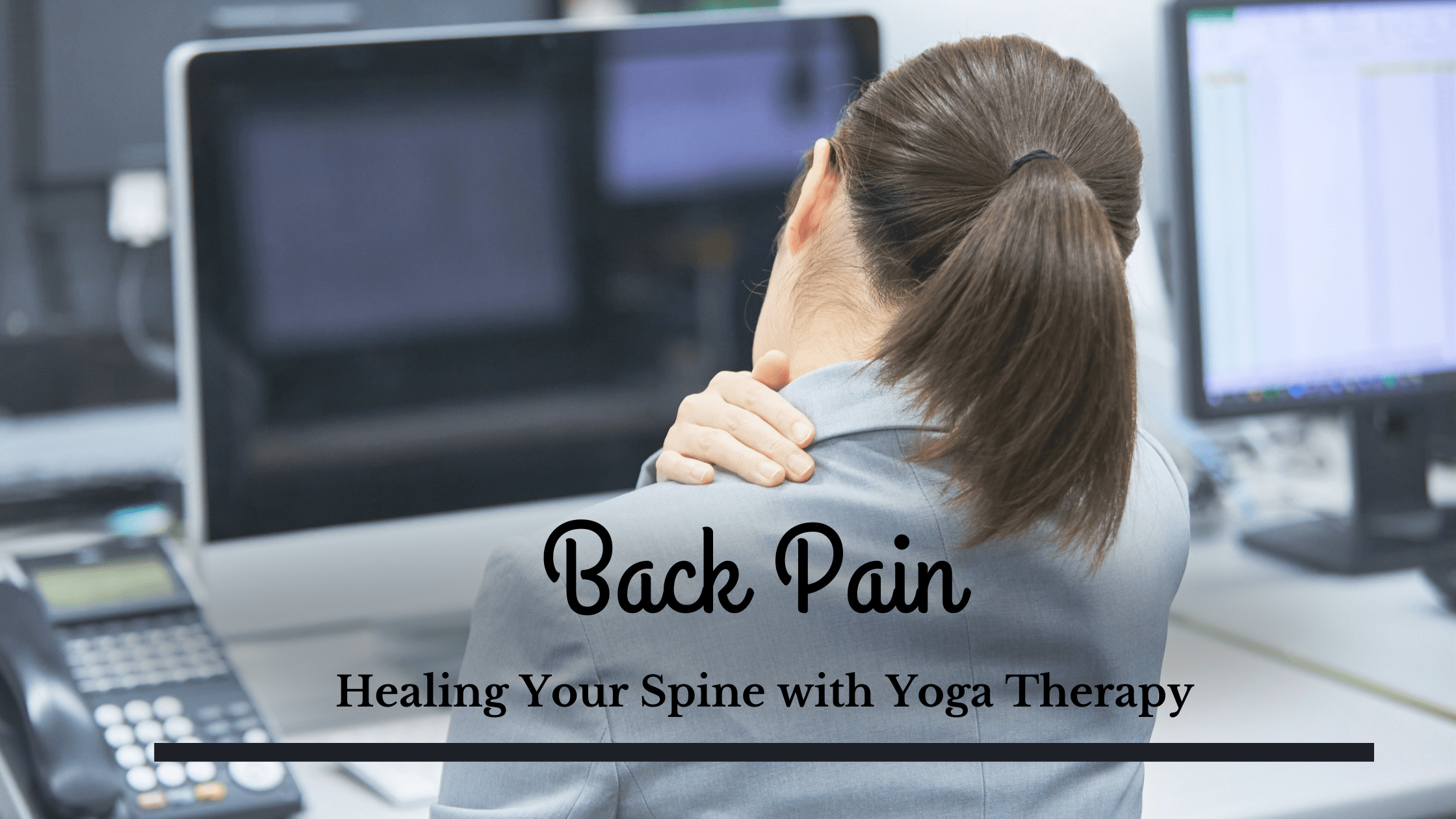
Back Pain – Healing Your Spine with Yoga Therapy

Kritika Bairagi | August 9th, 2025

 Back Pain – Healing Your Spine with Yoga Therapy

Learn how Yoga Therapy and Naturopathy can heal posture, ease pain, and stabilize your back for life.

Back pain is one of the most prevalent health issues of the modern world—affecting everyone from teenagers burdened with heavy backpacks, to working professionals stuck behind their desks, to elderly individuals with stiffness.

Between 20% to 80% of adults have back pain at one time or another during their lives, as estimated by the WHO. What’s worrying is that it’s no longer age-dependent—young adults in their 20s and 30s are now complaining about chronic pain because of poor posture, excessive screen time, and lack of mobility.

Although painkillers and temporary treatments do work, they hardly ever treat the underlying cause. This is where Yoga Therapy and Naturopathy come in—not only to alleviate pain, but to normalize spinal alignment, correct posture, and prevent recurrence.

Must Read – Heal with Yoga: Natural Solutions for Modern Diseases


Identification of the Cause of Back Pain

Back pain is seldom due to one reason—it’s usually a combination of lifestyle, muscle weakness, and stress. Some of the common causes are:

Poor posture: “Tech neck” and rounded shoulders from prolonged use of devices.

Weak core muscles: The core stabilizes the spine—when weak, the back is affected.

Sedentary lifestyle: Prolonged sitting compresses the lower back and hardens muscles.

Stress and tension: Emotional tension can produce chronic muscle tension.

Degenerative conditions: Such as spondylitis, disc herniation, or arthritis.

In Yoga philosophy, the spine (Meru Danda) is regarded as the axis of energy. Misalignment impacts the body as well as the flow of prana (life force) in the system.


How Yoga Therapy Alleviates Back Pain

Unlike instant fix remedies, Yoga Therapy addresses the issue comprehensively. It treats muscle imbalance, spinal mobility, mental tension, and habit patterns—all the factors responsible for pain.

Here’s how:

Releases tight muscles using gentle stretches.

Strengthens weak areas that cause instability.

Improves flexibility so the spine can move freely.

Restores natural curves of the spine to minimize strain.

Enhances posture and body mechanics awareness.

back pain

Therapeutic Yogic Practices for Back Pain

1. Asanas (Postures)

These postures emphasize safe, progressive improvement:

Cat-Cow Stretch (Marjaryasana-Bitilasana): Loosens the spine, increases flexibility.

Cobra Pose (Bhujangasana): Strengthens back, opens chest.

Bridge Pose (Setu Bandhasana): Activates glutes, stabilizes lower back.

Child’s Pose (Balasana): Relaxes tension, gently opens the spine.

Supine Twist (Supta Matsyendrasana): Unlocks lower back rigidity.

2. Pranayama (Breathing Techniques)

Breathwork aids pain management by soothing the nervous system:

Anulom Vilom (Alternate Nostril Breathing): Balances energy and dampens stress.

Bhramari (Humming Bee Breath): Calms the mind, releases muscular tension.

3. Kriyas (Cleansing Practices)

Leisurely spinal rotations and dynamic warm-ups such as Kati Chalana ensure spinal fluidity.

4. Meditation & Relaxation

Yoga Nidra (Yogic sleep) facilitates release of subconscious patterns of tension.

Mindfulness meditation conditions the mind to notice and release pain-fear.


back     pain

Naturopathic Care for Spinal Well-being

Yoga is most effective when used in conjunction with Naturopathy, which is all about inner healing:

Anti-inflammatory nutrition: Add turmeric, ginger, leafy greens, berries, and omega-3 seeds.

Hydration: Maintains spinal discs fat and healthy.

Vitamin D & Calcium: Promote bone health—get sun and eat sesame, ragi, or almonds.

Detox treatments: Fasting or cleansing by itself aids in lowering systemic inflammation.

Prevention is Better Than Cure

Taking care of your spine must begin well before you feel pain. The following are some prevention measures:

Take micro-breaks every 30–45 minutes to stretch.

Sit using ergonomic chairs and align your screen to eye level.

Lie on a firm but comfortable mattress.

Perform spinal mobility exercises daily.

Eat a balanced diet to prevent weight gain that puts pressure on the back.

These tiny, daily habits save you years of pain and expensive treatments.


Final Takeaway

Your spine is more than a stack of bones—it’s your body’s chief support system, nerve superhighway, and energy conduit. Take care of it, keep it moving, and feed it from the inside out.

Whether you’re seeking relief from pain or looking to strengthen your back for the future, Yoga Therapy and Naturopathy offer a natural, side-effect-free solution. And if you’re a yoga teacher or aspiring instructor, mastering spinal therapy could make your teaching not just effective—but life-changing.

Go to yogalife.co.in to find out about our Yoga Therapy courses and discover how to heal yourself—and others—using the eternal science of Yoga.



Yog Teacher , Yoga Day

Why Every Yog Teacher Should Reflect on Yoga Day

Kritika Bairagi | June 17th, 2025

June 21—isn’t merely another calendar date. For yog teachers, it’s a profoundly meaningful moment: an opportunity to revisit why they teach, what they represent, and how they can lead others with authenticity, compassion, and lucidity.


While some concentrate on the postures or the show of mass classes, to teachers, Yoga Day is a chance to:

Take a breath and come back to personal intention

Rekindle the spark of inspiration

Bring to mind the oneness (yuj) behind each practice

Considering your position as a guide—beyond the body—assists teachers in respecting the authentic definition of yog: union with self, breath, and purpose.


With a heart full of devotion and a vision for deeper learning, Guruji traveled to The Yoga Institute, (Mumbai)—one of the world’s oldest organized yoga centers.

There, he was trained under the legendary guidance of:

Dr. Jayadeva Yogendra, a pioneer in modern yogic education

Dr. Hansa Yogendra, a beacon of yogic wisdom and compassion

In 1994, Guruji completed his Teacher’s Training Course, emerging not only with certification—but with a life mission: to make authentic yog accessible to every home and every heart.


In 1996, he founded his first training institute. What started as a modest classroom grew into Online Yog Life and Yog Life Global—a network of over 100+ institutes, empowering thousands across 22+ countries.

Today, Guruji has guided over 1 million people across 56 countries, mentored countless seekers, and continues to inspire a generation of conscious trainers through his online and offline courses.


Guruji’s journey is a living example of what teacher training is truly about:

It’s not just about learning techniques

It’s about transformation from the inside out

It’s about overcoming suffering and becoming a light for others

It’s about carrying forward the lineage with humility and dedication

On this Yog Day, let’s not just teach another class.
Let’s remember why we teach.


yog teachers

If you’re on the path of becoming a teacher—or want to deepen your understanding—this is your moment to start.

Our Online Yog Teacher Training Courses are:

✅ Rooted in Guruji’s direct lineage
✅ Taught with classical depth and modern application
✅ Available in 200, 300, 500, and 900-hour options
✅ Includes Yog Therapy, Ayurvedic Nutrition, Prenatal Yog & more
✅ 100% online with live sessions, community support, and certification

You’re not just joining a course. You’re stepping into a tradition.

Select from 200‑, 300‑, 500‑, up to 900‑hour RYT programs and specializations such as Yog Therapy, Pregnancy Yog, Ayurveda, and Nutrition 

Get genuine education, online, with live classes, e‑library, quizzy games, and post-certification career guidance.

“This Yog Day, turn your personal practice into purpose. Become the teacher you were meant to be.”


Yog Day is more than an annual occurrence—it’s a reminder that it’s the teachers who bring the difference: in bodies, in minds, in communities, and in lives. This is your day—to stop, look back, and get back on track.

Whether you’re a seasoned trainer or just beginning, Yog Day is your moment to realign with your purpose, your teacher, and your soul.

Let Guruji’s story be your reminder:

“Your struggles can become your service. Your healing can become your teaching.”

Are you ready to start?

Come to Online Yogalife to discover our teacher training programs, connect with our community of real teachers, and teach from your heart.

May this Yog Day enrich your journey—and fan the flame you hold as a guide. Namaste!!


Yoga Poses , students

Get Ready for School: 7 Yoga Poses to Recharge This June

Kritika Bairagi | June 11th, 2025

Because summer vacation isn’t just for relaxing; it’s also for rejuvenating your body and mind!

Hello, all the Young Yogis out there! 👋
Why not give your body and mind a new beginning before the school bells ring once more and your backpack is stuffed with books, homework, and perhaps a little drama?

The month of June is ideal for pausing, extending, and refocusing. These seven yoga poses will help you feel renewed, focused, and energized before returning to school life, regardless of whether you’ve been up late watching shows, scrolling through reels, or just relaxing (don’t feel bad about it).


Let’s be real—being a student isn’t easy. From early mornings and long hours of sitting to endless screen time and exam stress, your mind and body go through a lot. That’s where yoga becomes your secret superpower. 🧘‍♂️

Yoga isn’t just about fancy poses—it’s about helping you feel good from the inside out. A few simple stretches, some deep breathing, and a little stillness can go a long way in improving your focus, calming your nerves, boosting your energy, and making your body feel less stiff and more strong. Whether you’ve been glued to your phone or stressed about school reopening, yoga is your personal “refresh” button.

So before the new term kicks off, give yourself this gift: 15 minutes of movement, breath, and stillness. Trust us—your body and brain will thank you. 🙏📚✨

Are you prepared to reset?  Let’s roll out the mat!! 🧘‍♂️🌞


yoga poses, school

🌟The vibe: Total chill.

Why it’s awesome: Stretches out the back, relaxes the mind, and provides that comforting, secure feeling.

How to do it: Go down on your knees, bring your large toes together, knees wide apart, and stretch your arms out in front of you with your forehead touching the ground.

Good for: After hours of scrolling or worrying about school preparation.


🌟The vibe: Stretch and strengthen.

Why it’s awesome: Wakes up your entire body—arms, legs, back—also gives energy a boost!

How to do it: From a plank, raise your hips up like a mountain. Keep your spine long and heels pushing down.

Perfect for: Banishing summer slothiness.

Ayurveda Course Banner 4 Online Yoga Life

Ayurveda Course Banner 5 e1749628824258 Online Yoga Life

🌟The vibe: Free and playful.

Why it’s awesome: Releases the spine and makes your back extremely happy.

How to do it: On hands and knees, breathe in to arch the back (cow), breathe out to round it (cat). Meow and moo noises optional—but highly recommended

Good for: Morning stretch or prior to study time.


🌟The atmosphere: Relaxed and balanced.

Why it rocks: Enhances focus, balance, and posture.

How to do it: Stand tall, place one foot on the opposite thigh or calf (avoid the knee), and bring your hands to prayer or overhead.

Perfect for: Practicing balance—on the mat and in life.

Ayurveda Course Banner 7 e1749628904191 Online Yoga Life

Ayurveda Course Banner 6 Online Yoga Life

🌟The vibe: Open and confident.

Why it’s awesome: Opens up the chest and strengthens the spine—great for all that phone slouch!

How to do it: Lie on your stomach, put hands under shoulders, and press your chest up.

Ideal for: Posture check and confidence booster before school.


🌟The vibe: Calming and grounding.

Why it’s awesome: Expands the hips and quiets runaway thoughts.

How to do it: Sit up, bring the soles of your feet together, and flap your knees like butterfly wings.

Perfect for: Wind down before bed or journaling.

Ayurveda Course Banner 9 e1749629199839 Online Yoga Life

Ayurveda Course Banner 8 1 e1749629259349 Online Yoga Life

🌟The vibe: Relaxed but magical.

Why it’s awesome: Eases fatigue, increases blood flow, and is completely relaxing.

How to do it: Lie on your back with your legs up against a wall. Just breathe and relax.

Perfect for: Finishing off your yoga class—or just whenever you feel like feeling good.


Yoga is not about being perfect or flexible. It’s about being present for yourself—mind, body, and soul. 

These easy poses can:

  1. Decrease exam anxiety
  1. Enhance your concentration and memory
  1. Give you more energy in the mornings
  1. Help you sleep more soundly
  1. Create confidence (we swear—Tree Pose actually works!)

🌈 So before the hustle really starts again, take 15–20 minutes per day to tune in with yourself. You’ll go to school not only with new notebooks—but with a peaceful mind, a healthy body, and an open heart.

yoga transformationn Online Yoga Life

At Online Yogalife, we’re not teaching yoga. We’re raising future leaders, creatives, and peaceful warriors. If you’re the type of person who can’t get enough yoga, maybe someday you’ll even become a certified yoga teacher!

Our 200-hour Yoga Teacher Training features:

  1. Yoga basics and children’s yoga
  1. Meditation and stress management tools
  1. Anatomy (a.k.a. how your cool body works)
  1. Confidence and leadership training (because: girl bosses)

Check it out here – www.onlineyogalife.com


So take a deep breath, stretch it out, and remember—you’ve got this.

Namaste, future legends! ✨

Let’s meet on the mat before we meet at the school gates. 🙏


yoga vs. gym

Yoga vs. Gym Workouts: Which is Better? The Facts You Need to Know

Kritika Bairagi | January 11th, 2025

If one is planning to get in shape, most likely this will be the ultimate dilemma: Yoga vs. Gym, Exercising at a gym or Yoga? Though both follow somewhat paths of their own, both ensure really great results. Which then is better? Well, the answer is not clear-cut but it depends on a person’s lifestyle, degree of fitness, and motivation factor. Let us break this down with facts, numbers, and observation so that you come out with the best decision.


Practiced for more than 5,000 years, yoga is generally connected with flexibility and awareness. But yoga is a whole body and mind workout, not only a stretching on a mat activity.


Versatility and Movement
A 2016 study published in the Journal of Physical Therapy Science reported that those who practiced yoga for eight weeks had a 35% increase in flexibility. This can help boost overall mobility, especially as we age, and can also help reduce stiffness.

Reducing Stress
A survey by the American Psychological Association reports that 84% of yoga practitioners report their stress has decreased. Meditation and Pranayama—breathing exercises—engage the parasympathetic nerve system, thus calming the mind.

Strength Building
Surely yoga isn’t enough to build strength? Again think again. Dynamic forms such Vinyasa and Power Yoga work many muscles. Yoga can build strength up to 31% over more than 12 weeks, so say studies published in the Journal of Strength and Conditioning Research.

Avoiding Injury
Yoga improves balance and stability. Consistent yoga allows athletes to recover faster from injuries and reduces the rate of falling by 48% in older adults, according to the National Institute of Health.


yoga vs. gym


Those looking to build muscle, lose weight, or train for specific sports typically favor going to the gym. Gyms offer structured exercise choices with their selection of machines, free weights, and intense classes.

The Data Doesn’t Lie: Benefits of Gym Workouts


Strength and Muscle Gain
Regarding muscular mass, gyms are unmatched. Something yoga cannot duplicate is hypertrophy—muscle growth—created by lifting big weights. Consistent weight training has been shown in studies to boost muscle size by 7–10% over six months.

Your heart will be racing with treadmill, spinning classes, and HIIT workouts. Conveniently accessible at any gym, it’s suggested by the American Heart Association that one performs at least 150 minutes of moderate-intensity aerobic activity per week.


Burn in Calorie Count
Gym workouts are normally adopted for losing weight. Therefore :

Running at the speed of six miles per hour on the treadmill would burn nearly 600 calories an hour.
Depending on the intensity level, a 45-minute spinning class can burn 400–600 calories.


Variety and Personalization
From weight training to Zumba, gyms accommodate different types of workouts. Furthermore, the availability of trainers can offer personalized exercises to suit your needs.


AspectYogaGym Workouts
FlexibilityExcellent improvement over timeLimited unless stretching is added
StrengthBuilds functional strengthBuilds muscle mass effectively
Weight LossModerate calorie burn (~180/hr)High calorie burn (~400–600/hr)
Stress ReliefHigh (mind-body connection)Moderate
Injury RiskLow (gentle on joints)Moderate to high (improper form risks)
AccessibilityMinimal equipment requiredRequires gym access and equipment
yoga vs. gym 
yoga benefits


It depends on your goals:

For Long-Term Wellness: Yoga supports mental health, flexibility, and injury prevention, making it a sustainable practice for life.

For Weight Loss: Gym workouts take the lead with higher calorie burns and fat-shredding routines like HIIT.

For Stress Relief: Yoga’s mindfulness practices are unparalleled. It’s ideal for those managing anxiety or seeking balance.

For Strength: Both are effective, but gyms provide better opportunities for muscle hypertrophy, while yoga builds endurance and functional strength.


The best thing about this is the fact that Gym exercises and yoga go really nice together. Including both into your program will provide the best balance: strength, adaptability, and a calm head. For example:

Strength Training + Yoga: Three times a week at the gym lift the weights; twice a week for recovery do yoga.
Alternating between cardio training and yoga will help to increase endurance and flexibility.


While it might not be one size fits all, it’s crystal clear from data and statistics that yoga and visits to the gym bring different benefits altogether. You might go for yoga if you are after mindfulness and an all-around approach. Go to the gym if your quest is for brawny muscles and high-intensity training.

After all, the best exercise is one that you enjoy and stick to. Why then wouldn’t you take out your gym bag and yoga mat?

What do you think?

You-Team Gym or Team Yoga? Yoga vs. Gym? Let us know in the comments section below!

For details about teacher training, visit- onlineyogalife.com


Yoga as Exercise Yoga as Your Primary Form of Exercise

10 Reasons to Choose Yoga as Exercise

Kritika Bairagi | January 9th, 2025


Choosing a workout routine can be overwhelming. Do you lift weights, run marathons, or try the latest fitness craze? Instead of chasing trends, why not embrace a time-tested practice that benefits your body, mind, and soul? Yoga, with its 5,000-year history, is more than just a workout; it’s a lifestyle. Plus, practicing Yoga as Exercise makes it even more impactful.

Let’s explore why yoga is worth making your go-to form of exercise—and yes, we’ll back it up with some hard facts.


Unlike most workout routines, yoga accepts all age groups, fitness level, and size. Whether it is a starter or an athlete, yoga caters to needs, making it sustainable. Researchers reveal that there are more than 36 million Americans who have adopted yoga into their lives, where the majority used it as the main form of exercise.


Yoga as exercise is not about touching your toes. It makes your muscles stronger, your posture better, and your flexibility greater. In a study conducted in the Journal of Strength and Conditioning Research, after 10 weeks of doing yoga, flexibility improved by 35% and muscular strength by 20%. This is different from weightlifting since yoga uses the body’s own weight for resistance, which can lead to balanced strength development.


Yoga isn’t just a physical workout; it’s also a mental reset. Practicing yoga as exercise helps to lower cortisol levels and thereby reduces stress. According to research conducted by Harvard Medical School, regular practice of yoga improves symptoms of anxiety and depression. The meditative aspect of yoga helps you find calm and focus, making it as much a mental exercise as a physical one.


Looking to get fit? Improve your cardiovascular health? Yoga as exercise can help. Yoga lowers blood pressure and improves circulation, which can help reduce your risk of heart disease. The American Heart Association suggests yoga as a complementary therapy for improving overall heart health. It’s particularly effective for those seeking a low-impact alternative to traditional cardio workouts.

Yoga as Your Primary Form of Exercise
Yoga as Exercise

If you have chronic pain or stiffness, yoga is a lifesaver. Research has demonstrated that practicing yoga can decrease pain in patients with arthritis, back pain, and other conditions. It increases joint flexibility by stretching and strengthening the supporting muscles in a very gentle manner. Yoga as exercise is particularly valuable for older adults who want to stay mobile and independent.


Balancing and coordination is very often lacking in most routine exercise routines but plays a key role in one’s everyday life, including preventing accidents. Yoga, as an exercise, has a tree pose and warrior III to improve the person’s balance over time gradually. One study published in Age and Ageing reported that practicing yoga could lower the rate of falls significantly among the aged.


Feeling tired? Yoga as exercise can recharge your batteries. Practicing yoga improves blood flow and oxygen supply to your cells, boosting your energy. The National Center for Complementary and Integrative Health found that yoga helps combat fatigue, making it a fantastic choice for people who feel drained after traditional high-intensity workouts.


Yoga as exercise focuses on the connection between your body and mind. Through mindful movement and breathing, you develop greater self-awareness. This not only improves your mental focus but also makes your workouts more effective. Practicing with a certified instructor ensures you learn techniques that amplify this connection.


One of the great benefits of practicing yoga as an exercise is the flexibility—pun intended. It can be performed at home, in a park, or studio. All it requires is a yoga mat and a little room. OnlineYogaLife.com hosts online classes for people led by certified instructors and is accessible irrespective of where the person is from.


Yoga is a lifestyle that contributes to long-term health, and it is not a workout. It has been observed that yoga as an exercise reduces inflammation and boosts the immune system. Furthermore, it manages weight because of the improvement of metabolism and decreases stress eating, which is also a result of regular practice.


Popularity: More than 300 million people in the world are practicing yoga.

Demographics: Yoga is popular across all age groups, with 19% of practitioners being over 50.

Results: A consistent yoga routine has been shown to reduce stress by 30% and improve the quality of sleep by 55%.

Injury Prevention: Practicing yoga as exercise reduces the risk of injury in athletes by up to 50%.

Yoga as Your Primary Form of Exercise
Yoga AS exercise

Although self-practice is good for you, working with a certified yoga instructor will ensure you achieve proper alignment and do things correctly as far as technique and safety are concerned. Routines can be customized based on your fitness level and goals. Online courses such as OnlineYogaLife.com provide classes led by certified yoga instructors to guide you through the process.


Yoga as exercise goes beyond burning calories. It’s a holistic practice that improves your physical, mental, and emotional well-being. Whether you’re looking to reduce stress, increase strength, or simply feel more balanced, yoga can deliver. Ready to start? Check out the certified courses at OnlineYogaLife.com and take the first step toward a healthier, more balanced life. Meet you soon in the next blog, Namaste!!

YogaLife Brasil Online Yoga Life

ONLINE YOGA TEACHER , GUT HEALTH

Online Yoga Teacher: Transform Gut Health with Yoga and Diet

Kritika Bairagi | January 6th, 2025

Millions of people are plagued with digestive disorders like bloating, IBS, and acid reflux every day. Most people, however, have no idea about healing their gut naturally. Being an online yoga teacher who teaches students health and wellness tips can make a lot of difference when yoga and diet strategies are applied. This post will explore how gut healing works through mindful yoga practices and dietary changes, offering valuable insights for those teaching yoga online or looking for a more balanced lifestyle.


Gut health is a balance of microorganisms in your digestive system. These tiny organisms regulate digestion, immunity, and even mental health. When gut health is compromised, symptoms like bloating, fatigue, and inflammation can arise.

As an online yoga teacher, you can help guide your students in the direction of healing their guts by combining their yoga practices with dietary changes that naturally enhance their digestion. Both physical movement and diet are important aspects of rebalancing the gut microbiome, which helps facilitate overall wellness.


As an online yoga teacher or a teacher in a studio, you can introduce targeted poses and techniques to help assist with digestion. Here’s how yoga helps with digestion:

1. Activates Digestive Organs

Some yoga poses massage and activate the digestive system. These are great for both in-person and online yoga classes:

Seated Spinal Twist (Ardha Matsyendrasana): It stimulates gut motility.

Child’s Pose (Balasana): It releases tension in the abdomen.

Ask your students to do these in your yoga teacher online sessions and directly improve digestion.

2. Reduces Stress and Inflammation

Stress contributes to poor gut health, but yoga helps by reducing cortisol levels. Practices like pranayama and Yin yoga calm the mind and gut. As a yoga teacher online, consider adding:

Pranayama Breathing: Guides your students to focus on deep, controlled breaths.

Gentle Flows: These are easy to adapt to all skill levels.

3. Improves Gut-Brain Communication

Through your yoga teacher online classes, you can also focus on activating the vagus nerve, which connects the brain and gut. Meditative practices help repair this communication pathway, benefiting digestion and mental clarity.

DALL·E 2025 01 06 21.49.22 Create a realistic 16 9 image focusing on gut health through yoga and diet. Show a person practicing yoga in a modern well lit indoor setting with n Online Yoga Life

Complementing yoga with diet amplifies the healing process. As a yoga teacher online, sharing these tips can be a value-added resource for your students:

1. Focus on Whole, Fiber-Rich Foods

Gut bacteria feed on fiber. Recommend the following:

Fruits: Bananas and berries.

Vegetables: Spinach and sweet potatoes.

Grains: Brown rice and oats.

Ask your yoga teacher online course students to take yoga classes along with a diet rich in fiber.

2. Add Probiotics and Prebiotics

Probiotics and prebiotics help maintain gut balance. Add foods like:

Probiotics: Yogurt, kombucha, and miso.

Prebiotics: Garlic, leeks, and onions.

Share gut-friendly recipes during your yoga teacher online workshops to enrich your courses.

3. Hydrate Perpetually

Hydration forms a crucial aspect of gut health. During your online yoga teaching, remind the students to drink water along with herbal teas like ginger or chamomile.


In instructing yoga online, here’s what you can do to incorporate gut-healing tips into your classes:

1. Begin with Digestive Poses

Begin your yoga teacher online classes with beginner-friendly poses like Cat-Cow or Bridge Pose. These activate the digestive system and are for all levels.

2. Provide Holistic Guidance

Teach mindful eating practices in your classes. Teach your students to not be distracted while eating and chew their food well. This makes your yoga teacher online programs more holistic.

3. End with Relaxation

Finish off your yoga teacher online classes with calming poses such as Legs-Up-The-Wall (Viparita Karani) to calm the gut and nervous system. Recommend that students have a soothing tea after class to continue healing.

DALL·E 2025 01 06 21.46.51 Create a vibrant 16 9 image featuring a serene yoga setting with a person practicing yoga outdoors surrounded by greenery sunrise in the background Online Yoga Life

In order to really support gut healing, let your students know which foods may be getting in their way. As a yoga teacher online, this tip provides an added value:

Avoid Processed Foods: These are toxic to gut bacteria.

Cut back on alcohol and caffeine. These irritate the digestive system.

Avoid artificial sweeteners. These interfere with the gut flora.


As an online yoga teacher, you have a unique opportunity to reach people who may be struggling with digestive issues. Your sessions can include poses and lifestyle tips that empower them to take charge of their health. In addition, offering gut-health-focused yoga sequences can set you apart in the online yoga market.


Gut health is the basis of general wellness, and as an online yoga teacher, you can encourage your students to heal from the inside out. The integration of yoga practices with dietary advice creates a holistic solution to digestive disorders. Whether you teach twists, pranayama, or share recipes, your online yoga platform can empower individuals to restore balance and vitality in their lives.


Restoring your gut health is a process that demands mindful movement, balanced nutrition, and consistent self-care. Yoga and dietary changes can help restore your digestive health and overall well-being naturally.  If you feel inspired to take your knowledge to the next level and share with others, check out our Online Yoga Teacher Training Courses at OnlineYogaLife.com 

Our courses are created to help you master the art of yoga and encompass holistic healing practices like gut health, mindfulness, and many more. Be part of our community of passionate yoga teachers and elevate your practice from the comfort of your home.  Your journey to becoming a transformative yoga teacher begins today at OnlineYogaLife.com. 

Don’t miss out this review!!


Yoga Teacher Training

5 Yoga Teacher Training Myths You Need to Forget

Kritika Bairagi | December 28th, 2024


Yoga teacher training is a big step, but myths and misconceptions can cloud the experience. Whether you’re unsure if you’re “ready” or think it’s only for a select few, these false ideas can hold you back from something truly life-changing.

The truth is, yoga teacher training is for anyone who wants to explore yoga on a deeper level. Let’s dive into five common myths and why they simply don’t hold up.

According to a 2020 Allied Market Research report, the yoga industry generated revenue of US$ 37.46 billion globally in 2019. This is projected to increase to US$ 66.22 billion by 2027, recording an annualized growth of 9.6% from 2021 to 2027, according to the report that looks at both online and offline markets for yoga.


Many people believe yoga teacher training is only for experts who have years of practice and can flawlessly flow through advanced poses. Reality? It’s open to everyone.

The art of learning, not proving you’re great to begin with, is what yoga teacher training is about. Programs are put in place to make sure you grow, be it mastering foundational poses or more complex asanas. A flawless handstand and decades of experience aren’t needed; curiosity and willingness are enough.

Think of it this way: you wouldn’t wait to be a gourmet chef before attending cooking school, would you? Yoga teacher training is the same—it’s there to help you build your skills, not test them.


Here’s a surprising fact: a lot of people enroll in yoga teacher training without the idea of teaching. For a number of participants, this training serves more as an opportunity to intensify one’s own practice and expand the horizons of exploration about the philosophy, anatomy, and spirituality of yoga.

Throughout the program, you’ll learn how to teach others but in the process help yourself connect with your own practice. It is rather like learning how to cook a gourmet meal: You won’t open up a restaurant, but you still reap the benefits of knowing how it’s done.

And who knows? Many people start out wanting to learn for themselves and end up discovering a passion for teaching. The choice is yours.


Yoga asanas or poses are just one of the parts of the picture. Through yoga teacher training, you are introduced to the holistic side of yoga.

You will explore the eight limbs of yoga including ethical principles, self-discipline, meditation, and breathwork. There is emphasis on yoga philosophy, anatomy, and even the cultural roots of this ancient practice.

Sure, you’ll work on physical alignment and how to safely guide students through poses, but the training is equally about understanding yoga as a lifestyle. You’ll learn tools for mindfulness, stress reduction, and living with intention—skills that benefit every part of life.


This is far from being the case. Yoga teacher training is open to all and is irrespective of age, size, or flexibility.

The diversity of participants really makes the training programs unique in itself. Whether in your 20s or 70s, you will find yoga adaptable for every body and ability. The practice of yoga teaching encourages you to honor your practice in both body and mind.

And let’s be real: most yoga students aren’t looking for a teacher who looks like a supermodel or bends like a gymnast. They want someone who can empathize with their journey and help them feel confident on their mats.


True, training as a yoga teacher requires an investment in time and money, but there are flexible options available.

Most programs offer part-time or weekend schedules for those really busy lives. And study from the comfort of home with online yoga teacher training, it fits your schedule rather than overwhelming your schedule.

You should think of it as a huge investment in yourself. Then there are scholarships, payment plans, and early bird discounts to ease the price tag. And if you do decide to teach, the training will most of the time pay for itself in the long run.

The real question is can you afford not to invest in your growth?

impact of yoga Online Yoga Life

Let’s step back and look at the bigger picture. Why do people choose yoga teacher training in the first place?

For many, it’s about self-discovery. Through learning yoga’s deeper aspects, you gain tools to handle stress, build resilience, and live a more balanced life. You’ll also meet like-minded individuals who share your passion, creating a sense of community that lasts well beyond the program.

But perhaps the biggest benefit of yoga teacher training is in how it can shift how you view yourself. As a reminder, it isn’t about perfection—it is about presence, growth, and connection.


A few months back, I weighed 65 kg, and the weight made me miserable. My life seemed to be a struggle—no clothes fitting, not being able to eat what I enjoyed, and lack of confidence. Everything changed, though, when I started working on my body, food, and lifestyle. Yoga turned into a potent weapon for change that enabled me to take charge of my well-being and medical state. It was about embracing yoga into my life, boosting confidence, and achieving balance—not only about losing weight.

Now, living a more confident and satisfied life with a greater awareness of my body and mind, I feel better than I have ever done. Yoga can transform your life as well as mine.


Improved Practice

You will learn to enhance your poses, align correctly, and modify yoga to fit different body types.

Deeper Understanding

Discover yoga philosophy, meditation, and the eight limbs of yoga.

Teaching Techniques

Learn how to plan class sequences, guide, and hold space for others.

Personal Growth

Most students report that teacher training is more about self-discovery than it is about teaching yoga.


If you’ve been holding back because of these myths, it’s time to let them go. Yoga teacher training isn’t just for the “elite yogis” or those aiming to teach professionally. It’s for anyone ready to explore yoga in a way that’s meaningful, personal, and transformative.

Are you looking for a program that fits into your lifestyle? YogaLife’s online yoga teacher training offers flexibility, expert instruction, and a supportive community to help you grow. Whether you’re looking to deepen your practice or start a teaching career, we’ll guide you every step of the way.

Don’t let myths hold you back—take the first step today!

Yogalife Ashram Barazil Online Yoga Life

Master Yoga For ENT.

Master Yoga for Ear, Nose, and Throat: Key to Accessing Self-Care

Kritika Bairagi | December 27th, 2024


Yoga has been the most trusted practice for decades, but do you know that it can target specific areas of your ear, nose, and throat health? These interrelated body parts are so important to breathing, balance, and communication. Yet, one often forgets about these parts until there is an issue, such as a sinus problem, irritation of the throat, or pressure in the ears.

Mastering yoga for ENT health can help one address all these issues naturally. Most people view yoga as a flexing sport, but truly, it is about connecting with the body and long-term, holistic solutions that work for you. With that in mind, here are some techniques, benefits, and tips on how to master yoga for optimal ENT wellness.


Your ear, nose, and throat are all part of a complex system that impacts essential functions like breathing, speaking, and hearing. When one part experiences problems, the others often follow. For instance, sinus congestion can trigger headaches, earaches, or a sore throat.

Modern lifestyles, with their prolonged screen time hours and exposure to pollutants, can worsen ENT disorders. Dry throat, nasal blockade, and ear pains are common symptoms. Antibiotics and other allopathic medications can serve the purpose temporarily but leave no permanent cure.

Yoga, on the other hand, provides a sustainable approach. Controlled breathing and targeted postures enhance circulation, relieve tension, and improve airflow. They can reduce dependency on medications and encourage natural healing.

yoga therapist training a student 1 Online Yoga Life

1. Anulom Vilom (Alternate Nostril Breathing)

This simple yet powerful breathing exercise is perfect for clearing nasal passages and promoting balance in your body.

How to Practice:

Sit comfortably with your spine straight.

Close your right nostril using your thumb and breathe in from the left.

Close the left nostril with your ring finger, open the right nostril, and breathe out.

Do this for 10-15 minutes.

Why It Works: Anulom Vilom is a breathing technique that reduces nasal congestion, improves oxygen intake, and relaxes the nervous system. It’s particularly beneficial for sinus-related issues.


2. Bhramari Pranayama (Bee Breathing)

The highlight of this practice is a gentle vibration through humming sounds. It calms the mind and throat while stimulating ENT circulation.

How to Practice:

Sit in a quiet area and close your eyes.

Place your thumbs on your ears and your fingers on your forehead or eyes.

Inhale deeply, and as you exhale, hum like a bee.

Focus on the vibrations in your throat and ears.

Why It Helps: Bhramari calms throat irritation and reduces ear pressure, and facilitates the voice.


3. Simhasana (Lion Pose)

Simhasana, or Lion Pose, may resemble a silly face, but its benefits are no laughing matter. This pose strengthens the muscles in the throat and increases blood flow to the face and neck.

How to Do It:

Sit on your heels with your buttocks resting upon your heels.

Lean slightly forward, placing your hands on your knees, and open your mouth wide.

Stick out your tongue, and let out a loud roar of exhalation.

Do that 5-10 times.

Why It Helps: It is an excellent tension releaser, improves your vocal clarity, and thins the tension in your face and throat.


4. Jala Neti (Nasal Cleansing)

Jala Neti is an ancient yogic practice of cleansing the waterways in your nose, using a neti pot.

Let your head dip sideways over the side of the sink and run tap water through one nostril that comes out through the other.

Repeat the exercise from the other side

Benefits: It makes drainage with allergens and irritants, pollutants as well as mucus for good decongestive draining effects, and to open-up sinuses preventing subsequent infection.


5. Shoulder Stand

Inversion brings Sinuses drainage and benefits general Circulation to ENT.

How to Practice:

Lie down, lift your legs and hips upwards, and put your hands under your lower back to support it.

Keep your body straight, hold for 1-2 minutes, and then slowly go back down.

Why It Helps: This stimulates the blood flow into the sinuses and the throat to reduce congestion and inflammation.


If you’re new to yoga or focusing specifically on ENT health, a structured routine can make all the difference.

Morning:

Start your day with Anulom Vilom to clear your nasal passages and energize your mind. Follow it up with a gentle session of Lion Pose to activate your throat muscles.

Afternoon:

Take a break with Bhramari Pranayama. This practice not only calms your nerves but also relieves ear pressure that might build up throughout the day.

Evening:

Dedicate time for Jala Neti to cleanse your nasal passages, especially if you’ve been exposed to pollution or allergens during the day. Finish with Sarvangasana to promote drainage and relaxation.

Weekly:

Incorporate practices like Jala Neti or steam inhalation once or twice a week for deep cleansing.


Be Consistent: The real benefits of yoga come with regular practice. Aim for at least 15-20 minutes a day.

Hydration is Crucial: Staying hydrated keeps your throat moist and reduces mucus buildup.

Create a Calm Environment: Choose a quiet, clutter-free space to practice. This ensures focus and relaxation.

Pair with Healthy Habits: A diet rich in anti-inflammatory foods (like ginger, turmeric, and honey) complements yoga for ENT health.

Practice Hygiene: For Jala Neti, always use distilled or boiled water to avoid introducing bacteria to your sinuses.


Sinusitis: Anulom Vilom and Sarvangasana help drain blocked sinuses.

Allergies: Pranayama practices clear nasal passages and calm inflamed tissues.

Throat Infections: Simhasana boosts throat immunity and relieves discomfort.

Ear Pressure: Gentle breathing and head stretches alleviate earaches caused by pressure imbalances.

Snoring and Sleep Apnea: Improving nasal flow of air reduces snoring and enhances quality of sleep. 


The connection between yoga and ENT health is not just anecdotal. Studies have shown that pranayama enhances lung capacity and oxygen delivery. Stimulating the vagus nerve by practices like Bhramari directly affects the ears, nose, and throat. Inversions like Sarvangasana enhance blood flow, reducing inflammation and promoting healing in the upper respiratory tract.

Even more interesting, regular nasal cleansing with Jala Neti has been linked to fewer sinus infections and improved breathing quality. These results highlight why yoga isn’t just a physical exercise—it’s a therapeutic practice for your entire system.

An image of a professional ENT doctor conducting a consultation with a patient with a focus on ear nose and throat examination tools and a clean bright office background Online Yoga Life

Enhancing your ear, nose, and throat health through yoga is a transformative journey. To deepen your practice and understanding, consider enrolling in a comprehensive yoga teacher training course. At OnlineYogaLife.com, we offer programs designed to equip you with the knowledge and skills to master yoga techniques that promote overall wellness, including specialized practices for ENT health.

Our courses provide:

In-Depth Curriculum: Covering various aspects of yoga, from foundational postures to advanced breathing techniques.

Expert Instructors: Learn from seasoned yoga professionals dedicated to your growth.

Flexible Learning: Access our training materials online, allowing you to study at your own pace.

By joining our teacher training program, you’ll not only enhance your personal practice but also gain the credentials to guide others on their yoga journey. Visit OnlineYogaLife.com to explore our course offerings and take the next step toward becoming a certified yoga instructor.

The best part is, the exercises are for everyone- be they novices or professional yogis. This makes all of these exercises available and completely natural for one’s overall effectiveness. Roll out that yoga mat today.

8 Online Yoga Life

Yoga Instructor guide for 5 vaayus

The 5 Vaayu in Yoga: A Yoga Instructors Guide

Kritika Bairagi | December 25th, 2024


If Yoga were a symphony, the 5 Vaayus would be its melodies – the subtle winds orchestrating the body’s rhythm and energy flow. These “winds” or “currents” are poetic metaphors and the building blocks of life itself, guiding essential functions like breathing, digestion, and movement. For a yoga instructor, understanding these Vaayus is akin to holding the blueprint of balance and vitality in the human body.At Online Yoga Life, we believe that every yoga instructor can unlock the magic of these ancient concepts to create truly transformative classes. Let’s journey into the heart of the 5 Vaayus and discover their significance in Yoga and daily life.


The word “Vaayu” translates to “wind” or “air,” representing the five primary movements of prana (life force energy) in the body. Think of them as invisible energy streams that fuel everything from your first breath to your deepest meditation. Each Vaayu or Prana governs specific physiological and energetic functions, and understanding them can deepen a yoga instructor’s approach to teaching.

Here’s a closer look:

Location: Chest and heart region

Function: This is the force of inward movement – it governs breathing, sensory intake, and energy absorption.

Yoga Practices:

Asanas: Bhujangasana (Cobra Pose), Matsyasana (Fish Pose)

Pranayama: Ujjayi breathing, Anulom Vilom

Analogy: Imagine Prana Vaayu as the act of drawing water into a well. It brings life-sustaining energy into the body. A yoga instructor might encourage students to focus on deep, intentional breaths during asanas to stimulate this energy and awaken vitality.


Location: Pelvic region

Function: The force of downward and outward movement, Apana governs elimination, detoxification, and reproductive functions.

Yoga Practices:

Asanas: Malasana (Garland Pose), Janu Sirsasana (Head-to-Knee Pose)

Pranayama: Kapalabhati, Bhastrika

Analogy: Think of a river clearing debris as it flows downstream. Apana Vaayu works to release toxins and create space for renewal. As a yoga instructor, teaching poses like Malasana can help students feel lighter and more grounded.


Location: Navel and digestive area

Function: This is the balancing force, helping to assimilate and distribute energy through digestion and transformation.

Yoga Practices:

Asanas: Navasana (Boat Pose), Trikonasana (Triangle Pose)

Pranayama: Nadi Shodhana (Alternate Nostril Breathing)

Example: Picture a fire in the belly converting raw ingredients into nourishment. By engaging Samana Vaayu through practices like Trikonasana, a yoga instructor can guide students to strengthen their core and digestive system.


Location: Throat and head region

Function: Governs upward energy, self-expression, and higher consciousness.

Yoga Practices:

Asanas: Sarvangasana (Shoulder Stand), Ustrasana (Camel Pose)

Pranayama: Brahmari (Humming Bee Breath)

Analogy: Think of Udana Vaayu as a kite soaring upwards. It inspires creativity and communication. A yoga instructor might integrate Udana-centric practices to help students unlock clarity and confidence in their expression.


Location: Entire body

Function: Oversees circulation, coordination, and integration of all energies.

Yoga Practices:

Asanas: Tadasana (Mountain Pose), Virabhadrasana (Warrior Pose)

Pranayama: Full Yogic Breath

Example: Envision water flowing evenly through an intricate irrigation system. Vyana Vaayu ensures harmony and balance throughout the body. Incorporating Vyana-focused techniques, such as Tadasana, helps students feel steady and centered.


For a yoga instructor, the 5 Vaayus are more than just philosophical concepts; they’re practical tools to:

Customize Classes: Address specific student needs, from stress relief to improved digestion.

Enhance Teaching Impact: Bring depth and authenticity to your sessions by integrating subtle energy work.

Foster Holistic Wellness: Help students achieve harmony on physical, emotional, and spiritual levels.

At Online Yoga Life, our teacher training courses are designed to empower yoga instructors with this profound knowledge. Whether you’re teaching online yoga classes or in-person sessions, the 5 Vaayus can elevate your practice and inspire your students.


Incorporating the 5 Vaayus into your teaching doesn’t have to be complicated. Here are some tips:

  1. Start with Awareness: Begin your class with a brief introduction to the 5 Vaayus, helping students visualize these energy flows.
  2. Pick a Theme: Dedicate a session to one specific Vaayu. For example, focus on detoxifying poses and Kapalabhati to activate Apana Vaayu.
  3. Blend Techniques: Combine asanas, pranayama, and meditation for a well-rounded approach.
  4. Create Real-Life Connections: Share examples of how these practices can enhance daily life – such as improving digestion or boosting mental clarity.
  5. Encourage Reflection: End with a guided meditation, inviting students to notice subtle shifts in their energy.
  6. Incorporate Visuals: Use diagrams or descriptions to help students better understand where each Vaayu operates within the body.

A yoga instructor’s role is not just limited to guiding students through asanas; it’s also about helping them integrate Yoga into their daily lives. Understanding the 5 Vaayus can help students make these connections:

Prana Vaayu: Encourage students to practice mindful breathing during moments of stress, like before a presentation or meeting.

Apana Vaayu: Highlight the importance of detox practices, such as drinking warm water in the morning or engaging in poses that encourage elimination.

Samana Vaayu: Teach students to cultivate gratitude during meals, emphasizing how digestion begins not in the stomach but in the mind.

Udana Vaayu: Encourage journaling or chanting practices to support self-expression and emotional release.

Vyana Vaayu: Inspire students to embrace activities that promote full-body movement, like walking or dancing, alongside their Yoga practice.

By tying these ancient concepts to modern habits, a yoga instructor helps students feel the relevance of the 5 Vaayus in their everyday lives.

YOGA INSTRUCTOR GUIDE TO 5 VAAYUS

Becoming a truly impactful yoga instructor means continuously expanding your knowledge and skill set. At Online Yoga Life, our teacher training programs cover:

In-Depth Modules: Explore the 5 Vaayus and their applications in modern Yoga.

Practical Guidance: Learn how to seamlessly integrate these concepts into your teaching.

Flexible Learning: Access online yoga classes at your own pace, from anywhere.

With over two decades of experience, we’ve helped countless yoga instructors worldwide refine their practice and share the beauty of Yoga with their communities.


Why do the 5 Vaayus matter today? Because they offer:

Stress Management: Practices targeting Prana and Apana Vaayus can calm the nervous system and reduce anxiety.

Enhanced Vitality: Engaging Samana and Vyana Vaayus boosts digestion, circulation, and energy levels.

Personal Growth: Tapping into Udana Vaayu nurtures creativity and spiritual awareness.

For a yoga instructor, understanding and working with these energies is a journey of mastery – one that deepens your connection with your students and the timeless wisdom of Yoga.


During one of my teacher training sessions, a student approached me with concerns about feeling lethargic and unbalanced. By introducing her to the concept of the 5 Vaayus, we created a tailored practice focusing on Prana and Samana Vaayus. Within weeks, she reported not only increased energy but also a newfound appreciation for the subtleties of Yoga. This is the transformative power of understanding the Vaayus.

Start Your Journey Today

Are you ready to elevate your teaching? Join our Online Yoga Life Teacher Training Program Now!!!!

Untitled design 2 Online Yoga Life

Yogic Routine (Dincharya)

4 Proven Ways a Yogic Routine Can Improve Your Life Today

Kritika Bairagi | December 20th, 2024

In today’s fast-paced world, people seek balance, health, and inner peace. A yogic routine can be the perfect solution; it offers a holistic method to enhance well-being by nurturing the mind, body, and soul.

Integrating yoga into your daily routine doesn’t require a huge time commitment—even a few simple practices can yield significant benefits. Let’s learn the four proven ways a yogic routine can positively transform your life starting today.


Modern life cannot avoid a lot of stress, but the yogic routine has proved to be the perfect antidote. Integrating asanas, pranayama, and meditation, yoga soothes the nervous system and lessens the levels of cortisol. The result is less stress and clearer minds.

Pranayama forms one of the most effective parts of a yogic routine in order to relieve stress. Practices like Nadi Shodhana (alternate nostril breathing) and Bhramari, or humming bee breath, help in keeping the mind calm by balancing it and in emotional management. Meditation, as one of the important principles, thus trains the mind to concentrate, hence developing clarity and reduction in overthinking.

Quick Tip: Begin your day with five minutes of meditation and three rounds of deep belly breathing. Adding this little to your yogic routine can make much more difference in how well you handle stress throughout your day.

Learn what experts say!!


A regular yoga routine thus promotes physical health by increasing flexibility and strength, and the sense of total vitality. Unlike other high-intensity workouts, yoga thus gently yet effectively tones up the muscles, increase mobility of the joints, and enhances cardiovascular health.

Asanas like Downward Dog (Adho Mukha Svanasana), Cat-Cow Pose (Marjaryasana-Bitilasana), and Sun Salutations (Surya Namaskar) target multiple muscle groups while enhancing posture and balance. Consistent practice also aids in detoxification, supporting digestion and circulation.

With yoga, people who have to sit for long hours or have contracted stiffness can feel instant relief. A little stretching and posing release all that tension in the neck, shoulder, and lower back, maintaining good posture of the spine.

Quick Tip: Add a 15-minute asana session to your morning or evening yogic routine. Emphasize gentle stretches that will help you get rid of stiffness and build strength over time.


The yogic routine has its reach beyond the physical to where emotional well-being is deeply influenced. This union of breath, movement, and mindfulness in yoga encourages emotional processing, releasing tension, and cultivating inner peace.

Heart-opening postures, such as Cobra Pose and Bridge Pose, facilitate emotional release, while mindfulness meditation fosters self-awareness and self-acceptance. Pranayama techniques, like Anulom Vilom, balance the emotional responses by balancing the left and right hemispheres of the brain.

Yoga’s ancient teachings emphasize non-attachment (Aparigraha) and contentment (Santosha), providing a mental framework to navigate life’s challenges. Over time, daily practice embeds these principles, fostering a more positive and balanced outlook on life.

Also read; Master the Yamas and Niyamas: A Path to Purposeful Living in Yoga

Quick Tip: Take out five minutes at the end of your yogic session for gratitude. Reflect upon your blessings in seated meditation or savasana; it grounds you emotionally.


Sleep problems plague millions of people worldwide, and many of them suffer from insomnia. Regular yogic practice can improve the quality of sleep manifold by quieting the mind and setting up the body for sleep. Specific yoga practices stimulate the parasympathetic nervous system responsible for the body’s “rest and digest” state.

Restorative yoga postures like Legs-Up-the-Wall and Child’s Pose are very effective for relaxation. These postures, along with Ujjayi or ocean breath, have a tendency to slow down the heart rate and keep the body in a state of relaxation. Yoga Nidra, also referred to as yogic sleep, is another technique that guides the mind into a profoundly restful state.

Quick Tip: Set up a night-time yoga routine of three restorative poses, soft pranayama, and five minutes of Yoga Nidra. It might help an individual sleep quicker and get up fresher.


It does not have to be overwhelming to start a yoga routine. Take small, achievable steps that will fit easily into your schedule. For example, you could start your morning with 5-10 minutes of Sun Salutations and end your evening with a few restorative poses or meditation. As you feel the benefits, you can gradually extend your practice.

Consistency will allow you to reap the full benefits of a yogic routine. Even short daily sessions of mindfulness and movement can create long-lasting positive changes in your life.


At Online Yoga Life, we pride ourselves on the support one can get from us in working towards developing a maintainable yogic routine appropriate for your life. Whether one is only a beginner or an established practitioner, our online teacher training courses provide courses of comprehensive modules on yogic routines and their benefits. Indeed, these courses cover such guidelines on the principles of yoga—from asana to pranayama and meditation—to holistic wellbeing.

With our courses, you will learn about how to establish a great routine for yourself and others. You will be empowered to spread the transformative power of yoga within your community. Join Online Yoga Life today to begin your journey toward a healthier and more balanced life.


Adding yoga into one’s daily schedule offers life-changing benefits in the form of reduced stress, improved physical health, emotional well-being, and improved sleep quality. These practices offer a holistic path toward wellness that helps an individual experience life-changing improvements.

Why wait to feel better? Make today the day you take the first steps in your yogic routine for a life that will astound you. Remember, all it takes is a drop of persistent effort.

Namaste.