Yoga Instructor | Yoga Life Global

Tag: Yoga instructor

yoga instructor, yoga teacher

How can a Yoga Instructor Deal with Difficult Students?

Kaushik Mehra | February 13th, 2025

How can a Yoga Instructor Deal with Difficult Students?

Teaching yoga is rewarding, but it comes with challenges. A yoga instructor may encounter students who disrupt the class, resist guidance, or seem uninterested. Managing such situations requires patience, adaptability, and a deep understanding of student behavior. Instead of letting disruptions affect the flow of the class, instructors can apply effective strategies to handle them with confidence. 

Understanding Difficult Student Behaviors

Every yoga class consists of diverse individuals, each with unique expectations and attitudes. Some students may be disruptive, talking during class, or dismissing instructions. Others might be overly critical, questioning teaching methods or complaining about sequences. Some students may appear disengaged, failing to follow cues or showing little interest. 

Difficult behaviors often stem from deeper reasons. Stress, personal struggles, or discomfort with the practice can manifest in resistance. Some students may have unrealistic expectations or struggle with patience. A yoga instructor must recognize these underlying causes rather than reacting emotionally. Understanding these behaviors helps instructors approach them with empathy rather than frustration.

Establishing Clear Boundaries and Class Guidelines

Setting clear expectations at the start of the class creates structure. A yoga instructor should establish rules regarding punctuality, talking during class, and respecting others’ space. Communicating these guidelines calmly but firmly prevents misunderstandings later.

Consistency is key. If students notice inconsistent enforcement of rules, they may continue disruptive behaviors. A yoga instructor must maintain a professional but approachable demeanor, ensuring students understand that respect and discipline are essential to a productive yoga training session. Addressing issues immediately, rather than ignoring them, helps reinforce boundaries without escalating tensions.

Managing Disruptive Behavior Without Conflict

When a student disrupts the class, staying calm is crucial. A confrontation can create tension, affecting the entire group. Instead, a yoga instructor should use non-reactive strategies. Making eye contact or pausing momentarily can subtly signal students to adjust their behavior. If necessary, addressing the issue privately after class prevents embarrassment and promotes open communication.

Mindful communication also plays a role. Instead of using authoritative language, instructors can use positive reinforcement. Acknowledging when students correct their behavior encourages a cooperative atmosphere. Maintaining a steady and calm voice prevents disruptions from escalating and keeps the class energy balanced.

Engaging Uninterested or Distracted Students

Some students may appear disinterested or disengaged. They may struggle to stay focused or lack motivation. Rather than forcing engagement, a yoga instructor can adapt their teaching style. Using varied pacing, verbal cues, or relatable explanations can re-engage students who seem lost.

Creating a welcoming space is essential. Sometimes, students feel intimidated by the class, leading to withdrawal. A yoga instructor should encourage participation without pressure. Small adjustments, such as making eye contact or offering gentle encouragement, can help students feel more involved. Including elements of mindfulness or breathwork can also bring wandering attention back to the practice.

yoga instructor, yoga teacher

Handling Overly Critical or Challenging Students

Some students may openly question an instructor’s techniques or express dissatisfaction. This can be intimidating, especially for newer teachers. Instead of reacting defensively, a yoga instructor should listen actively and acknowledge their concerns. Validating a student’s perspective while maintaining confidence in teaching methods prevents conflicts from escalating.

In cases where criticism is frequent or disruptive, redirecting the conversation can be useful. Encouraging a one-on-one discussion after class helps address concerns privately. Instructors should also remain open to feedback, as some critiques may highlight areas for growth. Handling criticism professionally reinforces credibility and ensures a positive class environment.

Cultivating a Supportive Class Environment

A positive atmosphere minimizes student resistance. A yoga instructor should foster a sense of community, making students feel valued and respected. Encouraging small interactions, such as group discussions or shared reflections, helps create connections within the class.

Positive reinforcement also plays a crucial role. Recognizing students’ efforts, regardless of skill level, enhances motivation. Small affirmations, like acknowledging a student’s improvement, can shift class dynamics. When students feel encouraged, they are less likely to exhibit difficult behaviors.

A yoga instructor should also embody the values they teach. Demonstrating patience, mindfulness, and adaptability sets a powerful example. Students often mirror the instructor’s demeanor, making a calm and collected presence essential for maintaining harmony.

Self-Care for Yoga Instructors

Dealing with difficult students can be emotionally draining. A yoga instructor must prioritize self-care to maintain balance. Regular personal practice, meditation, or relaxation techniques help release stress.

Setting emotional boundaries is also important. Instructors should avoid taking student behavior personally. Viewing challenges as learning experiences rather than setbacks allows for professional and personal growth.

Seeking peer support can also be beneficial. Discussing experiences with fellow instructors provides fresh perspectives and reassurance. A strong support system helps instructors navigate challenges with confidence and resilience.

yoga instructor, yoga teacher

Final Thoughts 

Difficult students are a part of any teaching experience, but they do not have to disrupt the learning environment. A yoga instructor who approaches challenges with patience and strategy can turn potential conflicts into opportunities for growth. Establishing clear boundaries, managing disruptions calmly, and fostering a positive class culture creates an environment where both students and instructors thrive. With mindfulness, adaptability, and self-care, every yoga instructor can handle difficult situations effectively, ensuring a rewarding teaching journey. 


yoga instructor, yoga teacher

How Can a Yoga Instructor Protect Their Vocal Health?

Kaushik Mehra | February 13th, 2025

How Can a Yoga Instructor Protect Their Vocal Health?

A yoga instructor’s voice is one of their most powerful tools. The great voice of a yoga instructor guides students through sequences and creates a connection in the classroom. However, constant speaking, especially in large or multiple classes, can strain the vocal cords. Over time, vocal fatigue can develop, leading to harshness, discomfort, and even long-term damage. Since a strong and clear voice is essential for effective instruction, any yoga instructor must take the following steps to protect their vocal health. Understanding how the voice works and implementing key strategies can ensure lastingness in teaching while maintaining vocal clarity and endurance. 

Understanding the Demands on a Yoga Instructor’s Voice

Unlike other professions where speaking is random. The voice of a yoga instructor is the only tool. Classes require clear pronunciation, and a calming tone, often for a long duration. The vocal strain increases with back-to-back sessions, outdoor teaching, or studios with poor acoustics. Additionally, factors such as background music, temperature, and humidity levels affect vocal health. Speaking over music or in a dry environment can cause throat irritation, leading to vocal fatigue. Recognizing these challenges allows any yoga instructor to adopt mindful practices that reduce strain and ensure their voice remains strong throughout their career.   

Breath Control and Its Role in Vocal Health

Proper breath control is fundamental to maintaining a healthy voice. Many yoga instructors unknowingly strain their vocal cords by speaking from the throat rather than using proper breath support. Diaphragmatic breathing, which engages the lower lungs, allows for better vocal endurance and reduces strain. When speaking, inhaling deeply before projecting the voice ensures a steady, controlled tone without unnecessary tension. Regular breathing exercises, such as slow belly breathing or extended exhalations, help develop better breath support. By integrating these practices, a yoga teacher can enhance vocal strength and prevent overuse injuries.

yoga instructor, yoga teacher

Hydration: The Key to a Healthy Voice

A well-hydrated voice is essential for smooth vocal function. The vocal cords need adequate moisture to vibrate efficiently and prevent irritation. Any yoga instructor who speaks frequently should prioritize drinking enough water throughout the day. Dry air, caffeine, and alcohol contribute to dehydration, making the throat more prone to strain. Sipping warm herbal teas, using a humidifier in dry climates, and avoiding excessive caffeine can help maintain hydration. Drinking water consistently before, during, and after teaching sessions ensures vocal adaptability and prevents discomfort.

Posture and Vocal Projection Techniques

The posture of a yoga instructor plays a crucial role in voice projection. Slouching compresses the lungs and limits breath capacity, leading to a weaker voice that requires more effort. Maintaining an upright posture with relaxed shoulders supports better breath control and clearer speech. Engaging the diaphragm instead of the throat when speaking prevents vocal strain. Projecting the voice naturally rather than forcing volume allows for a better tone and reduces fatigue. Good posture and mindful projection techniques help maintain vocal strength and endurance, allowing a yoga teacher to instruct without unnecessary strain.

Warm-Ups and Cool-Downs for the Voice

Just as the body benefits from warm-ups before physical activity, the voice needs preparation before extended speaking. Simple vocal warm-ups like humming, gentle scales, and lip trills relax the vocal cords and improve flexibility. Starting the day with a few minutes of vocal exercises ensures smoother speech throughout teaching sessions. After a long day of instruction, cooling down the voice with soft humming or light vocal rest helps prevent strain. Regular vocal conditioning prepares the voice for daily demands, reducing the risk of fatigue and discomfort. 

Avoiding Overuse and Allowing Vocal Rest

Excessive speaking without breaks can lead to long-term vocal damage. Yoga instructors who teach multiple classes daily must be mindful of their speaking habits. Scheduling moments of silence during class, using non-verbal cues for guidance, and incorporating soft speech during relaxation segments reduce vocal strain. Whispering can increase vocal stress, so speaking in a moderate, well-supported tone is more effective. Resting the voice between classes and practicing occasional vocal silence on rest days allow the vocal cords to recover, ensuring stability in a yoga instructor’s career.

yoga instructor, yoga teacher

Recognizing and Preventing Vocal Strain

Ignoring early signs of vocal strain can lead to serious issues. A sore throat, roughness, or difficulty projecting the voice are indicators of overuse. If these symptoms persist, reducing vocal load and practicing voice care techniques is essential. Persistent sore throat lasting more than two weeks should be evaluated by a medical professional. Vocal therapy, steam inhalation, and mindful speaking habits help prevent further damage. Being proactive about vocal health ensures that yoga teachers can continue instructing without compromise.   

Final Thoughts 

The voice of a yoga instructor is vital to their teaching practice. Protecting vocal health through proper breath control, hydration, posture, and rest ensures long-term success in leading classes. Small adjustments in speaking habits, vocal care routines, and awareness of strain can prevent long-term damage. By taking mindful steps to care for their voice, yoga teachers can maintain clarity, strength, and endurance, enhancing their ability to guide students effectively for years to come.  

Online Yogalife Blog Banner 8 Online Yoga Life

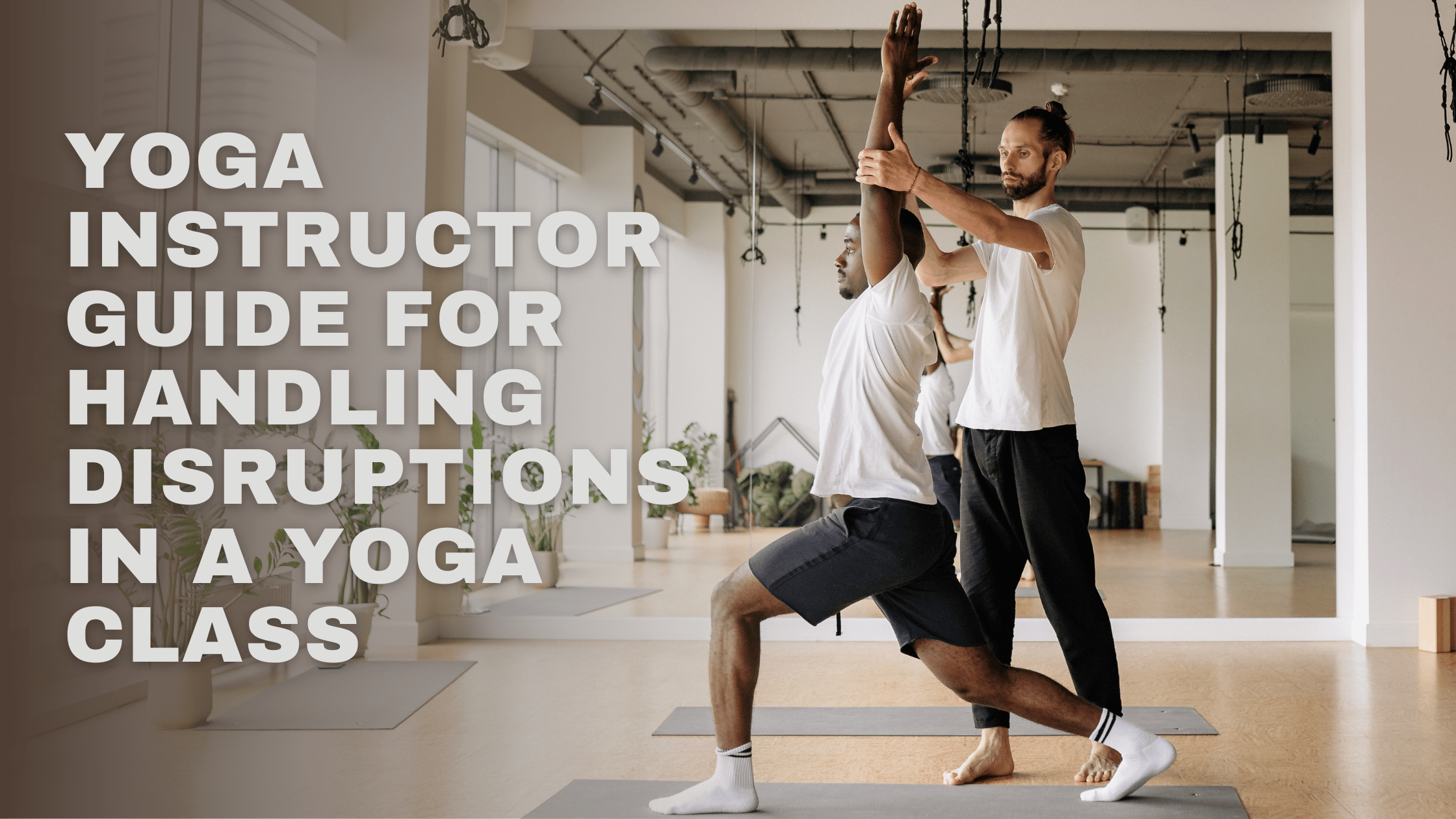
Yoga Instructor Guide for Handling Disruptions in a Yoga Class 

Kaushik Mehra | February 11th, 2025

Yoga Instructor Guide for Handling Disruptions and in a Yoga Class 

Every yoga instructor aims to create a peaceful and engaging environment for their students. However, disruptions are certain. If not managed well, these disturbances can impact student focus and overall experience. 

Handling these challenges effectively is a key skill for any yoga instructor. The right approach ensures that disruptions do not break the yoga class rhythm. Let’s take a look at some steps you can take now to combat challenges. These are as follows: 

1. Understanding Common Yoga Class Disruptions

Before learning how to handle disruptions, it’s important to identify the most common ones:

Latecomers

Some students arrive late due to traffic, work schedules, or personal reasons. This can distract others and break the class’s meditative flow. 

Chatty Students

Occasionally, students engage in side conversations or make unnecessary comments. This disrupts the instructor’s guidance and affects the group’s focus.

External Noises

Background noises like street traffic, or nearby conversations can make it difficult for students to concentrate. 

Tech Issues 

An online yoga class comes with challenges like audio delays, unstable internet connections, or microphone problems, making it hard to maintain engagement. 

Unengaged or Distracted Students

Some students may lose focus, check their phones, or struggle to stay present. A yoga teacher must recognize these signs and bring their attention back.

yoga instructor, yoga class

2. Pre-Class Strategies: Setting the Right Tone

Prevention is key. Setting the right expectations before the session reduces the chances of disruptions.

Establish Clear Guidelines

At the start of the session, briefly remind students about the following again and again. Arriving on time and minimizing movement during the session. Keeping personal conversations before or after class. Respecting the silence of the practice. For online classes, ask students to check their audio and internet before joining. 

Create a Welcoming Space

The yoga class environment plays a big role in focus. Arrange an ideal space containing soft lighting which creates a calm atmosphere. A gentle background music to mask external noises. Lastly, proper mat placement to minimize distractions. 

Use a Class Opening Ritual

A structured opening helps transition students into a focused state. Consider a short meditation or breathwork session. It can also include a mantra or intention-setting practice. A gentle warm-up sequence to ground students can also help students. 

3. Handling Disruptions in the Moment

Even with preparation, disruptions happen. A yoga instructor must stay calm and handle them with grace. 

A. Managing Latecomers Without Losing Focus

Instead of stopping the class:

  1. Acknowledge them silently with a nod or gesture.
  2. Have a designated entry space where they can quietly set up.
  3. Begin class with a slow-paced pose or breathing exercise, so late students can integrate smoothly.

B. Dealing with Talkative or Distracted Students

Instead of pointing out specific students, do this:

  1. Use gentle verbal cues like, “Let’s bring our focus back to the breath.”
  2. Make eye contact or move closer to remind them to stay present.
  3. Shift the class into a more engaging sequence, such as a balance pose, to refocus attention.

C. Overcoming External Noise Disruptions

  1. Increase the volume of verbal guidance or background music to maintain focus.
  2. Encourage students to use internal awareness by directing attention to the breath.
  3. If possible, rearrange the class layout to minimize outside distractions.

D. Navigating Online Yoga Class Disruptions

For virtual sessions:

  1. Have a backup plan (such as pre-recorded instructions) in case of tech issues.
  2. Encourage students to keep their cameras on to maintain engagement.
  3. Use a structured format with clear instructions, so students can follow even if they experience a brief disconnect.

yoga instructor, yoga class

4. Post-Class Reflection: Learning and Improving

Assess What Worked after each class, reflect on which disruptions occurred, and how they were handled. Whether students remained engaged despite distractions.

Encourage students to share feedback if they find the class flows smoothly and uninterrupted. Any improvements they can suggest

Make small adjustments for future classes if disruptions are frequent. Tweak the class timing to minimize late arrivals. One can also adjust the room layout to create a better learning space. Modifying the teaching approach based on student needs can also help in managing a yoga class smoothly. 

Conclusion

Disruptions are a natural part of any yoga class. However, with the right strategies, a yoga instructor can maintain a smooth and engaging session. By setting clear expectations, staying adaptable, and learning from each yoga class, instructors can create a peaceful and focused environment for students.

To refine these skills further, investing in yoga teacher training (YTT) courses can provide deeper insights into class management and student engagement. 


Online Yogalife Blog Banner 9 Online Yoga Life

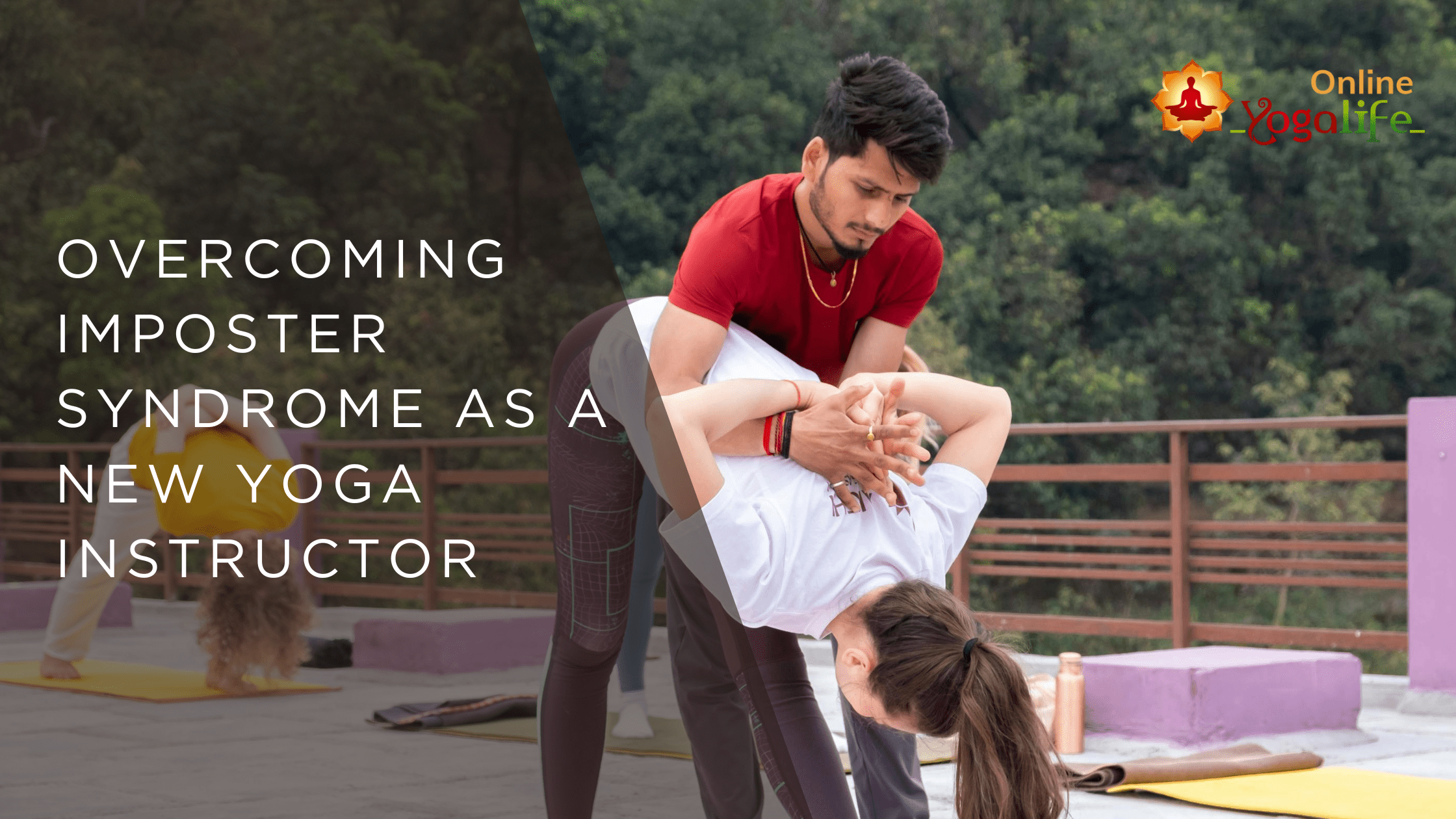
Overcoming Imposter Syndrome as a New Yoga Instructor

Kaushik Mehra | February 11th, 2025

Overcoming Imposter Syndrome as a New Yoga Instructor

Starting as a new yoga instructor can feel surprising. Many beginners struggle with imposter syndrome— the belief that they are not good enough despite their training and efforts. It’s common to feel a little mediocre, especially when surrounded by experienced teachers. However, overcoming this mindset is essential for growth and confidence.

By applying these practical steps, any new yoga instructor can overcome self-doubt and focus on delivering valuable experiences to their students.

Recognizing Imposter Syndrome

Imposter syndrome affects many professionals, including new yoga teachers. It manifests in self-doubt, fear of judgment, and comparing oneself to others. According to studies, over 70% of people experience imposter syndrome at some point in their careers. 

Signs of imposter syndrome include: 

  1. Feeling unqualified despite certification.
  2. Constantly comparing oneself to senior teachers.
  3. Fear of making mistakes in class.
  4. Worrying about student feedback or criticism.

Recognizing these feelings is the first step toward overcoming them. Self-awareness helps a yoga instructor understand that these doubts are common and do not define their actual abilities.

Reframing Negative Thoughts

The way we think shapes our confidence. Negative thoughts reinforce imposter syndrome, making it harder to trust oneself. Reframing these thoughts can shift perspective and improve self-belief. 

Practical exercises to reframe thoughts: 

  1. Cognitive Reframing – Replace self-doubt with positive affirmations. Instead of thinking, “I’m not experienced enough,” say, “I am growing with each class I teach.”
  2. Journaling Victories – Write down positive student feedback, successful sessions, and personal achievements to build self-confidence.
  3. Daily Affirmations – Repeat affirmations such as “I am a capable and confident yoga instructor.” You can also prepare any statement that suits you well. Regular repetition reinforces self-belief. Positive regular affirmation helps any yoga teacher to develop a strong mindset.  

By consistently practicing these techniques, instructors can train their minds to focus on progress rather than fear.

Trusting Your Training and Experience

Newbie yoga teachers often underestimates their qualifications. However, completing yoga teacher training from a trusted organization works well. It means they have the knowledge to guide students safely and effectively. Trusting this training is key to overcoming imposter syndrome.  

Ways to improve trust in any training:

Review Course Material – Revisit class notes, manuals, and recorded sessions to strengthen understanding.  

Practice Self-Reflection – Identify personal strengths and areas of expertise. Doing a hands-on research of oneself’s S.W.O.T. analysis. This can help a yoga instructor to find out their strengths, weaknesses, opportunities, and threats. This might help a yoga instructor in the long-term by clearly defining their path. 

Continue Learning – Attend workshops, refresher courses, or advanced training to stay updated and grow as a yoga instructor. 

Every experienced yoga instructor started as a beginner. Confidence develops with time and practice.

yoga instructor, yoga teacher

Focusing on Your Unique Teaching Style

Instead of comparing themselves to others, new instructors should embrace their teaching approach. Each yoga instructor brings their own unique story, background, and energy to their classes.   

Steps to develop a unique style:

  1. Identify personal strengths— such as a calm voice, clear instructions, or creative sequencing.
  2. Experiment with different class structures and themes.
  3. Integrate personal experiences and philosophy into teachings.
  4. Gather student feedback to understand what resonates with them.
  5. Authenticity attracts students. A teacher’s unique style will set them apart and build their confidence in the process.

Building Confidence Through Teaching

Confidence grows with experience. The more a yoga teacher instructs the more natural and comfortable it becomes.

Actionable tips to build confidence:

Start Small – Teach friends, family, or small community classes before handling larger groups.

Seek Constructive Feedback – Ask trusted students or mentors for insights on strengths and areas of improvement.

Record and Review – Watching recorded sessions helps identify improvement areas and celebrate progress. Observing keenly can help you improve day by day. 

Teach Consistently – Regular practice helps develop a smooth teaching flow and self-assurance.

Over time, these efforts will create a strong foundation of confidence and ease in leading classes.

Seeking Support and Community

Teaching yoga doesn’t have to be a solo journey. Connecting with fellow instructors provides encouragement and a sense of belonging.

Ways to find support:

Join online or local yoga instructor communities.

Participate in networking events, workshops, or retreats.

Find a mentor who can provide guidance and reassurance.

Engage in social media groups where teachers share experiences and advice.

The best part you might not know about is – all these can be found in a comprehensive yoga teacher training course. Having a support system helps a yoga instructor gain perspective, share struggles, and learn from others’ experiences. This connection fosters confidence and personal growth. 

yoga instructor, yoga teacher

Final Thoughts 

Imposter syndrome is a common challenge among new yoga teachers, but it doesn’t have to hold them back. By recognizing self-doubt, reframing negative thoughts, trusted yoga teacher training, developing a unique teaching style, and seeking community support, instructors can build lasting confidence.

Every experienced yoga teacher once faced similar challenges. Growth happens through practice, patience, and self-compassion. Instead of focusing on perceived flaws, instructors should embrace their journey and continue learning. The best yoga teachers are those who commit to their growth and support their students with authenticity and passion.

By applying these strategies, a new yoga instructor can shift their mindset, overcome imposter syndrome, and fully embrace their role in guiding others on their yoga journey.

yoga instructor, yoga teacher

Struggling with Student Engagement? 7 Tips for Yoga Instructor

Kaushik Mehra | February 4th, 2025

Struggling with Student Engagement? 7 Tips for Yoga Instructor

Engaging students is a common challenge for every yoga instructor. Whether you’re new or experienced, keeping students focused and involved enhances their learning experience. This guide explores practical ways to assist connection, boost engagement, and create a positive class atmosphere. These tips will help both students and yoga teachers thrive in every session.

Most Helpful Tips for student’s Engagement 

1. Understanding Student Engagement as a yoga instructor

Student engagement is key to a meaningful yoga practice. A disengaged student may struggle to follow instructions, lose motivation, or even stop attending classes. As a yoga instructor, understanding why engagement matters can help you address the root causes of distraction.

Students may lose focus due to external stress, lack of interest, or difficulty keeping up with the class pace. Some may need more personalized attention, while others might feel intimidated in a group setting. Identifying these barriers allows a yoga teacher to create a supportive environment.

Engagement isn’t just about physical participation, it also involves mental and emotional connection. A well-engaged class creates a sense of belonging, making students more likely to return. Yoga instructors can use interactive techniques, personalized guidance, and a welcoming atmosphere to ensure their students remain attentive and enthusiastic.

2. Creating a Relaxed and Welcoming Environment 

A comfortable and friendly atmosphere plays a significant role in student engagement. Students who feel at ease are more likely to participate and enjoy the session.

One way to achieve this is by incorporating light humor. A well-placed joke or a friendly remark can instantly dissolve tension. While maintaining professionalism, a yoga teacher can encourage smiles and laughter to create a warm environment.

Additionally, the setup of the yoga space affects engagement. Soft lighting, calming music, and a clutter-free studio create a more inviting atmosphere. Students should feel safe and free from judgment in their practice.

A yoga instructor should also be approachable. Greeting students personally, remembering their names, and checking in on their well-being boosts trust. When students feel valued, they are more likely to stay engaged.

3. Encouraging Interaction Through Questions

Asking questions is an effective way to keep students engaged. When a yoga instructor invites participation, students become more attentive and invested in their learning.

Open-ended questions work best. Instead of asking, “Did that make sense?” try, “How does this pose feel in your body?” This encourages students to reflect and share their experiences.

Engagement also increases when students feel heard. A yoga teacher should actively listen and respond thoughtfully. If a student asks a question, acknowledging it with interest helps build confidence in their practice.

Pairing questions with hands-on guidance is another useful approach. For example, after demonstrating a pose, the instructor can ask, “Which muscles do you feel stretching?” This prompts students to be mindful of their body alignment.

Encouraging interaction keeps the class dynamic. When students feel their input matters, they become more engaged and eager to learn.

yoga instructor, yoga teacher

4. Teaching with Authenticity: Your Unique Style Matters 

A great yoga instructor teaches with authenticity. Students connect better when they see genuine passion and personality in a teacher’s style.

Trying to imitate other instructors may feel unnatural. Instead, embracing personal strengths makes classes more engaging. Whether it’s a calming presence, storytelling, or a specific teaching method, a yoga teacher should integrate their unique traits into sessions.

Authenticity also involves sharing personal insights. Relating personal struggles with certain poses or meditation challenges makes students feel more understood. This builds a sense of trust and relatability.

Additionally, a yoga teacher should be adaptable. Every class is different, and adjusting teaching styles to fit the students’ energy enhances engagement. Some classes may require a slower pace, while others may thrive on a more energetic approach.

A yoga instructor creates a deeper connection with students by being genuine, making the class feel more personal and meaningful.

5. Addressing Student Doubts with Care 

Students often have questions about poses, breathing techniques, or yoga philosophy. A yoga instructor should recognize these doubts and address them effectively.

Encouraging questions during or after class cultivate a learning-friendly atmosphere. If an instructor doesn’t know the answer immediately, it’s best to acknowledge it and research later. Providing accurate responses builds credibility and trust.

Sometimes, students may hesitate to ask questions. Observing body language helps identify confusion. If a student looks uncertain during a pose, checking in with them privately can encourage engagement.

Another effective approach is addressing common concerns proactively. If a pose is complex, briefly explaining modifications in advance can prevent doubts from arising.

Being patient and responsive strengthens student-instructor relationships, making students feel more comfortable in class.

6. Understanding Emotional and Mental States 

A yoga class is not just physical—it’s also a mental and emotional experience. A skilled yoga instructor understands students’ varying emotional states and adjusts their approach accordingly.

Some students may arrive feeling stressed or distracted. A short breathing exercise or mindful check-in at the start of class helps center their focus.

Creating a space where students feel emotionally safe is essential. Avoiding overly strict corrections and offering gentle encouragement ensures a positive experience.

A yoga instructor can also incorporate mindfulness techniques, like setting intentions at the beginning of class. This helps students mentally engage with their practice and stay present throughout the session.

Recognizing emotional states promotes a deeper connection, making students feel seen and supported in their practice.

7. Setting Boundaries: When to Be Serious vs. When to Keep It Light

Balancing seriousness with light-heartedness is key to student engagement. A yoga instructor must know when to maintain focus and when to allow moments of relaxation.

While humor and friendliness create a welcoming space, too much can reduce the impact of a session. During meditation or deep poses, maintaining a calm and serious tone helps students stay immersed.

Clear transitions between different phases of class can help. For example, beginning with light stretches and conversation before moving into more focused asanas keeps the class structured.

It’s also important to set classroom norms. Encouraging students to ask questions but maintaining quiet moments during relaxation ensures a smooth flow.

By striking the right balance, a yoga instructor creates an environment that is both engaging and transformative.

yoga instructor, yoga teacher

Additional Tips for Long-Term Engagement

Consistency is key to keeping students engaged over time. A yoga instructor should introduce variety to prevent monotony.

Using themes, storytelling, or seasonal sequences keeps classes fresh. Adding new poses or breathing techniques challenges students and maintains interest.

Encouraging a sense of community also boosts engagement. Organizing occasional group activities or discussions before or after class strengthens bonds between students.

Finally, offering guidance beyond the studio—such as reading recommendations or home practice tips—keeps students engaged in their yoga journey. 

Conclusion 

Student engagement is essential for a fulfilling yoga practice. By creating a welcoming environment, using interactive techniques, and balancing structure with fun, a yoga instructor can keep students motivated. Implementing these strategies will ensure both students and yoga instructors enjoy a rewarding experience in every class.

yoga instructor, yoga instructor certification

The Reality of Becoming a Yoga Instructor: Is it worth it?

Kaushik Mehra | January 27th, 2025

The Reality of Becoming a Yoga Instructor: Is it worth it?

Yoga has become a trendy career path for many enthusiasts. As the demand for trained yoga teachers grows, the question arises: is becoming a yoga instructor worth it? Let’s figure out how one can get into it, and what process they have to grind through. What are the pros and cons of becoming a yoga instructor, let’s find out. 

Phases of Yoga Instruction

Starting as a yoga instructor begins with obtaining the right training. Completing a yoga instructor certification is the first step. Yoga instructor certification not only equips you with knowledge but also builds your credibility. Beginners often start by teaching small classes at local studios or gyms, gradually gaining experience. 

To excel, consistent practice, networking, and upgrading skills through workshops or advanced certifications are crucial. A successful yoga instructor invests time in building relationships with students and refining their teaching techniques.

Ask Yourself These Important Questions

How will you manage time as a yoga instructor, if you are doing any other job too? 

Time management is key. Plan your schedule to accommodate teaching, practice, and any primary job responsibilities. Prioritize tasks to avoid burnout. As a beginner, even the masters have faced these challenges. But the mountains of clouds always go through a path of pain. Some yoga instructors are students, pursuing their studies forward. Some do shift-based jobs, some have field jobs. Proper planning can help anyone to cope with this challenge. 

Can you spend your life doing it all? How to get the perfect vision?

Evaluate your long-term goals. Can you commit to continuous learning and teaching while maintaining a work-life balance? A clear vision helps navigate challenges. Let us introduce a different scenario, it was found that few students have opted for the career of yoga instructor due to the advantages that this industry provides. Whether it be monetary, spiritual, physical, or mental. But, some left midway, as their inspiration wasn’t from their inner conscience, it was just materialistic. So, now is the time to ask yourself, why you want to be a yoga instructor. 

How can I create ways to build multiple income sources?

Taking a regular yoga class, depending on a single source of income, can never excite you. At some point in time, you may feel incomplete or might think you need to cash in more money. For this, you have to build a long-term sustainable brand. Once you establish a loyal following, you can leverage it to create products or tools that benefit your audience. By sharing your authentic story and connecting with people, you can build a sustainable brand.

In a competitive industry of yoga instructors, creating a lasting brand requires consistent effort and innovation. Finding your true loyal tribe and standing out takes time and strategy. Then you can diversify by offering online classes, writing books, creating content, selling yoga-related products, and much more. This ensures that you can build true financial freedom for yourself. 

Positives of Choosing to Become a Yoga Instructor: 

Time flexibility

As a yoga instructor, you have the freedom to design your schedule. This allows you to balance personal and professional commitments effectively.

Future growth opportunities

With consistent effort, your student base will grow. Loyal students often recommend instructors to others, helping expand your reach. Yoga instructor certification in specialized areas like prenatal or restorative yoga can further enhance career growth.

A healthy lifestyle

Being a yoga instructor promotes self-discipline. Adopting a yogic diet, regular practice and continuous learning inspire students and improve their overall well-being. As you have to set an example for your future students, you couldn’t show off the importance of a yogic diet, and secretly eat outside a chicken burger. 

Nationalism through service

Yoga instruction is a way to serve the community by promoting health and mindfulness. Sharing yoga’s benefits fosters a sense of purpose and fulfillment. Nationalism is not shown by remembering the American independence on July 4. It’s truly presented through serving the community selflessly, the more you give, the more your soul will be happy. 

Negatives of Choosing to Become a Yoga Instructor: 

Everything takes time

Building a successful career in yoga isn’t an overnight process. Patience and persistence are essential as you grow your reputation and income. Becoming a yoga instructor demands patience. The journey involves completing a yoga instructor certification, gaining teaching experience, and building a student base. Challenges like inconsistent income and managing diverse student needs require massive tolerance. Progress is gradual, and success comes with dedication, adaptability, and persistence in honing your craft over time.

Understanding and managing student psychology

Students come from diverse backgrounds with unique needs. Learning to handle different personalities requires emotional intelligence and adaptability. See below the demographics of yoga practitioners who want to build a career in yoga. Each student comes from a different background, and they have to be handled sensitively. 

yoga instructor, yoga instructor certification

Final Thoughts

Becoming a yoga instructor is a rewarding but demanding career. While it offers flexibility, growth, and purpose, it also requires dedication and passion. If you’re passionate about yoga and willing to invest in a yoga instructor certification and personal development, this career path can be incredibly fulfilling. Just trust the process, and let your passion guide you.

200-HOUR YOGA

Master Online Yoga Teacher Training Amidst Busy Schedules

Kritika Bairagi | January 20th, 2025


We all know how busy life can get. Life can feel overwhelming when juggling work, family, social obligations, and self-care. Sometimes, finding time to focus on something new seems impossible. Becoming a certified yoga teacher may seem like nothing more than a distant dream. It’s easy to think that pursuing yoga teacher training is only for people who can take months off to travel. You might also believe it’s for those who don’t have the same responsibilities as you. But here’s the truth: online yoga teacher training (YTT) makes it possible to dive into yoga education. You can do this without completely upending your life.

If you’ve been dreaming of becoming a yoga teacher but aren’t sure how to fit it into your already-packed schedule, this blog is for you. Let’s explore how online YTT can work seamlessly with your busy life and why it might be the perfect solution for you.


One of the biggest reasons people hesitate to enroll in a traditional yoga teacher training program is the time commitment. Attending in-person training often means taking time off work, arranging childcare, and working around rigid schedules. And let’s face it—life doesn’t stop just because you’ve decided to dive into yoga.

This is where online YTT shines. The beauty of online training is that you get to decide when and how you learn. Are you a morning person who wants to start your day with a 30-minute asana practice? Or maybe you’re a night owl who loves to unwind with a meditation after a long day of meetings? With online YTT, you can work with a schedule that’s tailored to your life—not someone else’s.

You can break up your lessons into manageable chunks, doing a little each day or dedicating a few hours on weekends. The flexibility is completely in your hands.


We all know how tiring it can be to commute, especially if you live in a busy city or have to drive a long way to get to your yoga studio. That time spent in traffic or on public transport could be better spent practicing yoga or relaxing at home. Online YTT removes this stress completely.

With a laptop, tablet, or even your phone, you can access your training materials wherever you are. Be it the comfort of your living room, a quiet spot at your local café, or even your backyard, the world becomes your classroom. You get to skip the commute and dive straight into your practice, all while enjoying the comfort of your own space.

online yoga teacher training, online ytt

Yoga is not something you do on the mat; it’s about finding your balance in life. If you are already handling a lot of things, it might be very overwhelming to consider adding something to your list. The beauty of online yoga teacher training is that it allows you to incorporate yoga into your routine gently, with no pressure at all.

You can start the day with a quick breathwork session before your morning coffee, or take a 15-minute asana break between meetings to stretch out your body. You can bring yoga into your life, step by step, and it does not have to be a big, disruptive thing. Over time, you’ll notice how it begins to shift your mindset, bringing more balance and calm to your day.

The key here is consistency, and online training makes it easier to create that routine in a way that works for you.


A prevalent concern about doing online training is that it’s going to feel isolating. You may fear that you will miss the opportunities for personal connection with in-person training, or it will be a solo journey of figuring everything out. Here’s the good news: all online YTT programs are organized to be supportive, engaging, and full of resources.

For instance, at OnlineYogaLife.com, you will find a community of like-minded people who are also on their yoga journeys. You will get one-on-one feedback from experienced instructors who care about your growth. You can ask questions, join live calls, and participate in community discussions. The support does not stop once you finish your lesson; you are encouraged to interact with fellow students and teachers throughout your journey.

It is all about making a community—one that transcends the virtual classroom and provides space to grow as well as relate to.

online yoga teacher training

With traditional teacher training programs, you might be worried about not being able to keep up with the group’s pace. You are then going to add stress you really do not need, especially when you are balancing a heavy work life or family obligations. Online YTT offers you freedom in your learning at your own speed.

Whether you want to take a deep dive into anatomy or revisit your meditation practice a few times before moving on, you have the time and space to really absorb the material. Life happens, and if you need to slow down for a week or take a break to focus on other priorities, that’s completely okay. Online training affords you the freedom to learn in your own terms, with no fear of losing out or lagging behind others.


We do know that training as a yoga teacher isn’t the cheapest endeavor. With traveling, accommodations, and studio fees, it certainly can be costly at times. Online YTTs tend to be cheaper since so many of the above-mentioned added expenses are waived. You aren’t paying for travel, meals, or even a place to stay, and many programs also have tiered pricing for budget-conscious yogis.

Affordable also does not equate to shoddy work. Our online programs ensure quality education by an experienced instructor. The saving here is what creates ease in getting into the teaching of yoga to secure your future without too much strain on finances.

online yoga teacher training

Yoga isn’t just a practice; it is a lifestyle, and now one can have a profession around this way of life fitting into your prior commitments. From teaching part time to hosting your own online classes or leading retreats, this flexibility will bring endless opportunities.

Maybe you want to teach a few online classes in the evening after work or private sessions over the weekend. With online YTT, you have the freedom to craft your teaching schedule based on what works for you. No need to sacrifice your work-life balance to pursue your passion. You can grow into a yoga teacher while still maintaining the life you’ve worked hard to build.


Online yoga teacher training will not only prepare you to teach yoga but also expose you to various technologies that are fast becoming the norm in today’s teaching world. You will learn how to create video content. You will also learn how to host online classes. Perhaps, you will even run virtual workshops. These are all very valuable skills in our increasingly digital world. So, by the end of your training, you will feel confident to present yourself inside and outside the digital teaching arena, therefore opening even more opportunities for you to share your passion with a global community.


Online yoga teacher training offers you the opportunity to pursue your passion while still honoring your busy lifestyle. It allows you to learn at your own pace, on your own schedule, and from wherever you feel most comfortable. With personalized support, flexibility, and a welcoming community, you’ll have everything you need to succeed.

So, what is holding you back? You don’t have to wait for the “perfect time” to begin your yoga teacher training. With online YTT, the perfect time is now-and it fits right into your life.

We would love to hear your thoughts. Do you consider online yoga teacher training, and do you have questions about how it works? Kindly comment below with your thoughts or questions!

Yogalife Ashram Barazil Online Yoga Life

tools for yoga instructor

Top 5 Must-Have Tools for Yoga Instructors

Kritika Bairagi | January 14th, 2025

Your tools, as a yoga instructor, are beyond just a mat and a block. You could be teaching in a studio, hosting online sessions, or even building your personal brand; with the right tools for yoga instructor, your practice is bound to enhance your life, connecting you more profoundly with your students. Here are the top five must-have tools for every yoga instructor:

Without the right tools, managing a class schedule can be overwhelming. Tools such as Acuity Scheduling, Mindbody, or Calendly can make it so easy to schedule classes, collect payments, and manage cancellations. These tools will also help you maintain professionalism while saving time.

Why It Matters: A streamlined booking system reduces the back-and-forth of scheduling, ensuring that students can book classes without hassles. It also helps to manage no-shows by automating reminders.

Pro Tip: Select a platform that integrates with your website and social media channels to make booking even easier for your students.


For online classes, investing in a good camera, microphone, and lighting setup is crucial. Clear video and audio ensure that your students can follow along effortlessly. Tools like Logitech webcams and Blue Yeti microphones are excellent options for professional-grade content.

Why It Matters: With the rise of virtual classes, creating a high-quality experience with tools for yoga instructor is non-negotiable. Poor audio or video can make it hard for students to engage.

Suggested Setup:

A ring light or softbox for even lighting.

A sturdy tripod to keep your camera stable.

Wireless microphones for flexibility during movement.

Extra Tip: Test your equipment before every session to avoid technical hiccups.

tools for yoga instructor

Building an online presence visually demands great-looking content. Through the aid of Canva, you will easily create a social media post, infographic, or class announcement. You may complement it with CapCut or Adobe Premiere Rush for engaging video content.

Why it’s helpful: Beautifully designed content will get you more students and establish your brand. The tips, poses, and wellness advice also give your audience value in terms of education and inspiration.

Create “pose of the week” posts to engage your audience.

Share success stories or testimonials from your students.

Create short video tutorials for common yoga poses.

Pro Tip: Spend time learning basic graphic design principles to make your content stand out even more.


Apps like YogaTrail, Zen Planner, or Glofox are designed specifically for yoga instructors. They offer features like student management, progress tracking, and payment processing, making it easier to manage your practice.

Why It’s Important: These apps provide an all-in-one solution for managing your yoga business. From tracking attendance to analyzing class trends, they simplify your administrative tasks.

Additional Features:

Automated reminders to ensure students never miss a class.

Analytics dashboards to track your growth.

Membership management for loyal clients.

Pro Tip: Pick an app with a user-friendly interface so you and your students have a smooth experience.


Incorporate tools like smart yoga mats (e.g., Liforme or YogiFi) that provide feedback on alignment or wearable trackers like Fitbit to help your students monitor their progress. These gadgets add a tech-savvy edge to your teaching.

Why It Enhances Teaching: Props and wearables make sessions more interactive and personalized. For example, a smart mat can guide students on proper alignment, even in a virtual setting.

Examples of Props:

Resistance bands for strength training.

Blocks and straps to make poses accessible to all levels.

Eye pillows and bolsters for restorative yoga sessions.

Pro Tip: Introduce new props gradually and offer clear instructions to help students understand their benefits.


Not directly related to teaching, but tools like Google Analytics, Rank Math, and Hootsuite help you grow your audience and reach more potential students.

Why It’s a Game-Changer: With proper marketing, your classes will be more visible to the right audience. The SEO tools can optimize your website and content on search engines. Social media management tools help manage the posting schedule on social media sites.

Pro Tip: Always monitor your data for what works and refine your strategy.


As a yoga instructor, adopting these tools not only streamlines your workflow but also enhances the experience you are able to give to your students. You’ll be able to get more out of your yoga practice by staying organized, creating content that is both interesting and unique, and incorporating innovative teaching tools. Whether running a small studio in a small town or hosting a global online platform, these tools are allies in growing your business and furthering your reach.

At Online YogaLife Courses, we understand the different challenges yoga teachers face. It is why we offer extensive online training and resources to help in your journey from mastering the very basic tools all the way up to advanced techniques in teaching.

Start to incorporate these tools into your work today and watch the way you teach and engage with your community begin to change. The right tools not only make your job easier but empower you to inspire and uplift your students in ways that you may not have ever thought possible.

yoga instructor tools

Yoga & Ayurveda

Hospital: Way to Death vs. Yoga & Ayurveda: The Path to Health and Happiness

Kritika Bairagi | December 31st, 2024


Modern life has gifted us tremendous progress in the medical sciences. The advanced technology and saving lives that occur through hospitals can save millions of lives. Yet, it remains a place to turn to after things have already gone wrong. A hospital visit fills most with fear, anxiety, and dependency on medicines and their side effects.

On the other hand, ancient sciences like Yoga & Ayurveda take a preventive and holistic route. They do not treat the symptoms; they work on the root causes, offering a way to build long-term health and happiness. These practices emphasize balance—of body, mind, and soul—and help us live a life where the need for hospitals becomes less frequent, if not altogether unnecessary.

Is it, then, really fair to describe hospitals as the “way to death”? Can Yoga & Ayurveda indeed pave the way to a healthier, happier existence? Let’s dive in.


Let’s be honest. Hospitals are invaluable. If you have a bone to break or an organ to remove, you cannot go anywhere else. For chronic conditions like diabetes, hypertension, or autoimmune disorders, though, the hospital system fails to impress. Chronic diseases are often controlled rather than cured. Drugs are prescribed to manage symptoms, not the lifestyles that led to those symptoms.

For example, let’s talk about stress, one of the leading causes of many modern illnesses. A hospital might prescribe pills to manage blood pressure or antidepressants to boost your mood. But does it really help you get to the root of why you’re stressed? Often, the answer is no.

That’s where Yoga & Ayurveda come in. They provide natural tools to reduce stress without side effects. They help your body heal itself. See what experts say about yoga & ayurveda!


Yoga isn’t just about bending your body into Instagram-worthy poses. It’s a complete system of health that integrates physical exercise, breath control, meditation, and ethical living. Through consistent yoga practice, you’re not just strengthening your muscles—you’re also calming your mind and nourishing your spirit.

However, that’s not it. Most people misunderstand Yoga; they think it is a way of exercise or some sort of trendy fitness craze. It is for this reason that yoga teacher training becomes very important. A proper training course delves deep into the philosophy and science of Yoga to teach you how to use the techniques to help deal with problems related to physical, mental, and even emotional health conditions.

For example, a certified yoga teacher training will teach you what is the particular organ connected with specific poses. Do you know that forward bend helps to balance your nervous system? Or the twists detoxify your liver? These are not feel-good exercises but have science to back it up through hundreds of years of observation and also, increasingly so, modern scientific inquiry.

yoga & ayurveda

If Yoga is the physical and spiritual aspect of health, Ayurveda is its dietary and medicinal counterpart. This 5,000-year-old system of medicine focuses on balancing your doshas—the body’s unique energies of Vata, Pitta, and Kapha. When these are out of balance, illness arises.

Unlike Western medicine, which often prescribes a one-size-fits-all solution, Ayurveda recognizes that each person is different. Your diet, lifestyle, and even sleep patterns should be aligned with your dosha type. And the best part? Ayurveda encourages preventive care. Rather than waiting to get sick, you’ll make daily choices that promote wellness.

For example, if your Pitta imbalance has too much heat in your body, Ayurveda may advise cooling foods, such as cucumber and coconut water, as well as calming practices, such as meditation and restorative Yoga postures. And with a training program for teaching Yoga, these may multiply in effect.


This is one of the biggest flaws of modern healthcare: the definition of health is merely not being diseased. But the true health is something much more complex. It’s waking up full of energy, feeling mentally clear, and having your emotions in balance. It’s thriving, not just surviving.

Yoga & Ayurveda are better understood in this regard by most modern systems. They are able to train you in ways of inner peace and resilience by practices such as pranayama, meditation, and even mindful eating. You are not just patching up problems but creating a base for lasting wellness.

This is where Yoga teacher training becomes especially relevant. Learning a comprehensive system puts you out to be a more complete guide or instructor for this journey of transformations for others.

You can be compared to spreading ripples out when you’re healing yourself-it’s inspiring everyone around you. And here are a few Case Studies: Compare hospitals with the holistic healing methodology in the medical industry.

Now let us break this with a simple example. Meet Ravi, a 42-year-old tech professional who had been managing high blood pressure, insomnia, and digestive problems for years. Visits to the hospital had become routine for him. In fact, whenever he went, he was given a new pill, but they never went away.

Then Ravi joined Yoga & Ayurveda. He took a Yoga teacher training course, not to become a yoga teacher but to increase his level of understanding. During the course, he learned asanas to reduce stress, pranayama to become regular in sleep, and dietary changes according to his Ayurvedic dosha.

Within months, Ravi noticed a transformation. His blood pressure normalized, he slept better, and his digestion improved. He hasn’t visited the hospital in over a year.

yoga & ayurveda

If you are thinking, “That sounds great for Ravi, but I don’t know if I can do this,” let me stop you there. Yoga & Ayurveda is for everyone, whether you’re 18 or 80. Whether you’re flexible or as stiff as a board, you have a place in this practice.

If you want to unlock its power, consider becoming a certified Yoga teacher. It’s far more than just teaching; it’s learning to be a student in life. You will learn how to:

To develop a tailored practice that is specifically beneficial for you.

Understand the deeper philosophies of Yoga.

You can share these life-changing tools with your friends, family, and community.

Plus, a Yoga teacher training program often includes modules on Yoga & Ayurveda, giving you a well-rounded approach to health.


Now, let us be clear this is not a case of either-or. Hospitals and holistic systems like Yoga & Ayurveda can go very well hand in hand should. Imagine a world where hospital takes up yoga & Ayurveda as additive therapies. Rebound after surgery with yoga; cancer treatment facilitated by Ayurvedic dieting; mental healthcare supported by meditation-the list just goes on.

But until that ever happens, our health is completely in our hands; and the only way to improve that is through the act of being surrounded and practicing things empowering you.


If this rings a bell for you, maybe it is time to look into what yoga teacher training has in store for you. Be it teaching others or transforming your life, here is your opportunity to take control of your health and happiness. And remember, health is not just about not going to the hospital; it is about creating a life you love.

Yoga & Ayurveda aren’t ancient sciences alone, but a gift for the ages. Why not unwrap it and find out what’s inside?

Your journey to health and happiness is ready. Ready to take the first step? Visit our teacher’s training courses all available at www.onlineyogalife.com !!

Yoga & Ayurveda

Yoga Instructor guide for 5 vaayus

The 5 Vaayu in Yoga: A Yoga Instructors Guide

Kritika Bairagi | December 25th, 2024


If Yoga were a symphony, the 5 Vaayus would be its melodies – the subtle winds orchestrating the body’s rhythm and energy flow. These “winds” or “currents” are poetic metaphors and the building blocks of life itself, guiding essential functions like breathing, digestion, and movement. For a yoga instructor, understanding these Vaayus is akin to holding the blueprint of balance and vitality in the human body.At Online Yoga Life, we believe that every yoga instructor can unlock the magic of these ancient concepts to create truly transformative classes. Let’s journey into the heart of the 5 Vaayus and discover their significance in Yoga and daily life.


The word “Vaayu” translates to “wind” or “air,” representing the five primary movements of prana (life force energy) in the body. Think of them as invisible energy streams that fuel everything from your first breath to your deepest meditation. Each Vaayu or Prana governs specific physiological and energetic functions, and understanding them can deepen a yoga instructor’s approach to teaching.

Here’s a closer look:

Location: Chest and heart region

Function: This is the force of inward movement – it governs breathing, sensory intake, and energy absorption.

Yoga Practices:

Asanas: Bhujangasana (Cobra Pose), Matsyasana (Fish Pose)

Pranayama: Ujjayi breathing, Anulom Vilom

Analogy: Imagine Prana Vaayu as the act of drawing water into a well. It brings life-sustaining energy into the body. A yoga instructor might encourage students to focus on deep, intentional breaths during asanas to stimulate this energy and awaken vitality.


Location: Pelvic region

Function: The force of downward and outward movement, Apana governs elimination, detoxification, and reproductive functions.

Yoga Practices:

Asanas: Malasana (Garland Pose), Janu Sirsasana (Head-to-Knee Pose)

Pranayama: Kapalabhati, Bhastrika

Analogy: Think of a river clearing debris as it flows downstream. Apana Vaayu works to release toxins and create space for renewal. As a yoga instructor, teaching poses like Malasana can help students feel lighter and more grounded.


Location: Navel and digestive area

Function: This is the balancing force, helping to assimilate and distribute energy through digestion and transformation.

Yoga Practices:

Asanas: Navasana (Boat Pose), Trikonasana (Triangle Pose)

Pranayama: Nadi Shodhana (Alternate Nostril Breathing)

Example: Picture a fire in the belly converting raw ingredients into nourishment. By engaging Samana Vaayu through practices like Trikonasana, a yoga instructor can guide students to strengthen their core and digestive system.


Location: Throat and head region

Function: Governs upward energy, self-expression, and higher consciousness.

Yoga Practices:

Asanas: Sarvangasana (Shoulder Stand), Ustrasana (Camel Pose)

Pranayama: Brahmari (Humming Bee Breath)

Analogy: Think of Udana Vaayu as a kite soaring upwards. It inspires creativity and communication. A yoga instructor might integrate Udana-centric practices to help students unlock clarity and confidence in their expression.


Location: Entire body

Function: Oversees circulation, coordination, and integration of all energies.

Yoga Practices:

Asanas: Tadasana (Mountain Pose), Virabhadrasana (Warrior Pose)

Pranayama: Full Yogic Breath

Example: Envision water flowing evenly through an intricate irrigation system. Vyana Vaayu ensures harmony and balance throughout the body. Incorporating Vyana-focused techniques, such as Tadasana, helps students feel steady and centered.


For a yoga instructor, the 5 Vaayus are more than just philosophical concepts; they’re practical tools to:

Customize Classes: Address specific student needs, from stress relief to improved digestion.

Enhance Teaching Impact: Bring depth and authenticity to your sessions by integrating subtle energy work.

Foster Holistic Wellness: Help students achieve harmony on physical, emotional, and spiritual levels.

At Online Yoga Life, our teacher training courses are designed to empower yoga instructors with this profound knowledge. Whether you’re teaching online yoga classes or in-person sessions, the 5 Vaayus can elevate your practice and inspire your students.


Incorporating the 5 Vaayus into your teaching doesn’t have to be complicated. Here are some tips:

  1. Start with Awareness: Begin your class with a brief introduction to the 5 Vaayus, helping students visualize these energy flows.
  2. Pick a Theme: Dedicate a session to one specific Vaayu. For example, focus on detoxifying poses and Kapalabhati to activate Apana Vaayu.
  3. Blend Techniques: Combine asanas, pranayama, and meditation for a well-rounded approach.
  4. Create Real-Life Connections: Share examples of how these practices can enhance daily life – such as improving digestion or boosting mental clarity.
  5. Encourage Reflection: End with a guided meditation, inviting students to notice subtle shifts in their energy.
  6. Incorporate Visuals: Use diagrams or descriptions to help students better understand where each Vaayu operates within the body.

A yoga instructor’s role is not just limited to guiding students through asanas; it’s also about helping them integrate Yoga into their daily lives. Understanding the 5 Vaayus can help students make these connections:

Prana Vaayu: Encourage students to practice mindful breathing during moments of stress, like before a presentation or meeting.

Apana Vaayu: Highlight the importance of detox practices, such as drinking warm water in the morning or engaging in poses that encourage elimination.

Samana Vaayu: Teach students to cultivate gratitude during meals, emphasizing how digestion begins not in the stomach but in the mind.

Udana Vaayu: Encourage journaling or chanting practices to support self-expression and emotional release.

Vyana Vaayu: Inspire students to embrace activities that promote full-body movement, like walking or dancing, alongside their Yoga practice.

By tying these ancient concepts to modern habits, a yoga instructor helps students feel the relevance of the 5 Vaayus in their everyday lives.

YOGA INSTRUCTOR GUIDE TO 5 VAAYUS

Becoming a truly impactful yoga instructor means continuously expanding your knowledge and skill set. At Online Yoga Life, our teacher training programs cover:

In-Depth Modules: Explore the 5 Vaayus and their applications in modern Yoga.

Practical Guidance: Learn how to seamlessly integrate these concepts into your teaching.

Flexible Learning: Access online yoga classes at your own pace, from anywhere.

With over two decades of experience, we’ve helped countless yoga instructors worldwide refine their practice and share the beauty of Yoga with their communities.


Why do the 5 Vaayus matter today? Because they offer:

Stress Management: Practices targeting Prana and Apana Vaayus can calm the nervous system and reduce anxiety.

Enhanced Vitality: Engaging Samana and Vyana Vaayus boosts digestion, circulation, and energy levels.

Personal Growth: Tapping into Udana Vaayu nurtures creativity and spiritual awareness.

For a yoga instructor, understanding and working with these energies is a journey of mastery – one that deepens your connection with your students and the timeless wisdom of Yoga.


During one of my teacher training sessions, a student approached me with concerns about feeling lethargic and unbalanced. By introducing her to the concept of the 5 Vaayus, we created a tailored practice focusing on Prana and Samana Vaayus. Within weeks, she reported not only increased energy but also a newfound appreciation for the subtleties of Yoga. This is the transformative power of understanding the Vaayus.

Start Your Journey Today

Are you ready to elevate your teaching? Join our Online Yoga Life Teacher Training Program Now!!!!

Untitled design 2 Online Yoga Life