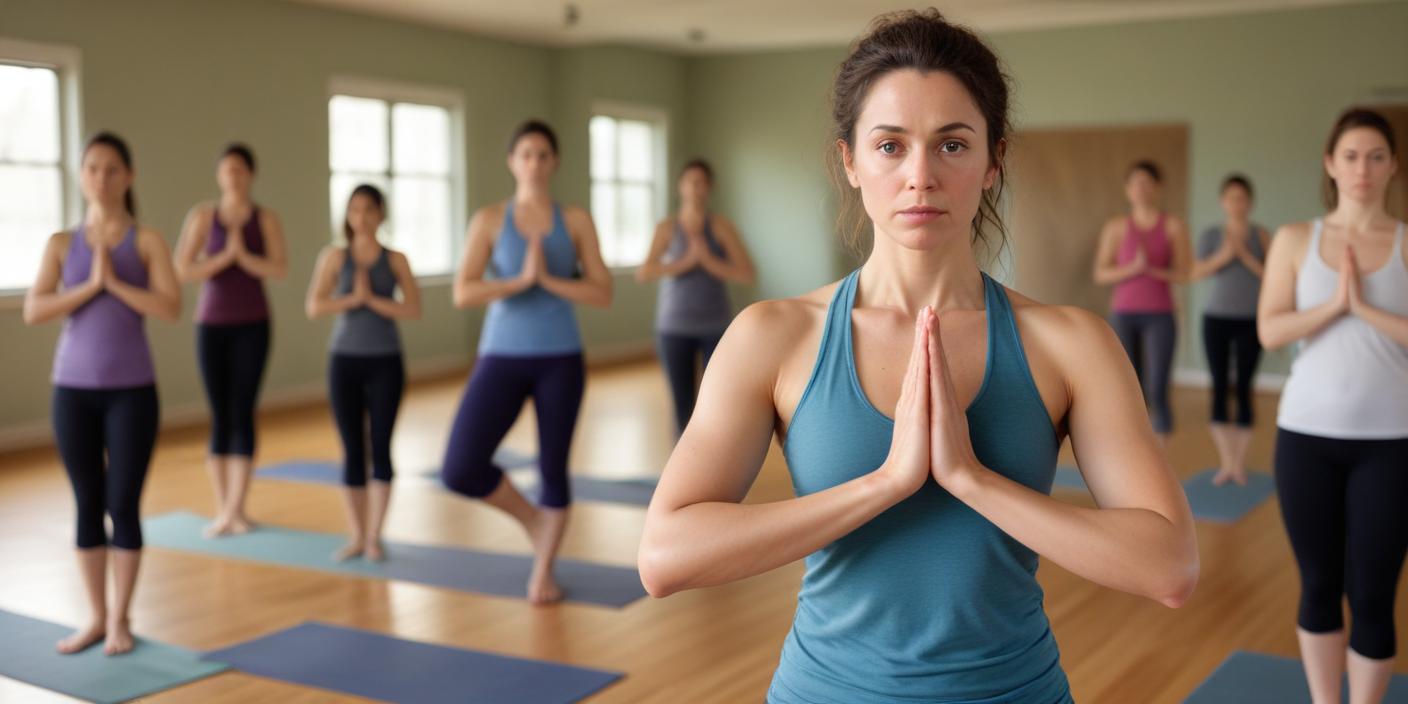
Yoga Teacher Training | Yoga Life Global

Tag: yoga teacher training

yoga teacher, yoga teacher training

What inspired you to become a yoga teacher?

Kaushik Mehra | January 25th, 2025

What inspired you to become a yoga teacher?

The journey to becoming a yoga teacher is often deeply personal. For many, it starts with the simple love of yoga and turns into a desire to share its countless benefits with others. We may guide you to know the exact “WHY” you need to become a yoga teacher. Knowing your why clearly can help you to overcome those challenges that may come your way.  

The Growing Demand

Yoga has become a global phenomenon, practiced by over 300 million people worldwide. As more individuals recognize yoga’s ability to enhance physical and mental well-being, the demand for skilled yoga teachers continues to rise. A recent study highlighted that the yoga industry is expected to grow at a compound annual growth rate (CAGR) of 9.5% from 2024 to 2034. With this surge, opportunities for certified yoga instructors have expanded beyond traditional studios to include corporate wellness programs, online classes, and retreats.

yoga teacher, yoga teacher training

A yoga teacher is crucial for guiding practitioners to achieve their fitness and wellness goals. The need for qualified professionals has never been higher, making this an opportune time for those considering a career in yoga.

Why do some become a Yoga Teacher? 

Personal Healing Journeys

Many individuals discover yoga during challenging times, such as recovering from physical injuries or coping with stress and anxiety. Yoga’s approach often leads to deep healing, inspiring practitioners to help others experience similar transformations.

Desire to Help Others

A yoga instructor plays an important role in improving the lives of their students. Research shows that yoga significantly reduces stress levels, enhances mental health, and eases chronic pain. By becoming a yoga teacher, individuals can empower others to live healthier and happier lives.

Passion for Lifelong Learning

Yoga is not just a physical practice, it’s a continuous journey of self-discovery. Many choose to become a yoga instructor to deepen their understanding of yoga’s philosophy, anatomy, and techniques. Yoga teacher training offers an opportunity for personal and professional growth.

Connection to Cultural and Spiritual Roots

For some, teaching yoga is a way to honor its ancient roots and cultural heritage. Sharing this knowledge allows them to preserve and promote yoga’s authenticity while inspiring others to admire its power. We at Online Yogalife, focus primarily on building a strong foundation by inculcating true wisdom through knowledge. 

Practical Benefits

Career Growth

The yoga industry offers diverse opportunities for certified instructors. From teaching in local studios to hosting international retreats, the possibilities are huge. A certified yoga instructor can also explore online platforms, where the demand for virtual classes has surged. 

Personal Fulfillment

Teaching yoga allows individuals to make a positive impact on others’ lives. It’s a rewarding profession that promotes physical health, mental clarity, and emotional balance— both for the teacher and their students. 

yoga teacher, yoga teacher training

Building a Community

As a yoga teacher, you become part of a global network of like-minded individuals. This sense of community fosters collaboration, inspiration, and lifelong friendships.

Overcoming Challenges in the Journey

Financial Constraints

Affordable programs like those at Online Yogalife make it easier to pursue Yoga Teacher Training without breaking the bank. We have priced each course such that it benefits our students, who may have financial problems. 

Balancing Practice and Teaching

Finding a balance between personal practice and teaching is crucial. Scheduling dedicated time for self-practice helps maintain authenticity and passion. 

Staying Updated

Continuous education is essential for growth. Advanced certifications and workshops ensure that yoga instructor stay current with industry trends and deepen their expertise.

Yoga teacher training is more than a career pathway. It’s a life-changing experience that enhances self-awareness, hones teaching skills, and provides credibility through yoga instructor certification. A Yoga Alliance-certified program ensures global recognition, opening doors to teaching anywhere in the world.

Why Choose Online Yogalife for Your YTT?

Online Yogalife is a Yoga Alliance-certified institute offering affordable and flexible yoga teacher training programs. Whether you’re a beginner or looking to advance your practice, Online Yogalife provides courses tailored to your needs.

There are multiple courses offered by Online Yogalife, such as RYT 200, 300, 500, and 900. We have overall training programs for various levels. We also provide online training for specialized certifications including prenatal yoga, holistic nutrition, yoga therapy, and much more. 

If you are not in a position to afford a high-priced yoga teacher training, which can be a high-risk option. As price is not proportional to the quality of any service or product. We at Online Yogalife, have accessible pricing without compromising quality. Our experienced faculty, which has a combined experience of over a century, can help any yoga enthusiast to learn any complex concepts easily.

Final Thoughts

Becoming a yoga teacher is a fulfilling journey that combines passion with purpose. It offers opportunities for personal growth, career advancement, and the chance to positively impact others’ lives. If you’ve been inspired by yoga and are ready to take the next step, explore the yoga teacher training programs at Online Yogalife. With flexible options, expert guidance, and Yoga Alliance certification, it’s the perfect place to begin or advance your yoga teaching career. Leap and inspire others as a yoga teacher.

 

200 HOUR YOGA TEACHER TRAINING , YTT

What to Expect from a 200-Hour Yoga Teacher Training

Kritika Bairagi | January 23rd, 2025

A 200-hour yoga teacher training is a transformative experience. It will deepen your understanding of yoga. It will also prepare you to guide others on their way to wellness. If you want to become a certified yoga teacher, a 200-hour teacher training provides a comprehensive foundation. It is also ideal for those who wish to deepen their personal practice. This training covers the art, science, and philosophy of yoga.

Here’s a deep dive into what you can expect to learn in a 200-hour yoga teacher training program.


A great deal of the training is dedicated to asana practice. You will:

  1. Learn how to align correctly for foundational poses.
  2. Understand the benefits and risks of each posture.
  3. Explore variations and modifications for different levels and abilities.
  4. Develop confidence in teaching and demonstrating poses to others.

This is also very hands-on practice. It will improve your personal practice. It will also help you manage classes and lead students properly.

200-hour yoga teacher training

Breath links and connects both physical and psychological sides. Here again, as is with breath techniques, these shall include;

  1. Nadi Shodhana which simply means ‘Alternative Nostrils Breathing’
  2. Kapalabhati which actually termed ‘ Cleansing Breath ‘

and others.

Get familiar about their physiological, yet energetic and also psychoneurological and thus their different outcomes in this 200-hour yoga teacher training.

Learn how to weave pranayama into classes for relaxation, energy, or balance.


Yoga is more than physical exercise—it’s a holistic discipline rooted in ancient wisdom. The 200-hour training covers:

  1. The Yoga Sutras of Patanjali and the eight limbs of yoga.
  2. The origins and evolution of yoga over thousands of years.
  3. Key philosophical concepts like mindfulness, non-attachment, and self-discipline.

This knowledge will aid you in teaching with authenticity and connecting students to the deeper purpose of yoga.


To be an effective teacher, it requires more than memorizing yoga postures. Here, you’ll learn:

• How to construct and sequence a well-balanced class.

• Techniques for clear, compassionate communication.

• The use of props and hands-on adjustments to support the student.

• How to establish a safe, inclusive environment for all practitioners.

200-hour yoga teacher training

Understanding the human body is crucial for teaching yoga safely. The training includes:

  1. Basic anatomy of the musculoskeletal, respiratory, and nervous systems.
  2. How yoga impacts different body systems.
  3. Common injuries and how to prevent them through mindful practice.

This knowledge empowers you to guide students with varying physical abilities and conditions.


Meditation is a cornerstone of yoga practice. In your training, you’ll:

  1. Explore various meditation techniques, such as mindfulness and visualization.
  2. Learn to guide meditations.
  3. Understand how meditation practice helps create mental and emotional well-being.

Meditation training empowers you to enable students to bring peace and clarity into their lives.


Yoga is a lifestyle. Training focuses on the following aspects:

  1. Ethics of the yoga teacher such as Ahimsa or not causing harm, and Satya or truth.
  2. Importance of self-practice and continued learning.
  3. How to build a balanced lifestyle reflecting yoga principles.

This module will get you ready to bring the values of yoga with you off the mat as well.

200-hour yoga teacher training

In the 200-hour training, practice teaching forms a crucial aspect. You will:

  1. Practice teaching classes to other students, then receive constructive feedback.
  2. Understand how to make adjustments for diverse teaching situations.
  3. Confidence will develop in leading a group of diverse sizes and levels.

You’ll be fully equipped to teach your first official yoga class by the end of the training.


For those who want to teach professionally, the training usually covers:

  1. How to start a yoga business.
  2. Marketing plans to get students;
  3. Certifications and insurance for the classroom

It is not going to be easy unless you are well-prepared with the knowledge to make your passion a sustainable career.


200 hour long yoga teacher training is the initial training to become a certified yoga teacher. It’s a good basic foundation for preparation to teach yoga.

  1. Teach yoga confidently and safely.
  2. Deepen your practice.
  3. Build connections within the yoga community.
  4. Explore opportunities in the growing wellness industry.

Whether you aim to teach or simply wish to grow personally, this program is a life-changing experience combining physical, mental, and spiritual growth.

200-hour yoga teacher training

At Online Yoga Life, we offer a comprehensive 200-hour yoga teacher training program that fits your schedule and goals. Our course includes:

  1. Expert instruction from seasoned yoga teachers.
  2. Flexible online learning options.
  3. A focus on yoga therapy, ensuring you can help others manage various conditions with yogic techniques.

Begin your transformation today and take that first step towards becoming a certified yoga teacher. Enroll now and find out how yoga can change your life—and the lives of others.

Are you ready to start your yoga journey? Let’s roll out the mat and begin!


yoga teacher, yoga teacher training

Mental Health Hacks for Yoga Teacher 

Kaushik Mehra | January 23rd, 2025

Mental Health Hacks for Yoga Teacher

Being a yoga teacher is rewarding, but it comes with unique challenges. Guiding others in their physical and emotional growth can sometimes strain your well-being. Mental health is crucial to ensure you remain a strong, supportive presence for your students. In this article, we’ll explore practical strategies for yoga teachers to maintain mental health while excelling in their careers. Additionally, we’ll discuss how yoga teacher training can equip you with the tools to manage these challenges effectively.  

Understanding the Mental Health Challenges Yoga Teachers Face

Yoga teachers often balance multiple roles. From teaching classes to supporting students emotionally, the workload can be demanding. Burnout, stress, and financial pressures are common among yoga instructors. A 2022 study highlighted that 70% of wellness professionals felt moderate to high levels of stress. Maintaining mental health is essential not only for personal growth but also for providing the best experience to your students.   

There are a variety of key challenges that exist. Such as emotional demands, that is supporting students through their struggles can be mentally draining. Irregular schedules are also a common problem that yoga instructors face. Many yoga instructors work odd hours, leading to physical and mental fatigue.   

Practical Mental Health Strategies for Yoga Teachers

1. Prioritize Self-Care

Dedicate time to your practice. This reinforces the physical and mental benefits that attract you to yoga. Incorporate restorative yoga and meditation into your daily routine to release tension and promote relaxation. Establish healthy eating and sleeping habits. A balanced lifestyle supports emotional stability and energy levels.  

2. Set Clear Boundaries

Define your work hours and communicate them clearly to students. Avoid overcommitting. Teaching too many classes can lead to exhaustion and diminish your enthusiasm. Learn to say no. Protect your mental energy by prioritizing tasks and opportunities that align with your goals.   

3. Seek Professional Support

Therapy or counseling can provide tools to navigate personal and professional challenges. Join peer support groups to connect with other yoga instructors. Sharing experiences can help you feel less isolated and gain new perspectives.   

4. Engage in Continuous Learning

Enroll in yoga teacher training (YTT) programs. These courses not only enhance your teaching skills but also deepen your understanding of mental health strategies. Advanced Yoga Teacher Training courses, such as RYT 300 or 500, often include modules on mindfulness and emotional resilience.   

The Role of Yoga Teacher Training in Mental Health

Yoga teacher training is a structured program designed to help aspiring and experienced instructors deepen their practice. It covers essential aspects of yoga, including philosophy, anatomy, and teaching methodology.       

Yoga Teacher Training programs also emphasize the importance of self-awareness and mental well-being. Learning to manage stress and build resilience is a core part of becoming a successful yoga instructor.    

Online Yogalife, a Yoga Alliance-certified institute, offers affordable and comprehensive Yoga Teacher Training programs. Our courses include RYT 200, 300, and 500 certifications, along with specialized training like prenatal yoga, yoga therapy, and much more. Participants often praise Online Yogalife for integrating mental health strategies into their curriculum. These programs help yoga instructors develop a balanced approach to personal and professional growth. 

yoga teacher, yoga teacher training

Science-Backed Benefits of Yoga for Mental Health

Yoga is widely recognized for its mental health benefits. Research shows that regular yoga practice reduces stress, anxiety, and symptoms of depression. A study found that yoga improves emotional regulation by increasing mindfulness and decreasing cortisol levels.      

For yoga instructors, maintaining a personal practice is essential. It not only benefits your well-being but also boosts your connection to the principles you teach.   

Practical Tips for Long-Term Mental Health

Include Mindfulness

Practice mindfulness meditation daily. Even five minutes can help center your thoughts and reduce stress. Use mindful breathing techniques during classes to stay grounded and present.   

Build a Support Network

Connect with fellow yoga teachers through local or online communities. Sharing experiences fosters a sense of camaraderie and reduces feelings of isolation. Collaborate with other wellness professionals to expand your knowledge and support system.   

Set Realistic Goals

Focus on progress rather than perfection. Celebrate small victories in your teaching journey. Align your career goals with your values to maintain motivation and purpose.   

Take Breaks When Needed

Schedule regular breaks to recharge. Time off prevents burnout and helps you return to teaching with renewed energy. Use vacation time to explore new yoga practices or attend retreats for inspiration.   

Final Thoughts 

Mental health is the foundation of a successful and fulfilling career as a yoga teacher. By prioritizing self-care, setting boundaries, and seeking continuous learning opportunities, you can navigate the challenges of this rewarding profession. 

Online Yogalife’s Yoga Alliance-certified programs offer a unique opportunity to enhance your skills while addressing mental well-being. Whether you’re starting with RYT 200 or advancing to RYT 500, these courses provide tools to grow both personally and professionally.   

Embrace these strategies to cultivate a balanced and empowered life as a yoga teacher. Your well-being matters, not only for yourself but for the countless students you inspire along the way.  

 

200-HOUR YOGA

Master Online Yoga Teacher Training Amidst Busy Schedules

Kritika Bairagi | January 20th, 2025


We all know how busy life can get. Life can feel overwhelming when juggling work, family, social obligations, and self-care. Sometimes, finding time to focus on something new seems impossible. Becoming a certified yoga teacher may seem like nothing more than a distant dream. It’s easy to think that pursuing yoga teacher training is only for people who can take months off to travel. You might also believe it’s for those who don’t have the same responsibilities as you. But here’s the truth: online yoga teacher training (YTT) makes it possible to dive into yoga education. You can do this without completely upending your life.

If you’ve been dreaming of becoming a yoga teacher but aren’t sure how to fit it into your already-packed schedule, this blog is for you. Let’s explore how online YTT can work seamlessly with your busy life and why it might be the perfect solution for you.


One of the biggest reasons people hesitate to enroll in a traditional yoga teacher training program is the time commitment. Attending in-person training often means taking time off work, arranging childcare, and working around rigid schedules. And let’s face it—life doesn’t stop just because you’ve decided to dive into yoga.

This is where online YTT shines. The beauty of online training is that you get to decide when and how you learn. Are you a morning person who wants to start your day with a 30-minute asana practice? Or maybe you’re a night owl who loves to unwind with a meditation after a long day of meetings? With online YTT, you can work with a schedule that’s tailored to your life—not someone else’s.

You can break up your lessons into manageable chunks, doing a little each day or dedicating a few hours on weekends. The flexibility is completely in your hands.


We all know how tiring it can be to commute, especially if you live in a busy city or have to drive a long way to get to your yoga studio. That time spent in traffic or on public transport could be better spent practicing yoga or relaxing at home. Online YTT removes this stress completely.

With a laptop, tablet, or even your phone, you can access your training materials wherever you are. Be it the comfort of your living room, a quiet spot at your local café, or even your backyard, the world becomes your classroom. You get to skip the commute and dive straight into your practice, all while enjoying the comfort of your own space.

online yoga teacher training, online ytt

Yoga is not something you do on the mat; it’s about finding your balance in life. If you are already handling a lot of things, it might be very overwhelming to consider adding something to your list. The beauty of online yoga teacher training is that it allows you to incorporate yoga into your routine gently, with no pressure at all.

You can start the day with a quick breathwork session before your morning coffee, or take a 15-minute asana break between meetings to stretch out your body. You can bring yoga into your life, step by step, and it does not have to be a big, disruptive thing. Over time, you’ll notice how it begins to shift your mindset, bringing more balance and calm to your day.

The key here is consistency, and online training makes it easier to create that routine in a way that works for you.


A prevalent concern about doing online training is that it’s going to feel isolating. You may fear that you will miss the opportunities for personal connection with in-person training, or it will be a solo journey of figuring everything out. Here’s the good news: all online YTT programs are organized to be supportive, engaging, and full of resources.

For instance, at OnlineYogaLife.com, you will find a community of like-minded people who are also on their yoga journeys. You will get one-on-one feedback from experienced instructors who care about your growth. You can ask questions, join live calls, and participate in community discussions. The support does not stop once you finish your lesson; you are encouraged to interact with fellow students and teachers throughout your journey.

It is all about making a community—one that transcends the virtual classroom and provides space to grow as well as relate to.

online yoga teacher training

With traditional teacher training programs, you might be worried about not being able to keep up with the group’s pace. You are then going to add stress you really do not need, especially when you are balancing a heavy work life or family obligations. Online YTT offers you freedom in your learning at your own speed.

Whether you want to take a deep dive into anatomy or revisit your meditation practice a few times before moving on, you have the time and space to really absorb the material. Life happens, and if you need to slow down for a week or take a break to focus on other priorities, that’s completely okay. Online training affords you the freedom to learn in your own terms, with no fear of losing out or lagging behind others.


We do know that training as a yoga teacher isn’t the cheapest endeavor. With traveling, accommodations, and studio fees, it certainly can be costly at times. Online YTTs tend to be cheaper since so many of the above-mentioned added expenses are waived. You aren’t paying for travel, meals, or even a place to stay, and many programs also have tiered pricing for budget-conscious yogis.

Affordable also does not equate to shoddy work. Our online programs ensure quality education by an experienced instructor. The saving here is what creates ease in getting into the teaching of yoga to secure your future without too much strain on finances.

online yoga teacher training

Yoga isn’t just a practice; it is a lifestyle, and now one can have a profession around this way of life fitting into your prior commitments. From teaching part time to hosting your own online classes or leading retreats, this flexibility will bring endless opportunities.

Maybe you want to teach a few online classes in the evening after work or private sessions over the weekend. With online YTT, you have the freedom to craft your teaching schedule based on what works for you. No need to sacrifice your work-life balance to pursue your passion. You can grow into a yoga teacher while still maintaining the life you’ve worked hard to build.


Online yoga teacher training will not only prepare you to teach yoga but also expose you to various technologies that are fast becoming the norm in today’s teaching world. You will learn how to create video content. You will also learn how to host online classes. Perhaps, you will even run virtual workshops. These are all very valuable skills in our increasingly digital world. So, by the end of your training, you will feel confident to present yourself inside and outside the digital teaching arena, therefore opening even more opportunities for you to share your passion with a global community.


Online yoga teacher training offers you the opportunity to pursue your passion while still honoring your busy lifestyle. It allows you to learn at your own pace, on your own schedule, and from wherever you feel most comfortable. With personalized support, flexibility, and a welcoming community, you’ll have everything you need to succeed.

So, what is holding you back? You don’t have to wait for the “perfect time” to begin your yoga teacher training. With online YTT, the perfect time is now-and it fits right into your life.

We would love to hear your thoughts. Do you consider online yoga teacher training, and do you have questions about how it works? Kindly comment below with your thoughts or questions!

Yogalife Ashram Barazil Online Yoga Life

yoga anatomy, yoga teacher training

Yoga Anatomy for Absolute Beginners 

Kaushik Mehra | January 12th, 2025

Yoga Anatomy Guide for Absolute Beginners

Understanding yoga anatomy is crucial in enhancing your yoga practice or starting your journey as a yoga instructor. This article breaks down the basics of yoga anatomy for absolute beginners, highlighting its importance, practical applications, and how it plays a central role in yoga teacher training (YTT). Whether you’re a yoga enthusiast or considering becoming a certified instructor, this guide comprehensively introduces the topic.

What is Yoga Anatomy?

Yoga anatomy is the study of how the human body functions in the context of yoga. It focuses on muscles, bones, joints, and physiological systems that come into play during yoga postures and practices. Unlike general anatomy, it emphasizes the relationship between movement and mindfulness, providing insight into how the body aligns, stretches, and strengthens.

This foundational knowledge is essential for anyone pursuing yoga teacher training. Courses such as RYT 200 and advanced certifications like RYT 300 and 500 dedicate specific modules to understanding anatomy to ensure instructors can guide students safely and effectively.

Why Do Beginners Need to Learn Yoga Anatomy?

For beginners, it might seem intimidating, but its benefits are significant. Here’s why it matters:  

Prevents Injuries

Understanding body mechanics helps identify limitations and avoid overstretching or misalignment, reducing the risk of injury during practice.

Improves Posture Alignment

Anatomy knowledge ensures proper alignment in poses, optimizing their effectiveness and preventing strain.

Deepens Practice

Awareness of the body’s movements enhances the mind-body connection, making yoga practice more meaningful and transformative.

Builds Confidence

With a solid foundation in anatomy, new yoga instructors can teach with authority, offering safe and personalized guidance to their students.

According to a report by the International Journal of Yoga, practitioners who integrate anatomy into their practice show improved physical performance and reduced injury rates.

Key Concepts

Understanding yoga anatomy starts with these fundamental concepts:

Basic Terminology

Fascia: The connective tissue surrounding muscles and organs.

Joints: Where bones meet and movement occurs.

Ligaments and Tendons: Structures that stabilize and connect muscles and bones.

Major Muscle Groups

Focus on the muscles most engaged during yoga, such as:

Core Muscles: For balance and stability.

Back Muscles: Supporting spinal alignment.

Legs and Hips: Essential for strength and mobility.

Skeletal System

Understanding bone structure and alignment is critical for poses like the Warrior Pose and Triangle Pose.

Breath and Nervous System

The interplay of pranayama (breath control) and the nervous system regulates stress and enhances relaxation during yoga practice.

yoga anatomy, yoga teacher training

Practical Applications

Yoga anatomy has practical implications for both practitioners and teachers. Here are examples:

Common Yoga Poses and Anatomy

Downward Dog: Engages hamstrings, shoulders, and core muscles while elongating the spine.

Warrior Pose: Strengthens leg muscles and improves joint stability in the knees and hips.

Child’s Pose: Encourages spinal decompression and relaxation.

Improving Adjustments

Anatomy knowledge enables instructors to make effective adjustments, ensuring students benefit from poses without discomfort.

Real-Life Example

For instance, a beginner who understands the mechanics of forward folds can protect their lower back by hinging at the hips rather than rounding the spine.

Yoga Anatomy in Yoga Teacher Training (YTT)

Yoga anatomy is a cornerstone of all reputable yoga teacher training programs. Here’s what you can expect:

Anatomy Modules in YTT

RYT 200: Introduction to skeletal and muscular systems.

RYT 300 and 500: Advanced studies in movement mechanics and physiological systems.

Practical Integration

A yoga teacher training program teaches how to incorporate anatomy into designing yoga sequences, offering modifications, and guiding diverse student needs.

At Online Yogalife, a Yoga Alliance-certified institute, anatomy modules are designed to make complex concepts accessible and actionable. With experienced instructors and a comprehensive curriculum, students graduate ready to teach confidently and safely.

Overcoming Challenges in Learning

For beginners, mastering this can feel hard. Here are strategies to simplify the process:

Simplify Complex Concepts

Focus on essential terms and gradually build your knowledge.

Use Visual Aids

Apps and 3D models can help visualize muscle groups and movements.

Practice Mindful Movement

Pay attention to how your body feels during each pose, connecting theory to practice.

Enroll in Structured Programs

Joining a Yoga Teacher Training course like those offered by Online Yogalife provides expert guidance and a structured learning environment.

Why Choose Online Yogalife for Yoga Anatomy Training?

yoga anatomy, yoga teacher training

Online Yogalife stands out as a leader in affordable and comprehensive yoga education. Here’s why:

Affordable Courses: Offering Registered Yoga Teacher Training 200, 300, 500, Prenatal Yoga, and specialized certifications like Holistic Nutrition and Yoga Therapy.

Experienced Instructors: Learn from experts with over 50 years of combined experience.

Cultural Immersion: Gain insights into yoga’s roots in India while learning modern techniques.

Flexible Learning: Online modules designed for busy professionals, and anyone trying to seek flexible learning. 

Thousands of students have transformed their practice and teaching careers with Online Yogalife, making it a trusted choice for yoga enthusiasts worldwide.

Conclusion

Learning anatomy in yoga is an indispensable tool for anyone serious about yoga. It prevents injuries, improves alignment, and deepens practice, making it essential for beginners and aspiring instructors alike. By enrolling in a Yoga Teacher Training program like those offered by Online Yogalife, you can master anatomy and take your practice or teaching career to the next level.

Start your journey today at Online Yogalife and explore our affordable, comprehensive courses. Unlock the transformative power of yoga anatomy and step into a confident, knowledgeable future as a yoga practitioner or instructor.


Yoga as Exercise Yoga as Your Primary Form of Exercise

10 Reasons to Choose Yoga as Exercise

Kritika Bairagi | January 9th, 2025


Choosing a workout routine can be overwhelming. Do you lift weights, run marathons, or try the latest fitness craze? Instead of chasing trends, why not embrace a time-tested practice that benefits your body, mind, and soul? Yoga, with its 5,000-year history, is more than just a workout; it’s a lifestyle. Plus, practicing Yoga as Exercise makes it even more impactful.

Let’s explore why yoga is worth making your go-to form of exercise—and yes, we’ll back it up with some hard facts.


Unlike most workout routines, yoga accepts all age groups, fitness level, and size. Whether it is a starter or an athlete, yoga caters to needs, making it sustainable. Researchers reveal that there are more than 36 million Americans who have adopted yoga into their lives, where the majority used it as the main form of exercise.


Yoga as exercise is not about touching your toes. It makes your muscles stronger, your posture better, and your flexibility greater. In a study conducted in the Journal of Strength and Conditioning Research, after 10 weeks of doing yoga, flexibility improved by 35% and muscular strength by 20%. This is different from weightlifting since yoga uses the body’s own weight for resistance, which can lead to balanced strength development.


Yoga isn’t just a physical workout; it’s also a mental reset. Practicing yoga as exercise helps to lower cortisol levels and thereby reduces stress. According to research conducted by Harvard Medical School, regular practice of yoga improves symptoms of anxiety and depression. The meditative aspect of yoga helps you find calm and focus, making it as much a mental exercise as a physical one.


Looking to get fit? Improve your cardiovascular health? Yoga as exercise can help. Yoga lowers blood pressure and improves circulation, which can help reduce your risk of heart disease. The American Heart Association suggests yoga as a complementary therapy for improving overall heart health. It’s particularly effective for those seeking a low-impact alternative to traditional cardio workouts.

Yoga as Your Primary Form of Exercise
Yoga as Exercise

If you have chronic pain or stiffness, yoga is a lifesaver. Research has demonstrated that practicing yoga can decrease pain in patients with arthritis, back pain, and other conditions. It increases joint flexibility by stretching and strengthening the supporting muscles in a very gentle manner. Yoga as exercise is particularly valuable for older adults who want to stay mobile and independent.


Balancing and coordination is very often lacking in most routine exercise routines but plays a key role in one’s everyday life, including preventing accidents. Yoga, as an exercise, has a tree pose and warrior III to improve the person’s balance over time gradually. One study published in Age and Ageing reported that practicing yoga could lower the rate of falls significantly among the aged.


Feeling tired? Yoga as exercise can recharge your batteries. Practicing yoga improves blood flow and oxygen supply to your cells, boosting your energy. The National Center for Complementary and Integrative Health found that yoga helps combat fatigue, making it a fantastic choice for people who feel drained after traditional high-intensity workouts.


Yoga as exercise focuses on the connection between your body and mind. Through mindful movement and breathing, you develop greater self-awareness. This not only improves your mental focus but also makes your workouts more effective. Practicing with a certified instructor ensures you learn techniques that amplify this connection.


One of the great benefits of practicing yoga as an exercise is the flexibility—pun intended. It can be performed at home, in a park, or studio. All it requires is a yoga mat and a little room. OnlineYogaLife.com hosts online classes for people led by certified instructors and is accessible irrespective of where the person is from.


Yoga is a lifestyle that contributes to long-term health, and it is not a workout. It has been observed that yoga as an exercise reduces inflammation and boosts the immune system. Furthermore, it manages weight because of the improvement of metabolism and decreases stress eating, which is also a result of regular practice.


Popularity: More than 300 million people in the world are practicing yoga.

Demographics: Yoga is popular across all age groups, with 19% of practitioners being over 50.

Results: A consistent yoga routine has been shown to reduce stress by 30% and improve the quality of sleep by 55%.

Injury Prevention: Practicing yoga as exercise reduces the risk of injury in athletes by up to 50%.

Yoga as Your Primary Form of Exercise
Yoga AS exercise

Although self-practice is good for you, working with a certified yoga instructor will ensure you achieve proper alignment and do things correctly as far as technique and safety are concerned. Routines can be customized based on your fitness level and goals. Online courses such as OnlineYogaLife.com provide classes led by certified yoga instructors to guide you through the process.


Yoga as exercise goes beyond burning calories. It’s a holistic practice that improves your physical, mental, and emotional well-being. Whether you’re looking to reduce stress, increase strength, or simply feel more balanced, yoga can deliver. Ready to start? Check out the certified courses at OnlineYogaLife.com and take the first step toward a healthier, more balanced life. Meet you soon in the next blog, Namaste!!

YogaLife Brasil Online Yoga Life

yoga teacher burnout tips

Yoga Teacher Success Tips for Overcoming Burnout

Kaushik Mehra | December 13th, 2024

Yoga Teacher Success Tips for Overcoming Burnout

Yoga teachers often enter their profession with a deep sense of purpose, aiming to share the beautiful essence of yoga. However, the demands of teaching multiple classes, balancing personal practice, and managing mental health can lead to burnout. This blog explores practical tips to help overcome burnout, regain vitality, and continue their journey with renewed energy.  

Understanding Burnout Among Yoga Teachers

Burnout is a state of emotional, physical, and mental exhaustion caused by prolonged stress. It is particularly prevalent in service-oriented professions, including yoga instructor’s jobs. Unlike many professions, yoga teachers often face unique challenges. They juggle the roles of mentor, coach, and spiritual guide while managing classes and students’ expectations. Unfortunately, this critical issue is under-discussed on the web, leaving many teachers without adequate support or solutions.  

How to Avoid Burnout

1. Manage Your Schedule Wisely  

Taking on too many classes can be overwhelming. Limit your teaching hours to maintain a healthy balance between work and personal life. Create a schedule that allows for breaks and relaxation.  

Tip: Incorporate “you time” into your day, even if it’s just 10 minutes for meditation or pranayama practice.

2. Set Healthy Boundaries  

Setting boundaries with clients, studios, and even yourself is essential. Avoid agreeing to every request or last-minute session. Learn to say “no” when necessary and honor your limits.  

3. Prioritize Self-Care

Yoga teachers often preach self-care but forget to practice it themselves sometimes. Make time for activities that rejuvenate you, such as nature walks, journaling, or simply unwinding with a good book.

Balancing Personal Practice with Teaching Demands

Maintaining your practice is key to staying inspired and authentic as a yoga teacher. Here’s how you can achieve it:

  1. Stick to a Routine: Dedicate a specific time daily to your yoga practice, even if it’s just 20 minutes.  
  2. Attend Classes as a Student: Recharge by participating in yoga sessions led by other teachers.  
  3. Focus on Quality, Not Quantity: A shorter, mindful practice can be more beneficial than an extended one when time is limited.  


At Online Yogalife, we guide you through every step of your yoga journey. Not everything can be conveyed in words, we value your career, spirit, and the correct methodology to impart deep knowledge.  

b2 compressed scaled Online Yoga Life

Mental Health Strategies for Yoga Instructors

Teaching yoga can be emotionally draining, but these strategies can help you nurture your mental health:  

1. Practice Mindfulness

Incorporate mindfulness exercises into your day to stay present and reduce stress. Even five minutes of mindful breathing can help reset your mind.  

2. Build a Support Network

Connect with fellow yoga teachers to share experiences and advice. Community support is invaluable when navigating challenges.   

3. Leverage Online Yoga Teacher Training

Online yoga teacher training programs can improve your skills while offering flexibility. These programs allow you to grow as a teacher without overwhelming your schedule.  

At Online Yogalife, we’re dedicated to your growth and well-being. Our RYT 200 program is crafted to support you with expert guidance, interactive modules, and a nurturing community. Burnout may be a hurdle, but with the right strategies and support, you can thrive as a yoga instructor, inspiring others while staying true to your passion and purpose.   

Conclusion: Renewing Your Spirit as a Yoga Teacher

Burnout doesn’t have to define your journey. By managing your time, prioritizing self-care, maintaining your practice, and focusing on mental health, you can rediscover your passion for teaching. Stay focused and enjoy the journey. 


yoga teacher training on a budget

Yoga Teacher Training: 5 Proven Hacks for Budget Success 

Kaushik Mehra | November 22nd, 2024

Yoga Teacher Training: 5 Proven Hacks for Budget Success

Are you dreaming of becoming a yoga teacher but worried about the cost? Do you want to start on this life-changing tour without breaking the bank? You are at the right place. In this blog post, we’ll share 5 proven hacks to help you stay on budget for your yoga teacher training (YTT) while still achieving your certification goals.

Did you know that the average American yoga practitioner spends $1,080 a year on classes, workshops, and equipment? That’s a significant investment! But don’t let it deter you from pursuing your passion. Let’s dive in and discover the secrets to budget-friendly yoga teacher training!

Your dollars matter!

The budget is important, as every penny in the pocket is hard-earned. Budgeting is a crucial part of yoga teacher training, as it helps to make informed decisions and avoid unnecessary mess. Looking at the factors that lead to the total cost of an online course or whatever you prefer helps to prioritize from the very start. This planning will help you not only during your student time but also afterward in your way of serving the community.

Factors that affect the cost of Yoga Teacher Training

Training format or live contact hours – While live training offers personalized guidance and immediate feedback, it often comes with higher costs due to factors such as instructor fees, facility rentals, and travel expenses. Pre-recorded videos, on the other hand, can be more affordable as they eliminate the need for live instruction and physical attendance. However, students may still incur costs for supplementary materials or access to online platforms.

Experience, expertise, and reputation of Instructors – The expertise, experience, and reputation of instructors significantly influence the pricing of yoga teacher training programs. Highly qualified and experienced instructors with notable credentials and extensive teaching experience can command higher fees due to their valuable insights and guidance. Their presence adds credibility and enhances the overall value of the training program, ultimately benefiting students who seek to learn from renowned experts in the field.

Number of instructors – A larger faculty with diverse expertise can enhance the quality of yoga teacher training programs. Students benefit from exposure to various teaching styles, perspectives, and areas of specialization, leading to a well-rounded education and a broader understanding of yoga. This diversity can also impact pricing, as programs with larger faculties may offer more comprehensive and in-depth training experiences.

Let’s not wait! And jump right into the hacks to find a pocket-friendly yoga teacher training program that can be just a click away. Here it goes:

  1. Research for a cost-effective one

Sit one day, and surf a lot, what are your requirements, and which yoga teacher training course can match your schedule? Find the one that offers greater flexibility, what goes smoothly with your learning pace. One of the biggest advantages of online yoga teacher training is the flexibility to complete it at your own pace.

This allows you to fit the course around your schedule without the pressure of fixed timelines. Additionally, it eliminates travel costs, saving you money on transportation, accommodation, and related expenses. There are more reasons to love one such course, that is one step far to changing the way you live. Remember, not all programs are there to print dollars, but social services too need money.

In-person training does have a few cons. If you don’t have a local yoga school, no other training options may be available in your area. This forces you to travel if you want to attend yoga teacher training if you don’t learn online. This can be costly, not to mention the amount of time it could require you to be away.

  1. Get onto your old habit – looking for discounts!

Signing up early for yoga teacher training often comes with significant discounts. Many programs offer “early bird” rates as an incentive for early enrollment. These reduced fees can save you a considerable amount, allowing you to invest in other essential areas, where you would love to. In the USA, early-bird discounts for yoga teacher training programs can save participants between 10% and 20% of the total cost.

yoga teacher training on a budget

  1. Let’s try for scholarships

There are ample fo scholarships available that encourage yoga students, not to step step-back to dream big and serve the community. In the USA, a diverse range of scholarship options is offered to Latinx, LGBTQ+, historically marginalized populations, and more. These aids can help you to cover almost 80 to 90% of the cost of your courses.

Don’t despair if you don’t belong to any of such sections—there are also many options for you. Partial support scholarship programs help students with financial aid, offering a concession of 60% in tuition fees.

To increase your chances of securing a scholarship, showcase your dedication to yoga through prior practice, references, volunteering experience, and visual representations. Highlight your existing yoga knowledge, commitment to community service, and passion for teaching to make a compelling impression on scholarship committees.

  1. Time = Money, let’s go for intensive ones

Intensive yoga teacher training programs can be more cost-effective compared to extended courses. Intensive courses typically span shorter durations, often completing the same curriculum in a few weeks, which reduces expenses related to accommodation and daily living costs. Furthermore, these programs often provide concentrated learning, allowing students to finish training faster and start earning as instructors sooner.

Extended courses may stretch over several months, increasing overall costs due to longer commitments. This time-saving and cost-effective approach makes intensive YTT an attractive option for many aspiring teachers.

  1. Disciples on Duty

Many yoga teacher training centers offer work-study programs that provide students with the opportunity to earn back a portion of their tuition fees. You can fit yourself in any role, whether it be in administrative duties, assisting the maintenance, teaching assistant roles, marketing work, handling social media, and many more.

By participating in a work-study program, students can gain valuable hands-on experience in the yoga industry, develop essential skills, and reduce the overall cost of their training. Additionally, these programs often foster a sense of community and sociability among the participants.

Conclusion

By implementing these budget-friendly strategies, you can pursue your passion for yoga and become a certified yoga teacher without breaking the bank. Remember, with careful planning and resourcefulness, you can find affordable options that align with your goals and financial situations.