Yoga For Mind And Body | Yoga Life Global

Category: Yoga for Mind and Body

Ayurveda and yoga

Why Ayurveda Is the Future of Overall Health

Kritika Bairagi | June 21st, 2025

In an era of over-medication, stress, burnout, and fast fixes, individuals are waking up to a reality that Ayurveda has long understood: healing isn’t about defeating the body, it’s about knowing it.

From Silicon Valley to spiritual valleys in Rishikesh, wellness is changing. The trend? Holistic. Personalized. Sustainable.

And that’s precisely where it comes in—not as a replacement, but as the source of authentic health.


Hold on before we jump into Ayurved.

What does “holistic health” even mean?

Holistic health doesn’t just observe symptoms. It observes you—your mind, your body, your sleep, your emotions, your food, your relationships, even your thoughts.

It asks:

Why are you always dragging at 4 PM every day?

Why does your skin break out under stress?

Why are you bloated after having salads everyone says are “healthy”?

Contemporary systems tend to disregard them.

Ayurveda begins with them.

Also Read – Integrating Yoga and Ayurveda for Optimal Health


Ayurveda is “the science of life”—and that’s precisely what it is. Conceived thousands of years ago, it provides answers to issues we’re only just starting to grasp today:

Modern IssueAyurvedic Perspective
Anxiety & BurnoutVata imbalance, irregular routines
Gut IssuesWeak agni (digestive fire)
Hormonal ImbalancesPitta or Kapha dominance
SleeplessnessDisturbed dosha rhythms

Where modern health holds its breath for disease to arrive, Ayurveda preaches prevention. Where the system does things in a general way, Ayurved makes it personal.


Ever asked yourself why that miracle diet succeeded for your buddy but failed for you?

Ayurved doesn’t have cookie-cutter plans. It identifies three main doshas—Vata, Pitta, and Kapha—that comprise your body type or constitution. Each of us is an individual combination of these, and so is our journey towards health.

This means:

  1. Your perfect yoga practice could be different from someone else’s.
  2. Your top foods won’t work for your partner.
  3. Your healing speed is all your own.

This level of individualization?

It’s what the future of medicine is attempting to achieve—with wearables, AI-driven diagnostics, and more.

Ayurved was there first. Thousands of years ago.

Also Read – 7 Steps to Create an Ayurvedic Self-Care Practice


Chronic Disease Is on the Rise

Lifestyle ailments such as stress, diabetes, PCOS, IBS, thyroid disorders—mainstream medicine treats them, it reverses or minimizes them.

Mental Health Awareness

It never divides the mind from the body. Anxiety, stress, and trauma are treated by Yoga and Ayurveda with herbs, diet, lifestyle, breath, and yoga.

Sustainability and Clean Living

Herbal remedies. No chemicals. Fruits and vegetables of the season. Conscious living. The earth appreciates what Ayurveda appreciates.

Preventive Focus

You don’t need to be “sick enough” to start Ayurveda. It celebrates wellness, not just illness.

Global Recognition

WHO has acknowledged Ayurveda. Universities and hospitals worldwide are integrating it. The world is finally catching up.


If you’re a yoga teacher, Ayurveda isn’t optional anymore—it’s essential.

It helps you:

  1. Understand your students better.
  2. Tailor classes based on dosha imbalances.
  3. Avoid burnout and maintain your own ojas (vitality).
  4. Provide whole-person programs that bring together movement, food, breath, and rest.
  5. Facilitate healing from the inside-out, rather than the outside-in.

“Ayurveda is the language your body speaks. Yoga is how it moves. Together—they heal.”

Also Read- Ayurveda for Yoga Teachers: Balance, Heal, Transform


At Online Yoga Life, we don’t simply teach yoga—instead, we provide certified Ayurveda and whole-person nutrition training that helps you change lives.

If you’re:

  1. A yoga teacher looking to deepen
  2. A wellness seeker looking for ancient truths
  3. A practitioner in search of genuine, outcome-oriented tools

Our courses provide:

✅ Dosha and diagnosis foundation

✅ Seasonal care and daily routines

✅ Ayurveda for stress, skin, hormones, digestion

✅ Healing based on lifestyle

✅ Expert mentoring and certification

Become part of the future of wellness—based on tradition, supported by science.


The future is not synthetic—it’s natural.

The future is not fragmented—it’s whole.

The future is not one-pill-for-all—it’s you-specific.

And that future. is Ayurveda.

Ready to enter in?

Having trouble deciding which Ayurvedic route is for you?

DM us on Instagram or come see us at www.onlineyogalife.com to consult with our team. Namaste!!!

Yoga and ayurveda

Yoga day, Yoga training courses

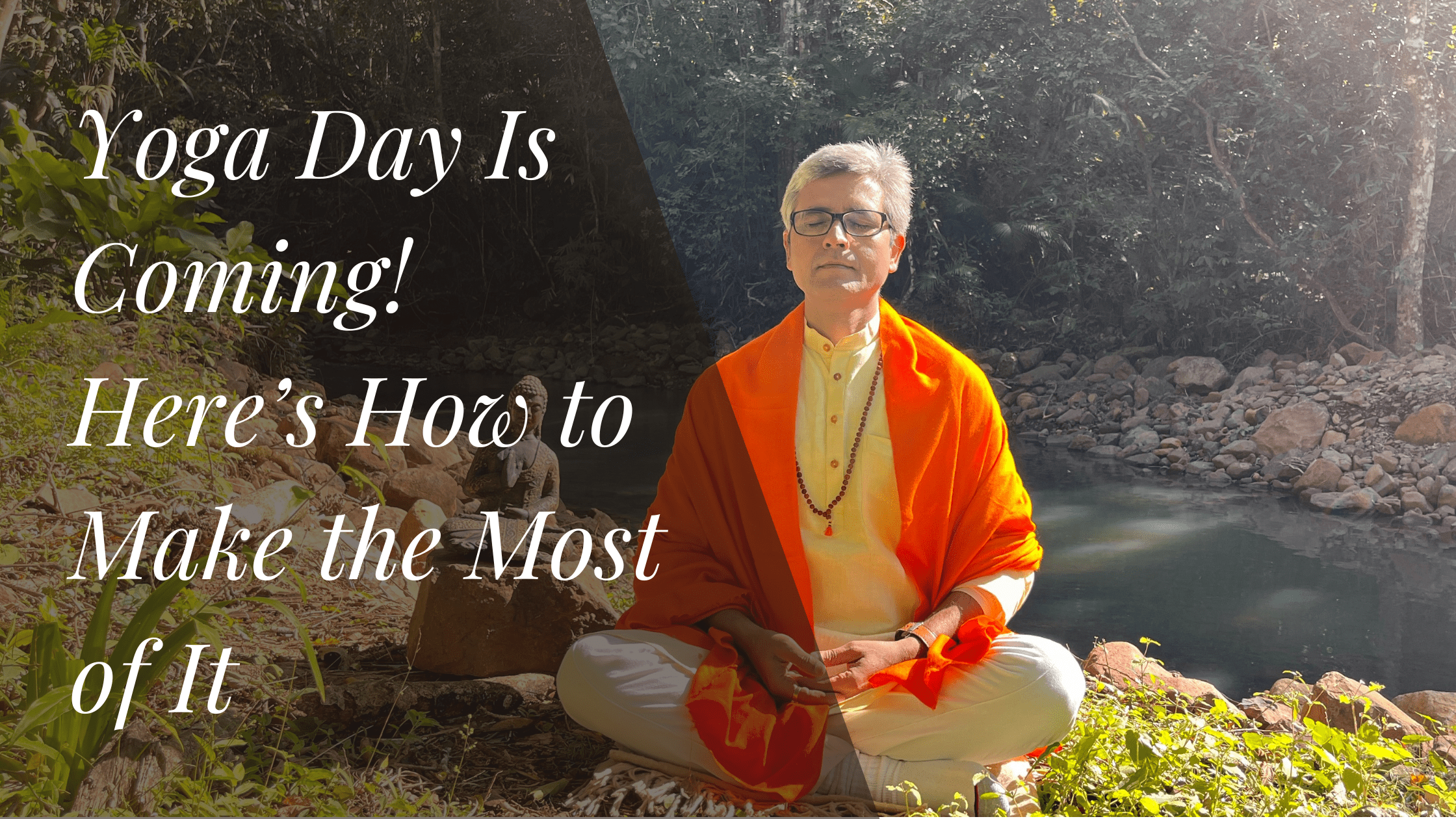
Yoga Day Is Coming! Here’s How to Make the Most of It

Kritika Bairagi | June 14th, 2025

Every year, June 21st (Yoga day)marks more than just a date on the calendar—it invites the entire world to pause, breathe, and reconnect. Whether you’re a seasoned practitioner or someone simply curious about yoga, International Yoga Day is a powerful reminder: the journey inward is one worth taking.


International Yoga Day was officially declared by the United Nations in 2014, following a proposal by India’s Prime Minister, Narendra Modi. The first celebration took place on June 21, 2015, with over 35,000 people gathering at Rajpath in New Delhi to practice together. Since then, it has become a global movement, celebrated in over 190 countries.

Why June 21? It’s the Summer Solstice—the longest day of the year in the Northern Hemisphere—considered sacred in many traditions. In yogic culture, it’s believed to be the day when Shiva, the Adiyogi (first yogi), began imparting the knowledge of yoga to humanity.

Each year, the day carries a theme. While the 2025 theme is yet to be officially announced, past themes like “Yoga for Humanity” and “Yoga for Wellness” emphasize the deeper purpose of yoga beyond the mat.


Before you roll out your mat, let’s take a moment to remember: Yoga isn’t about flexibility or fancy poses. It’s about union—of breath and body, of self and spirit, of the individual and the universal.

The word Yoga comes from the Sanskrit root “Yuj”, meaning to unite. Real yoga is a journey inward, a shift from doing to being.

“योगः चित्तवृत्ति निरोधः”
Yoga is the cessation of the fluctuations of the mind — Patanjali Yoga Sutra 1.2

So on Yoga Day, don’t just do yogalive yoga. Even one conscious breath, one act of compassion, or one moment of stillness is yoga.

yoga day

In a time where anxiety, digital burnout, and chronic illness are on the rise, Yoga Day is more relevant than ever. Here’s what makes it so special:

1.Raise Awareness

Yoga Day brings attention to holistic health and mental well-being. It reminds people that wellness is not a pill—it’s a practice.

2.Create Global Unity

Yoga transcends religion, nationality, and language. It creates a shared space where people from every background move and breathe together.

3.Inspire New Beginnings

For many, June 21 is the day they finally attend their first class, sit in meditation, or roll out a mat after years of pause.


Here’s a guide to help you celebrate meaningfully—whether you’re new or seasoned.

1. Start with Intention

Before moving into postures or practices, ask yourself:

  1. Why do I want to practice today?
  2. What part of myself needs attention?

Setting an intention turns a routine into a ritual.


2. Try our 24-Minute Yoga for 24 Hours of Energy 

In honor of June 21, Keep it simple: Don’t aim for perfection. Aim for presence.

Guided by Guruji, (Dr. Radheshyam Mishra), Yogalife Global’s founder, this tutorial provides you with an easy-to-follow, accessible, and effective routine that is meant to energize your mind, body, and spirit. Through this 24-minute yoga session, you will learn a set of asanas and exercises that can be done anywhere to balance energy levels throughout the day. It is the ultimate remedy for anyone seeking to escape the stagnation of a sedentary lifestyle.


3. Practice Pranayama (Breathwork)

Even five minutes of conscious breathing can shift your energy. Try:

  1. Nadi Shodhana (Alternate Nostril Breathing) for balance
  2. Bhramari (Humming Bee Breath) for calm
  3. Kapalabhati for energy and detox

4. Sit in Stillness

Meditation isn’t about stopping thoughts—it’s about observing them. Sit quietly, close your eyes, and just be.
Even three minutes can shift your day.


5. Eat Mindfully

Choose a sattvic meal—clean, nourishing, and prepared with love. Eat slowly, in silence, noticing every bite. Let your meal be a form of meditation.


6. Explore Yoga Philosophy

Read a passage from:

  1. The Yoga Sutras of Patanjali
  2. Bhagavad Gita
  3. Or simply reflect on a yama or niyama (like ahimsa or santosha)

7. Join a Community Practice

Whether online or in-person, practicing with others creates energy. Check if Online Yoga Life is hosting a special Yoga Day session—or gather friends for a rooftop flow or garden meditation.


IMG 3341 Online Yoga Life

If Yoga Day stirs something deeper in you—a desire to learn, grow, and guide others—this could be the perfect time to begin your teacher training journey.

Our online yoga teacher training course at Online Yogalife is more than just certification—it’s a deep dive into classical yoga, yoga therapy, meditation, and the science of holistic living.

Led by Guruji Dr. Radheshyam Mishra, who brings over 25 years of wisdom, our program helps you:

  1. Heal yourself
  2. Understand yoga as a system of wellness
  3. Learn how to teach with authenticity
  4. Earn recognized certification at your pace, from anywhere

This Yoga Day, don’t just practice yoga—become the one who shares it.


Yoga Day isn’t about striking a pose for Instagram. It’s an invitation to pause… to turn inward… to return to yourself.

And maybe—just maybe—June 21 is the day you don’t just do yoga.
You become it.


Follow www.onlineyogalife.com for free Yoga Day events, special workshops, and inspiring stories from our global yoga family.
Let this day awaken something sacred within you.

Yoga day, training courses

Yoga Poses , students

Get Ready for School: 7 Yoga Poses to Recharge This June

Kritika Bairagi | June 11th, 2025

Because summer vacation isn’t just for relaxing; it’s also for rejuvenating your body and mind!

Hello, all the Young Yogis out there! 👋
Why not give your body and mind a new beginning before the school bells ring once more and your backpack is stuffed with books, homework, and perhaps a little drama?

The month of June is ideal for pausing, extending, and refocusing. These seven yoga poses will help you feel renewed, focused, and energized before returning to school life, regardless of whether you’ve been up late watching shows, scrolling through reels, or just relaxing (don’t feel bad about it).


Let’s be real—being a student isn’t easy. From early mornings and long hours of sitting to endless screen time and exam stress, your mind and body go through a lot. That’s where yoga becomes your secret superpower. 🧘‍♂️

Yoga isn’t just about fancy poses—it’s about helping you feel good from the inside out. A few simple stretches, some deep breathing, and a little stillness can go a long way in improving your focus, calming your nerves, boosting your energy, and making your body feel less stiff and more strong. Whether you’ve been glued to your phone or stressed about school reopening, yoga is your personal “refresh” button.

So before the new term kicks off, give yourself this gift: 15 minutes of movement, breath, and stillness. Trust us—your body and brain will thank you. 🙏📚✨

Are you prepared to reset?  Let’s roll out the mat!! 🧘‍♂️🌞


yoga poses, school

🌟The vibe: Total chill.

Why it’s awesome: Stretches out the back, relaxes the mind, and provides that comforting, secure feeling.

How to do it: Go down on your knees, bring your large toes together, knees wide apart, and stretch your arms out in front of you with your forehead touching the ground.

Good for: After hours of scrolling or worrying about school preparation.


🌟The vibe: Stretch and strengthen.

Why it’s awesome: Wakes up your entire body—arms, legs, back—also gives energy a boost!

How to do it: From a plank, raise your hips up like a mountain. Keep your spine long and heels pushing down.

Perfect for: Banishing summer slothiness.

Ayurveda Course Banner 4 Online Yoga Life

Ayurveda Course Banner 5 e1749628824258 Online Yoga Life

🌟The vibe: Free and playful.

Why it’s awesome: Releases the spine and makes your back extremely happy.

How to do it: On hands and knees, breathe in to arch the back (cow), breathe out to round it (cat). Meow and moo noises optional—but highly recommended

Good for: Morning stretch or prior to study time.


🌟The atmosphere: Relaxed and balanced.

Why it rocks: Enhances focus, balance, and posture.

How to do it: Stand tall, place one foot on the opposite thigh or calf (avoid the knee), and bring your hands to prayer or overhead.

Perfect for: Practicing balance—on the mat and in life.

Ayurveda Course Banner 7 e1749628904191 Online Yoga Life

Ayurveda Course Banner 6 Online Yoga Life

🌟The vibe: Open and confident.

Why it’s awesome: Opens up the chest and strengthens the spine—great for all that phone slouch!

How to do it: Lie on your stomach, put hands under shoulders, and press your chest up.

Ideal for: Posture check and confidence booster before school.


🌟The vibe: Calming and grounding.

Why it’s awesome: Expands the hips and quiets runaway thoughts.

How to do it: Sit up, bring the soles of your feet together, and flap your knees like butterfly wings.

Perfect for: Wind down before bed or journaling.

Ayurveda Course Banner 9 e1749629199839 Online Yoga Life

Ayurveda Course Banner 8 1 e1749629259349 Online Yoga Life

🌟The vibe: Relaxed but magical.

Why it’s awesome: Eases fatigue, increases blood flow, and is completely relaxing.

How to do it: Lie on your back with your legs up against a wall. Just breathe and relax.

Perfect for: Finishing off your yoga class—or just whenever you feel like feeling good.


Yoga is not about being perfect or flexible. It’s about being present for yourself—mind, body, and soul. 

These easy poses can:

  1. Decrease exam anxiety
  1. Enhance your concentration and memory
  1. Give you more energy in the mornings
  1. Help you sleep more soundly
  1. Create confidence (we swear—Tree Pose actually works!)

🌈 So before the hustle really starts again, take 15–20 minutes per day to tune in with yourself. You’ll go to school not only with new notebooks—but with a peaceful mind, a healthy body, and an open heart.

yoga transformationn Online Yoga Life

At Online Yogalife, we’re not teaching yoga. We’re raising future leaders, creatives, and peaceful warriors. If you’re the type of person who can’t get enough yoga, maybe someday you’ll even become a certified yoga teacher!

Our 200-hour Yoga Teacher Training features:

  1. Yoga basics and children’s yoga
  1. Meditation and stress management tools
  1. Anatomy (a.k.a. how your cool body works)
  1. Confidence and leadership training (because: girl bosses)

Check it out here – www.onlineyogalife.com


So take a deep breath, stretch it out, and remember—you’ve got this.

Namaste, future legends! ✨

Let’s meet on the mat before we meet at the school gates. 🙏


Yoga therapy certification, Online Yoga Life, Yoga Therapy

Why You Need Yoga Therapy Now — Not Just Regular Yoga

Kritika Bairagi | June 4th, 2025


Have you ever walked out of a yoga class feeling great… but still wondering, Why isn’t this helping my anxiety? or Why does my back pain come back again and again? That’s where Yoga Therapy steps in — and trust us, it’s a game-changer.

At first glance, yoga therapy might look like “gentler yoga,” but it’s actually a specialized, holistic approach to healing that combines the time-tested principles of yoga with modern-day therapeutic wisdom. It’s where ancient science meets personal healing.


Wait, Isn’t All Yoga Therapeutic?

A great question to start with. Yes — all yoga has therapeutic benefits, like improved flexibility, reduced stress, and enhanced breath awareness. But regular yoga is usually designed for general fitness and wellness.

🧘‍♀️ Think of it like this:
Regular yoga = Multivitamin
Yoga therapy = Custom-prescribed medicine

Yoga therapy is individualized, condition-specific, and designed by certified professionals trained in anatomy, psychology, and yogic healing — like the kind we train at OnlineYogaLife.com.


What Exactly Is Yoga Therapy?

Yoga Therapy is a professional discipline where yogic tools — like asanas, pranayama, kriyas, meditation, and lifestyle — are tailored to help people manage or recover from specific physical, mental, or emotional conditions.

It’s widely used in managing:

  1. Chronic back pain
  2. PCOS and hormonal imbalances
  3. Anxiety and depression
  4. Insomnia
  5. High blood pressure and heart health
  6. Post-COVID fatigue and recovery
  7. Arthritis, asthma, and more

🧠 Did You Know?
A 2020 study published in the Journal of Clinical Psychology found that yoga therapy reduced depressive symptoms by 33% in patients after just 12 weeks of practice.


20250428 1913 Meditation Loop simple compose 01jsya2mgzez0shaj37g42qkfm Online Yoga Life

“Yoga teaches us to cure what need not be endured and endure what cannot be cured.”
B.K.S. Iyengar

This is not just a quote — it’s the entire essence of Yoga Therapy.

When we move beyond general practice and step into the space of personalized healing, yoga becomes more than postures. It becomes a medicine — one that is gentle, ancient, and profoundly intelligent.

Yoga Therapy isn’t about fixing everything instantly. It’s about giving your body and mind the tools to cope, adapt, and transform — with breath, awareness, and compassion.

So if you’re dealing with stress, chronic pain, anxiety, or hormonal imbalances, ask yourself:

👉 Am I practicing yoga… or healing through it?
👉 Is it time to try something deeper?


How Yoga Therapy Differs from Regular Yoga Classes

FeatureRegular YogaYoga Therapy
FocusGeneral wellnessSpecific condition or goal
Group SizeGroup classesOften 1:1 or small groups
TeacherYoga instructorCertified yoga therapist
CustomizationOne-size-fits-allHighly personalized
Techniques UsedCommon asanasSpecialized, therapeutic tools

Imagine someone recovering from a stroke — a typical flow class with Sun Salutations may not help, but a yoga therapist will gently design a program with restorative asanas, breathwork to increase oxygen, and meditation to rebuild neuroplasticity.

Further Readings – What Does It Mean to Become a Classical Yoga Teacher?


Real-Time Impact: The Rise of Yoga Therapy

Still wondering if this is just a trend?

📊 According to the International Association of Yoga Therapists (IAYT), over 55% of yoga therapists in the U.S. are working in clinical or healthcare settings today — from hospitals to rehabilitation centers.

🧘‍♂️ In India, AYUSH-backed hospitals and therapy centers are incorporating yoga therapy as part of chronic disease care. It’s no longer just mats and mantras — it’s science, structure, and soul.

At Online Yoga Life, we offer Yoga Therapy Certification that empowers teachers to guide people through conditions like asthma, diabetes, obesity, and trauma with yoga’s healing powers.


What Makes a Yoga Therapist Special?

Becoming a Yoga Therapist isn’t about just learning extra poses. It’s a deep dive into:

  1. Anatomy & Physiology
  2. Psychology and Emotional Resilience
  3. Yogic Philosophy and Ayurveda
  4. Therapeutic Asanas, Kriyas & Bandhas
  5. Holistic diet & lifestyle changes

If you’re a yoga instructor looking to go beyond the mat and truly impact lives — it’s time to get trained.

💡 Explore our Therapeutic Yoga Teacher Training at www.onlineyogalife.com. Learn from lineage-based masters and real case studies — so you’re not just teaching yoga, you’re transforming lives.


A Quick Self-Check: Could Yoga Therapy Help You?

Ask yourself:

  1. Do I struggle with anxiety, pain, or sleep?
  2. Have I tried yoga but still feel stuck?
  3. Do I want a more holistic, sustainable approach to healing?
  4. Am I a yoga teacher who wants to offer more?

If you nodded yes to any of these — yoga therapy is worth exploring.


Final Thoughts: Yoga Therapy Is the Future

Whether you’re a student seeking healing or a teacher seeking purpose, yoga therapy opens a deeper dimension of what yoga truly is — a science of total wellbeing.

It’s not about touching your toes. It’s about touching your life.

✨ Ready to start your journey?
Visit onlineyogalife.com and discover how our therapeutic yoga courses can take your practice — and your purpose — to the next level. Namaste!!


Ayurvedic self-care, ytt certification, ryt yoga teacher , yoga training

7 Steps to Create an Ayurvedic Self-Care Practice

Kritika Bairagi | June 3rd, 2025

A Self-Care Handbook for Yoga Teachers

In the yoga and wellness community, there’s a gentle wisdom that tends to whisper to us at the exact moment we need it most: slow down, breathe, and find your way back to nature. Ayurveda—the Yoga sister science—is that whisper solidified into a lifestyle. As a yoga teacher, creating an Ayurvedic self-care practice isn’t merely about personal equilibrium; it’s about enriching your practice, living your teachings, providing your students with a genuine route to holistic wellness through Ayurvedic Self-Care.

assets task 01jvqbf17se8dtkaznk1c5y8y3 1747761765 img 1 Online Yoga Life

If you’re already a yoga teacher or halfway through your ytt certification, bringing Ayurveda into your life can be a total game-changer. At Online Yoga Life, our teacher trainings don’t just end at asanas and pranayama. We provide intense modules on Ayurvedic Self-Care for Yoga Teachers so you can fully embody what it is to be a ryt yoga teacher—someone who heals, leads, and lives with intention.

Let’s dive into how you can create a soulful 🧘‍♀️Ayurvedic self-care practice in 7 simple steps –


It all begins in Ayurveda by learning about your dosha—your one-of-a-kind mind-body type. Are you airy and imaginative like Vata? Fiery and ambitious like Pitta? Or balanced and soothing like Kapha?

In our Ayurvedic module for the yoga teacher training program, we train teachers to become aware of their doshic imbalances and how to establish individual daily rhythms. Being aware of your dosha helps you select the proper food, sleep cycles, yoga classes, and even the pace of teaching.

Tip: Do a basic dosha quiz or enroll in our teacher training course to know how to evaluate doshas correctly.


Ayurveda guides us that consistency is medicine. Practicing Dinacharya introduces rhythm to our life, harmonizing our body with nature’s rhythm. Here’s a simple morning Ayurvedic self-care routine every yoga teacher ought to be aware of:

  1. Wake up early in the morning
  2. Tongue scraping and oil pulling
  3. Warm lemon water
  4. Gentle self-abhyanga (oil massage)
  5. Light yoga and pranayama according to your dosha

As a ryt yoga instructor, you are a reflection of your students. When you adopt a mindful routine, your students will be inspired to do the same. Practical workshops on how to build and instruct Dinacharya are part of our ytt certification.

Ayurvedic self-care ytt certification, ryt yoga teacher , yoga training

Here’s a graph showing the estimated number of people who have benefitted from Ayurveda across different regions in 2024. 🧘‍♀️


Food is fuel—but in Ayurveda, it’s also medicine. What you eat will impact your clarity, energy, and even your teaching ability.

For traveling yoga teachers, it’s easy to grab a smoothie or miss meals between classes. But Ayurveda promotes warm, cooked, and dosha-balancing food that nourishes digestion and energy.

In our training, we learn how to make quick Ayurvedic meals and herbal teas that can work with the schedule of a yoga teacher. Ayurveda is not about complexity, but about harmony.


Yoga teachers tend to forget to tailor their practice with seasonal changes. Ayurveda reminds us that every season has its own energies.

👉In autumn (Vata season): Slowing down, grounding yoga pacifies the airy mind.
👉In summer (Pitta season): Cooling forward bends and moon salutations do the trick.
👉In winter (Kapha season): Energetic flows shatter stagnation.

Within our Ayurvedic yoga training modules, we show you how to design seasonal classes for your students and also how to design your own practice accordingly. That’s what makes a good yoga teacher a great ryt yoga teacher.


You don’t have to have an entire shelf of foreign herbs to use in Ayurvedic self care. A few essentials can aid your immunity, digestion, and sense of peace:

🌿Ashwagandha for stress
🌿Triphala for digestion
🌿Cumin-Coriander-Fennel tea for balance

During our ytt certification, students learn about safe herbal use, preparation techniques, and how to recommend mild herbs to students under guidance.

Remember: Ayurveda teaches us to use nature, not overwhelm it.


Modern yoga instructors juggle teaching, marketing, personal practice, and endless scrolling. Ayurveda reminds us to make space for stillness.

Build daily rituals like:


💫Evening candle meditation
💫Massage with sesame oil on your feet (Padabhyanga
)
💫Quiet time for 15 minutes after class


These habits aren’t indulgences—they’re musts for spiritual leaders such as yoga teachers. We show you how to integrate these sacred rituals into your life and your classroom during our training.

Ayurvedic self-care ytt certification, ryt yoga teacher , yoga training


Late-night e-mails, blue light, and dashing from class to class can ruin your sleep. Ayurveda places a high value on restorative sleep as a foundation for health. A bedtime routine for a yoga teacher could be:

💡Warm almond milk with nutmeg
💡Brahmi oil head massage
💡A reading of a chapter in a yogic text
💡Going to bed at 10 p.m.

In our ytt training, we don’t only teach asana sequencing—we impart the way of life of a ryt yoga teacher. This encompasses how to rest, how to recharge, and how to live Yoga in earnest.


Whether you’re a seasoned yoga teacher or beginning your yoga training, Ayurveda is the compass that keeps your teaching centered. It’s not just about your health—it’s about being able to show up for your students with integrity, groundedness, and clarity.

At Online Yoga Life, we see Ayurveda as the missing piece in contemporary yoga teaching training. That’s why we offer exclusive modules on Ayurvedic philosophy, habits, food and eating, and practical classroom tools based on this ancient wisdom.


You don’t have to change your life in an instant. Take one Ayurvedic self-care habit and do it for a week. Feel the change. Then build on that. As a yoga teacher, the more you practice what you preach, the more your students will believe and learn from you.

Ready to incorporate Ayurveda into your teaching journey?
Join our YTT certification course and become an ryt yoga instructor who teaches by experience, not theory.

Discover more about our Ayurveda modules at www.onlineyogalife.com
Let’s walk this healing path together. Namaste! 🧘‍♀️


online yoga trainer , yoga trainee, yoga instructor

7 Powerful Benefits of Japa Meditation for Online Yoga Trainers

Kritika Bairagi | May 26th, 2025

In the modern yoga world, it’s easy to get caught up in flowing sequences, perfect poses, and polished Instagram photos. But somewhere along the way, something ancient and incredibly powerful got left behind — Japa Meditation.

It’s surprising how many online yoga trainers and even in-person instructors skip over mantra-based practices. Maybe they think it’s too traditional, too complicated, or not “dynamic” enough for today’s fast-paced world. But here’s the truth: Japa Meditation is the missing key — not just for your personal growth, but also for deepening your teaching, your energy, and your students’ transformation.

Let’s sit down together, heart to heart, and explore what Japa Meditation really is, why it works, and how yoga instructors and teachers can integrate this powerful technique into their path and practice — especially through our meditation teacher training course at onlineyogalife.com.


What is Japa Meditation?

The word “Japa” comes from the Sanskrit root ‘jap’, which means to mutter or repeat. Japa Meditation involves the repetition of a mantra, silently or audibly, as a method of focusing the mind, purifying the heart, and awakening higher states of consciousness.

Whether it’s “Om,” “So Hum,” “Om Namah Shivaya,” or a guru-given bija mantra — the repeated vibration becomes a subtle yet profound tool for diving deep within.

Unlike some meditations that demand stillness or emptiness, Japa gives your mind something to lovingly hold on to. And for many students — especially beginners — this is a game-changer.


Why Should Online Yoga Trainers Care?

As an online yoga trainer, you probably focus on sequences, breath cues, body alignment, and class planning. That’s important — but what about mental alignment? What about emotional healing? What about subtle energy?

Your students come to you for transformation — and asana alone isn’t always enough.

Adding Japa Meditation to your classes or offerings can:

  1. Create a sacred, inward shift in your students.
  2. Help them stay anchored during emotional storms.
  3. Deepen their meditative experience without needing silence.
  4. Introduce a spiritual element in a grounded, accessible way.

And for you, as a yoga instructor, it builds your own inner fire (tapas) and clarity — which reflects in every class you teach.


The Science Behind the Sound

Mantras aren’t just pretty words. Each one carries vibrational power. Think of it like striking a tuning fork — it sends ripples of sound through space. Now imagine those ripples happening inside your mind and nervous system.

Modern research shows that mantra repetition:

  1. Lowers stress and cortisol levels
  2. Calms the brain’s default mode network (where wandering, anxious thoughts live)
  3. Enhances focus and memory
  4. Activates the vagus nerve, promoting deep relaxation

When you combine this with pranayama and asana, your students get a full-spectrum healing experience.


From Instructor to Guide: Elevating Your Teaching Path

There’s a big difference between teaching postures and guiding someone into stillness.

Our meditation teacher training course at Yoga Life Global doesn’t just give you tools — it gives you transformation. We go deep into Japa Meditation, from traditional Sanskrit pronunciation to mantra selection based on the seeker’s path.

As a part of our course, you’ll learn how to:

  1. Introduce mantras with context and clarity
  2. Lead Japa sessions for different levels of students
  3. Use malas and breath techniques to enhance practice
  4. Understand the spiritual psychology behind repetition
  5. Help students deal with resistance, restlessness, and doubt

And most importantly — you’ll cultivate your own Japa practice, making you a more grounded, radiant, and magnetic teacher.


“But I’m Not Religious…” (And Neither Is Japa)

Let’s clear something up: Japa Meditation isn’t about converting or believing.

It’s about vibration, attention, and transformation.

Many mantras are universal. Take “So Hum,” for example — it simply means “I am That.” It’s an affirmation of unity, of the shared breath between you and the universe.

Mantras don’t ask for belief. They just ask for presence.

As a teacher, you don’t need to push faith. You simply invite your students into a space of sound and silence — and let the mantra do its magic.


Real Talk: Japa Will Change You

We’re not saying this lightly. When you truly commit to Japa, something deep shifts inside you. Old patterns fall away. Your reactions soften. Your voice feels clearer, your breath fuller, your presence more radiant.

You become a channel — not just a trainer.

So if you’re an online yoga trainer, ask yourself honestly:

  1. Are you teaching from depth, or just demonstration?
  2. Do you want to offer more than movement?
  3. Are you ready to evolve from instructor to guide?

If you said yes, then Japa is your next step.


Join the Journey: Learn Japa Meditation in Our Online Teacher Course

At Yoga Life Global, we believe in training teachers who live their practice. Our online meditation course goes beyond trends — it returns you to the roots.

In the Japa Meditation module, you’ll experience:

  1. Daily mantra repetition with guidance
  2. History and spiritual meaning behind sacred sounds
  3. Personalized feedback on your voice and rhythm
  4. Tools to teach and inspire others with mantra work

Whether you’re teaching online or offline, Japa Meditation adds a timeless dimension to your offerings.

Don’t just teach yoga — transmit it.

Visit.


Final Thought: The Whisper That Transforms

In a noisy world, a whispered mantra is revolutionary.

Don’t overlook the power of repetition, devotion, and vibration. As a yoga teacher, your voice has the potential to heal, not just instruct.

Let Japa be the heart behind your guidance.

And if you’re ready to dive in — we welcome you to our online yoga trainer community at Yoga Life Global. Your journey from instructor to true guide begins here.


Explore our meditation teacher course today.
🌐 www.yogalife.co.in
📿 Learn Japa. Live Mantra. Lead from the Heart.


Meditation , Yoga , Observer

Not Your Mind, Not Your Thoughts – So Who Are You?

Kritika Bairagi | April 23rd, 2025


Who’s Really Meditating?
Let’s sit with a simple question: Who is meditating?

Really, no. Who’s observing your breath? The one attempting to concentrate? The one who becomes sidetracked and then regains focus? It may seem a bit… strange to ask this question. Perhaps even bothersome. But stay with me—it could change your perspective on meditation forever.


This is how it begins…


On your mat, you are seated. It might be early in the morning or the end of a long day. You close your eyes and start to concentrate. on the breath. Regarding the noises. On the quiet. And in a matter of seconds, ideas enter like unexpected visitors. A list of things to buy. You heard that last week. Suddenly a song lyric.

Then, if you’re lucky, you see it taking place. “Oh wait, I’m thinking again,” you realize.


However, who is observing that?

Behind the thoughts, the observer
This is the best part.

Your thoughts are not who you are. You’re not even attempting to control your thoughts. It’s all being watched by you.

It’s similar to being in a movie theater. The thoughts are vivid, dramatic, and intense like the film on screen. However, you are the one who is observing the movie from a distance. The issue? The majority of us forget we’re seated. We become engrossed in the story. We take on the roles of protagonist, antagonist, and composer. We become so engrossed that we lose sight of the audience.

The key to effective meditation is to keep in mind that you are the one observing.

“But I don’t understand.”
Completely reasonable. It’s an odd idea.

Let’s use another example: Have you ever held another mirror behind you while gazing into a mirror? You see yourself reflected in your reflection, which reflects you, and so on. When you begin to observe the observer, it may feel like that. Strangely liberating, but also a little psychedelic.

You’re entering a realm where you can truly see what’s happening, rather than merely responding to life. from afar. A little clearer.

This has nothing to do with dozing off. It involves focusing so intently that you become conscious of your own consciousness. And wow, from that space. Magic occurs.


Benefits in real life (not only woo-woo content)


Let’s be honest. Life is a mess. More than ever, our thoughts are loud. There is a lot of stress from work, personal concerns, and phone notifications. However, things slow down when you learn to enter that inner observer’s space. You begin to respond instead of react. You are calmer, not just that you feel calmer.

Imagine that you are sitting on the hill, watching the storm pass, rather than in the storm itself. Even the loudest thunder doesn’t tremble you as much up on the hill when you’re there.

Then, how can we “observe the observer”?
It’s easy, but not always.

You sit first. No plans. No objectives. Simply sit. Pay attention to the breath.

Next, observe the person observing the breath. It may sound ridiculous, but give it a shot.

“Who is noticing this breath?” ask yourself.
Then allow the question to fade. Whatever comes, sit down.

There is no pressure. No flawless responses. Just taking note. Taking note. Existing.


The “trying too hard” trap


Many people (yes, even experienced practitioners) make mistakes with this. We make an effort to compel meditation. Make an effort to get somewhere. Aim for a “deep experience.” However, that is just another mental trick. The observer makes no attempt. It simply is.

And when you realize you’re making an effort? That’s acceptable as well. Simply take a step back. Look at the person making an effort. Do you see where this is going?

To be honest, it’s kind of funny. All of us are merely layers of thought and work, but underneath it all, something remains. Something quiet. The true meditator is that.

meditating, teaching yoga

Here’s what yoga teaches us


This is the core of true dhyana (meditation) in classical yoga, yes, the kind we study in our teacher training course. It’s not about zen music or pretty poses. It involves removing the layers. locating that silent observer.

In the Yoga Sutras, Patanjali discusses this. The goal of the practice is to calm mental turbulence so that the seer can remain true to itself. “Stop getting lost in the noise, and remember who you really are” is what that fancy yogic phrase means.

What about our training? Understanding yoga is more important than simply practicing it. profoundly. In a genuine way. You will acquire the necessary tools to investigate this particular matter. Not only for yourself, but also so that you can mentor others.


Let’s be honest.


You may sit and feel like a monk on certain days. Calm, motionless, nearly radiant.

On other days? Your brain will feel like it’s running on high speed.

Both are doing well. Really.

Perfection is never the aim. It’s there.

You can watch it even if your mind is racing. The practice is that observation. The gold is that.


Concluding remarks (well, for now)


This route? It’s not a straight line. It’s not always spotless or suitable for Instagram. However, it is real. It is a human. It is living.

And if you have ever questioned whether meditation is “working” for you, perhaps the answer lies in this: Who is it that is asking?

Check out our teacher training course if you want to delve deeper into this practice, learn how to observe the observer, and teach others how to do the same. Though designed for everyday life, it is based on the wisdom of tradition. for your own life.

We maintain realism, personalization, and groundedness.

Visit onlineyogalife.com to join us. It is better to walk this path together.

Observing, meditating

meditation, yoga teachers, guide

Meditation for Yoga Teachers: Purpose, Practice, and Relevance Today

Kritika Bairagi | April 21st, 2025


Goals and Significance in the Present Era

Let’s face it, what does the term “meditation” conjure up for you?
A mountain monk? A quiet room with a perfectly lit candle? Or simply the idea that “I can’t sit still for five minutes!”

Regardless of your affiliation, meditation has become a common topic of discussion, and with good reason. However, its origins, function, and strength are much more profound than the popular mindfulness applications or breathing GIFs that you see on your feed.

So let’s take a moment to slow down and investigate: Really, what is meditation? And why is it so important now?


The Yogic Definition of Meditation: It’s Not Just Sitting Still


Meditation in the yogic tradition is more than just mental relaxation. It isn’t a task. It’s not a quick-fix method you use after a stressful day. It is a state of being—a state that naturally occurs when the mind is calm, concentrated, and unaffected by outside influences.

The seventh limb of the eightfold path of yoga (Ashtanga Yoga) described by Sage Patanjali in the Yoga Sutras is known in Sanskrit as Dhyana. Before achieving Dhyana, a practitioner establishes a strong foundation: physical discipline (Asana), breath control (Pranayama), withdrawal from sensory distractions (Pratyahara), focused concentration (Dharana), and ethical living (Yama, Niyama).

Therefore, meditation is the blossoming of an entire way of life, not the beginning.


But Hold on… Why Practice Meditation Now?


The modern world is noisy, let’s face it. Social media rabbit holes, deadlines, notifications, and the constant sense that you need to do more. Our minds are now overburdened, underrested, and pulled in a hundred different directions all the time.

At this point, meditation becomes not only beneficial but also necessary.

This is the reason:

  1. Mental Acuity in a Noisy Environment
    The fog is lifted by meditation. It allows your overthinking mind to relax. Frequent practice improves perception, decision-making, emotional response, and thought clarity.
  2. Reactivity, Not Stress, Is the Enemy
    There will always be stress. Meditation alters your relationship with it. You can change the way you handle life’s obstacles by taking a few minutes each day to sit in awareness. Reduced impulsive responses. more realistic answers.
  3. Self-Reconnection
    We’ve become adept at keeping in touch with the outside world, but we’ve lost touch with ourselves. That silent reunion is meditation. A place where you can reconnect with yourself without the distractions, filters, or expectations.
  4. Better Sleep, Emotional Well-Being
    It’s more than just spiritual. The benefits of meditation are real; it has been shown through science to lower anxiety, increase emotional resilience, and improve sleep. It’s similar to mental housekeeping.

Also read: Consistency in Yoga: The Real Secret to Growth for a Yoga Instructor


How Do You Begin? Hint: It’s Not as Hard as You Think


You don’t need incense or a Himalayan cave, but feel free to use them if you so choose. The first step in meditation is paying attention. Just one breath. A single flash of insight. When your thoughts stray, make a gentle return.

Here are some guidelines for novices:

Start Small: You can develop the habit in as little as five minutes each day.

Select a Focus: Anything to focus your attention, such as a candle flame, a mantra, or your breath.

Don’t Fight the Mind: Having thoughts is normal. Return to your main focus with gentleness.

Be Consistent: Regularity, not length, is what makes a difference.


A Timeless Habit for a Timeless You


According to yogic philosophy, meditation should aim for liberation rather than merely relaxation. It serves as a gateway to truth, tranquility, and inner freedom. An internal journey that uncovers the silence that always existed beneath the cacophony.

And that stillness may be the most necessary and rebellious thing you can cultivate in today’s world, where everything is external, fast-paced, and competitive.


Concluding remarks


The next time life seems too much, too loud, or just plain overwhelming, keep in mind that you have something old, strong, and transforming inside of you.

Being flawless is not the goal of meditation. It all comes down to showing up. taking a seat. Inhaling. listening. Going back. Again and again.

It’s a conscious dive into life rather than an escape from it.

Do you want to delve further? Check out our online teacher training program if you’re interested in learning about the Yogic path in all of its facets, including breathwork, meditation, philosophy, and therapeutic techniques.

Our course helps you experience meditation not just as a practice but as a way of being, regardless of whether you’re aspiring to teach yoga or you just want to incorporate yogic wisdom into your life.


yoga teacher , nadi , subtle body

The Subtle Body: Learning in Yoga Nadis, Chakras, and Koshas

Kritika Bairagi | April 7th, 2025

Have you ever led students through a yoga class and felt as though something else was involved? That moment when a student leaves class radiant with a sense of peace they cannot quite articulate or when a deep hip opener brings unexpected feelings? The subtle body has magic like this.

Yoga teachers deal with something far more than just muscles, joints, and breath. Yoga is a science of energy, a road map of human consciousness, not only exercise. Knowing the subtle body—nadis, chakras, and koshas—allows you to lead pupils into actual transformation rather than only movement.


The subtle body what is it?

One can grasp the physical body quite easily. We see, touch, feel it. Benevolently beneath this outward layer, though, are layers of being (koshas), energy channels (nadis), and energy centers (chakras). This is the subtle body, a blueprint of energy guiding our emotions, ideas, and general state of health.

Though modern science cannot “see” this system in MRIs or X-rays, ancient yogis mapped it thousands of years ago. And today? Acupuncture, energy healing, even neuroscience point to what yogis always knew: our bodies are more than just flesh and blood.

Also Read : consistency-in-yoga-instructor-growth


Nadis: Prana’s Roads of pathogenity

Should the subtle body be a city, the nadis are its highways—channels for prana, or life force, all around the body. Among the three most crucial are:

Ida Nadi is left side, cool, connected with feminine energy and the moon. regulates leisure and intuition.

Pingala Nadi, right side, heating connected with the sun and manly energy. Act and with reason under governments.

Running along the spine, the central channel is Sushumna Nadi. Kundalini awakening can happen when energy moves here.

Fact: Ancient writings claim we have 72,000 nadis! All play a part in energy balance even if we concentrate on the three key players.

For yoga teachers, knowing nadis helps improve breathwork (pranayama). Alternate nostral breathing, or nadi shodhana, balances ida and pingala to open the road for more profound meditation.


Chakras: The Transforming Energy Centers

Think of chakras as spinning wheels of energy found along the spine. They control all, including our highest spiritual awareness and our most basic survival instincts.

The following is a brief overview:

Muladhara, the Root Chakra, is survival, security, grounding. Right at the base of the spine. Students who are out of balance could become nervous or unstable.

✠ Sacral Chakra (Svadhisthana) – Emotions, creativity, pleasure. Tucked down in the lower abdomen. Should it be blocked, students could find themselves stuck or unmotivated.

Manipura’s Solar Plexus Chakra: confidence, personal power. Located in the upper belly. Weakness here may manifest itself as self-doubt.

❗ Heart Chakra (Anahata) – Love, empathy, relationship. At the middle of the chest. Blockers can build emotional barriers.

Vishuddha, the throat chakra, speaks to communication, truth, self-expression. When weak, students could find it difficult to express their truth.

Third Eye Chakra, or Ajna: insight, wisdom, intuition. Between the eyebrows is where it is. Lack of clarity can follow from a blocked third eye.

Sahasrara, the crown chakra, is spiritual connection and enlightenment. Students that are open experience great peace and direction.

💡 Would you know? Research indicates that stress and trauma can produce energetic blockages in the body that yoga helps clear!

Working with chakras for teachers means designing courses that support the balance of these energy centres. While core work increases confidence in the solar plexus chakra, yin yoga may open emotional blockings in the heart chakra.


Koshas: The Five Levels of Existence

The koshas expose more profound facets of our life, much as layers of an onion expose. The physical body comes first; pure consciousness comes last.

  1. Annamaya Kosha – The food body, or physical body. reinforced via diet and asana practice.
  2. The energy body is Pranamaya Kosha. Under control with breathwork.
  3. Manomaya Kosha is the mental body. Our ideas, feelings, and subconscious trends.
  4. Vijnanamaya Kosha: The knowledge body. Sensual knowledge and thorough understanding.
  5. Anandamaya Kosha – The bliss body. pure delight and divine connection.

Beginning asana (physical), breathwork (energy), meditation (mental), insight (wisdom), and deep relaxation (bliss), a great yoga class moves through all five koshas.


Why This Matters for Yoga Teachers

Teachers guide energy, awareness, and transformation; we are not only guiding movement.

✅ Do students seem to be resistant? It might be an energetic block, not their hamstrings.
✅ Students who are struggling? Deeper healing can be accessed by class themes addressing chakras.🅆 Want to expand on your lessons? Researching the subtle body changes your classes from soul work to workouts.

Including subtle body awareness increases your effectiveness as a yoga teacher. It lets you lead seminars, private sessions, and strong retreats that impact people’s life outside of only strength and flexibility.


Including This Into Your Classes

Before extending the practice, teach Pranayama—breathwork—to clear nadis.Design courses around chakra themes—e.g., heart-opening for compassion.🔹 Lead students through meditations examining koshas in search of increased self-awareness.Use mantras and sound to affect chakras and energy flow.To enable students to access more deeply koshas, offer longer savasana or Yoga Nidra.

💡 Fact: Breathwork and meditation rewire the brain, so supporting what yogis have long known!


Last Thoughts: Beyond the Mat

Yoga is about knowing and balancing the forces influencing our life, not only about poses. By using the subtle body, you as a teacher enable students to reach their best physically, emotionally, and spiritually.

Thus, keep in mind that you are not only running a class the next time you roll out the mat. You are directing an energy trip.

Visit our teacher training courses at www.onlineyogalife.com to learn more and master the subtle body. Let’s take yoga together, beyond the obvious surface.


yoga teacher, yoga teacher training

Mental Health Hacks for Yoga Teacher 

Kaushik Mehra | January 23rd, 2025

Mental Health Hacks for Yoga Teacher

Being a yoga teacher is rewarding, but it comes with unique challenges. Guiding others in their physical and emotional growth can sometimes strain your well-being. Mental health is crucial to ensure you remain a strong, supportive presence for your students. In this article, we’ll explore practical strategies for yoga teachers to maintain mental health while excelling in their careers. Additionally, we’ll discuss how yoga teacher training can equip you with the tools to manage these challenges effectively.  

Understanding the Mental Health Challenges Yoga Teachers Face

Yoga teachers often balance multiple roles. From teaching classes to supporting students emotionally, the workload can be demanding. Burnout, stress, and financial pressures are common among yoga instructors. A 2022 study highlighted that 70% of wellness professionals felt moderate to high levels of stress. Maintaining mental health is essential not only for personal growth but also for providing the best experience to your students.   

There are a variety of key challenges that exist. Such as emotional demands, that is supporting students through their struggles can be mentally draining. Irregular schedules are also a common problem that yoga instructors face. Many yoga instructors work odd hours, leading to physical and mental fatigue.   

Practical Mental Health Strategies for Yoga Teachers

1. Prioritize Self-Care

Dedicate time to your practice. This reinforces the physical and mental benefits that attract you to yoga. Incorporate restorative yoga and meditation into your daily routine to release tension and promote relaxation. Establish healthy eating and sleeping habits. A balanced lifestyle supports emotional stability and energy levels.  

2. Set Clear Boundaries

Define your work hours and communicate them clearly to students. Avoid overcommitting. Teaching too many classes can lead to exhaustion and diminish your enthusiasm. Learn to say no. Protect your mental energy by prioritizing tasks and opportunities that align with your goals.   

3. Seek Professional Support

Therapy or counseling can provide tools to navigate personal and professional challenges. Join peer support groups to connect with other yoga instructors. Sharing experiences can help you feel less isolated and gain new perspectives.   

4. Engage in Continuous Learning

Enroll in yoga teacher training (YTT) programs. These courses not only enhance your teaching skills but also deepen your understanding of mental health strategies. Advanced Yoga Teacher Training courses, such as RYT 300 or 500, often include modules on mindfulness and emotional resilience.   

The Role of Yoga Teacher Training in Mental Health

Yoga teacher training is a structured program designed to help aspiring and experienced instructors deepen their practice. It covers essential aspects of yoga, including philosophy, anatomy, and teaching methodology.       

Yoga Teacher Training programs also emphasize the importance of self-awareness and mental well-being. Learning to manage stress and build resilience is a core part of becoming a successful yoga instructor.    

Online Yogalife, a Yoga Alliance-certified institute, offers affordable and comprehensive Yoga Teacher Training programs. Our courses include RYT 200, 300, and 500 certifications, along with specialized training like prenatal yoga, yoga therapy, and much more. Participants often praise Online Yogalife for integrating mental health strategies into their curriculum. These programs help yoga instructors develop a balanced approach to personal and professional growth. 

yoga teacher, yoga teacher training

Science-Backed Benefits of Yoga for Mental Health

Yoga is widely recognized for its mental health benefits. Research shows that regular yoga practice reduces stress, anxiety, and symptoms of depression. A study found that yoga improves emotional regulation by increasing mindfulness and decreasing cortisol levels.      

For yoga instructors, maintaining a personal practice is essential. It not only benefits your well-being but also boosts your connection to the principles you teach.   

Practical Tips for Long-Term Mental Health

Include Mindfulness

Practice mindfulness meditation daily. Even five minutes can help center your thoughts and reduce stress. Use mindful breathing techniques during classes to stay grounded and present.   

Build a Support Network

Connect with fellow yoga teachers through local or online communities. Sharing experiences fosters a sense of camaraderie and reduces feelings of isolation. Collaborate with other wellness professionals to expand your knowledge and support system.   

Set Realistic Goals

Focus on progress rather than perfection. Celebrate small victories in your teaching journey. Align your career goals with your values to maintain motivation and purpose.   

Take Breaks When Needed

Schedule regular breaks to recharge. Time off prevents burnout and helps you return to teaching with renewed energy. Use vacation time to explore new yoga practices or attend retreats for inspiration.   

Final Thoughts 

Mental health is the foundation of a successful and fulfilling career as a yoga teacher. By prioritizing self-care, setting boundaries, and seeking continuous learning opportunities, you can navigate the challenges of this rewarding profession. 

Online Yogalife’s Yoga Alliance-certified programs offer a unique opportunity to enhance your skills while addressing mental well-being. Whether you’re starting with RYT 200 or advancing to RYT 500, these courses provide tools to grow both personally and professionally.   

Embrace these strategies to cultivate a balanced and empowered life as a yoga teacher. Your well-being matters, not only for yourself but for the countless students you inspire along the way.