Yoga Teacher Training | Yoga Life Global

Category: Yoga Teacher Training

backpain ,yoga therapy

Back Pain – Healing Your Spine with Yoga Therapy

Kritika Bairagi | August 9th, 2025

 Back Pain – Healing Your Spine with Yoga Therapy

Learn how Yoga Therapy and Naturopathy can heal posture, ease pain, and stabilize your back for life.

Back pain is one of the most prevalent health issues of the modern world—affecting everyone from teenagers burdened with heavy backpacks, to working professionals stuck behind their desks, to elderly individuals with stiffness.

Between 20% to 80% of adults have back pain at one time or another during their lives, as estimated by the WHO. What’s worrying is that it’s no longer age-dependent—young adults in their 20s and 30s are now complaining about chronic pain because of poor posture, excessive screen time, and lack of mobility.

Although painkillers and temporary treatments do work, they hardly ever treat the underlying cause. This is where Yoga Therapy and Naturopathy come in—not only to alleviate pain, but to normalize spinal alignment, correct posture, and prevent recurrence.

Must Read – Heal with Yoga: Natural Solutions for Modern Diseases


Identification of the Cause of Back Pain

Back pain is seldom due to one reason—it’s usually a combination of lifestyle, muscle weakness, and stress. Some of the common causes are:

Poor posture: “Tech neck” and rounded shoulders from prolonged use of devices.

Weak core muscles: The core stabilizes the spine—when weak, the back is affected.

Sedentary lifestyle: Prolonged sitting compresses the lower back and hardens muscles.

Stress and tension: Emotional tension can produce chronic muscle tension.

Degenerative conditions: Such as spondylitis, disc herniation, or arthritis.

In Yoga philosophy, the spine (Meru Danda) is regarded as the axis of energy. Misalignment impacts the body as well as the flow of prana (life force) in the system.


How Yoga Therapy Alleviates Back Pain

Unlike instant fix remedies, Yoga Therapy addresses the issue comprehensively. It treats muscle imbalance, spinal mobility, mental tension, and habit patterns—all the factors responsible for pain.

Here’s how:

Releases tight muscles using gentle stretches.

Strengthens weak areas that cause instability.

Improves flexibility so the spine can move freely.

Restores natural curves of the spine to minimize strain.

Enhances posture and body mechanics awareness.

back pain

Therapeutic Yogic Practices for Back Pain

1. Asanas (Postures)

These postures emphasize safe, progressive improvement:

Cat-Cow Stretch (Marjaryasana-Bitilasana): Loosens the spine, increases flexibility.

Cobra Pose (Bhujangasana): Strengthens back, opens chest.

Bridge Pose (Setu Bandhasana): Activates glutes, stabilizes lower back.

Child’s Pose (Balasana): Relaxes tension, gently opens the spine.

Supine Twist (Supta Matsyendrasana): Unlocks lower back rigidity.

2. Pranayama (Breathing Techniques)

Breathwork aids pain management by soothing the nervous system:

Anulom Vilom (Alternate Nostril Breathing): Balances energy and dampens stress.

Bhramari (Humming Bee Breath): Calms the mind, releases muscular tension.

3. Kriyas (Cleansing Practices)

Leisurely spinal rotations and dynamic warm-ups such as Kati Chalana ensure spinal fluidity.

4. Meditation & Relaxation

Yoga Nidra (Yogic sleep) facilitates release of subconscious patterns of tension.

Mindfulness meditation conditions the mind to notice and release pain-fear.


back     pain

Naturopathic Care for Spinal Well-being

Yoga is most effective when used in conjunction with Naturopathy, which is all about inner healing:

Anti-inflammatory nutrition: Add turmeric, ginger, leafy greens, berries, and omega-3 seeds.

Hydration: Maintains spinal discs fat and healthy.

Vitamin D & Calcium: Promote bone health—get sun and eat sesame, ragi, or almonds.

Detox treatments: Fasting or cleansing by itself aids in lowering systemic inflammation.

Prevention is Better Than Cure

Taking care of your spine must begin well before you feel pain. The following are some prevention measures:

Take micro-breaks every 30–45 minutes to stretch.

Sit using ergonomic chairs and align your screen to eye level.

Lie on a firm but comfortable mattress.

Perform spinal mobility exercises daily.

Eat a balanced diet to prevent weight gain that puts pressure on the back.

These tiny, daily habits save you years of pain and expensive treatments.


Final Takeaway

Your spine is more than a stack of bones—it’s your body’s chief support system, nerve superhighway, and energy conduit. Take care of it, keep it moving, and feed it from the inside out.

Whether you’re seeking relief from pain or looking to strengthen your back for the future, Yoga Therapy and Naturopathy offer a natural, side-effect-free solution. And if you’re a yoga teacher or aspiring instructor, mastering spinal therapy could make your teaching not just effective—but life-changing.

Go to yogalife.co.in to find out about our Yoga Therapy courses and discover how to heal yourself—and others—using the eternal science of Yoga.



Yog Teacher , Yoga Day

Why Every Yog Teacher Should Reflect on Yoga Day

Kritika Bairagi | June 17th, 2025

June 21—isn’t merely another calendar date. For yog teachers, it’s a profoundly meaningful moment: an opportunity to revisit why they teach, what they represent, and how they can lead others with authenticity, compassion, and lucidity.


While some concentrate on the postures or the show of mass classes, to teachers, Yoga Day is a chance to:

Take a breath and come back to personal intention

Rekindle the spark of inspiration

Bring to mind the oneness (yuj) behind each practice

Considering your position as a guide—beyond the body—assists teachers in respecting the authentic definition of yog: union with self, breath, and purpose.


With a heart full of devotion and a vision for deeper learning, Guruji traveled to The Yoga Institute, (Mumbai)—one of the world’s oldest organized yoga centers.

There, he was trained under the legendary guidance of:

Dr. Jayadeva Yogendra, a pioneer in modern yogic education

Dr. Hansa Yogendra, a beacon of yogic wisdom and compassion

In 1994, Guruji completed his Teacher’s Training Course, emerging not only with certification—but with a life mission: to make authentic yog accessible to every home and every heart.


In 1996, he founded his first training institute. What started as a modest classroom grew into Online Yog Life and Yog Life Global—a network of over 100+ institutes, empowering thousands across 22+ countries.

Today, Guruji has guided over 1 million people across 56 countries, mentored countless seekers, and continues to inspire a generation of conscious trainers through his online and offline courses.


Guruji’s journey is a living example of what teacher training is truly about:

It’s not just about learning techniques

It’s about transformation from the inside out

It’s about overcoming suffering and becoming a light for others

It’s about carrying forward the lineage with humility and dedication

On this Yog Day, let’s not just teach another class.
Let’s remember why we teach.


yog teachers

If you’re on the path of becoming a teacher—or want to deepen your understanding—this is your moment to start.

Our Online Yog Teacher Training Courses are:

✅ Rooted in Guruji’s direct lineage
✅ Taught with classical depth and modern application
✅ Available in 200, 300, 500, and 900-hour options
✅ Includes Yog Therapy, Ayurvedic Nutrition, Prenatal Yog & more
✅ 100% online with live sessions, community support, and certification

You’re not just joining a course. You’re stepping into a tradition.

Select from 200‑, 300‑, 500‑, up to 900‑hour RYT programs and specializations such as Yog Therapy, Pregnancy Yog, Ayurveda, and Nutrition 

Get genuine education, online, with live classes, e‑library, quizzy games, and post-certification career guidance.

“This Yog Day, turn your personal practice into purpose. Become the teacher you were meant to be.”


Yog Day is more than an annual occurrence—it’s a reminder that it’s the teachers who bring the difference: in bodies, in minds, in communities, and in lives. This is your day—to stop, look back, and get back on track.

Whether you’re a seasoned trainer or just beginning, Yog Day is your moment to realign with your purpose, your teacher, and your soul.

Let Guruji’s story be your reminder:

“Your struggles can become your service. Your healing can become your teaching.”

Are you ready to start?

Come to Online Yogalife to discover our teacher training programs, connect with our community of real teachers, and teach from your heart.

May this Yog Day enrich your journey—and fan the flame you hold as a guide. Namaste!!


Yoga teaching, yoga teacher training course, yoga instructor certification, online yoga teacher training, Ayurveda and yoga

Ayurveda for Yoga Teachers: Balance, Heal, Transform

Kritika Bairagi | June 6th, 2025


In today’s fast-paced digital world, there’s a rising hum—a collective yearning for balance, peace, and authentic wellness. People from all walks of life are turning to holistic healing, combining ancient wisdom with modern accessibility. As this global shift continues, so does the demand for trained yoga instructors who can guide others—not just through physical postures, but through the emotional and spiritual dimensions of healing.

If you’re an aspiring yoga teacher, you’ve probably felt that nudge. A quiet voice saying, “It’s time to go deeper.”
That’s where Ayurveda and Yoga intertwine beautifully—and where Online Yoga Life’s yoga teacher training course offers a rare, immersive journey into both.


While Yoga is often seen as a path to liberation through asanas, breathwork, and meditation, Ayurveda is the science of life that helps us live in harmony with nature—through diet, routines, and conscious living. Together, they form a complete map to physical health, emotional resilience, and spiritual awakening.

At Online Yoga Life, we don’t treat Ayurveda as a side dish. We integrate it into our yoga instructor certification programs to offer a truly classical, holistic training experience. This union allows you to not just teach yoga, but to live and embody it—anchored in ancient wisdom that’s still deeply relevant today.


So, what happens when you bring Ayurvedic principles into your yoga practice?

You stop moving blindly through sequences and start listening to your body’s rhythms.
You stop eating based on fads and start nourishing your unique constitution.
You begin to understand that every moment can become medicine.

Our yoga teacher training course online is more than just a curriculum—it’s a transformation portal. Here’s what we offer:

✔️ Classical Yoga Education with Ayurvedic Depth

Study the eight limbs of yoga, the Yoga Sutras, kriyas, mudras, and bandhas—layered with Ayurvedic insights into seasonal living, dosha-balancing routines, and detox techniques.

✔️ Fully Online, Fully Personal

Learn from anywhere in the world, at your pace, while receiving one-on-one guidance from experienced mentors. No rigid schedules. No travel hassles. Just pure, guided inner work.

✔️ Lifetime Access & Support

We believe transformation takes time. That’s why all our materials come with lifetime access, and your connection with us continues even after certification.

✔️ Rooted in Lineage, Designed for Life

Our teachings come from the sacred traditions passed down by Dr. Radheshyam Mishra (Guruji)—a torchbearer of authentic yoga. You won’t just get certified—you’ll carry the flame of a deep-rooted tradition.

Must read * 7 Steps to Create an Ayurvedic Self-Care Practice


Yoga teaching, yoga teacher training course, yoga instructor certification,Ayurveda and yoga, Ayurveda for yoga teachers

A Journey of Transformation – Meet Aarohi

Aarohi was a corporate professional in Mumbai, battling fatigue, anxiety, and chronic digestion issues. She joined our online yoga teacher training course hoping for better health, but what she received was far more profound.

“I thought I was signing up to learn asanas. Instead, I learned to breathe again. Ayurveda helped me understand why I was always tired, and Yoga gave me the tools to rebuild myself. Today, I teach morning classes in my city—and I’ve never felt more alive.”

Her story isn’t unique. From Tokyo to Toronto, we’ve seen thousands of lives shift—gently, but deeply. Students learn to teach, but more importantly, they learn to heal, to trust, and to lead with love.


Whether you’re planning to teach yoga in studios, online, or as part of a wellness retreat—knowing Ayurveda gives you an edge.

You’ll be able to:

  1. Customize sequences for different body types and imbalances
  2. Offer lifestyle recommendations beyond the mat
  3. Understand students’ struggles from a holistic lens
  4. Avoid burnout by syncing your practice with your personal constitution

This isn’t just about certification. It’s about embodied leadership—leading by example, with grounded wisdom and compassionate presence.


It may sound like magic—transformation through an online platform. But that’s exactly what we offer. At www.onlineyogalife.com, the teachings of ancient India come home to you, in a form that’s modern, accessible, and deeply real.

Whether you’re balancing a 9-to-5, raising kids, or exploring a new chapter after retirement—our platform meets you where you are. You don’t need to uproot your life to begin this path. You just need to say yes.


  1. Rooted in Tradition – Our yoga teacher training program is based on Classical Yoga, not commercialized trends.
  2. Ayurveda Integration – Rare in most online courses, but essential to ours.
  3. Flexible & Affordable – We believe cost shouldn’t be a barrier to wisdom.
  4. Global Access, Local Relevance – Students from 100+ countries, with content tailored for modern lifestyles.
  5. Supportive Community – Become part of a like-hearted sangha of seekers, learners, and future teachers.

If your heart beats faster when you imagine guiding others to stillness…
If you’re drawn to a life of service, health, and meaning…
If you’re ready to learn, unlearn, and become your own healer—

Now is the time.

✨ Visit www.onlineyogalife.com and explore our yoga instructor certification programs.
✨ Start your transformation, from within.
✨ Become a certified yoga teacher, equipped with ancient tools for a modern world.


There’s a Sanskrit phrase that captures this path beautifully:
“Tat Tvam Asi” – You Are That.”
You already have what you seek. You’re not starting from scratch; you’re returning to your essence.

Let Ayurveda guide your habits. Let Yoga refine your awareness.
Let your soul remember what it means to be whole.

Because teaching yoga isn’t just a profession. It’s a path of awakening—for you and everyone you touch.

We’re here to walk it with you.
Let’s begin. 🌿


yoga teacher training, online yoga teacher training

Yoga Teacher Training for Busy Parents: Is It Possible to Balance Family and Studies?

Kaushik Mehra | February 25th, 2025

Yoga Teacher Training for Busy Parents: Is It Possible to Balance Family and Studies?

As the world evolves, so does the interest in self-improvement. Yoga Teacher Training (YTT) has become a popular path for individuals seeking to deepen their yoga practice and embark on a meaningful career. For busy parents, however, the idea of committing to such a program may seem daunting. How can you balance family life, work, and studies? Can you pursue your passion for yoga while managing your daily responsibilities? 

Understanding the Commitment: What Does Yoga Teacher Training Entail?

Yoga Teacher Training (YTT) is more than just learning physical postures. It’s a transformative journey that includes mastering the principles of yoga philosophy, anatomy, teaching methodologies, and cultivating a personal practice. A typical YTT program takes 200 hours, which can be spread over weeks or months, depending on the structure of the course. While some programs require in-person attendance, others offer online options that provide flexibility for those with packed schedules.

For parents, the commitment to YTT might seem overwhelming, considering the need to balance family obligations, career responsibilities, and personal time. But it’s important to remember that this process doesn’t have to be rushed. Many parents begin their YTT journey knowing they’ll have to adjust it to fit into their busy lives, and this is where flexibility becomes key.

The Benefits of Yoga Teacher Training for Parents

The benefits of Yoga Teacher Training go beyond becoming a certified yoga instructor. For parents, the most immediate benefit is personal growth. As a parent, you may already have a strong sense of patience and adaptability, but YTT can help you refine these qualities even further. The practice of yoga encourages self-awareness, mindfulness, and resilience, all of which are valuable skills in family life.

Additionally, the knowledge gained during YTT can enhance your parenting. By adopting principles like mindfulness and compassion, you can build stronger, more connected relationships with your children. You’ll also gain tools to manage stress, which can make handling everyday challenges a little easier.

Another major benefit is career advancement. Many parents seeking YTT are looking for a way to transition into a new career or explore a side hustle. Yoga teaching can be a flexible profession, offering opportunities to work on your terms. Once certified, you can teach yoga at local studios, offer private lessons, or even create an online presence.

Is Online Yoga Teacher Training a Viable Option for Parents?

Online Yoga Teacher Training (YTT) has become a viable solution for parents who are unable to commit to a traditional in-person course. The flexibility of online training programs allows parents to access course materials, watch recorded classes, and engage in live sessions from the comfort of their own homes. This means that you don’t have to worry about commuting or scheduling conflicts.

Online YTT also allows parents to set their own pace. Unlike traditional in-person training, which usually follows a strict schedule, online courses often provide a longer window to complete the required hours. This gives parents more control over when and how they study, enabling them to manage their time around family commitments.

However, it’s important to choose a program that offers strong support. Quality online Yoga Teacher Training should include regular communication with instructors, access to a supportive community of fellow trainees, and opportunities for live practice teaching sessions. These elements ensure that you don’t just learn the technical aspects of yoga, but also receive the mentorship and feedback necessary to grow as a teacher.

Practical Tips for Managing Yoga Teacher Training with Parenting Responsibilities

For busy parents, managing Yoga Teacher Training while fulfilling family obligations requires effective time management and support. The key is creating a structured schedule that allows you to balance study time with family time. This might mean waking up early to practice yoga before the kids are awake, or using naptime as a study period.

One effective strategy is to break your training into manageable chunks. Focus on completing one module at a time rather than trying to tackle the entire program at once. This approach helps reduce the feeling of overwhelm and allows you to focus on quality, not quantity.

In addition to structure, it’s important to incorporate yoga into your daily routine, even if it’s just for a few minutes. Short yoga sessions throughout the day, whether in the morning or during breaks, can keep you connected to the material and improve your progress. You may even find ways to involve your children, such as practicing yoga together or teaching them simple poses, which can be a fun bonding experience.

Lastly, don’t forget the importance of self-care. Parenting and studying simultaneously can be exhausting, so it’s vital to carve out time for rest and rejuvenation. Prioritize activities that help you recharge, whether it’s a walk, a quiet moment to meditate, or a short yoga practice. When you take care of yourself, you’re better equipped to handle both your studies and your family responsibilities.

yoga teacher training, online yoga teacher training

Overcoming Challenges: What Parents Can Expect and How to Stay Motivated

It’s no secret that juggling family life and Yoga Teacher Training comes with its challenges. Parents might face time constraints, distractions, or even feelings of guilt for taking time away from their families to focus on themselves. These are common obstacles, but they don’t have to derail your progress.

Staying motivated is key to overcoming these challenges. Remind yourself of the benefits of completing Yoga Teacher Training. Not only will you gain valuable knowledge, but you’ll also grow personally, which will ultimately benefit your family as well. Set small, achievable goals to keep your momentum going. Celebrate your progress, no matter how small, and acknowledge that every step brings you closer to your goal.

Furthermore, keep in mind that taking time for yourself is an investment in your future well-being. Yoga Teacher Training doesn’t just benefit your career; it can improve your overall quality of life by offering you the tools to manage stress, increase patience, and become more mindful in your daily interactions.

Final Thoughts

In conclusion, busy parents can pursue Yoga Teacher Training without sacrificing family life or career goals. Whether you choose an in-person or Online Yoga Teacher Training program, the key is finding a course that offers flexibility and support. With effective time management, a structured approach, and a commitment to self-care, you can balance your studies with your parenting responsibilities.

Yoga Teacher Training is not just an opportunity for career advancement—it’s a chance for personal growth and a deeper connection with both yourself and your family. So, if you’ve been considering taking the plunge into YTT, don’t let the challenges of being a busy parent hold you back. The flexibility of online courses, combined with practical time management, makes it possible to embrace your passion for yoga while fulfilling your responsibilities at home.

yoga teacher training, online yoga teacher training

Why Online Yoga Teacher Training is Perfect for Introverts?

Kaushik Mehra | February 20th, 2025

Why Online Yoga Teacher Training is Perfect for Introverts?

Yoga teacher training is a transformative journey that goes beyond just mastering asanas. It offers an opportunity for personal growth, deepening your practice, and expanding your knowledge of yoga philosophy. However, for introverts, the prospect of participating in an in-person yoga teacher training (YTT) program may seem daunting. The social energy required in group settings, as well as the constant interaction with classmates and instructors, can be overwhelming for those who thrive in quieter, more solitary environments.

In recent years, online yoga teacher training (online YTT) has emerged as an ideal solution for introverts. This format offers the flexibility and control over one’s environment that many introverts find appealing. In this article, we will explore why online yoga teacher training is perfectly suited to introverts and how it allows them to thrive while pursuing a career in yoga teaching.

The Flexibility of Online Yoga Teacher Training

One of the key reasons why online yoga teacher training is perfect for introverts is the flexibility it offers. Traditional YTT programs typically require students to follow a fixed schedule, attend daily sessions, and interact with peers in group settings. For introverts, this structured environment can be overwhelming, especially when social interactions become too frequent or intense.

Online yoga teacher training removes these barriers by offering flexible schedules. Introverts can choose when to study when to practice, and when to engage with course materials. This freedom allows them to structure their learning in a way that suits their natural rhythm. The ability to work at their own pace removes the pressure of keeping up with a class and allows introverts to absorb the material more effectively.

Moreover, online YTT provides an opportunity to balance personal commitments, work, and yoga training. Introverts can plan their study time around their other responsibilities, ensuring they don’t feel overwhelmed by juggling multiple obligations. This flexibility is one of the primary reasons why online yoga teacher training is particularly beneficial for introverts.

Less Social Pressure, More Focused Learning

In traditional yoga teacher training programs, introverts often feel the pressure of constant social interactions. From group exercises to collaborative teaching, the need to constantly engage with others can lead to exhaustion and burnout. While these interactions are important for developing teaching skills, they can be draining for those who are naturally introverted.

Online yoga teacher training, on the other hand, provides a more focused and independent learning experience. Introverts can dive deeply into the course material without the distractions of group dynamics. There is less pressure to socialize or speak in front of large groups, allowing introverts to concentrate on what matters most to them: mastering the content and refining their practice.

The reduced social pressure means that introverts can engage with the material on their terms. Whether they prefer studying late at night or early in the morning, online YTT allows them to choose when they feel most alert and focused. This leads to a more rewarding and less stressful learning experience. Furthermore, the independent learning style of online YTT ensures that introverts can process the information at their own pace without feeling rushed.

A Comfortable Learning Environment

Introverts often perform best when they are in a familiar, comfortable environment. Traditional YTT programs typically take place in a studio or retreat center, which can be overwhelming for introverts who prefer quieter spaces. The noise, unfamiliar surroundings, and constant interaction can make it challenging to stay focused and engaged in the course.

Online yoga teacher training solves this issue by allowing introverts to learn from the comfort of their own homes or spaces where they feel at ease. They can create an environment that is conducive to their learning style, whether that means practicing yoga in a quiet room, using ambient lighting, or incorporating soothing music.

This freedom to choose their environment has a significant impact on introverts’ ability to focus. Instead of being distracted by the sounds and activity of a group setting, introverts can immerse themselves in the material without feeling overstimulated. This sense of control over their learning environment contributes to a more enjoyable and less stressful training experience.

Additionally, the comfort of learning from home eliminates the need for constant travel or being in unfamiliar places, which can sometimes create anxiety for introverts. Online yoga teacher training makes it possible for introverts to maintain their energy levels and focus on their growth, all while feeling comfortable and at ease.

yoga teacher training, online yoga teacher training

Deep Personal Practice and Self-Reflection

Yoga is not just about teaching others; it’s also about personal growth and self-reflection. For introverts, this aspect of yoga can be particularly powerful. Introverts tend to thrive when they are given space for introspection, and online yoga teacher training offers this opportunity in abundance.

In online YTT, students are often encouraged to focus on their personal practice and inner development before they start teaching others. This emphasis on personal growth allows introverts to connect more deeply with the teachings of yoga. They can take the time they need to process the material, reflect on their experiences, and grow at their own pace.

Online YTT also allows introverts to integrate the teachings of yoga into their everyday lives without the pressure of performing or demonstrating in front of others. Whether through journaling, meditation, or independent asana practice, introverts can take the time they need to internalize the teachings. This reflective approach to yoga allows introverts to feel confident in their abilities as they move forward in their training.

This personal growth component is an essential part of the yoga teacher training process. By giving introverts the time and space to explore their inner world, online yoga teacher training nurtures their ability to teach authentically and from a place of personal experience.

Work-Life Balance and Reduced Fatigue

Introverts often need time to recharge after social interactions, and the constant energy required in a traditional, in-person yoga teacher training program can lead to burnout. The demands of attending live sessions, participating in group activities, and socializing can quickly become exhausting for introverts who thrive on solitude and quiet time.

Online yoga teacher training offers a unique advantage in this regard. By allowing introverts to schedule their study and practice time around their existing commitments, online YTT enables them to manage their energy levels more effectively. They can take breaks when needed, practice yoga in their own time, and reduce the likelihood of feeling overwhelmed.  

Introverts can also choose to engage with other students and instructors in ways that are less energy-draining. Whether through written communication, small-group discussions, or one-on-one meetings, online YTT offers options for introverts to connect with others without the stress of large group dynamics. This flexibility not only prevents fatigue but also helps introverts stay motivated and focused on their training.

Conclusion

Online yoga teacher training is an excellent fit for introverts who wish to pursue a career in yoga teaching. The flexibility of online programs, coupled with the ability to work at one’s own pace and in a comfortable environment, makes it easier for introverts to thrive. With less social pressure, more opportunities for self-reflection, and the ability to balance personal commitments, online yoga teacher training provides a supportive and fulfilling path for those who may feel overwhelmed by traditional in-person training formats.

For introverts who wish to become confident and competent yoga teachers, online YTT offers the perfect balance of independence, flexibility, and personal growth. By embracing the opportunities offered by online learning, introverts can deepen their practice, enhance their teaching skills, and cultivate the confidence needed to guide others on their yoga journeys.

yoga teacher training, online yoga teacher training

Live vs Recorded: The Best Way to Experience Online Yoga Teacher Training

Kaushik Mehra | February 19th, 2025

Live vs Recorded: The Best Way to Experience Online Yoga Teacher Training

Yoga teacher training (YTT) has become a vital part of a yoga enthusiast’s journey, whether they aim to deepen their practice or pursue a career as a certified instructor. With the growing availability of online yoga teacher training, there is now a choice between live and recorded formats. This decision is crucial because it can significantly influence your learning experience and overall growth. In this article, we will explore the benefits of both live and recorded online yoga teacher training and provide you with insights into choosing the right format based on your personal preferences and goals.

Understanding Yoga Teacher Training (YTT) in the Online Space

In recent years, online yoga teacher training has emerged as an accessible and flexible option for individuals interested in becoming certified yoga instructors. Traditionally, yoga teacher training required attending in-person classes, often in distant locations. However, the shift to online platforms has opened doors for yoga practitioners worldwide, especially in the U.S., who seek to deepen their knowledge and gain certification from the comfort of their homes.

Online yoga teacher training programs offer the same curriculum, materials, and certification as in-person courses, but they come in two primary formats: live sessions and recorded classes. Each offers distinct advantages, and choosing the right option depends on various factors, including personal learning style, schedule, and career goals.

The Benefits of Live Yoga Teacher Training

Live yoga teacher training allows students to engage with instructors and peers in real time. This format simulates the experience of an in-person class, creating a sense of presence and community, which many students find enriching. The live interaction enhances the learning process in several ways.

One of the most significant advantages of live classes is the opportunity for immediate feedback. Instructors can address questions, provide corrections, and offer personalized advice during the session. This live interaction ensures that you receive guidance on your technique, making it easier to avoid mistakes and develop proper teaching methods.

Additionally, live yoga teacher training provides a sense of accountability. Since classes are scheduled in real-time, students are required to attend and participate at specific times, which encourages consistency. This regular structure can be motivating, helping students stay committed to their practice. The scheduled sessions also foster a sense of community, allowing students to connect with like-minded individuals and build lasting relationships with their peers. 

Finally, live classes promote a deeper level of engagement. The real-time aspect of these sessions encourages active participation, whether it’s through asking questions, interacting with fellow students, or discussing the material in detail. For many, the presence of an instructor and peers creates an environment where learning feels more dynamic and impactful.

The Appeal of Recorded Yoga Teacher Training

While live yoga teacher training has its advantages, recorded courses offer a completely different set of benefits. The most obvious one is flexibility. With recorded classes, students can access lessons whenever they fit their schedule. This is particularly beneficial for those with busy lives or conflicting commitments. Whether you’re juggling a job, family obligations, or other personal pursuits, recorded yoga teacher training provides the freedom to learn at your own pace.

Another advantage is the ability to revisit lessons as often as needed. If a particular concept or technique isn’t clear, you can rewind and rewatch the material until you fully grasp it. This flexibility allows students to spend more time on areas where they need improvement, ensuring a thorough understanding of the course content. This can be particularly valuable in online yoga teacher training, where mastering both the physical and philosophical aspects of yoga is essential.

Cost-effectiveness is also a major selling point for recorded programs. Live classes typically come with a higher price tag due to the real-time interaction and individualized attention provided by instructors. In contrast, recorded programs often come at a more affordable rate, making them an attractive option for those on a budget.

Moreover, recorded yoga teacher training is ideal for independent learners or introverts. Not everyone thrives in group settings or feels comfortable participating in live interactions. Recorded classes offer a solitary learning environment where students can focus entirely on the content without the pressure of live participation. This is especially helpful for those who prefer self-reflection and learning at their own pace.

Comparing Live and Recorded: Which One Is Right for You?

Choosing between live and recorded online yoga teacher training depends on your personal preferences and lifestyle. Some students excel in a live, interactive environment, while others prefer the flexibility and independence of recorded content.

yoga teacher training, online yoga teacher training

Your learning style plays a significant role in this decision. If you learn best by engaging with instructors and peers, live classes might be the ideal choice. The real-time feedback and the chance to ask questions can deepen your understanding of yoga and its teaching methods. On the other hand, if you are an independent learner who thrives when working at your own pace, recorded courses may be more suited to your needs.

Your schedule and time commitment also matter. Live yoga teacher training requires attending classes at set times, which may be difficult for individuals with irregular schedules. If flexibility is a priority for you, recorded courses allow you to choose when and where to study. You can balance your training with other personal or professional commitments, making it a more manageable option for those with busy lives.

Lastly, think about your long-term goals. If your main objective is to become a certified yoga instructor and gain hands-on experience, live training may be the better fit. The real-time interaction with instructors and peers offers an invaluable opportunity to practice teaching and receive guidance. However, if you are looking to deepen your practice or focus on specific areas of yoga, recorded training offers the flexibility to customize your learning experience.

How to Maximize Your Yoga Teacher Training Experience

Regardless of whether you choose live or recorded online yoga teacher training, there are several strategies you can implement to maximize your experience.

One option is combining both live and recorded formats. Some online programs offer hybrid models that blend live sessions with pre-recorded content. This approach allows you to enjoy the best of both worlds—engaging with instructors and peers during live classes while benefiting from the flexibility of recorded lessons.

Establishing a consistent routine is also essential for success. Set aside dedicated time each day or week to focus on your yoga training, whether it involves attending live classes or watching recorded videos. Creating a schedule will help you stay on track and ensure that you make progress in your learning journey.

Additionally, leverage online yoga communities to stay motivated. Whether you’re participating in live sessions or watching recorded content, joining a community of like-minded students can provide valuable support and encouragement. Sharing experiences, discussing challenges, and exchanging tips can help you stay engaged and committed throughout the training process.

Conclusion

In conclusion, both live and recorded online yoga teacher training offers unique benefits, and the best choice depends on your individual preferences and goals. Live classes provide real-time interaction, accountability, and a sense of community, while recorded courses offer flexibility, self-paced learning, and cost-effectiveness. Whether you choose live or recorded YTT, the key is to stay committed, establish a routine, and make the most of the resources available to you. Yoga teacher training is an investment in your future as a yoga instructor, and with the right approach, you can embark on a rewarding journey, regardless of the format you choose.

yoga teacher, yoga teacher training

What Your Words Say About You: How a Yoga Teacher Inspires Students Through Language?

Kaushik Mehra | February 19th, 2025

What Your Words Say About You: How a Yoga Teacher Inspires Students Through Language?

A yoga teacher’s words hold immense power. How they communicate can shape a student’s experience, influencing their mindset, motivation, and overall connection to the practice. Language is not just about giving instructions, it is about creating an environment where students feel safe, supported, and inspired. Every phrase, cue, and expression can either uplift a student or create doubt. Understanding how to use words effectively is an essential skill in yoga teacher training, ensuring that every class is not just a sequence of poses but a meaningful journey for students. 

The Influence of Language on Student Engagement

Words can encourage, motivate, and guide students through their yoga practice. The tone and pace of a yoga teacher’s speech impact the atmosphere of the class. A calm and steady voice helps students stay present, while abrupt or unclear instructions may lead to confusion. Research shows that positive reinforcement increases student engagement and retention. Simple phrases like “You’re doing great,” or “Feel free to modify as needed,” create an inclusive atmosphere where students feel empowered. Yoga teacher training emphasizes the role of communication, reinforcing that a teacher’s language should foster confidence rather than pressure.

Creating a Safe and Supportive Atmosphere Through Words

The words a yoga teacher uses set the emotional tone of a class. Encouraging, non-judgmental language helps students feel accepted, regardless of their skill level. A student’s experience in class is shaped by the comfort they receive. When teachers say, “There’s no right or wrong way to do this,” or “Honor where your body is today,” it removes self-doubt and fosters self-acceptance. Language should focus on self-exploration rather than rigid correctness. This approach aligns with the principles taught in yoga teacher training, where inclusivity and student comfort are key priorities.

Using Clear and Concise Instructions for Better Learning

Clarity in instruction is crucial in any yoga class. Vague or overly complex cues can lead to misinterpretation, frustration, or even injury. A yoga teacher must provide directions that are easy to follow, ensuring students transition smoothly between poses. Instead of saying, “Engage your lower abdominal region to create core activation,” a clearer cue would be, “Draw your belly in and up.” Short, direct instructions prevent overthinking and allow students to stay connected to their breath and movement. Yoga teacher training focuses on refining this skill, helping instructors develop a teaching style that prioritizes clarity and accessibility.

yoga teacher, yoga teacher training

The Power of Intention in Verbal Cues

Words should guide students not only through physical postures but also through mental and emotional states. A yoga teacher’s choice of language can encourage mindfulness, self-awareness, and relaxation. Setting an intention behind every cue strengthens the impact of the class. For example, instead of saying, “Hold this pose for five breaths,” a teacher might say, “With each inhale, create space. With each exhale, release tension.” This subtle shift makes the instruction more meaningful, encouraging students to connect with their inner experience rather than just the external form.

How to Adapt Language for Different Students

Each student comes to class with a different background, body, and experience level. A skilled yoga teacher understands how to adjust their language to accommodate this diversity. Beginners may need simpler, more descriptive cues, while advanced practitioners benefit from deeper anatomical explanations. Inclusive language is also essential to ensure all students feel welcome. Avoiding phrases like “This pose is easy” prevents students from feeling inadequate. Instead, saying, “Explore this pose in a way that works for you today,” invites everyone to practice at their own pace. Yoga teacher training emphasizes adaptability, teaching instructors how to read their students’ needs and modify their communication accordingly.

Final Thoughts 

The language a yoga teacher uses shapes the entire class experience. Every word carries meaning, influencing how students feel, move, and connect with their practice. By using clear, supportive, and intentional language, a teacher can create a class that is both instructive and deeply inspiring. The skills learned in yoga teacher training extend beyond physical postures, emphasizing the importance of mindful communication. As teachers refine their ability to use words effectively, they enhance not only their students’ practice but also their ability to guide with wisdom and compassion.


yoga instructor, yoga teacher

How can a Yoga Instructor Deal with Difficult Students?

Kaushik Mehra | February 13th, 2025

How can a Yoga Instructor Deal with Difficult Students?

Teaching yoga is rewarding, but it comes with challenges. A yoga instructor may encounter students who disrupt the class, resist guidance, or seem uninterested. Managing such situations requires patience, adaptability, and a deep understanding of student behavior. Instead of letting disruptions affect the flow of the class, instructors can apply effective strategies to handle them with confidence. 

Understanding Difficult Student Behaviors

Every yoga class consists of diverse individuals, each with unique expectations and attitudes. Some students may be disruptive, talking during class, or dismissing instructions. Others might be overly critical, questioning teaching methods or complaining about sequences. Some students may appear disengaged, failing to follow cues or showing little interest. 

Difficult behaviors often stem from deeper reasons. Stress, personal struggles, or discomfort with the practice can manifest in resistance. Some students may have unrealistic expectations or struggle with patience. A yoga instructor must recognize these underlying causes rather than reacting emotionally. Understanding these behaviors helps instructors approach them with empathy rather than frustration.

Establishing Clear Boundaries and Class Guidelines

Setting clear expectations at the start of the class creates structure. A yoga instructor should establish rules regarding punctuality, talking during class, and respecting others’ space. Communicating these guidelines calmly but firmly prevents misunderstandings later.

Consistency is key. If students notice inconsistent enforcement of rules, they may continue disruptive behaviors. A yoga instructor must maintain a professional but approachable demeanor, ensuring students understand that respect and discipline are essential to a productive yoga training session. Addressing issues immediately, rather than ignoring them, helps reinforce boundaries without escalating tensions.

Managing Disruptive Behavior Without Conflict

When a student disrupts the class, staying calm is crucial. A confrontation can create tension, affecting the entire group. Instead, a yoga instructor should use non-reactive strategies. Making eye contact or pausing momentarily can subtly signal students to adjust their behavior. If necessary, addressing the issue privately after class prevents embarrassment and promotes open communication.

Mindful communication also plays a role. Instead of using authoritative language, instructors can use positive reinforcement. Acknowledging when students correct their behavior encourages a cooperative atmosphere. Maintaining a steady and calm voice prevents disruptions from escalating and keeps the class energy balanced.

Engaging Uninterested or Distracted Students

Some students may appear disinterested or disengaged. They may struggle to stay focused or lack motivation. Rather than forcing engagement, a yoga instructor can adapt their teaching style. Using varied pacing, verbal cues, or relatable explanations can re-engage students who seem lost.

Creating a welcoming space is essential. Sometimes, students feel intimidated by the class, leading to withdrawal. A yoga instructor should encourage participation without pressure. Small adjustments, such as making eye contact or offering gentle encouragement, can help students feel more involved. Including elements of mindfulness or breathwork can also bring wandering attention back to the practice.

yoga instructor, yoga teacher

Handling Overly Critical or Challenging Students

Some students may openly question an instructor’s techniques or express dissatisfaction. This can be intimidating, especially for newer teachers. Instead of reacting defensively, a yoga instructor should listen actively and acknowledge their concerns. Validating a student’s perspective while maintaining confidence in teaching methods prevents conflicts from escalating.

In cases where criticism is frequent or disruptive, redirecting the conversation can be useful. Encouraging a one-on-one discussion after class helps address concerns privately. Instructors should also remain open to feedback, as some critiques may highlight areas for growth. Handling criticism professionally reinforces credibility and ensures a positive class environment.

Cultivating a Supportive Class Environment

A positive atmosphere minimizes student resistance. A yoga instructor should foster a sense of community, making students feel valued and respected. Encouraging small interactions, such as group discussions or shared reflections, helps create connections within the class.

Positive reinforcement also plays a crucial role. Recognizing students’ efforts, regardless of skill level, enhances motivation. Small affirmations, like acknowledging a student’s improvement, can shift class dynamics. When students feel encouraged, they are less likely to exhibit difficult behaviors.

A yoga instructor should also embody the values they teach. Demonstrating patience, mindfulness, and adaptability sets a powerful example. Students often mirror the instructor’s demeanor, making a calm and collected presence essential for maintaining harmony.

Self-Care for Yoga Instructors

Dealing with difficult students can be emotionally draining. A yoga instructor must prioritize self-care to maintain balance. Regular personal practice, meditation, or relaxation techniques help release stress.

Setting emotional boundaries is also important. Instructors should avoid taking student behavior personally. Viewing challenges as learning experiences rather than setbacks allows for professional and personal growth.

Seeking peer support can also be beneficial. Discussing experiences with fellow instructors provides fresh perspectives and reassurance. A strong support system helps instructors navigate challenges with confidence and resilience.

yoga instructor, yoga teacher

Final Thoughts 

Difficult students are a part of any teaching experience, but they do not have to disrupt the learning environment. A yoga instructor who approaches challenges with patience and strategy can turn potential conflicts into opportunities for growth. Establishing clear boundaries, managing disruptions calmly, and fostering a positive class culture creates an environment where both students and instructors thrive. With mindfulness, adaptability, and self-care, every yoga instructor can handle difficult situations effectively, ensuring a rewarding teaching journey. 


Online Yogalife Blog Banner 8 Online Yoga Life

Yoga Instructor Guide for Handling Disruptions in a Yoga Class 

Kaushik Mehra | February 11th, 2025

Yoga Instructor Guide for Handling Disruptions and in a Yoga Class 

Every yoga instructor aims to create a peaceful and engaging environment for their students. However, disruptions are certain. If not managed well, these disturbances can impact student focus and overall experience. 

Handling these challenges effectively is a key skill for any yoga instructor. The right approach ensures that disruptions do not break the yoga class rhythm. Let’s take a look at some steps you can take now to combat challenges. These are as follows: 

1. Understanding Common Yoga Class Disruptions

Before learning how to handle disruptions, it’s important to identify the most common ones:

Latecomers

Some students arrive late due to traffic, work schedules, or personal reasons. This can distract others and break the class’s meditative flow. 

Chatty Students

Occasionally, students engage in side conversations or make unnecessary comments. This disrupts the instructor’s guidance and affects the group’s focus.

External Noises

Background noises like street traffic, or nearby conversations can make it difficult for students to concentrate. 

Tech Issues 

An online yoga class comes with challenges like audio delays, unstable internet connections, or microphone problems, making it hard to maintain engagement. 

Unengaged or Distracted Students

Some students may lose focus, check their phones, or struggle to stay present. A yoga teacher must recognize these signs and bring their attention back.

yoga instructor, yoga class

2. Pre-Class Strategies: Setting the Right Tone

Prevention is key. Setting the right expectations before the session reduces the chances of disruptions.

Establish Clear Guidelines

At the start of the session, briefly remind students about the following again and again. Arriving on time and minimizing movement during the session. Keeping personal conversations before or after class. Respecting the silence of the practice. For online classes, ask students to check their audio and internet before joining. 

Create a Welcoming Space

The yoga class environment plays a big role in focus. Arrange an ideal space containing soft lighting which creates a calm atmosphere. A gentle background music to mask external noises. Lastly, proper mat placement to minimize distractions. 

Use a Class Opening Ritual

A structured opening helps transition students into a focused state. Consider a short meditation or breathwork session. It can also include a mantra or intention-setting practice. A gentle warm-up sequence to ground students can also help students. 

3. Handling Disruptions in the Moment

Even with preparation, disruptions happen. A yoga instructor must stay calm and handle them with grace. 

A. Managing Latecomers Without Losing Focus

Instead of stopping the class:

  1. Acknowledge them silently with a nod or gesture.
  2. Have a designated entry space where they can quietly set up.
  3. Begin class with a slow-paced pose or breathing exercise, so late students can integrate smoothly.

B. Dealing with Talkative or Distracted Students

Instead of pointing out specific students, do this:

  1. Use gentle verbal cues like, “Let’s bring our focus back to the breath.”
  2. Make eye contact or move closer to remind them to stay present.
  3. Shift the class into a more engaging sequence, such as a balance pose, to refocus attention.

C. Overcoming External Noise Disruptions

  1. Increase the volume of verbal guidance or background music to maintain focus.
  2. Encourage students to use internal awareness by directing attention to the breath.
  3. If possible, rearrange the class layout to minimize outside distractions.

D. Navigating Online Yoga Class Disruptions

For virtual sessions:

  1. Have a backup plan (such as pre-recorded instructions) in case of tech issues.
  2. Encourage students to keep their cameras on to maintain engagement.
  3. Use a structured format with clear instructions, so students can follow even if they experience a brief disconnect.

yoga instructor, yoga class

4. Post-Class Reflection: Learning and Improving

Assess What Worked after each class, reflect on which disruptions occurred, and how they were handled. Whether students remained engaged despite distractions.

Encourage students to share feedback if they find the class flows smoothly and uninterrupted. Any improvements they can suggest

Make small adjustments for future classes if disruptions are frequent. Tweak the class timing to minimize late arrivals. One can also adjust the room layout to create a better learning space. Modifying the teaching approach based on student needs can also help in managing a yoga class smoothly. 

Conclusion

Disruptions are a natural part of any yoga class. However, with the right strategies, a yoga instructor can maintain a smooth and engaging session. By setting clear expectations, staying adaptable, and learning from each yoga class, instructors can create a peaceful and focused environment for students.

To refine these skills further, investing in yoga teacher training (YTT) courses can provide deeper insights into class management and student engagement. 


Online Yogalife Blog Banner 9 Online Yoga Life

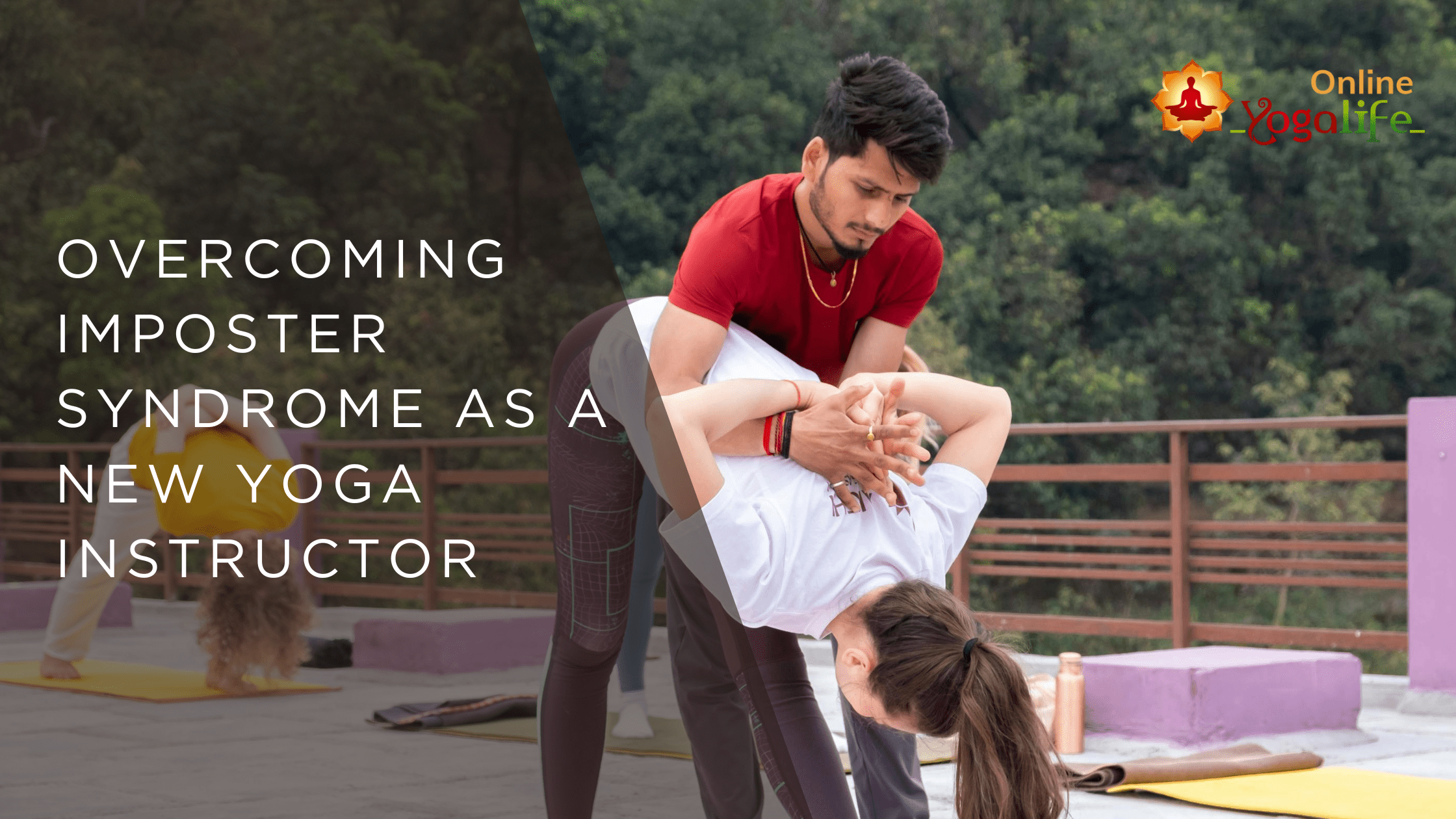
Overcoming Imposter Syndrome as a New Yoga Instructor

Kaushik Mehra | February 11th, 2025

Overcoming Imposter Syndrome as a New Yoga Instructor

Starting as a new yoga instructor can feel surprising. Many beginners struggle with imposter syndrome— the belief that they are not good enough despite their training and efforts. It’s common to feel a little mediocre, especially when surrounded by experienced teachers. However, overcoming this mindset is essential for growth and confidence.

By applying these practical steps, any new yoga instructor can overcome self-doubt and focus on delivering valuable experiences to their students.

Recognizing Imposter Syndrome

Imposter syndrome affects many professionals, including new yoga teachers. It manifests in self-doubt, fear of judgment, and comparing oneself to others. According to studies, over 70% of people experience imposter syndrome at some point in their careers. 

Signs of imposter syndrome include: 

  1. Feeling unqualified despite certification.
  2. Constantly comparing oneself to senior teachers.
  3. Fear of making mistakes in class.
  4. Worrying about student feedback or criticism.

Recognizing these feelings is the first step toward overcoming them. Self-awareness helps a yoga instructor understand that these doubts are common and do not define their actual abilities.

Reframing Negative Thoughts

The way we think shapes our confidence. Negative thoughts reinforce imposter syndrome, making it harder to trust oneself. Reframing these thoughts can shift perspective and improve self-belief. 

Practical exercises to reframe thoughts: 

  1. Cognitive Reframing – Replace self-doubt with positive affirmations. Instead of thinking, “I’m not experienced enough,” say, “I am growing with each class I teach.”
  2. Journaling Victories – Write down positive student feedback, successful sessions, and personal achievements to build self-confidence.
  3. Daily Affirmations – Repeat affirmations such as “I am a capable and confident yoga instructor.” You can also prepare any statement that suits you well. Regular repetition reinforces self-belief. Positive regular affirmation helps any yoga teacher to develop a strong mindset.  

By consistently practicing these techniques, instructors can train their minds to focus on progress rather than fear.

Trusting Your Training and Experience

Newbie yoga teachers often underestimates their qualifications. However, completing yoga teacher training from a trusted organization works well. It means they have the knowledge to guide students safely and effectively. Trusting this training is key to overcoming imposter syndrome.  

Ways to improve trust in any training:

Review Course Material – Revisit class notes, manuals, and recorded sessions to strengthen understanding.  

Practice Self-Reflection – Identify personal strengths and areas of expertise. Doing a hands-on research of oneself’s S.W.O.T. analysis. This can help a yoga instructor to find out their strengths, weaknesses, opportunities, and threats. This might help a yoga instructor in the long-term by clearly defining their path. 

Continue Learning – Attend workshops, refresher courses, or advanced training to stay updated and grow as a yoga instructor. 

Every experienced yoga instructor started as a beginner. Confidence develops with time and practice.

yoga instructor, yoga teacher

Focusing on Your Unique Teaching Style

Instead of comparing themselves to others, new instructors should embrace their teaching approach. Each yoga instructor brings their own unique story, background, and energy to their classes.   

Steps to develop a unique style:

  1. Identify personal strengths— such as a calm voice, clear instructions, or creative sequencing.
  2. Experiment with different class structures and themes.
  3. Integrate personal experiences and philosophy into teachings.
  4. Gather student feedback to understand what resonates with them.
  5. Authenticity attracts students. A teacher’s unique style will set them apart and build their confidence in the process.

Building Confidence Through Teaching

Confidence grows with experience. The more a yoga teacher instructs the more natural and comfortable it becomes.

Actionable tips to build confidence:

Start Small – Teach friends, family, or small community classes before handling larger groups.

Seek Constructive Feedback – Ask trusted students or mentors for insights on strengths and areas of improvement.

Record and Review – Watching recorded sessions helps identify improvement areas and celebrate progress. Observing keenly can help you improve day by day. 

Teach Consistently – Regular practice helps develop a smooth teaching flow and self-assurance.

Over time, these efforts will create a strong foundation of confidence and ease in leading classes.

Seeking Support and Community

Teaching yoga doesn’t have to be a solo journey. Connecting with fellow instructors provides encouragement and a sense of belonging.

Ways to find support:

Join online or local yoga instructor communities.

Participate in networking events, workshops, or retreats.

Find a mentor who can provide guidance and reassurance.

Engage in social media groups where teachers share experiences and advice.

The best part you might not know about is – all these can be found in a comprehensive yoga teacher training course. Having a support system helps a yoga instructor gain perspective, share struggles, and learn from others’ experiences. This connection fosters confidence and personal growth. 

yoga instructor, yoga teacher

Final Thoughts 

Imposter syndrome is a common challenge among new yoga teachers, but it doesn’t have to hold them back. By recognizing self-doubt, reframing negative thoughts, trusted yoga teacher training, developing a unique teaching style, and seeking community support, instructors can build lasting confidence.

Every experienced yoga teacher once faced similar challenges. Growth happens through practice, patience, and self-compassion. Instead of focusing on perceived flaws, instructors should embrace their journey and continue learning. The best yoga teachers are those who commit to their growth and support their students with authenticity and passion.

By applying these strategies, a new yoga instructor can shift their mindset, overcome imposter syndrome, and fully embrace their role in guiding others on their yoga journey.