Yoga Teacher | Yoga Life Global

Category: yoga teacher

yoga instructor, yoga teaching

How a Yoga Instructor Can Prevent Common Teaching Injuries?

Kaushik Mehra | February 17th, 2025

How a Yoga Instructor Can Prevent Common Teaching Injuries?

Teaching yoga is physically demanding. A yoga instructor spends hours demonstrating poses, assisting students, and maintaining their practice. While yoga promotes flexibility and strength, overuse and improper body mechanics can lead to chronic pain and injuries. Preventing these injuries is essential for a sustainable career in yoga teaching. Understanding the common risks and applying proper injury-prevention strategies can help instructors teach safely and effectively.

Common Injuries Yoga Instructors Face

Yoga instructors often experience overuse injuries due to repetitive movements and long physical exertion. Wrist strain is common from supporting body weight in poses like downward dog and chaturanga. Shoulder injuries occur from improper alignment in arm balances or excessive hands-on adjustments. Lower back pain develops when instructors repeatedly bend or twist without engaging the core properly. Knee discomfort can also arise from demonstrating deep squats or prolonged kneeling. These injuries not only affect teaching performance but can also force an instructor to take extended breaks, impacting their livelihood.

How to Prevent Injuries as a Yoga Instructor

Prioritizing Personal Warm-ups and Cool-downs

A yoga instructor must warm up before teaching, just as they encourage students to do. Engaging in gentle stretching and mobility exercises before class prepares the body for movement and reduces the risk of muscle strain. After class, cooling down with restorative poses and deep stretches helps prevent stiffness and aids in muscle recovery. Without these steps, the risk of chronic injuries increases over time.

Maintaining Proper Alignment While Demonstrating Poses

Demonstrating yoga poses repeatedly can lead to misalignment, increasing stress on joints and muscles. An instructor should focus on maintaining correct posture and alignment in every movement. Engaging the core, distributing weight evenly, and avoiding hyperextension of joints are essential habits. Teaching students about alignment while maintaining their own helps reduce strain and enhances injury prevention.

Avoiding Over-Demonstration During Class

A yoga instructor does not need to physically demonstrate every pose in every class. Over-demonstrating can cause fatigue, especially when teaching multiple sessions daily. Instead, verbal cues, hands-on adjustments, and mirroring students can be effective alternatives. By balancing demonstration with guidance, instructors can prevent physical exhaustion while ensuring students receive proper instruction.

Protecting the Wrists, Shoulders, and Lower Back

Wrist pain is one of the most common complaints among yoga instructors. To protect the wrists, instructors should spread their fingers wide, press through the fingertips, and engage the forearms when bearing weight. Shoulder injuries can be prevented by maintaining scapular stability, especially in poses that require overhead arm movements. Lower back pain is avoidable by keeping the core engaged and avoiding excessive forward bending without support. These small adjustments can significantly reduce injury risk over time.  

Using Props to Reduce Strain

Props are not only for students—they can also benefit instructors. Using yoga blocks, straps, and bolsters can help reduce the intensity of deep stretches and prevent overstretching. Demonstrating poses with props also sets an example for students, encouraging them to use tools for safe practice. Instructors should listen to their bodies and modify poses when needed instead of forcing deep stretches that could lead to injury.

Adjusting Students Safely

Hands-on adjustments are a key part of yoga teaching, but improper technique can lead to strain or injury. Instead of using excessive upper body strength, instructors should use their legs and core for stability when assisting students. Keeping a neutral spine and engaging the lower body helps prevent back strain. Clear verbal cues can also be an alternative to excessive physical adjustments, ensuring students receive proper guidance without compromising the instructor’s safety.

yoga instructor, yoga teaching

Prioritizing Recovery and Self-Care

Recovery is just as important as teaching. Yoga instructors should schedule regular rest days to allow their bodies to heal. Staying hydrated, eating a balanced diet, and practicing gentle yoga for recovery can help maintain long-term physical health. Foam rolling and massage therapy can also aid in muscle recovery. Neglecting self-care can lead to burnout and increased injury risk, ultimately affecting teaching quality.

Conclusion

Preventing injuries should be a top priority for every yoga instructor. By warming up properly, maintaining alignment, using props, and avoiding overuse, instructors can teach effectively without putting excessive strain on their bodies. Safe teaching habits not only protect instructors but also set an example for students to practice yoga mindfully. A healthy instructor leads to a more sustainable and fulfilling yoga teaching career. 

yoga instructor, yoga teacher

How a Yoga Instructor can Keep Students Motivated?

Kaushik Mehra | February 15th, 2025

How a Yoga Instructor Can Keep Students Motivated?

Maintaining student motivation is one of the biggest challenges a yoga instructor faces. While many students join a yoga class with enthusiasm, their initial excitement can fade over time due to various reasons. Some may struggle with progress, while others might feel distracted or lose interest. As a yoga instructor, your role goes beyond guiding postures; it involves creating an environment that inspires and encourages students to stay consistent with their practice.

Understanding What Drives Student Motivation

Motivation is the driving force behind a student’s commitment to yoga. Some join a yoga class to improve flexibility, while others seek mental clarity or stress relief. However, motivation levels vary, and external factors such as busy schedules, self-doubt, or lack of noticeable progress can lead to disengagement. A yoga instructor must recognize these challenges and address them through mindful teaching approaches that maintain student interest and commitment.

Creating an Inspiring Class Environment

The environment of a yoga class significantly impacts student motivation. A welcoming and positive atmosphere encourages students to return. Small details, such as lighting, music, and the overall setup of the space, influence the experience. Additionally, a yoga teacher’s attitude plays a crucial role. A calm, encouraging presence makes students feel comfortable and engaged. Making eye contact, offering a warm greeting, and promoting an inclusive space where students feel valued can make a significant difference in their willingness to continue their practice.

Personalized Guidance for Student Growth

Every student comes to a yoga class with different goals and abilities. Some may struggle with certain poses, while others progress quickly. A yoga instructor should recognize these differences and provide personalized guidance. Offering modifications for different levels ensures that all students feel included. Individual feedback and encouragement help students overcome their limitations, boosting their motivation. A student who feels seen and supported is more likely to stay committed to their yoga practice.

yoga instructor, yoga teacher

Using Encouragement and Positive Support

Positive support is a powerful tool in keeping students engaged. Acknowledging progress, no matter how small, builds confidence and encourages students to push forward. Research shows that recognition enhances motivation and leads to improved performance. A yoga instructor should offer verbal encouragement, highlighting students’ strengths while providing constructive feedback when necessary. However, the praise should be genuine and balanced to ensure students feel motivated rather than pressured.

Keeping Classes Fresh and Engaging

Repetitive routines can lead to boredom, causing students to lose interest. Keeping classes fresh by introducing variety can help sustain engagement. This does not mean changing everything frequently but incorporating new elements such as themed classes, breathwork techniques, or storytelling. A yoga instructor can also introduce different styles, such as restorative yoga sessions or dynamic flow sequences, to keep students intrigued. These variations not only enhance learning but also maintain curiosity and excitement.

Building a Strong Teacher-Student Connection

A strong connection between a yoga instructor and students can significantly impact motivation. When students feel heard and understood, they are more likely to remain engaged in their practice. Encouraging open communication and taking the time to address individual concerns foster trust and reliability. A yoga teacher should make an effort to understand students’ goals and challenges. A genuine connection creates a sense of community, making students look forward to every session.

Encouraging Consistency Through Goal-Setting

Setting realistic goals provides students with a sense of direction. Without clear objectives, students may feel aimless and unmotivated. A yoga instructor can help students set short-term and long-term goals based on their progress. Whether it is improving flexibility, mastering a challenging pose, or practicing mindfulness, having clear milestones keeps students accountable. Tracking progress over time reinforces their dedication and provides a sense of achievement. 

yoga instructor, yoga teacher

Conclusion

Keeping students motivated requires a thoughtful approach that combines an inspiring environment, personalized guidance, and engaging teaching techniques. A yoga instructor plays a crucial role in helping students stay committed by fostering a welcoming space, offering encouragement, and maintaining variety in classes. When students feel supported and inspired, they are more likely to make yoga a long-term part of their lifestyle. By implementing these strategies, yoga instructors can create meaningful experiences that keep students motivated throughout their practice.

yoga instructor, yoga teacher

How can a Yoga Instructor Deal with Difficult Students?

Kaushik Mehra | February 13th, 2025

How can a Yoga Instructor Deal with Difficult Students?

Teaching yoga is rewarding, but it comes with challenges. A yoga instructor may encounter students who disrupt the class, resist guidance, or seem uninterested. Managing such situations requires patience, adaptability, and a deep understanding of student behavior. Instead of letting disruptions affect the flow of the class, instructors can apply effective strategies to handle them with confidence. 

Understanding Difficult Student Behaviors

Every yoga class consists of diverse individuals, each with unique expectations and attitudes. Some students may be disruptive, talking during class, or dismissing instructions. Others might be overly critical, questioning teaching methods or complaining about sequences. Some students may appear disengaged, failing to follow cues or showing little interest. 

Difficult behaviors often stem from deeper reasons. Stress, personal struggles, or discomfort with the practice can manifest in resistance. Some students may have unrealistic expectations or struggle with patience. A yoga instructor must recognize these underlying causes rather than reacting emotionally. Understanding these behaviors helps instructors approach them with empathy rather than frustration.

Establishing Clear Boundaries and Class Guidelines

Setting clear expectations at the start of the class creates structure. A yoga instructor should establish rules regarding punctuality, talking during class, and respecting others’ space. Communicating these guidelines calmly but firmly prevents misunderstandings later.

Consistency is key. If students notice inconsistent enforcement of rules, they may continue disruptive behaviors. A yoga instructor must maintain a professional but approachable demeanor, ensuring students understand that respect and discipline are essential to a productive yoga training session. Addressing issues immediately, rather than ignoring them, helps reinforce boundaries without escalating tensions.

Managing Disruptive Behavior Without Conflict

When a student disrupts the class, staying calm is crucial. A confrontation can create tension, affecting the entire group. Instead, a yoga instructor should use non-reactive strategies. Making eye contact or pausing momentarily can subtly signal students to adjust their behavior. If necessary, addressing the issue privately after class prevents embarrassment and promotes open communication.

Mindful communication also plays a role. Instead of using authoritative language, instructors can use positive reinforcement. Acknowledging when students correct their behavior encourages a cooperative atmosphere. Maintaining a steady and calm voice prevents disruptions from escalating and keeps the class energy balanced.

Engaging Uninterested or Distracted Students

Some students may appear disinterested or disengaged. They may struggle to stay focused or lack motivation. Rather than forcing engagement, a yoga instructor can adapt their teaching style. Using varied pacing, verbal cues, or relatable explanations can re-engage students who seem lost.

Creating a welcoming space is essential. Sometimes, students feel intimidated by the class, leading to withdrawal. A yoga instructor should encourage participation without pressure. Small adjustments, such as making eye contact or offering gentle encouragement, can help students feel more involved. Including elements of mindfulness or breathwork can also bring wandering attention back to the practice.

yoga instructor, yoga teacher

Handling Overly Critical or Challenging Students

Some students may openly question an instructor’s techniques or express dissatisfaction. This can be intimidating, especially for newer teachers. Instead of reacting defensively, a yoga instructor should listen actively and acknowledge their concerns. Validating a student’s perspective while maintaining confidence in teaching methods prevents conflicts from escalating.

In cases where criticism is frequent or disruptive, redirecting the conversation can be useful. Encouraging a one-on-one discussion after class helps address concerns privately. Instructors should also remain open to feedback, as some critiques may highlight areas for growth. Handling criticism professionally reinforces credibility and ensures a positive class environment.

Cultivating a Supportive Class Environment

A positive atmosphere minimizes student resistance. A yoga instructor should foster a sense of community, making students feel valued and respected. Encouraging small interactions, such as group discussions or shared reflections, helps create connections within the class.

Positive reinforcement also plays a crucial role. Recognizing students’ efforts, regardless of skill level, enhances motivation. Small affirmations, like acknowledging a student’s improvement, can shift class dynamics. When students feel encouraged, they are less likely to exhibit difficult behaviors.

A yoga instructor should also embody the values they teach. Demonstrating patience, mindfulness, and adaptability sets a powerful example. Students often mirror the instructor’s demeanor, making a calm and collected presence essential for maintaining harmony.

Self-Care for Yoga Instructors

Dealing with difficult students can be emotionally draining. A yoga instructor must prioritize self-care to maintain balance. Regular personal practice, meditation, or relaxation techniques help release stress.

Setting emotional boundaries is also important. Instructors should avoid taking student behavior personally. Viewing challenges as learning experiences rather than setbacks allows for professional and personal growth.

Seeking peer support can also be beneficial. Discussing experiences with fellow instructors provides fresh perspectives and reassurance. A strong support system helps instructors navigate challenges with confidence and resilience.

yoga instructor, yoga teacher

Final Thoughts 

Difficult students are a part of any teaching experience, but they do not have to disrupt the learning environment. A yoga instructor who approaches challenges with patience and strategy can turn potential conflicts into opportunities for growth. Establishing clear boundaries, managing disruptions calmly, and fostering a positive class culture creates an environment where both students and instructors thrive. With mindfulness, adaptability, and self-care, every yoga instructor can handle difficult situations effectively, ensuring a rewarding teaching journey. 


Online Yogalife Blog Banner 9 Online Yoga Life

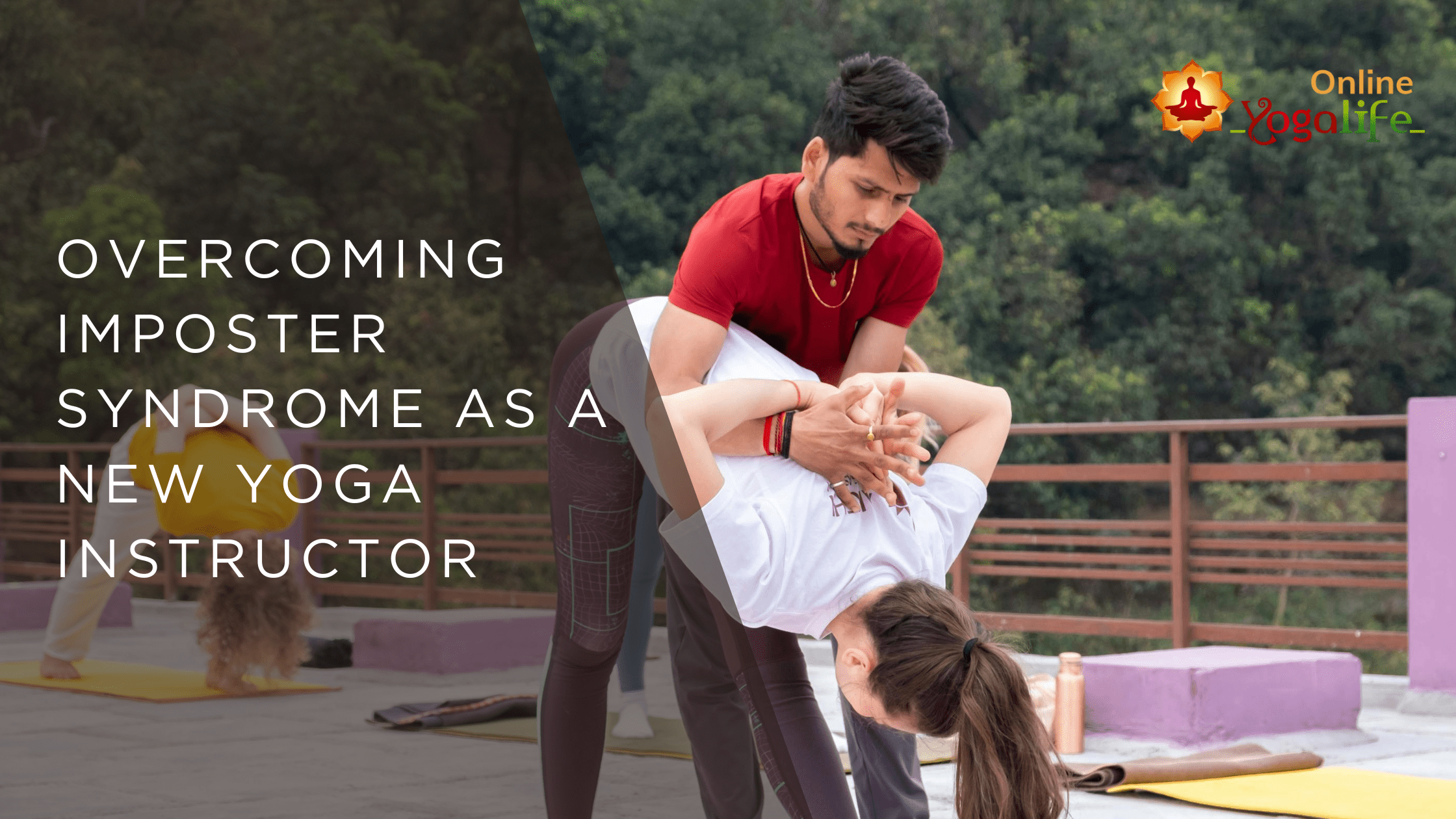
Overcoming Imposter Syndrome as a New Yoga Instructor

Kaushik Mehra | February 11th, 2025

Overcoming Imposter Syndrome as a New Yoga Instructor

Starting as a new yoga instructor can feel surprising. Many beginners struggle with imposter syndrome— the belief that they are not good enough despite their training and efforts. It’s common to feel a little mediocre, especially when surrounded by experienced teachers. However, overcoming this mindset is essential for growth and confidence.

By applying these practical steps, any new yoga instructor can overcome self-doubt and focus on delivering valuable experiences to their students.

Recognizing Imposter Syndrome

Imposter syndrome affects many professionals, including new yoga teachers. It manifests in self-doubt, fear of judgment, and comparing oneself to others. According to studies, over 70% of people experience imposter syndrome at some point in their careers. 

Signs of imposter syndrome include: 

  1. Feeling unqualified despite certification.
  2. Constantly comparing oneself to senior teachers.
  3. Fear of making mistakes in class.
  4. Worrying about student feedback or criticism.

Recognizing these feelings is the first step toward overcoming them. Self-awareness helps a yoga instructor understand that these doubts are common and do not define their actual abilities.

Reframing Negative Thoughts

The way we think shapes our confidence. Negative thoughts reinforce imposter syndrome, making it harder to trust oneself. Reframing these thoughts can shift perspective and improve self-belief. 

Practical exercises to reframe thoughts: 

  1. Cognitive Reframing – Replace self-doubt with positive affirmations. Instead of thinking, “I’m not experienced enough,” say, “I am growing with each class I teach.”
  2. Journaling Victories – Write down positive student feedback, successful sessions, and personal achievements to build self-confidence.
  3. Daily Affirmations – Repeat affirmations such as “I am a capable and confident yoga instructor.” You can also prepare any statement that suits you well. Regular repetition reinforces self-belief. Positive regular affirmation helps any yoga teacher to develop a strong mindset.  

By consistently practicing these techniques, instructors can train their minds to focus on progress rather than fear.

Trusting Your Training and Experience

Newbie yoga teachers often underestimates their qualifications. However, completing yoga teacher training from a trusted organization works well. It means they have the knowledge to guide students safely and effectively. Trusting this training is key to overcoming imposter syndrome.  

Ways to improve trust in any training:

Review Course Material – Revisit class notes, manuals, and recorded sessions to strengthen understanding.  

Practice Self-Reflection – Identify personal strengths and areas of expertise. Doing a hands-on research of oneself’s S.W.O.T. analysis. This can help a yoga instructor to find out their strengths, weaknesses, opportunities, and threats. This might help a yoga instructor in the long-term by clearly defining their path. 

Continue Learning – Attend workshops, refresher courses, or advanced training to stay updated and grow as a yoga instructor. 

Every experienced yoga instructor started as a beginner. Confidence develops with time and practice.

yoga instructor, yoga teacher

Focusing on Your Unique Teaching Style

Instead of comparing themselves to others, new instructors should embrace their teaching approach. Each yoga instructor brings their own unique story, background, and energy to their classes.   

Steps to develop a unique style:

  1. Identify personal strengths— such as a calm voice, clear instructions, or creative sequencing.
  2. Experiment with different class structures and themes.
  3. Integrate personal experiences and philosophy into teachings.
  4. Gather student feedback to understand what resonates with them.
  5. Authenticity attracts students. A teacher’s unique style will set them apart and build their confidence in the process.

Building Confidence Through Teaching

Confidence grows with experience. The more a yoga teacher instructs the more natural and comfortable it becomes.

Actionable tips to build confidence:

Start Small – Teach friends, family, or small community classes before handling larger groups.

Seek Constructive Feedback – Ask trusted students or mentors for insights on strengths and areas of improvement.

Record and Review – Watching recorded sessions helps identify improvement areas and celebrate progress. Observing keenly can help you improve day by day. 

Teach Consistently – Regular practice helps develop a smooth teaching flow and self-assurance.

Over time, these efforts will create a strong foundation of confidence and ease in leading classes.

Seeking Support and Community

Teaching yoga doesn’t have to be a solo journey. Connecting with fellow instructors provides encouragement and a sense of belonging.

Ways to find support:

Join online or local yoga instructor communities.

Participate in networking events, workshops, or retreats.

Find a mentor who can provide guidance and reassurance.

Engage in social media groups where teachers share experiences and advice.

The best part you might not know about is – all these can be found in a comprehensive yoga teacher training course. Having a support system helps a yoga instructor gain perspective, share struggles, and learn from others’ experiences. This connection fosters confidence and personal growth. 

yoga instructor, yoga teacher

Final Thoughts 

Imposter syndrome is a common challenge among new yoga teachers, but it doesn’t have to hold them back. By recognizing self-doubt, reframing negative thoughts, trusted yoga teacher training, developing a unique teaching style, and seeking community support, instructors can build lasting confidence.

Every experienced yoga teacher once faced similar challenges. Growth happens through practice, patience, and self-compassion. Instead of focusing on perceived flaws, instructors should embrace their journey and continue learning. The best yoga teachers are those who commit to their growth and support their students with authenticity and passion.

By applying these strategies, a new yoga instructor can shift their mindset, overcome imposter syndrome, and fully embrace their role in guiding others on their yoga journey.

yoga instructor, yoga teacher

Struggling with Student Engagement? 7 Tips for Yoga Instructor

Kaushik Mehra | February 4th, 2025

Struggling with Student Engagement? 7 Tips for Yoga Instructor

Engaging students is a common challenge for every yoga instructor. Whether you’re new or experienced, keeping students focused and involved enhances their learning experience. This guide explores practical ways to assist connection, boost engagement, and create a positive class atmosphere. These tips will help both students and yoga teachers thrive in every session.

Most Helpful Tips for student’s Engagement 

1. Understanding Student Engagement as a yoga instructor

Student engagement is key to a meaningful yoga practice. A disengaged student may struggle to follow instructions, lose motivation, or even stop attending classes. As a yoga instructor, understanding why engagement matters can help you address the root causes of distraction.

Students may lose focus due to external stress, lack of interest, or difficulty keeping up with the class pace. Some may need more personalized attention, while others might feel intimidated in a group setting. Identifying these barriers allows a yoga teacher to create a supportive environment.

Engagement isn’t just about physical participation, it also involves mental and emotional connection. A well-engaged class creates a sense of belonging, making students more likely to return. Yoga instructors can use interactive techniques, personalized guidance, and a welcoming atmosphere to ensure their students remain attentive and enthusiastic.

2. Creating a Relaxed and Welcoming Environment 

A comfortable and friendly atmosphere plays a significant role in student engagement. Students who feel at ease are more likely to participate and enjoy the session.

One way to achieve this is by incorporating light humor. A well-placed joke or a friendly remark can instantly dissolve tension. While maintaining professionalism, a yoga teacher can encourage smiles and laughter to create a warm environment.

Additionally, the setup of the yoga space affects engagement. Soft lighting, calming music, and a clutter-free studio create a more inviting atmosphere. Students should feel safe and free from judgment in their practice.

A yoga instructor should also be approachable. Greeting students personally, remembering their names, and checking in on their well-being boosts trust. When students feel valued, they are more likely to stay engaged.

3. Encouraging Interaction Through Questions

Asking questions is an effective way to keep students engaged. When a yoga instructor invites participation, students become more attentive and invested in their learning.

Open-ended questions work best. Instead of asking, “Did that make sense?” try, “How does this pose feel in your body?” This encourages students to reflect and share their experiences.

Engagement also increases when students feel heard. A yoga teacher should actively listen and respond thoughtfully. If a student asks a question, acknowledging it with interest helps build confidence in their practice.

Pairing questions with hands-on guidance is another useful approach. For example, after demonstrating a pose, the instructor can ask, “Which muscles do you feel stretching?” This prompts students to be mindful of their body alignment.

Encouraging interaction keeps the class dynamic. When students feel their input matters, they become more engaged and eager to learn.

yoga instructor, yoga teacher

4. Teaching with Authenticity: Your Unique Style Matters 

A great yoga instructor teaches with authenticity. Students connect better when they see genuine passion and personality in a teacher’s style.

Trying to imitate other instructors may feel unnatural. Instead, embracing personal strengths makes classes more engaging. Whether it’s a calming presence, storytelling, or a specific teaching method, a yoga teacher should integrate their unique traits into sessions.

Authenticity also involves sharing personal insights. Relating personal struggles with certain poses or meditation challenges makes students feel more understood. This builds a sense of trust and relatability.

Additionally, a yoga teacher should be adaptable. Every class is different, and adjusting teaching styles to fit the students’ energy enhances engagement. Some classes may require a slower pace, while others may thrive on a more energetic approach.

A yoga instructor creates a deeper connection with students by being genuine, making the class feel more personal and meaningful.

5. Addressing Student Doubts with Care 

Students often have questions about poses, breathing techniques, or yoga philosophy. A yoga instructor should recognize these doubts and address them effectively.

Encouraging questions during or after class cultivate a learning-friendly atmosphere. If an instructor doesn’t know the answer immediately, it’s best to acknowledge it and research later. Providing accurate responses builds credibility and trust.

Sometimes, students may hesitate to ask questions. Observing body language helps identify confusion. If a student looks uncertain during a pose, checking in with them privately can encourage engagement.

Another effective approach is addressing common concerns proactively. If a pose is complex, briefly explaining modifications in advance can prevent doubts from arising.

Being patient and responsive strengthens student-instructor relationships, making students feel more comfortable in class.

6. Understanding Emotional and Mental States 

A yoga class is not just physical—it’s also a mental and emotional experience. A skilled yoga instructor understands students’ varying emotional states and adjusts their approach accordingly.

Some students may arrive feeling stressed or distracted. A short breathing exercise or mindful check-in at the start of class helps center their focus.

Creating a space where students feel emotionally safe is essential. Avoiding overly strict corrections and offering gentle encouragement ensures a positive experience.

A yoga instructor can also incorporate mindfulness techniques, like setting intentions at the beginning of class. This helps students mentally engage with their practice and stay present throughout the session.

Recognizing emotional states promotes a deeper connection, making students feel seen and supported in their practice.

7. Setting Boundaries: When to Be Serious vs. When to Keep It Light

Balancing seriousness with light-heartedness is key to student engagement. A yoga instructor must know when to maintain focus and when to allow moments of relaxation.

While humor and friendliness create a welcoming space, too much can reduce the impact of a session. During meditation or deep poses, maintaining a calm and serious tone helps students stay immersed.

Clear transitions between different phases of class can help. For example, beginning with light stretches and conversation before moving into more focused asanas keeps the class structured.

It’s also important to set classroom norms. Encouraging students to ask questions but maintaining quiet moments during relaxation ensures a smooth flow.

By striking the right balance, a yoga instructor creates an environment that is both engaging and transformative.

yoga instructor, yoga teacher

Additional Tips for Long-Term Engagement

Consistency is key to keeping students engaged over time. A yoga instructor should introduce variety to prevent monotony.

Using themes, storytelling, or seasonal sequences keeps classes fresh. Adding new poses or breathing techniques challenges students and maintains interest.

Encouraging a sense of community also boosts engagement. Organizing occasional group activities or discussions before or after class strengthens bonds between students.

Finally, offering guidance beyond the studio—such as reading recommendations or home practice tips—keeps students engaged in their yoga journey. 

Conclusion 

Student engagement is essential for a fulfilling yoga practice. By creating a welcoming environment, using interactive techniques, and balancing structure with fun, a yoga instructor can keep students motivated. Implementing these strategies will ensure both students and yoga instructors enjoy a rewarding experience in every class.