Yogic Routine | Yoga Life Global

Category: Yogic Routine

lifestlye habits, online meditation course , meditation training

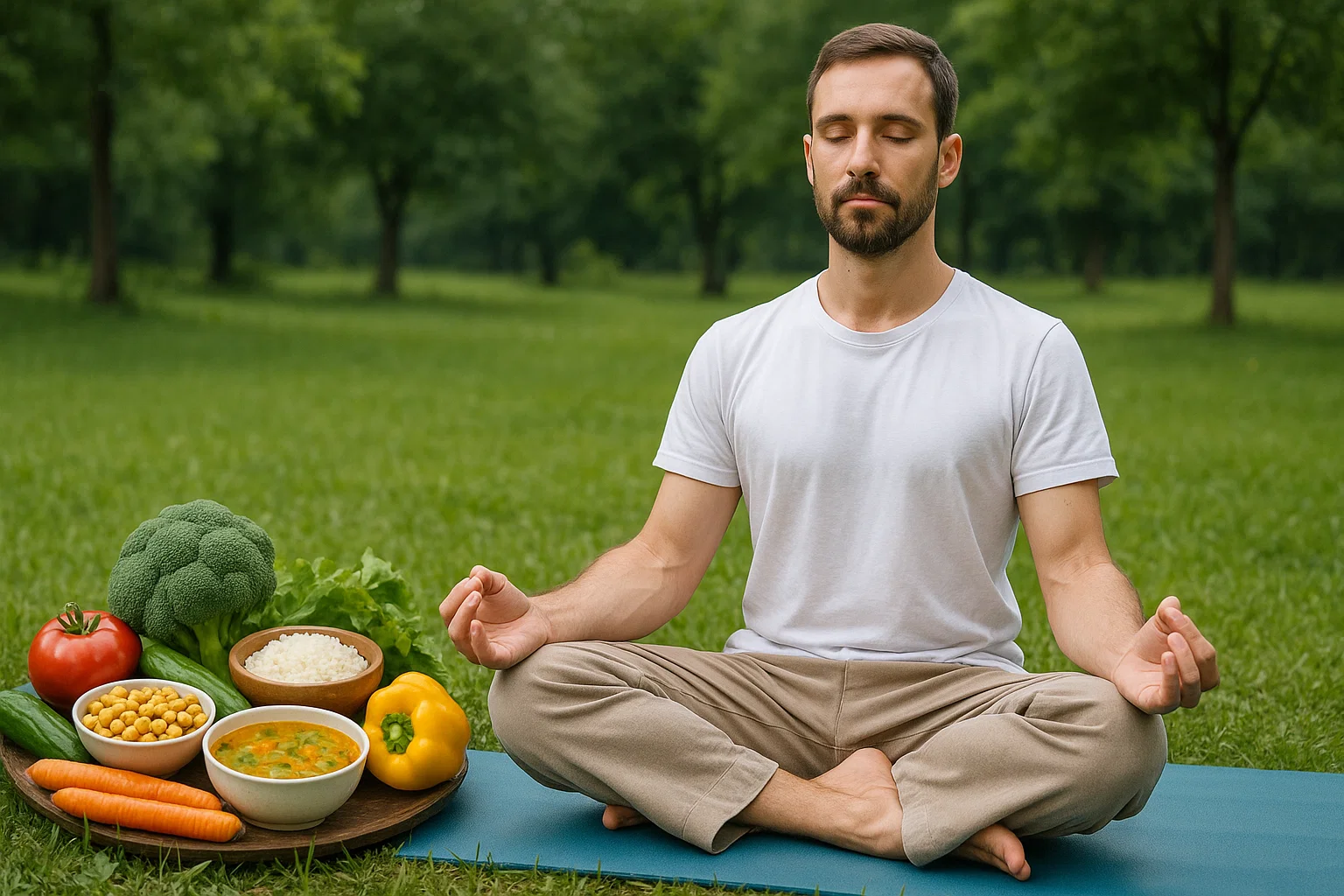
Why You Can’t Meditate: Poor Diet, Sleep, and Lifestyle Habits Are to Blame

Kritika Bairagi | May 21st, 2025

Have you ever sat down to meditate—ready, focused, and excited—only to find your thoughts racing, your body fidgety, or your energy dull? You’re not alone.
The problem might not be your practice. It might be your lifestyle habits inner environment.

As yoga instructors and teachers, we often talk about stillness, awareness, and being present. But what we sometimes forget is that meditation doesn’t start when we close our eyes. It starts much earlier—with what we eat, how we sleep, and the way we live.

And that’s what makes our online meditation course different. It doesn’t just guide you into silence—it prepares your whole being to enter it.

Let’s dive into why creating the right inner environment is essential—and how diet, sleep, and lifestyle can either support or sabotage your meditation journey.


1. Meditation Needs a Prepared Body—And That Starts with Diet

You can’t meditate deeply if your body is inflamed, bloated, or craving sugar.

We’ve all had those days when a heavy meal made us feel sleepy or a sugar crash made us restless. As a yoga teacher or aspiring meditation instructor, you must understand that diet shapes your energy, and your energy shapes your meditative state.

✅ What the Yogic Diet Teaches:

  1. Sattvic foods (light, natural, nourishing) promote clarity, peace, and stillness.
  2. Rajasic foods (spicy, stimulating, caffeinated) can increase restlessness and anxiety.
  3. Tamasic foods (processed, stale, heavy) dull the mind and promote inertia.

In our online meditation course, we dive deep into the yogic understanding of food—not just what to eat, but when, how, and why. It’s not about restriction, but alignment. When your gut is clean and your prana flows freely, meditation becomes natural.


2. If You’re Not Sleeping Right, You’re Not Meditating Deeply

Lack of quality sleep is one of the biggest invisible blocks for yoga teachers today. You’re teaching classes, planning sequences, managing students, and possibly even working another job. You end the day exhausted—but wired.

The result? You wake up groggy. You try to meditate but your brain feels foggy. You sit still but your nervous system is jittery.

Here’s the truth:

Meditation isn’t a replacement for sleep—it’s a partner to it.

In our online meditation course, we help yoga instructors assess their sleep cycles using yogic principles. Through pranayama, evening kriyas, and specific meditation techniques, we help reset your internal clock.

We even cover how melatonin, cortisol, and circadian rhythms tie into ancient wisdom—so you understand not just the what, but the why.


3. Lifestyle Habits: Your Everyday Choices Are Your Meditation Teachers

Let’s be honest—many yoga instructors feel overwhelmed by modern life. Scrolling Instagram for yoga inspo, rushing to classes, skipping meals, forgetting to breathe.
Sound familiar?

The truth is, you can’t meditate if your life is chaotic.

Meditation reflects life, and life shapes meditation.

That’s why our online meditation course pays special attention to lifestyle as sadhana (spiritual practice).

We look at:

  1. How you spend your mornings (Are you tuning inward—or reaching for your phone?)
  2. Your energy hygiene (Are you taking in too much from students or social media?)
  3. The pace of your day (Are you sprinting through, or moving with awareness?)

When you adjust your lifestyle, you start to notice something beautiful:
You don’t do meditation anymore. You live it.


4. Inner Environment: The Soil Where Meditation Grows

Imagine trying to grow a lotus in dirty, stagnant water. Impossible, right?

Meditation is that lotus. And your inner environment—made up of your diet, sleep, and daily rhythm—is the water.

As yoga instructors, it’s easy to get caught up in teaching others and neglecting our own space. But remember: You can only take students as deep as you’ve gone yourself.

Our online meditation course is crafted for teachers like you. It’s not a passive program of watching guided meditations—it’s a complete transformation of your inner terrain.

We help you:

  1. Clean the diet clutter
  2. Sync your lifestyle with yogic rhythms
  3. Reclaim sacred rest
  4. Cultivate a peaceful, receptive nervous system

Only then does true meditation blossom.


5. Teaching Meditation? Start Living It

If you’re a yoga teacher who dreams of guiding others into deeper awareness, you must begin by creating the space within yourself. Students don’t just follow your words—they feel your energy.

The teachers in our online meditation course often say:

“I came to learn how to teach meditation, but I ended up learning how to live it.”

You don’t need to sit in a cave or fast for 40 days. You need to start with small, powerful shifts in how you eat, sleep, and live.


Ready to Become a Meditation Guide?

Our online meditation course is perfect for yoga instructors, wellness coaches, or anyone who wants to integrate authentic, grounded meditation into their teaching. You’ll learn how to:

  1. Prepare the inner environment for effective meditation
  2. Use diet and pranayama as preparation tools
  3. Build consistent inner stillness, not just occasional silence
  4. Guide students with confidence and clarity

By the end of the program, meditation won’t be something you “do”—it will be something you are.


Last Thought: The Stillness You Seek Is Waiting

You’re already on the path.
Now it’s time to remove the blocks.

Fix the food.
Clean the sleep.
Slow the pace.
And let your inner environment become fertile soil for awareness.

Explore our online meditation course today—and start living the meditation you’ve always tried to teach.


lifestyle habits, online meditation course, yoga teacher

yogic kriyas

Say Goodbye to Bloating: Yogic Kriyas for a Clean Gut!

Kritika Bairagi | February 10th, 2025


Ever felt like your body is holding onto things it no longer needs? Like that sluggish, heavy feeling after a weekend of indulgence or the bloating that just won’t go away?

You’re not alone. Our bodies are like storage units—we keep piling things in, but rarely take the time to clear out the junk. And just like a cluttered home, a cluttered digestive system slows us down.

This is where Yogic Kriyas come in. Think of them as your body’s deep-cleaning crew, gently flushing out toxins, improving digestion, and giving you that light, refreshed feeling from the inside out.

But before we get into the magic of these cleansing techniques, let’s talk about why detoxing is essential for digestion.


Imagine a kitchen sink. When it’s working well, water flows smoothly. But if food scraps, oil, and grime build up, the pipes clog, water gets stuck, and things start to smell… not great.

Your digestive system is no different. Over time, processed foods, stress, and poor lifestyle choices clog your gut, leading to bloating, constipation, acidity, and fatigue. Your body tries to clean itself naturally, but sometimes, it needs a little help.

That’s where Yogic Kriyas step in. These ancient cleansing techniques help remove toxins, clear out excess waste, and bring your digestion back to its natural, happy rhythm.


Yogic Kriyas are detox practices designed to cleanse different parts of the body, especially the digestive system. They’re not just “hacks” or quick fixes—they’ve been practiced for thousands of years and have stood the test of time.

Let’s look at some powerful Yogic Kriyas that can work wonders for your digestion.

1. Shankhaprakshalana (Full Intestinal Cleanse)

Think of this as a power wash for your intestines. In this practice, you drink warm salt water and perform specific yoga poses to help the water move through your digestive tract, flushing out waste and toxins.

Benefits:

  1. Deep cleanses the intestines
  2. Removes bloating and constipation
  3. Improves metabolism and gut health

Important Note: This is an advanced practice and should be done under the guidance of a teacher.


2. Kapalabhati (Cleansing Breath)

Ever seen how a strong wind clears away dust? Kapalabhati does the same for your digestive system. It’s a rapid, forceful breathing technique that helps push out toxins, improve oxygen flow, and stimulate the digestive organs.

How to Do It:

  1. Sit comfortably, spine straight.
  2. Take a deep inhale and exhale forcefully through your nose while pulling your belly in.
  3. Continue this rhythmic breathing for 30-50 rounds.

Benefits:
✅ Stimulates digestion
✅ Removes toxins from the lungs and stomach
✅ Boosts metabolism


3. Agnisar Kriya (Activating the Digestive Fire)

Your digestion works like a fire—it needs fuel and air to burn strong. Agnisar Kriya fans this internal fire, making digestion more efficient.

How to Do It:

  1. Stand or sit with an empty stomach.
  2. Exhale completely, pull your belly in and up, then release. Repeat in quick successions.
  3. Do 10-15 rounds in the morning.

Benefits:
🔥 Boosts digestive strength
🔥 Reduces bloating
🔥 Increases energy and metabolism


4. Jala Neti (Nasal Cleansing for Gut Health?)

Okay, this one might seem unrelated, but hear me out—your gut and sinuses are more connected than you think! When the nasal passages are blocked, it affects breathing, which in turn messes with digestion. Jala Neti, or saline nasal cleansing, helps clear out mucus and improves overall energy flow in the body.

Benefits:

  1. Clears sinuses, which improves oxygen supply to the digestive organs
  2. Reduces stress, which is a hidden cause of digestive issues
  3. Enhances overall vitality

Now, let’s not forget the obvious—what you put into your body matters just as much as how you cleanse it. Kriyas work best when paired with clean, nourishing food.

Here are some simple diet tweaks to support your digestive detox:

🥦 Eat More Fiber: Fruits, veggies, and whole grains help move waste through your system.
💦 Stay Hydrated: Water flushes out toxins. Sip warm water throughout the day.
🍵 Include Herbal Teas: Ginger, fennel, and peppermint teas soothe digestion.
Don’t Overeat: Eat until you’re 80% full—your gut will thank you.


Cleansing the body with Yogic Kriyas is powerful, but like any deep cleanse, it needs to be done the right way. If you’re looking for proper guidance, check out our programs at Online Yoga Life. Our courses dive deep into Yoga Therapy, Detox Practices, and Holistic Nutrition, helping you not just learn but experience transformation.


Your body is your home, and just like any home, it needs regular cleaning. Yogic Kriyas aren’t about extreme detoxes or punishing your body—they’re about resetting, restoring, and bringing your digestion back to balance.

So, next time you feel bloated, sluggish, or just “off,” try adding one of these Yogic kriyas to your routine. Your gut (and mind) will thank you.

Stay light, stay energized, and keep flowing. ✨

yogic kriyas

Ready to explore more? Visit www.onlineyogalife.com and start your journey, Namaste!


Yogic Routine (Dincharya)

4 Proven Ways a Yogic Routine Can Improve Your Life Today

Kritika Bairagi | December 20th, 2024

In today’s fast-paced world, people seek balance, health, and inner peace. A yogic routine can be the perfect solution; it offers a holistic method to enhance well-being by nurturing the mind, body, and soul.

Integrating yoga into your daily routine doesn’t require a huge time commitment—even a few simple practices can yield significant benefits. Let’s learn the four proven ways a yogic routine can positively transform your life starting today.


Modern life cannot avoid a lot of stress, but the yogic routine has proved to be the perfect antidote. Integrating asanas, pranayama, and meditation, yoga soothes the nervous system and lessens the levels of cortisol. The result is less stress and clearer minds.

Pranayama forms one of the most effective parts of a yogic routine in order to relieve stress. Practices like Nadi Shodhana (alternate nostril breathing) and Bhramari, or humming bee breath, help in keeping the mind calm by balancing it and in emotional management. Meditation, as one of the important principles, thus trains the mind to concentrate, hence developing clarity and reduction in overthinking.

Quick Tip: Begin your day with five minutes of meditation and three rounds of deep belly breathing. Adding this little to your yogic routine can make much more difference in how well you handle stress throughout your day.

Learn what experts say!!


A regular yoga routine thus promotes physical health by increasing flexibility and strength, and the sense of total vitality. Unlike other high-intensity workouts, yoga thus gently yet effectively tones up the muscles, increase mobility of the joints, and enhances cardiovascular health.

Asanas like Downward Dog (Adho Mukha Svanasana), Cat-Cow Pose (Marjaryasana-Bitilasana), and Sun Salutations (Surya Namaskar) target multiple muscle groups while enhancing posture and balance. Consistent practice also aids in detoxification, supporting digestion and circulation.

With yoga, people who have to sit for long hours or have contracted stiffness can feel instant relief. A little stretching and posing release all that tension in the neck, shoulder, and lower back, maintaining good posture of the spine.

Quick Tip: Add a 15-minute asana session to your morning or evening yogic routine. Emphasize gentle stretches that will help you get rid of stiffness and build strength over time.


The yogic routine has its reach beyond the physical to where emotional well-being is deeply influenced. This union of breath, movement, and mindfulness in yoga encourages emotional processing, releasing tension, and cultivating inner peace.

Heart-opening postures, such as Cobra Pose and Bridge Pose, facilitate emotional release, while mindfulness meditation fosters self-awareness and self-acceptance. Pranayama techniques, like Anulom Vilom, balance the emotional responses by balancing the left and right hemispheres of the brain.

Yoga’s ancient teachings emphasize non-attachment (Aparigraha) and contentment (Santosha), providing a mental framework to navigate life’s challenges. Over time, daily practice embeds these principles, fostering a more positive and balanced outlook on life.

Also read; Master the Yamas and Niyamas: A Path to Purposeful Living in Yoga

Quick Tip: Take out five minutes at the end of your yogic session for gratitude. Reflect upon your blessings in seated meditation or savasana; it grounds you emotionally.


Sleep problems plague millions of people worldwide, and many of them suffer from insomnia. Regular yogic practice can improve the quality of sleep manifold by quieting the mind and setting up the body for sleep. Specific yoga practices stimulate the parasympathetic nervous system responsible for the body’s “rest and digest” state.

Restorative yoga postures like Legs-Up-the-Wall and Child’s Pose are very effective for relaxation. These postures, along with Ujjayi or ocean breath, have a tendency to slow down the heart rate and keep the body in a state of relaxation. Yoga Nidra, also referred to as yogic sleep, is another technique that guides the mind into a profoundly restful state.

Quick Tip: Set up a night-time yoga routine of three restorative poses, soft pranayama, and five minutes of Yoga Nidra. It might help an individual sleep quicker and get up fresher.


It does not have to be overwhelming to start a yoga routine. Take small, achievable steps that will fit easily into your schedule. For example, you could start your morning with 5-10 minutes of Sun Salutations and end your evening with a few restorative poses or meditation. As you feel the benefits, you can gradually extend your practice.

Consistency will allow you to reap the full benefits of a yogic routine. Even short daily sessions of mindfulness and movement can create long-lasting positive changes in your life.


At Online Yoga Life, we pride ourselves on the support one can get from us in working towards developing a maintainable yogic routine appropriate for your life. Whether one is only a beginner or an established practitioner, our online teacher training courses provide courses of comprehensive modules on yogic routines and their benefits. Indeed, these courses cover such guidelines on the principles of yoga—from asana to pranayama and meditation—to holistic wellbeing.

With our courses, you will learn about how to establish a great routine for yourself and others. You will be empowered to spread the transformative power of yoga within your community. Join Online Yoga Life today to begin your journey toward a healthier and more balanced life.


Adding yoga into one’s daily schedule offers life-changing benefits in the form of reduced stress, improved physical health, emotional well-being, and improved sleep quality. These practices offer a holistic path toward wellness that helps an individual experience life-changing improvements.

Why wait to feel better? Make today the day you take the first steps in your yogic routine for a life that will astound you. Remember, all it takes is a drop of persistent effort.

Namaste.